Can I Get a Telehealth Appointment in Panama?
Navigating the healthcare system in a new country can feel like trying to solve a Rubik's Cube blindfolded, especially when you’re not feeling your best. For many of us expats and even tourists in Panama, the thought of finding a doctor, battling traffic to a clinic, and then potentially facing a language barrier for a minor ailment is enough to make us just want to suffer through it. But what if I told you there’s a modern, convenient solution that’s becoming increasingly popular? This guide is going to walk you through everything you need to know about accessing telehealth appointments right here in Panama, helping you get the care you need without the usual headaches.
The Rise of Telehealth in Panama: A Post-Pandemic Reality
Before the world shifted a few years ago, "telehealth" felt like something out of a sci-fi movie to many of us. But here in Panama, just like everywhere else, the pandemic dramatically accelerated its adoption. Suddenly, going to a doctor's office for every sniffle or rash became a logistical challenge, and both patients and providers quickly realized the immense value of virtual consultations. It’s no longer just a niche service; it’s an integrated part of the healthcare landscape, offering a lifeline for those of us who need quick, accessible advice.
What Telehealth Actually Means for Expats Here
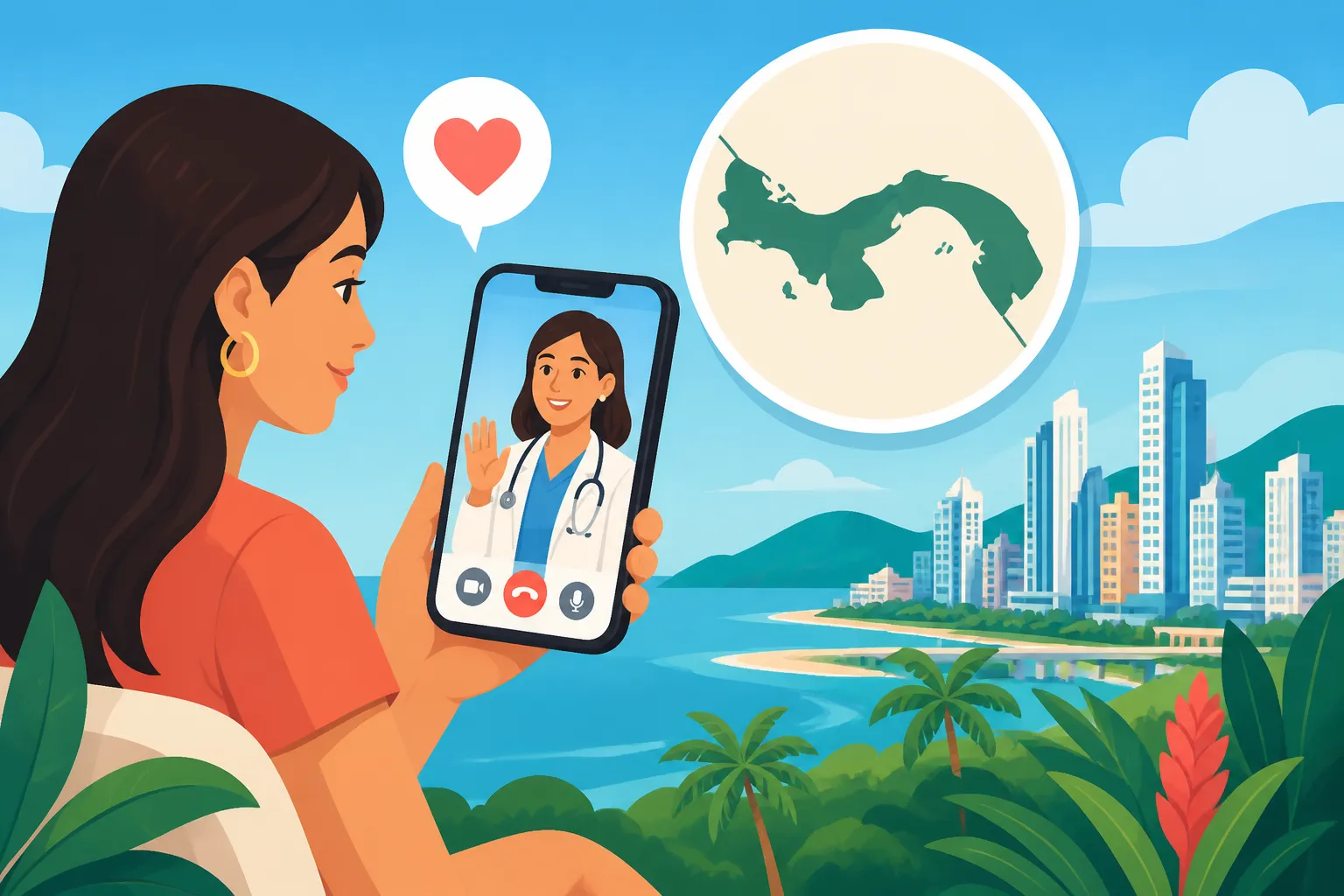
When we talk about telehealth in Panama, we're not just talking about a quick phone call to a doctor. It's a much broader umbrella covering several ways you can receive medical care remotely. The most common, and perhaps what comes to mind first, are video consultations. Imagine sitting in your living room in Boquete or your apartment in Panama City, chatting face-to-face with a doctor via a secure video link. This is hugely beneficial for discussing symptoms, getting advice, and even showing a minor injury or rash that doesn't necessarily require a physical examination.
Beyond video calls, telehealth also includes phone consultations, which are often quicker for follow-up appointments or simple questions. Some platforms even offer remote monitoring, particularly for chronic conditions, though this is less common for general expat use unless you’re with a specific clinic. And yes, e-prescriptions are very much a part of the system, meaning your doctor can digitally send a prescription to your local pharmacy, saving you another trip. This level of convenience is a game-changer, especially when you consider the alternative of navigating public transport or finding parking in congested areas just for a quick chat with a doctor. It really takes a lot of the stress out of managing minor health issues, something those of us who've lived here for a while truly appreciate.
The Legal Landscape and Regulations for Telemedicine
One of the biggest concerns for expats, naturally, is whether these virtual consultations are legitimate and legally recognized. The good news is that Panama has made significant strides in regulating telemedicine, particularly after its essential role became undeniable during the height of the COVID-19 crisis. The Ministry of Health (MINSA) has issued guidelines and resolutions that define how telehealth services can be provided, ensuring patient safety and data privacy. This means you’re not just talking to a random person online; you’re engaging with licensed medical professionals operating within a defined legal framework.
These regulations cover aspects like the professional registration of doctors offering telehealth, the confidentiality of your medical information, and the proper procedure for issuing prescriptions electronically. While it's always wise to use reputable platforms and clinics, knowing that there's a governmental oversight body gives us a much-needed layer of assurance. This means that if you're seeking advice for a non-urgent issue, like a persistent cough or a mild fever, a telehealth appointment is a perfectly valid and recognized way to access medical expertise, often much faster than trying to get an in-person slot. It brings a lot of peace of mind, knowing that the care you're receiving remotely is held to professional standards.
How to Find and Book a Telehealth Appointment in Panama
Alright, so you’ve decided telehealth is the way to go for your current health concern. Now comes the practical part: how do you actually find a doctor and book an appointment? This process can feel daunting in any new country, but with a bit of guidance, it's actually quite straightforward here in Panama. The key is knowing where to look and what to ask for.
Identifying Reputable Platforms and Providers
Panama has several options for accessing telehealth, ranging from independent doctors offering virtual consultations to larger private clinics and dedicated platforms. Many private hospitals, such as Hospital Punta Pacifica and Hospital Nacional, have integrated telehealth services into their offerings, allowing you to consult with their specialists remotely. You can often find a list of their telehealth-enabled doctors directly on their websites or by calling their main reception. These larger institutions often have the advantage of being able to offer consultations with English-speaking doctors, which can be a huge relief if your Spanish isn't quite up to medical terminology. If you’re trying to navigate the system, knowing How to Find an English-Speaking Doctor in Panama can really streamline your search.
Beyond the major hospitals, there are also independent doctors and smaller clinics that have embraced virtual care. A good starting point is often expat social media groups or forums, where fellow residents can recommend practitioners they’ve had positive experiences with. Sometimes, your private health insurance provider, like SafetyWing, might also have a network of approved telehealth providers or can offer guidance on where to seek virtual care that will be covered. Always check if the doctor is a registered professional in Panama – a simple request for their professional registration number (ID de Idoneidad) can give you peace of mind.
The Booking Process: Step-by-Step
Once you’ve identified a potential provider, the booking process for a telehealth appointment in Panama is usually quite efficient. Here's a general rundown:
- Initial Contact: Most clinics and doctors will have a dedicated phone number or WhatsApp contact for appointments. Many also have online forms on their websites. For smaller practices, WhatsApp is often the quickest and most direct way to get through.
- Provide Information: You’ll typically need to provide your full name, contact information (phone and email), a brief description of your symptoms or reason for the appointment, and your preferred date and time. If you have a Panamanian Cedula, it’s good to have that handy, but a passport number is usually sufficient for foreigners.
- Insurance Details: If you have private health insurance, be ready to provide your policy number and the name of your provider. Even if you're paying out-of-pocket initially, having this information ready can help with later reimbursement. International travel insurance like SafetyWing is quite common among expats and tourists, and they often provide clear instructions on how to submit claims for virtual consultations.
- Confirmation and Payment: Once the appointment is scheduled, you'll receive a confirmation, usually via email or WhatsApp. This will include the time, the doctor's name, and instructions on how to connect (e.g., a Zoom link, a proprietary platform link). Many telehealth services require upfront payment, which can often be done via bank transfer (transferencia bancaria), Yappy, or sometimes a secure online payment portal. The cost of a telehealth appointment is usually comparable to, or slightly less than, an in-person visit. You can learn more about How Much Does a Doctor Visit Cost in Panama? if you’re curious about typical rates.
- Preparation: Before your appointment, make sure you have a stable internet connection and a quiet, private space. Test your camera and microphone. Having all your information readily available will make the consultation smooth and effective.
What to Expect During and After Your Telehealth Consultation
You've booked your appointment, confirmed your time, and now the virtual visit is almost here. It’s natural to feel a little unsure about what a digital doctor’s appointment entails, especially if it’s your first time or you’re in a foreign country. But trust me, it’s often very similar to an in-person consultation, just without the waiting room magazines!
Preparing for Your Virtual Doctor's Visit
Preparation is key to making the most of your telehealth appointment in Panama. Think of it just like preparing for a regular doctor’s visit, but with a few digital tweaks. First, ensure you have a strong, reliable internet connection. There's nothing worse than a pixelated doctor or a dropped call in the middle of describing your symptoms! Find a quiet, well-lit space where you can speak freely and won't be interrupted. Good lighting is especially important if the doctor needs to visually assess something like a rash or a swollen area.
Gather all relevant information beforehand. This includes a clear, concise list of your symptoms: when they started, how severe they are, what makes them better or worse. Write down any existing medical conditions, allergies, and a complete list of any medications you’re currently taking, including over-the-counter drugs and supplements. If you have any recent test results or medical records that might be relevant, have them ready to share if the platform allows or be prepared to describe them. Jot down any questions you have for the doctor so you don’t forget anything important during the consultation. Having your private insurance details, like your SafetyWing policy number, easily accessible is also a good idea, even if you’ve already provided it during booking, just in case they need to confirm anything.
Prescriptions, Referrals, and Follow-up Care
One of the most common questions expats have about telehealth in Panama is, "How do I get my medication if I can't physically go to the doctor?" It’s a valid concern, and thankfully, the system is set up to handle this efficiently. If the doctor determines you need a prescription, they will typically issue it electronically. This e-prescription can then be sent directly to your preferred pharmacy via email or WhatsApp, or you might receive a digital copy that you can show to the pharmacist on your phone. Most pharmacies in Panama are accustomed to this process, especially post-pandemic. Just be sure to confirm with your doctor which pharmacy chain they usually work with, or provide the name of your local pharmacy. For a deep dive into how pharmacies work here, check out our guide on Prescription Medications and Pharmacies in Panama: The Complete Guide.
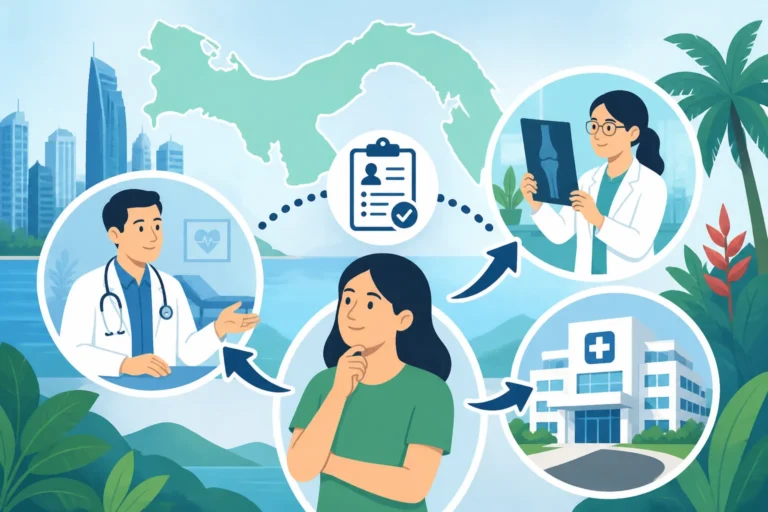
What if your telehealth consultation reveals something that requires a physical examination or specialist care? In that case, the doctor can provide a referral. This referral will usually be a document, either digital or a physical copy that can be printed, which you can then take to a specialist or a clinic for an in-person appointment. They'll guide you on the next steps, including how to book with the specialist. Follow-up care is also straightforward; if needed, the doctor will schedule another telehealth appointment or advise you on when to seek further in-person evaluation. The beauty of this is that the initial screening and advice can often save you time and money by directing you to the right next step, rather than wasting a trip to an emergency room for something non-urgent.
Benefits, Limitations, and When In-Person Care is Essential
Telehealth has definitely carved out its place in Panama’s healthcare system, offering some fantastic advantages, especially for the expat community. However, it’s crucial to understand both its strengths and its limitations to use it effectively and safely. It's a tool, not a universal solution for every medical scenario.
The Advantages of Telehealth for Expats and Tourists
Let’s be honest, living in Panama is wonderful, but dealing with certain aspects of daily life, like traffic or bureaucracy, can test your patience. This is where telehealth truly shines for us foreigners. The sheer convenience is unparalleled. Imagine avoiding the notorious Panama City traffic or a long bus ride from a rural area just for a quick consultation. You can have your appointment from the comfort of your home, your office, or even your hotel room if you’re a tourist. This eliminates travel time, parking woes, and those often-lengthy waiting room queues.
From a financial perspective, telehealth can also be more cost-effective for minor issues. While the consultation fee itself might be similar to an in-person visit, you save on transportation costs and potential lost work time. Many private and international health insurance plans, including those offered by companies like SafetyWing, often cover telehealth consultations, making it an even more attractive option. It expands access to care, particularly for expats living in more remote areas where specialized medical facilities might be far away. It also helps in overcoming language barriers, as many telehealth providers cater specifically to English-speaking patients. For those seeking clarity on broader healthcare options, our guide on The Complete Guide to Healthcare in Panama for Expats (2027) provides more context.
When Telehealth Isn't Enough: Urgent and Emergency Situations
While telehealth is a fantastic resource for many common ailments and follow-up care, it is absolutely, unequivocally not for emergencies. This is a critical point that cannot be stressed enough. If you are experiencing severe symptoms such as chest pain, difficulty breathing, sudden severe headaches, heavy bleeding, loss of consciousness, or any other life-threatening condition, you need to seek immediate in-person emergency medical care. Do not waste time trying to book a telehealth appointment.
Telehealth doctors cannot perform physical examinations, run urgent diagnostic tests, or provide hands-on treatment. They are not equipped to deal with medical emergencies. If you find yourself in a situation where you suspect a broken bone, a heart attack, a stroke, or a severe allergic reaction, your first step should always be to call Panama's emergency number (911) or go directly to the nearest emergency room. Knowing Emergency Medical Care in Panama: What Every Expat Needs to Know is crucial for all residents and visitors. While it's great to have the convenience of virtual consultations, understanding its limitations is paramount for your safety and well-being in Panama.
Here’s a quick overview to help you decide:
| Situation/Condition | Recommended Action | Telehealth Suitability | Notes |
|---|---|---|---|
| Minor Cold/Flu Symptoms | Telehealth appointment | High | For advice, e-prescription, and general guidance. |
| Skin Rashes/Minor Irritations | Telehealth appointment | High | Doctor can often assess visually via video. |
| Medication Refills | Telehealth appointment | High | Especially for non-controlled substances and known conditions. |
| Mental Health Support | Telehealth appointment | High | Initial consultations, therapy sessions. |
| Follow-up Appointments | Telehealth appointment | High | Post-treatment checks, discussing test results. |
| Urinary Tract Infections (UTIs) | Telehealth appointment | Medium | Can often diagnose and prescribe based on symptoms, but may require in-person test if recurrent or severe. |
| Sudden, Severe Pain | Emergency Room / Urgent Care | Low (Initial advice only) | Requires physical examination and immediate diagnostics. |
| Chest Pain/Shortness of Breath | Call 911 or go to ER | None | Life-threatening emergency. |
| Broken Bones/Trauma | Emergency Room | None | Requires immediate physical assessment, imaging, and intervention. |
| Deep Wounds/Heavy Bleeding | Emergency Room | None | Requires immediate physical assessment and treatment. |
| Fever with stiff neck/confusion | Emergency Room | None | Potentially serious infection, requires immediate medical attention. |
While telehealth offers remarkable flexibility and convenience, especially for us expats and tourists trying to navigate a new system, it's not a substitute for all medical care. Always use your best judgment. For most non-urgent health concerns, it’s a fantastic option, potentially saving you a lot of time and hassle, and keeping you well within your budget when you factor in your international health coverage. Knowing when to use it, and when to opt for in-person care, is key to staying healthy and happy here in Panama. If you are looking to get a comprehensive understanding of healthcare costs, you can read our guide on The Cost of Healthcare in Panama: A Complete Breakdown for Foreigners (2026).
Disclaimer
Please remember that I am an expat lifestyle blogger, not a medical professional or legal expert. The information provided in this article is based on personal experience, general knowledge, and publicly available resources up to my last update in 2026. While I strive to provide accurate and helpful advice, healthcare regulations, services, and costs can change. Always consult with a qualified Panamanian medical professional or legal advisor for personalized medical advice or specific legal guidance. This content is for informational purposes only and should not be considered a substitute for professional medical care.