Is Mental Health Treatment Confidential in Panama?
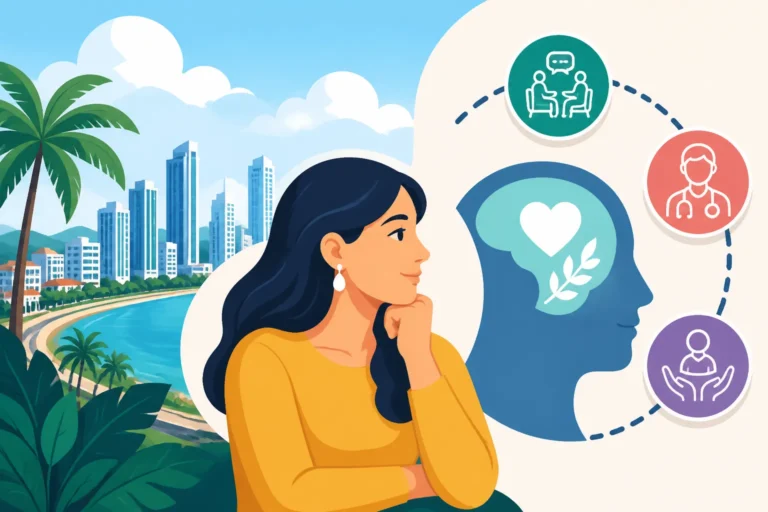
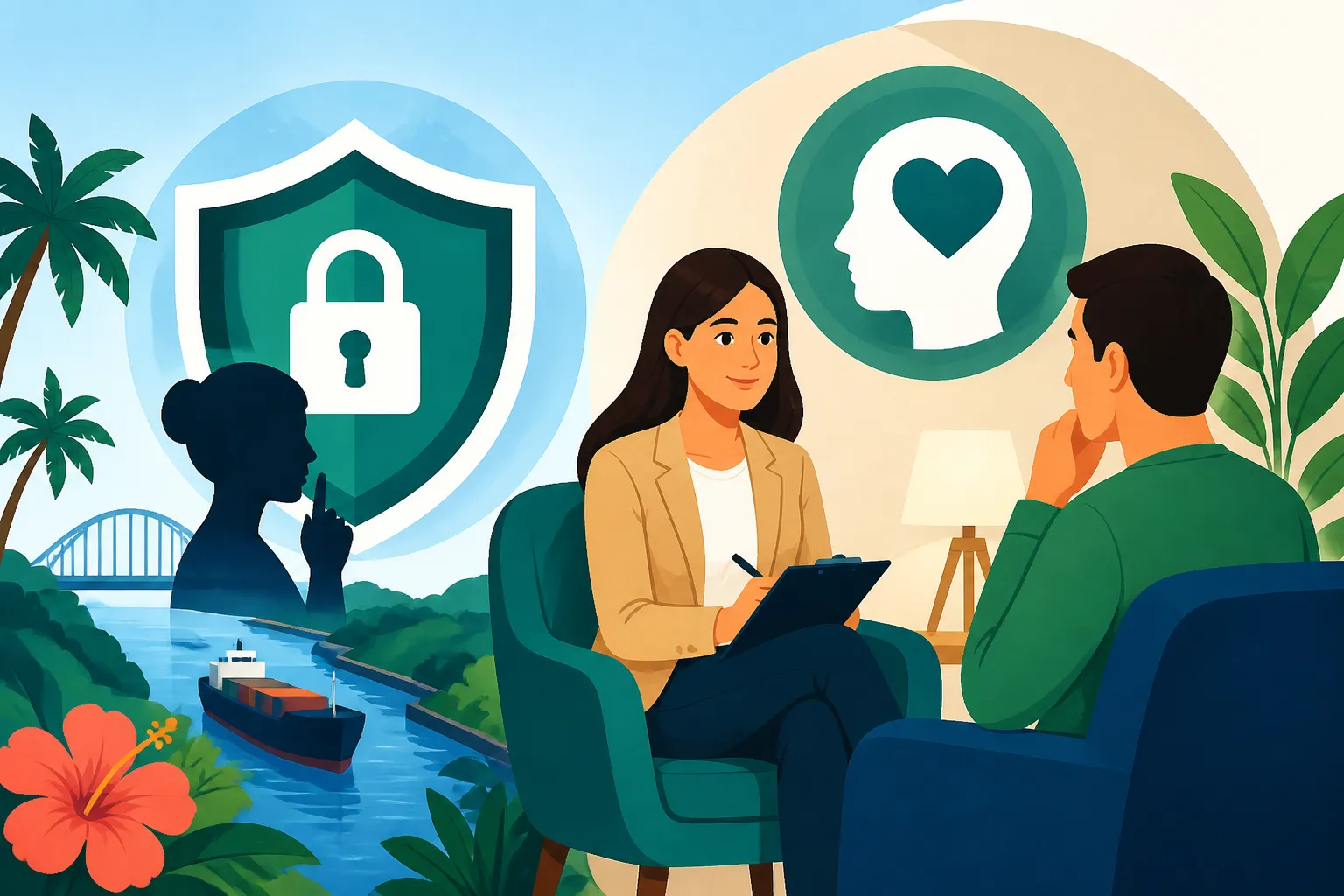
One of the biggest anxieties for expats navigating a new healthcare system, especially when it comes to something as deeply personal as mental health, is wondering who really gets to know your business. You pour your heart out, you discuss your struggles, and naturally, you want to trust that those conversations are staying exactly where they belong: between you and your mental health professional. It's a valid concern, and honestly, the landscape here in Panama can feel a bit murky if you don't know what to look for. This guide is here to shed some light on the reality of mental health treatment confidentiality in Panama, explaining your rights, the practicalities, and how to protect your privacy as an expat.
Understanding Mental Health Confidentiality in Panama
When you're far from home, facing the usual expat stresses – culture shock, language barriers, bureaucratic hurdles – managing your mental well-being becomes even more critical. But then the question arises: is what I share truly private? In Panama, like many countries, there's a legal framework designed to protect patient information, but the practical application, especially in mental health, can sometimes feel less clear-cut for those of us accustomed to different systems.
Legal Framework and Patient Rights
Panama’s legal system does have provisions safeguarding patient confidentiality, largely rooted in general medical ethics and privacy laws. The fundamental principle is that patient information, including details about mental health treatment, is considered private and should not be disclosed without the patient's consent. This is a cornerstone of trust between a patient and their healthcare provider. However, these laws often operate within a broader context that might not be as stringent or specifically detailed for mental health as, say, HIPAA in the United States or GDPR in Europe.
For instance, while a therapist or psychiatrist is ethically and legally bound to keep your sessions confidential, there are universally accepted exceptions. These typically include situations where there is a clear and present danger of harm to yourself or others, or if a court order legally compels a professional to disclose information. Understanding these boundaries upfront is crucial. It’s not just about what Panama’s law says, but also about the professional ethics of your chosen provider. Always remember, as a patient, you have the right to ask your provider about their specific confidentiality policies and how they handle your data. This proactive approach can alleviate a lot of expat worries and help you establish a secure therapeutic relationship.
Who Has Access to Your Information?
This is where things can get a bit nuanced for expats in Panama. Ideally, only your direct mental health professional (therapist, psychologist, psychiatrist) should have access to the detailed content of your sessions. However, in larger clinics or hospital settings, other administrative staff might handle your records, appointments, and billing information. While these individuals are also generally bound by confidentiality agreements, the more hands involved, the more the potential for inadvertent disclosure, even if minor.
If you’re utilizing private health insurance, like those offered by international providers such as SafetyWing, there's another layer to consider. For your claims to be processed, your insurance provider will typically require some information about your diagnosis, treatment plan, and progress. This doesn’t mean they get a full transcript of your therapy sessions, but they will need enough detail to assess the medical necessity and approve coverage. This exchange of information is usually covered by the consent forms you sign when initiating treatment and making claims. It's a necessary part of the process to ensure your treatment costs are covered, but it means a third party will have access to certain medical details. This trade-off between coverage and absolute privacy is something many expats grapple with, especially when managing chronic conditions or sensitive issues. It's always a good idea to thoroughly review the privacy policies of both your healthcare provider and your insurance company.
Practical Aspects of Confidentiality in Panamanian Mental Healthcare
Living abroad often means adapting to new norms, and healthcare is no exception. While the legal foundation for confidentiality exists, the day-to-day practicalities of how your mental health information is handled can depend significantly on where you seek care and how you engage with your providers. It’s not just about what’s written in law, but how these principles are enacted in real-world settings.
Private vs. Public Sector Differences
In Panama, there's a pretty clear distinction between the public healthcare system, primarily run by the Caja de Seguro Social (CSS), and the private sector. When it comes to mental health services, the level of confidentiality and the practicalities of privacy can vary between these two.
In the private sector, particularly with individual practitioners or smaller clinics, you often experience a more personalized approach. Professionals in private practice usually have more direct control over their record-keeping and administrative processes. This can translate into a stronger sense of confidentiality, as fewer people within the organization might have access to your sensitive information. Private facilities tend to be more aligned with international standards in terms of digital record security and patient privacy protocols, often catering to an international clientele who expect such safeguards. You can also sometimes find dedicated English-speaking practices that explicitly detail their privacy policies. To learn more about navigating the overall healthcare landscape, check out our guide on how Panama's Health System Works: CSS and Private Care Explained.
The public sector, while providing essential services, typically operates on a much larger scale, with more staff involved in patient management. While the ethical obligations remain, the sheer volume of patients and the often more bureaucratic nature of public institutions can mean a less individualized approach to privacy. Records might be handled by a wider array of personnel, and the system might not always have the same advanced digital security measures as top-tier private clinics. Wait times can also be longer, and the environment might feel less private than a smaller, dedicated private practice. For mental health, many expats lean towards private options precisely for the perceived greater discretion and specialized care.
Communicating Your Confidentiality Concerns
Don't ever hesitate to speak up about your concerns regarding confidentiality; it's your right! When you're looking for a mental health professional in Panama, make this a key part of your initial consultation. It’s perfectly acceptable, and frankly, expected, to ask direct questions about their confidentiality policies.
Here are some questions you might want to ask:
- "What are your specific policies regarding patient confidentiality, and how do they align with Panamanian law?"
- "Who else, besides you, might have access to my records, and what are their confidentiality obligations?"
- "How are my records stored? Are they digital or paper-based, and what security measures are in place?"
- "Under what circumstances are you legally or ethically obligated to break confidentiality?"
- "How do you handle requests for information from insurance companies or other third parties?"
Be sure to carefully read any consent forms or privacy notices provided before your first session. These documents should clearly outline the limits of confidentiality, how your information will be stored and shared, and your rights as a patient. If something isn't clear, ask for clarification. A reputable professional will be transparent and willing to discuss these matters openly. This dialogue is essential for building trust, which is fundamental to effective mental health treatment, especially when you're seeking to How to Access Mental Health Services in Panama as an Expat.
Navigating Mental Health Support as an Expat
As an expat, the journey to finding appropriate mental health support can be complex, often compounded by cultural differences and language barriers. Ensuring confidentiality while also finding effective care is a delicate balance, and it often involves being proactive and informed about your choices.
Finding Trustworthy English-Speaking Professionals
One of the first hurdles many expats face is finding a mental health professional who not only speaks English fluently but also understands the unique challenges of expat life. Fortunately, Panama City, especially in areas like Obarrio or Punta Pacífica, has a growing number of professionals catering to the international community. Online directories, expat forums, and word-of-mouth within the expat community can be incredibly valuable resources. When you’re vetting professionals, beyond their qualifications, pay close attention to how they discuss confidentiality and patient rights.
It’s not just about language; it’s about cultural competency and professional ethics. A trustworthy professional will be upfront about their practices, transparent about costs, and clear about their commitment to your privacy. They should be empathetic to the expat experience, recognizing that your situation might involve complexities that local patients don’t face, such as dealing with an international insurance provider like SafetyWing. Some expats even opt for online therapy with providers based in their home country, which can sometimes offer a perceived higher degree of privacy, though you still need to consider local licensing and data privacy laws if you are physically in Panama. For additional guidance, consider exploring our article on How to Find an English-Speaking Doctor in Panama.
Insurance and Confidentiality: What to Know
The role of health insurance, especially private and international plans, in mental health treatment and confidentiality in Panama is something many expats overlook until a claim needs to be made. While having coverage is a huge relief, it inherently involves some level of information sharing. When you use your insurance for mental health treatment, the provider—whether it's local Panamanian insurance or an international plan like SafetyWing—will need documentation to process your claims.
This usually includes a diagnosis code, a summary of your treatment plan, and potentially progress notes to justify ongoing treatment. It's important to understand that while your insurance company needs this information to fulfill its contractual obligation to you, they are also bound by their own privacy policies. They won't typically receive the intimate details of your therapy sessions. Instead, they're looking for information that confirms the medical necessity of the treatment and aligns with your policy's terms. Before starting treatment, it's wise to review your specific insurance policy to understand what mental health benefits are covered, what documentation is required, and how your data is handled. Don't be shy about contacting your insurance provider directly with questions about their privacy practices regarding mental health claims. This is a crucial step in understanding Health Insurance in Panama: Private and International Options Explained.
What to Do If Confidentiality is Breached
Despite all precautions and careful choices, sometimes things go wrong. A breach of confidentiality, whether intentional or accidental, can be incredibly distressing, especially when dealing with mental health information. It’s important to know that you have recourse and that you’re not powerless in such a situation.
Steps to Take and Recourse Available
If you suspect or confirm that your mental health confidentiality has been breached in Panama, the first step is to calmly gather all the relevant information. Document everything: when and how you believe the breach occurred, who was involved, what information was disclosed, and any specific instances or conversations you recall. Keep copies of all communication, consent forms, and any other relevant paperwork.
Your immediate action should be to address the issue directly with the healthcare provider or institution involved. Request a meeting with the professional and, if necessary, the clinic or hospital director to express your concerns and understand what happened. They should have internal procedures for handling such complaints. If this doesn't resolve the issue to your satisfaction, you might need to escalate. Panama has regulatory bodies that oversee healthcare practices, such as the Ministry of Health (Ministerio de Salud or MINSA) or professional colegios (associations) for doctors and psychologists. You can file a formal complaint with these bodies. In more severe cases, or if you believe there has been a significant violation of your rights, consulting with a Panamanian lawyer specializing in medical law or consumer protection might be necessary. They can advise you on your legal options and help you navigate the formal complaint process.
Preventing Future Breaches
While there's no foolproof way to guarantee absolute privacy in every aspect of life, especially when dealing with something as inherently sensitive as mental health, you can take proactive steps to minimize the risk of future confidentiality breaches.
Firstly, always prioritize choosing reputable and well-established providers. Look for clinics and professionals with clear, written privacy policies and good reviews within the expat community. During your initial consultations, as mentioned earlier, explicitly discuss their confidentiality practices. Secondly, be mindful of what information you share and with whom. While honesty is key in therapy, you also have control over who gets access to your records and how. Carefully read and understand any release of information forms before signing them. If you’re using an international health insurance plan, such as SafetyWing, ensure you understand their privacy policies and how they handle sensitive medical data. They often have robust data protection measures in place to comply with international regulations, but it’s always good to be informed. Lastly, stay vigilant. If something feels off or if you notice any unusual activity regarding your health records, don't ignore your instincts. Proactively addressing minor concerns can prevent them from escalating into major breaches. Understanding How to Choose Private Health Insurance in Panama can also empower you to select a provider that aligns with your privacy expectations.
By being informed, proactive, and assertive about your rights, you can navigate the mental health landscape in Panama with greater confidence, ensuring your sensitive information remains as private as possible.
Mental Health Confidentiality Checklist for Expats in Panama
To help you keep track of crucial considerations, here's a checklist for ensuring mental health confidentiality in Panama:
| Aspect | Key Considerations for Expats |
|---|---|
| Legal Rights | Understand Panamanian patient privacy laws; know exceptions (e.g., harm to self/others, court orders). |
| Provider's Policy | Ask your therapist/clinic for their explicit confidentiality policy; request it in writing if possible. |
| Record Keeping | Inquire about how records are stored (digital/physical), who has access, and security measures. |
| Consent Forms | Read all consent forms carefully; understand what information is being shared and with whom before signing. |
| Insurance Disclosure | Be aware that insurance (e.g., SafetyWing) typically requires diagnostic/treatment info for claims; understand their privacy policy. |
| Private vs. Public Care | Private care often offers more controlled confidentiality due to smaller staff and personalized services; public care can involve more personnel. |
| Communication | Be proactive in discussing privacy concerns with your provider; ask specific questions during initial consultations. |
| English-Speaking Professionals | Seek out professionals who are not only fluent in English but also culturally competent and understand expat specific privacy concerns. |
| Online Therapy Considerations | If using online therapy with providers outside Panama, consider data privacy laws in both your physical location and the provider's location. |
| Breach Protocol | Know who to contact if a breach occurs (provider, clinic director, MINSA, professional associations, legal counsel). Document everything. |
Disclaimer
The information provided in this guide is intended for general informational purposes only and does not constitute legal, medical, or professional advice. While we strive to provide accurate and up-to-date information, laws and regulations regarding mental health confidentiality and healthcare in Panama can change. Always consult with qualified legal and medical professionals for advice tailored to your specific situation. Reliance on any information provided in this guide is solely at your own risk.