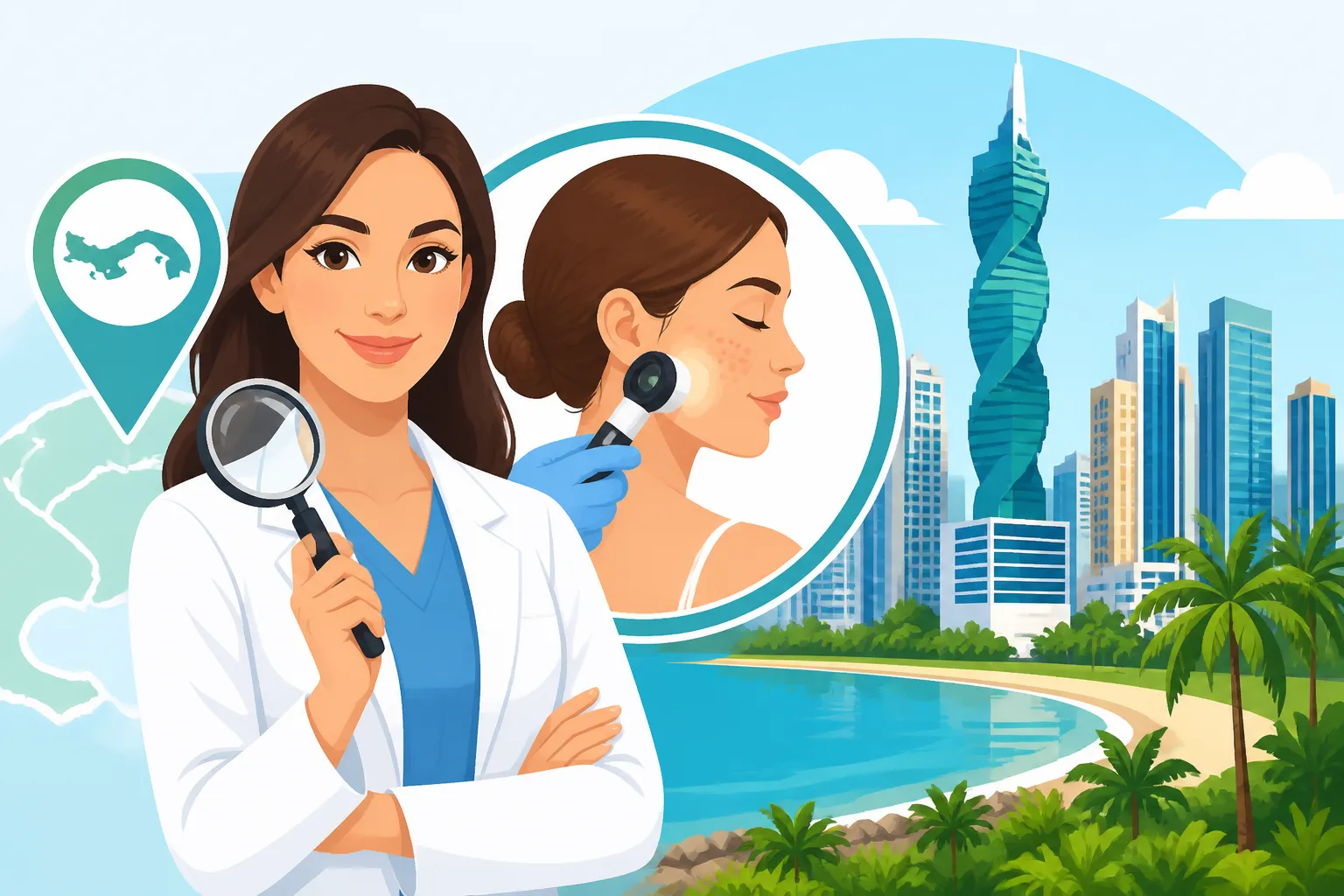
How Do I Find a Dermatologist in Panama City?
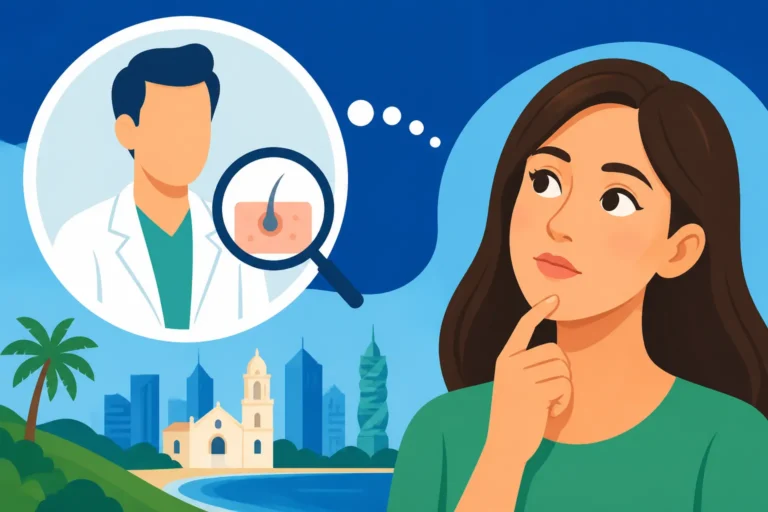
Moving to a new country like Panama, especially when you're faced with a health concern, can feel incredibly overwhelming. You’re trying to navigate a new culture, a different language, and a healthcare system that operates differently from what you’re used to. Suddenly needing to find a specialist, like a dermatologist, in a sprawling city like Panama City, often feels like a daunting task, and believe me, you're not alone in that frustration. This guide is here to cut through the confusion and give you a clear roadmap to finding excellent dermatological care in Panama's bustling capital.
Initial Steps to Finding a Dermatologist in Panama City
When you first realize you need to see a dermatologist, your immediate thought might be to just Google it. While that’s a starting point, it's rarely the most effective method here in Panama. The best way to begin your search, and truly unlock the local healthcare landscape, is often through word-of-mouth and leveraging expat networks. You'll find that personal recommendations carry a lot of weight and can save you a ton of guesswork and potential headaches.
Asking for Recommendations
One of the most valuable resources you have as an expat in Panama City is the expat community itself. There are numerous active Facebook groups for expats living in Panama, and these are goldmines for recommendations. Post a query asking for dermatologist suggestions, and you'll often be met with a flood of helpful advice, including specific doctor names, clinic locations, and even tips on who speaks English. People are usually eager to share their positive experiences and warn you about potential pitfalls. You might ask something like, "Does anyone have a trusted English-speaking dermatologist in Panama City they can recommend? I'm looking for someone for [specific issue]." The responses can be incredibly detailed, giving you not just a name, but also a sense of the doctor's bedside manner and efficiency.
Beyond online groups, if you've already made some local friends, colleagues, or fellow expats, don't hesitate to ask them directly. Panamanians are generally very warm and helpful, and they often have personal connections or know of family doctors who can refer you to a good specialist. Sometimes, even the staff at your general practitioner's office, if you've already found one, can offer excellent internal referrals within the private system. This method taps into the informal but highly effective network that runs much of daily life here.
Online Resources and Directories
While word-of-mouth is king, online resources certainly have their place, especially once you have a few names to investigate. Websites like Doctoralia Panama are excellent local directories where you can search for specialists by area and medical field. Many doctors have profiles detailing their education, specialties, clinic locations, and sometimes even patient reviews. You can often filter by language spoken, which is a huge plus for expats who are still working on their Spanish. This can be particularly useful if you need to find an English-speaking doctor in Panama.
Another practical approach is to look at the websites of the major private hospitals in Panama City. Institutions like Hospital Punta Pacifica, Hospital Nacional, or Centro Médico Paitilla often have directories of their affiliated doctors, including dermatologists, along with their specializations and contact information. These sites are generally more professional and easier to navigate than individual clinic pages. Using a combination of personal recommendations and verifying details through these online platforms gives you the best of both worlds, ensuring you find a reputable and accessible dermatologist.
Public vs. Private Dermatology: What to Expect
Panama operates a dual healthcare system, meaning you have both public and private options. For a specialist like a dermatologist, understanding the differences is absolutely crucial, as your experience will vary wildly depending on which route you choose. Most expats, for reasons we'll delve into, tend to lean towards the private sector for specialist care, even if they contribute to the public system. It’s important to understand How Panama's Health System Works: CSS and Private Care Explained (2026) to make an informed decision.
Public Healthcare (CSS) Options
Panama's public healthcare system is managed by the Caja de Seguro Social (CSS). If you are formally employed in Panama, you and your employer contribute to the CSS, giving you access to its network of hospitals and clinics. While the CSS provides comprehensive coverage, getting to a dermatologist through this system can be a test of patience and endurance. The typical process involves first seeing a general practitioner at a CSS clinic, who then refers you to a specialist. This referral process can be notoriously slow, with wait times for specialist appointments often stretching into months, sometimes even longer for non-urgent conditions.
The facilities within the CSS system can also be quite basic compared to private hospitals. Equipment might be older, and while the doctors are often highly qualified, they are usually overworked, leading to shorter consultation times. Communication can also be a significant hurdle, as English-speaking staff are far less common in the public sector. If you have a pressing dermatological issue, or if you simply prefer a quicker, more comfortable experience, the public system might not be your first choice. For many expats, while public healthcare is a safety net, they often choose to supplement it with private options, especially for specialist needs.
Private Clinic Advantages and Disadvantages
The private healthcare system in Panama City, on the other hand, offers a distinctly different experience. This is where most expats, particularly those without a local employer-provided plan, find their specialist care. Private hospitals and clinics like Hospital Punta Pacifica, Hospital Nacional, and Centro Médico Paitilla are modern, well-equipped, and often boast amenities comparable to top-tier facilities in North America or Europe. The most significant advantage is direct access: you can typically call a private dermatologist's office and schedule an appointment directly, often within a few days or weeks, bypassing the need for a general practitioner's referral.
The quality of care in the private sector is generally very high, with many doctors having trained internationally and a higher likelihood of finding English-speaking professionals. The downside, of course, is the cost. Private consultations, procedures, and medications are paid for out-of-pocket or through private health insurance. If you don't have local private insurance, or an international plan that covers Panama, these costs can add up quickly. This is where understanding out-of-pocket healthcare costs and co-pays in Panama becomes very important. Even if you're just visiting or in the early stages of setting up residency, having some form of travel insurance, such as SafetyWing, can be a crucial backup for unexpected health issues, though it typically won't cover routine specialist visits. For more comprehensive coverage, many expats choose to secure private health insurance in Panama.
Here's a quick comparison of the two systems for dermatology:
| Feature | Public Healthcare (CSS) | Private Healthcare |
|---|---|---|
| Access | Requires GP referral, long wait times | Direct booking, shorter wait times |
| Cost | Covered by contributions (minimal out-of-pocket) | Paid out-of-pocket or via private/international insurance |
| Facilities | Basic, potentially older equipment | Modern, well-equipped, comfortable |
| Language | Primarily Spanish | Higher chance of English-speaking doctors |
| Appointments | Often crowded clinics, less personal | More personal, dedicated appointment slots |
| Procedures | May have limitations on advanced or cosmetic procedures | Wider range of diagnostic tools and cosmetic options available |
Key Hospitals and Clinics with Dermatology Services
Panama City is home to several excellent private hospitals and specialized clinics where you can find dermatological care. These facilities are generally where expats will have the most positive and efficient experience, particularly if you're seeking modern treatments or specialized procedures. Knowing which ones to focus on can streamline your search significantly.
Top Private Hospitals
When it comes to comprehensive medical care, including dermatology, Panama City's top private hospitals are often the first choice for expats. These institutions offer a full spectrum of services under one roof, from general consultations to advanced diagnostic testing and minor surgical procedures performed by dermatologists.
- Hospital Punta Pacifica: Located in the upscale Punta Pacifica neighborhood, this hospital is affiliated with Johns Hopkins Medicine International. It's renowned for its state-of-the-art facilities, modern technology, and high standards of care. They have a dedicated team of dermatologists and often serve a significant international clientele, making it more likely to find English-speaking staff and doctors. Their dermatology department is well-equipped for a range of skin conditions, including skin cancer screenings, acne treatments, and cosmetic dermatology. You can typically find a list of their specialists on their website, complete with contact details.
- Hospital Nacional: Situated in the Bella Vista area, Hospital Nacional is another leading private hospital known for its excellent medical services and experienced specialists. They offer a comprehensive dermatology department capable of handling various skin, hair, and nail conditions. The hospital has a strong reputation within the local and expat communities for providing quality care. Like Punta Pacifica, it's worth checking their online directory for dermatologists and their specific areas of expertise.
- Centro Médico Paitilla: Also located in the Paitilla neighborhood, this hospital is one of the oldest and most respected private medical centers in Panama. It has a long-standing history of serving the community and offers a wide range of medical specialties, including dermatology. While perhaps not as overtly "international" as Punta Pacifica, it maintains high standards and houses many excellent dermatologists. Their website will also have a directory, and staff often have some English proficiency, especially in patient services.
When considering these hospitals, remember that while the general standard is high, individual doctor experiences can vary. It’s always a good idea to cross-reference any doctor's name you find with online reviews or expat recommendations. Learning how to use major hospitals like Punta Pacifica and Hospital Nacional effectively can save you time and stress.
Standalone Dermatology Clinics
Beyond the large hospitals, Panama City also has several excellent standalone clinics that specialize exclusively in dermatology. These clinics often provide a more focused and sometimes more intimate setting for dermatological care. Many of them are equipped with advanced laser technology and offer a wider array of cosmetic dermatology services in addition to general medical dermatology.
For example, you might find clinics dedicated to aesthetic dermatology, offering treatments for anti-aging, pigmentation issues, and scarring, alongside medical consultations for conditions like eczema, psoriasis, or suspicious moles. These specialized clinics are often run by highly qualified dermatologists who have invested specifically in top-of-the-line equipment for their niche. Searching for "clínica de dermatología" in Panama City on Google Maps or in expat groups can yield several options. When looking at these clinics, always verify the credentials of the dermatologists practicing there and ensure they offer the specific services you require. Sometimes, these clinics might offer slightly more competitive pricing for certain procedures compared to the larger hospitals, but that's not always the case, so it's always wise to inquire about costs upfront.
Navigating Appointments, Costs, and Follow-ups
So, you've got a name or two, maybe even a clinic in mind. Now comes the practical part: actually getting an appointment, understanding what you'll pay, and ensuring you get the care you need, including any necessary medications. This stage can still present a few hurdles, but with a bit of preparation, you can navigate it smoothly.
Booking Your First Appointment
Booking an appointment in Panama City, especially with a private specialist, is generally straightforward but might differ from what you're used to. The most common methods are calling the clinic directly or using WhatsApp. Many clinics and even individual doctors use WhatsApp for scheduling, confirming appointments, and sending reminders. This can be incredibly convenient, especially if your Spanish isn't fluent, as you can use translation apps to communicate in writing. Some larger hospitals or clinics might also offer online booking portals, which are often available in English, providing another layer of convenience.
When you call or message, be prepared to provide your full name, contact number, and a brief reason for your visit. It’s always a good idea to confirm if the doctor speaks English if that's a requirement for you. Most clinics will also ask for your cédula (Panamanian ID) or passport number for their records. They will then give you an appointment date and time. It’s customary to arrive about 15-20 minutes early for your first appointment to fill out any necessary paperwork, so factor that into your travel time. Panama City traffic can be notorious, so plan accordingly!
Understanding Costs and Insurance
This is often the part that gives expats the most pause. Private dermatological consultations in Panama City typically range from $50 to $100 USD for a general visit, sometimes more if it’s a highly specialized dermatologist or involves a minor procedure during the same visit. Procedures like mole removals, biopsies, or laser treatments will incur additional charges, sometimes significantly so. Always ask about the cost of the consultation when booking the appointment, and if you anticipate needing a specific procedure, inquire about its estimated cost beforehand. Don't be shy about asking for an itemized breakdown.
If you have private health insurance in Panama, you’ll need to understand how it works. Some plans require you to pay upfront and then claim reimbursement, while others may have direct billing arrangements with specific clinics or hospitals. It’s crucial to know your policy's specifics, including deductibles, co-pays, and what services are covered. Keep all receipts and medical reports meticulously, as you will need them for any insurance claims. If you're covered by a robust international plan or local private insurance, you might find that much of your care, especially for medical necessities, is well-supported. For new arrivals or those on shorter stays, basic travel insurance like SafetyWing can cover emergencies, but regular specialist visits are usually out of scope, so always check your policy details. For a deeper dive, read about How to Choose Private Health Insurance in Panama (2026).
Follow-up and Prescription Management
After your initial consultation, the dermatologist might prescribe medication, recommend follow-up appointments, or suggest further tests. The good news is that Panama's pharmacy system is generally excellent and well-stocked. You'll find many major pharmacy chains, like Farmacias Arrocha and Farmacias Metro, across Panama City. Many medications that might require a prescription in other countries are available over-the-counter here, though for stronger dermatological treatments, a doctor's prescription will be necessary. Understanding the pharmacy system and buying medicines in Panama is key.
For follow-up appointments, the process is usually the same as booking your first one. The dermatologist will advise you on the frequency based on your condition. If you need repeat prescriptions, many doctors can issue these via WhatsApp or a quick email, though some might require a brief follow-up visit. Always ensure you understand the dosage, frequency, and any specific instructions for your medications. Don't hesitate to ask your dermatologist or the pharmacist if anything is unclear, as clear communication is vital for effective treatment. Sometimes, the initial visit might be just for diagnosis, and subsequent visits are for procedures, so make sure you confirm if additional costs apply.
Conclusion: Finding Your Dermatologist in Panama City
Finding a dermatologist in Panama City doesn't have to be a bewildering experience. By leveraging the power of expat communities, utilizing online directories, and understanding the differences between public and private healthcare, you can effectively navigate the system. While the public system (CSS) is available, most expats find the private sector, with its modern facilities and more immediate access, to be the most practical choice for specialist care.
Hospitals like Punta Pacifica, Hospital Nacional, and Centro Médico Paitilla, along with specialized dermatology clinics, offer excellent options. Remember to inquire about costs upfront, understand your insurance coverage (and consider travel insurance like SafetyWing for initial coverage or emergencies), and communicate clearly regarding appointments and prescriptions. With these tips, you'll be well on your way to receiving the dermatological care you need, allowing you to focus on enjoying your life in beautiful Panama.
Disclaimer
Please remember that the information provided in this guide is for general informational purposes only and does not constitute medical, legal, or financial advice. Healthcare systems and regulations can change, and individual circumstances vary greatly. Always consult with qualified medical professionals, legal advisors, or insurance experts for advice tailored to your specific situation. We strive to keep our information accurate and up-to-date, but we cannot guarantee its absolute correctness or applicability to every individual case.