How to Get Physiotherapy and Rehabilitation in Panama
One of the trickiest parts of setting up a new life abroad is figuring out how to handle your health when things don't go as planned. You might be settling into the Panamanian pace of life, enjoying the tropical weather, when suddenly an old injury flares up, or you twist an ankle on a cobblestone street in Casco Viejo. The immediate thought is often, "Where do I even begin to get help for this here?" It's a valid concern, as navigating a new healthcare system, especially for something as specific as physiotherapy and rehabilitation, can feel like trying to solve a Rubik's Cube blindfolded. This comprehensive guide is here to unravel that mystery, providing you with the insights and practical steps you need to access quality physiotherapy and rehabilitation services across Panama, whether you're dealing with a sudden accident or a chronic condition.
Understanding Physiotherapy and Rehabilitation in Panama
When you're dealing with pain, limited mobility, or recovering from an injury or surgery, physiotherapy and rehabilitation become absolutely crucial. In Panama, these services are widely available, ranging from state-of-the-art private clinics in Panama City to smaller, community-focused centers in more rural areas. The goal is the same everywhere: to restore your function, reduce pain, and get you back to enjoying your life in this beautiful country. It's not just about addressing the immediate issue; it's about long-term well-being and preventing future problems. Many expats often underestimate the quality and breadth of services available here, especially in the private sector, which can rival those found in North America or Europe.
What to Expect from Panamanian Physiotherapy
Generally, when you walk into a physiotherapy clinic in Panama, especially a private one, you can expect a professional and often personalized approach. The initial consultation will typically involve a detailed assessment of your condition, your medical history, and your daily activities. Don't be shy about explaining everything, even if you feel it's minor; every detail helps the therapist understand the full picture. They might ask you to perform certain movements, test your strength, or assess your posture. This thorough examination is essential for them to develop a tailored treatment plan specifically for you.
Treatment sessions usually involve a combination of techniques. This could include manual therapy, where the physiotherapist uses hands-on methods to mobilize joints or release muscle tension, therapeutic exercises designed to strengthen specific muscles or improve flexibility, and modalities like ultrasound, electrical stimulation, or heat/cold therapy. Many clinics also incorporate modern equipment and progressive rehabilitation strategies. The key is active participation; your physiotherapist will often give you exercises to do at home, and following through on these is vital for a successful recovery. It's a partnership, and your commitment to the process truly makes a difference.
Common Conditions Treated
Panamanian physiotherapists are well-equipped to handle a wide array of conditions, much like their counterparts in other developed nations. You'll find specialists who focus on specific areas, but most clinics offer comprehensive services. Musculoskeletal issues are probably the most common, including back pain, neck pain, shoulder injuries, knee problems, and sports-related injuries. If you've been working too much from a makeshift desk at home or perhaps overdid it hiking in El Valle, these are the folks to see.
Beyond aches and pains, rehabilitation centers also play a critical role in post-operative care, helping patients regain strength and mobility after surgeries like knee replacements, hip surgeries, or even reconstructive procedures. Neurological conditions such as stroke recovery, Parkinson's disease, or multiple sclerosis also benefit greatly from tailored physiotherapy programs. Furthermore, you'll find specialized services for women's health (e.g., pelvic floor dysfunction), pediatric physiotherapy for children with developmental delays, and even vestibular rehabilitation for balance disorders. It's a broad field, and the professionals here are dedicated to helping you get back on your feet, quite literally.
Navigating the Public vs. Private System
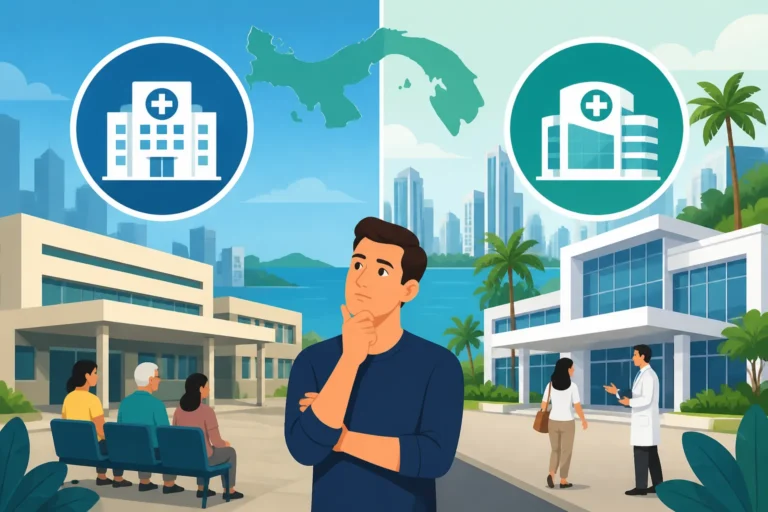
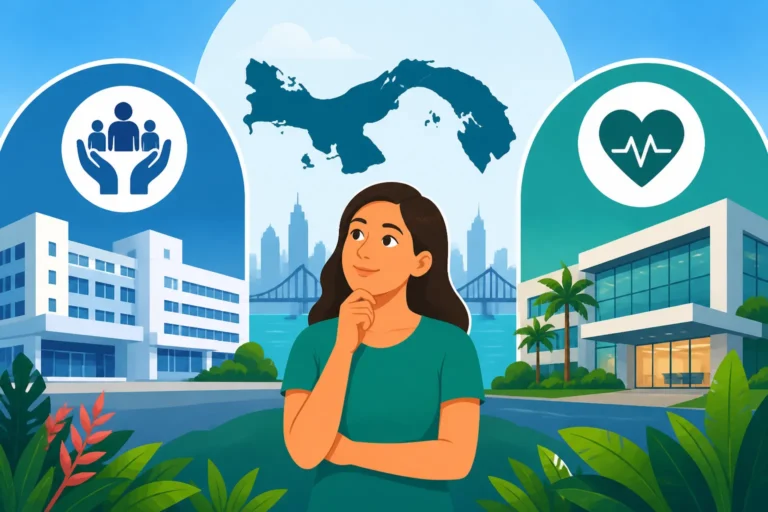
One of the biggest eye-openers for expats in Panama is the stark contrast between the public and private healthcare systems. While both offer physiotherapy and rehabilitation services, the experience, wait times, and accessibility can be vastly different. Understanding these distinctions is crucial, especially when you're feeling vulnerable and in need of quick, efficient care. It's not about one being inherently "better," but about what best suits your immediate needs, your insurance coverage, and your personal preferences. For a more general overview, you can always check out a guide on Public vs Private Healthcare in Panama: What Expats Need to Know.
Public System (CSS) for Physiotherapy
The public healthcare system in Panama is managed primarily by the Caja de Seguro Social (CSS). If you're employed in Panama and contributing to the CSS, or if you're a legal resident eligible for public healthcare, you can access physiotherapy through their facilities. The good news is that these services are generally very affordable, often covered by your contributions. However, this is where the "Panamanian patience" often comes into play.
Accessing physiotherapy through the CSS usually requires a referral from a CSS doctor. This process can involve longer wait times for appointments, both to see the initial doctor and then for the physiotherapy sessions themselves. Clinics can be crowded, and while the physiotherapists are qualified, the equipment might not always be the newest, and the facilities can feel basic compared to private options. For routine, non-urgent issues, it can be a viable and cost-effective option, but if you're in acute pain or need rapid intervention, the public system might test your patience. Many expats report that while the care is adequate, the bureaucracy and delays can be frustrating, especially if you're used to more immediate service.
Private Clinics and Hospitals
For most expats seeking physiotherapy, the private sector is usually the preferred route due to its efficiency, modern facilities, and often, English-speaking staff. Panama City, in particular, boasts numerous excellent private clinics and hospitals with dedicated rehabilitation departments. Hospitals like Hospital Punta Pacifica, Hospital Nacional, and Centro Médico Paitilla all have robust physiotherapy services, equipped with modern technology and staffed by highly trained professionals. You don't necessarily need a doctor's referral to book an initial appointment at a private clinic, though it's always a good idea to consult a doctor first to get a proper diagnosis, and some insurance plans may require it.
The advantages of the private system are clear: shorter wait times, state-of-the-art equipment, more personalized attention due to lower patient-to-therapist ratios, and a more comfortable, often luxurious environment. Many clinics understand the expat community's needs and have staff who are fluent in English, which can alleviate a lot of stress when you're trying to describe complex medical symptoms. While the costs are higher, the speed and quality of care often make it a worthwhile investment, especially if you have private health insurance in Panama. For more on navigating this, read our article, How Panama's Health System Works: CSS and Private Care Explained (2027).
Finding a Qualified Physiotherapist or Rehabilitation Center
The hunt for a good physiotherapist is personal, much like finding a good hairdresser or mechanic. You want someone knowledgeable, empathetic, and effective. The good news is that Panama has many excellent professionals. The challenge lies in finding the right one for you, especially when you're new to the country and don't have a network of recommendations. Don't just settle for the first name you see; a little due diligence goes a long way in your recovery journey.
Online Resources and Expat Networks
One of the best starting points for expats is tapping into the collective wisdom of other foreigners. Panama's expat community is vibrant and often very willing to share recommendations. Facebook groups like "Expats in Panama City" or "Chiriquí Expats" (if you're in the highlands) are treasure troves of information. Post your query, and you'll often receive multiple suggestions, complete with personal experiences and contact details. This word-of-mouth approach is invaluable because it provides real, lived reviews from people who understand your perspective.
Beyond social media, professional directories and online search engines are also helpful. A quick search for "fisioterapia Panama City" or "rehabilitación Boquete" will bring up clinics. Look for websites that clearly list their services, staff qualifications, and, ideally, client testimonials. Some clinics even have online booking systems. While these are great starting points, remember that online reviews can sometimes be scarce, so combining this with personal recommendations is often the most effective strategy.
Doctor Referrals and Hospital Departments
While you might not always need a referral for private physiotherapy, getting one from a trusted general practitioner or specialist is often the most reliable way to find a good therapist. Doctors in Panama, especially those who frequently treat expats, often have established networks of highly recommended physiotherapists. They can guide you to specialists who excel in treating your specific condition, whether it's a sports injury, post-surgical recovery, or chronic pain. If you've just moved here, finding an English-speaking doctor in Panama is a great first step to building your healthcare team.
If you've had surgery or an injury requiring hospitalisation, the hospital itself will often have an in-house physiotherapy department. For example, major private hospitals like Hospital Paitilla or Hospital Nacional have comprehensive rehabilitation services. This can be particularly convenient for continuity of care, as your physiotherapist can easily consult with your surgeon or attending physician. Don't hesitate to ask your doctor for their specific recommendations; they know the local landscape best.
Key Questions to Ask
Once you've shortlisted a few clinics or therapists, it's perfectly acceptable, and frankly, smart, to ask some probing questions before committing to treatment. This is your health, after all. Consider scheduling a brief introductory call or visit. Here are some questions you might want to ask:
- What are your qualifications and specializations? (Look for licensed physiotherapists, sometimes referred to as 'fisioterapeutas,' with experience in your specific condition.)
- Do you have experience treating expats or English-speaking patients? (This is crucial for clear communication.)
- What does a typical session involve, and how long does it last?
- What are your fees, and do you offer package deals?
- Do you work with insurance companies, and if so, which ones? (This is where you'd ask about how they handle private or international insurance plans like SafetyWing.)
- What is your philosophy on rehabilitation? (Some therapists focus more on manual therapy, others on exercise, etc.)
- What are your cancellation policies?
A good clinic will be transparent and happy to answer all your questions, making you feel comfortable and confident in their care.
Costs, Insurance, and Payment Options
Let's talk about the elephant in the room: money. Healthcare costs, especially for ongoing treatments like physiotherapy, can add up. Understanding the financial aspect upfront is key to avoiding unpleasant surprises and ensuring you can complete your rehabilitation without undue stress. The good news is that, compared to many Western countries, the cost of physiotherapy in Panama is generally more affordable, particularly in the private sector.
Typical Costs for Sessions
The cost of a physiotherapy session in Panama can vary significantly based on the clinic's location, its reputation, the therapist's experience, and the specific treatments involved. In Panama City, a single private physiotherapy session might range from $30 to $70 USD. Outside the capital, in places like David or Coronado, you might find slightly lower prices, perhaps starting from $25-$50 per session. An initial assessment, which is usually longer and more detailed, might be slightly more expensive, but often falls within a similar range.
Many clinics offer package deals for multiple sessions, which can significantly reduce the per-session cost. For instance, buying a package of 5 or 10 sessions upfront might give you a discount of 10-20%. It's always worth asking about these options, especially if your doctor or physiotherapist anticipates a longer course of treatment. Remember to factor in any additional costs for specialized treatments or equipment that might be recommended.
Using Private Health Insurance
Having a good private health insurance plan is an absolute game-changer for expats in Panama, especially when it comes to ongoing treatments like physiotherapy. While public CSS coverage can be slow, private insurance streamlines the process and covers a significant portion, if not all, of the costs. This is where options like SafetyWing can really shine. Many international health insurance providers, including SafetyWing, offer plans that cover physiotherapy and rehabilitation, provided it's deemed medically necessary and often requires a doctor's referral.
Before starting treatment, it's crucial to confirm with your insurance provider what your policy covers. Understand your deductibles, co-pays, and any limits on the number of sessions or total annual coverage. Some plans might require pre-authorization for rehabilitation services. Most private clinics in Panama are accustomed to working with international insurance companies and can help you with the necessary paperwork for claims. Always keep detailed records, receipts, and any referrals from your doctor to facilitate the reimbursement process. Knowing how to claim reimbursement from private insurance in Panama will save you a lot of headaches.
Out-of-Pocket Payments and Packages
Even with insurance, you might find yourself paying some costs out-of-pocket, whether it's a co-pay, a deductible, or for services not fully covered by your plan. For those without private insurance, or for minor issues, paying directly is the most straightforward option. Panamanian clinics typically accept cash (USD is the official currency alongside the Panamanian Balboa), and most will also accept major credit and debit cards.
As mentioned earlier, asking about package deals is a smart move if you're paying directly. A 10-session package that saves you 15% can add up to substantial savings over your course of treatment. Don't be shy about discussing payment options with the clinic's administrative staff. They often have solutions or advice that can make the financial burden more manageable, allowing you to focus on your recovery. For a broader understanding of potential expenses, check out Understanding Out-of-Pocket Healthcare Costs and Co-Pays in Panama.
Here's a quick comparison of public vs. private physiotherapy access:
| Feature | Public System (CSS) | Private Clinics/Hospitals |
|---|---|---|
| Cost | Very low, covered by CSS contributions | Moderate to high, depending on clinic/specialization |
| Accessibility | Requires referral, long wait times for appointments | Easier access, often no referral needed for initial visit |
| Facilities | Basic, older equipment possible, crowded | Modern, state-of-the-art equipment, comfortable |
| Staff | Qualified, but may have language barrier issues | Highly qualified, often English-speaking staff |
| Efficiency | Slower, bureaucratic processes | Faster appointments, streamlined administrative processes |
| Insurance | Covered by CSS contributions | Accepts private/international insurance (e.g., SafetyWing) |
| Personalization | Less individual attention due to high patient load | More personalized care and attention |
Tips for a Smooth Rehabilitation Journey
Living in Panama is all about adapting, and your health journey is no different. A little preparation and a proactive attitude can make a huge difference in your physiotherapy and rehabilitation experience, turning potential frustrations into a smoother path to recovery. From communication strategies to long-term planning, these tips are designed to empower you as you navigate the Panamanian healthcare system. If you want a full roadmap, take a look at Navigating the Panamanian Healthcare System: An Expat's Roadmap (2027).
Language and Communication Strategies
While many private clinics in Panama City will have English-speaking staff, especially in departments catering to expats, it's not a given everywhere. If you're venturing outside the main expat hubs or utilizing the public system, you'll likely encounter Spanish-only speakers. Don't let this deter you, but be prepared. Even if you have basic Spanish, describing pain, specific movements, or complex medical history can be challenging.
Here are some strategies:
- Learn key medical terms: Simple phrases related to pain ("dolor"), location ("espalda" – back, "rodilla" – knee), and intensity can be incredibly helpful.
- Use translation apps: Google Translate or similar apps can bridge the gap for quick phrases, though they aren't perfect for nuanced medical discussions.
- Bring a Spanish-speaking friend: If you have a trusted friend who is fluent, ask them to accompany you to appointments.
- Write down your symptoms: Before your appointment, jot down your symptoms, questions, and medical history in English, and then try to translate them or have someone help you. This organized approach ensures you don't forget anything important and gives the therapist a clear picture.
- Don't be afraid to ask for clarification: If you don't understand an instruction, ask the therapist to repeat it, demonstrate it, or draw a picture. Clear communication is paramount for effective treatment.
Follow-Up Care and Long-Term Planning
Rehabilitation isn't always a quick fix; it's often a process that requires sustained effort and long-term planning. Your physiotherapist will likely provide you with exercises to continue at home, even after your regular sessions end. Sticking to these home programs is crucial for maintaining your progress and preventing recurrence of the injury or condition. Think of it as homework for your body.
Consider what your long-term goals are. Are you aiming to get back to running, playing golf, or simply enjoying pain-free walks? Discuss these aspirations with your therapist, so they can tailor your plan accordingly. They might also recommend lifestyle adjustments, ergonomic improvements for your workspace, or ongoing maintenance exercises. Sometimes, particularly for chronic conditions, periodic "check-up" sessions with your physiotherapist can be beneficial to ensure you're still on track and address any new issues before they become major problems. Remember, your body is your temple, and investing in its long-term health is one of the best decisions you can make as an expat.
Disclaimer
The information provided in this guide is intended for general informational purposes only and does not constitute medical advice. While we strive to offer accurate and up-to-date information, individual medical situations vary, and it is essential to consult with a qualified healthcare professional in Panama for any health concerns or before making any decisions related to your health or treatment. Healthcare policies, costs, and availability of services can change, so always verify current information with providers and insurance companies.