How Panama’s Health System Works: CSS and Private Care Explained (2027)
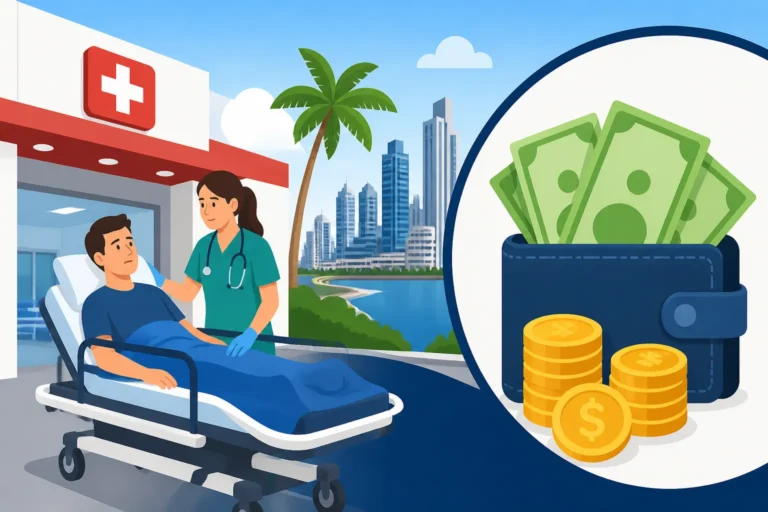
Navigating the healthcare system in a new country can feel like trying to solve a Rubik's Cube blindfolded, especially when you're trying to figure out if you'll be treated like a local or an outsider. For many of us expats in Panama, the initial confusion between the public Caja de Seguro Social (CSS) and the myriad of private options can be overwhelming. This comprehensive guide is here to untangle the complexities, walk you through both systems, and help you understand how healthcare truly works here, from your first check-up to an unexpected emergency.
Understanding the Dual Healthcare System in Panama
When you first arrive in Panama, one of the biggest questions on your mind, right after "where can I find a good ceviche?", is usually about healthcare. It's a fundamental aspect of settling in, and honestly, it’s not always straightforward. Panama operates on a dual healthcare system: a public sector primarily managed by the Caja de Seguro Social (CSS) and a robust private sector. This isn't just a slight difference; it's practically two different worlds operating side-by-side, each with its own quirks, benefits, and challenges that every expat needs to grasp.
The Public System: Caja de Seguro Social (CSS)
The CSS, or Caja de Seguro Social, is Panama's public social security fund, providing healthcare services to contributing members and their dependents. Think of it as Panama's national health service, funded by employee, employer, and government contributions. If you're working legally in Panama, whether for a local company or your own registered business, you'll be contributing to the CSS, and thus, you'll have access to its services. It covers everything from general practitioner visits and specialist consultations to hospital stays, surgeries, and prescription medications. The idea behind it is universal coverage, ensuring that every working Panamanian has a safety net for their health needs.
However, "universal" doesn't always mean "easy" or "fast," especially in a developing nation. CSS facilities range from small clinics (policentros) in local communities to large, specialized hospitals in major cities like Panama City. While the infrastructure varies, the system aims to provide essential care across the board. For many Panamanian citizens, the CSS is their primary, and often only, source of medical care. Understanding how to register with the CSS (Caja de Seguro Social) in Panama is crucial if you're employed here, as it dictates your access to these public services.
The Private Healthcare Sector
In stark contrast to the CSS, Panama also boasts a significant private healthcare sector, particularly concentrated in urban centers like Panama City and David. This is where you'll find modern hospitals, state-of-the-art diagnostic centers, and a wide array of specialist clinics. These facilities are often modeled after Western standards, with many doctors having received training in the United States or Europe. The private sector is driven by private payments, either directly out-of-pocket or through private health insurance, and it offers a level of comfort, convenience, and often speed that the public system struggles to match.
Major private hospitals such as Hospital Punta Pacifica, Hospital Nacional, and Centro Médico Paitilla in Panama City are well-known among expats. These institutions offer a comprehensive range of services, from routine check-ups to complex surgical procedures, and frequently have English-speaking staff or access to translators. The difference is palpable: shorter wait times, private rooms, more personalized attention, and often, more advanced equipment. For many expats, especially those used to private healthcare in their home countries, this sector becomes their go-to for most medical needs.
The Expat's Initial Dilemma: Public vs. Private
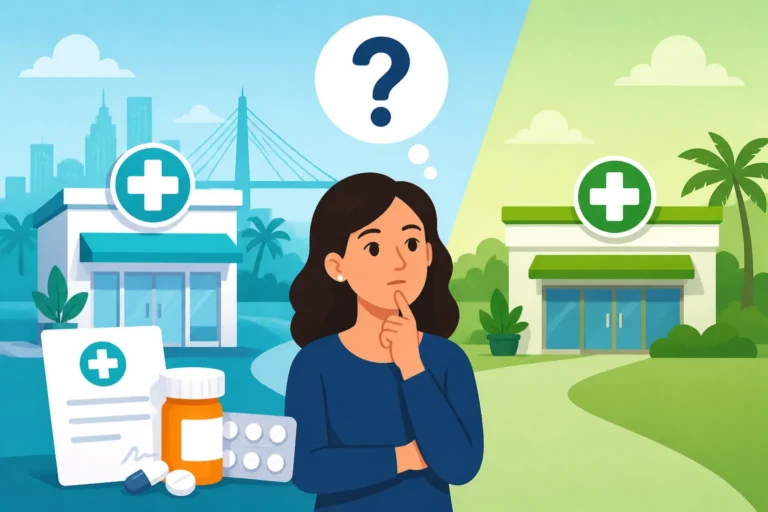
So, here's where the expat dilemma really kicks in: which system do you choose, or can you use both? The truth is, most expats end up utilizing a combination, leaning heavily on the private sector for convenience and quality, but often having some exposure to the CSS through employment. If you're working for a Panamanian company, contributing to the CSS is mandatory, so you'll have access whether you choose to use it or not.
The challenge lies in managing expectations and understanding what each system offers. Many expats, particularly those without a local employer or those who are retired, opt for private insurance exclusively because they prioritize accessibility and avoid the bureaucratic hurdles and longer wait times often associated with the public system. It's a critical decision that impacts not just your health, but your peace of mind while living here. Deciding between public vs private healthcare in Panama: What Expats Need to Know is one of the first big choices you’ll make.
Diving Deep into the Public Healthcare System (CSS)
Let’s talk about the Caja de Seguro Social, or CSS. If you're an expat working legally in Panama, chances are you'll be contributing to this system. It's the public safety net, designed to ensure everyone who contributes has access to medical care. But how it works in practice, especially for foreigners, can be a bit of a labyrinth.
Who is Covered by CSS and How it Works
The CSS primarily covers employees and their dependents who make mandatory contributions through their payroll. If you are formally employed by a Panamanian company, your employer is legally obligated to register you with the CSS and deduct contributions from your salary. Self-employed individuals and those who don't have a formal employer can also voluntarily register and contribute to gain coverage, but this process can be a bit more involved. Once registered and contributing, you, your spouse, and your minor children typically gain access to CSS services. Understanding health insurance contributions through the CSS in Panama is key to knowing what you're entitled to.
Accessing care usually involves visiting a policlínica (outpatient clinic) or centro de salud (health center) first for general consultations. If a specialist is needed, the general practitioner will issue a referral. This system, in theory, streamlines patient flow. However, in reality, appointments can be difficult to get, and wait times for specialist consultations or non-emergency procedures can extend for weeks or even months. This is where many expats often hit a wall; the ease of access they might be accustomed to in their home countries simply isn't the norm here.
Services and Facilities Offered by CSS
The range of services offered by the CSS is broad, covering primary care, specialist consultations, hospitalization, diagnostic tests, surgeries, and even dental care (though often limited) and some prescription medications. In Panama City, CSS hospitals like Hospital Complejo Hospitalario Dr. Arnulfo Arias Madrid are large and provide a wide spectrum of medical services. In smaller towns, you'll find more basic policlínicas that handle routine care, vaccinations, and minor emergencies.
It's important to remember that these facilities serve the vast majority of the Panamanian population. While the doctors are generally well-trained and dedicated, the sheer volume of patients often means resources are stretched. Equipment might not always be the newest, and facilities can sometimes feel crowded or utilitarian compared to private options. For example, getting an MRI or a specific specialized test might involve a significant wait at a CSS facility, whereas in the private sector, it could be scheduled within days.
The Realities and Challenges of CSS for Expats
For expats, relying solely on the CSS comes with a unique set of challenges. Firstly, the language barrier can be significant. While some medical professionals might speak basic English, the administrative staff and the overall environment are predominantly Spanish-speaking. This can lead to misunderstandings, especially when discussing complex medical issues or navigating paperwork.
Secondly, wait times are a recurring issue. From booking an initial appointment to getting a referral and then seeing a specialist, the process can be slow. If you’re used to same-day appointments or quick access to specialized care, the CSS system can be incredibly frustrating. Furthermore, the quality and consistency of care can vary widely between different CSS facilities. A policlínica in a remote area might offer a very different experience from a major CSS hospital in the capital.
Finally, while many medications are covered, there can be shortages of specific drugs, requiring you to purchase them out-of-pocket from private pharmacies. This is a common complaint and highlights the limitations of relying entirely on the public system. For this reason, many expats who contribute to the CSS still choose to complement it with private health insurance or pay for private consultations when they need quicker or more specialized care.
Navigating the Private Healthcare Landscape in Panama
Stepping into Panama’s private healthcare sector often feels like a breath of fresh air after grappling with the CSS. This is where many expats find their comfort zone, offering services and facilities that more closely align with Western standards. However, it's a world that operates on different rules – primarily, you pay for what you get, either directly or through insurance.
Key Private Hospitals and Clinics
Panama City is home to several top-tier private hospitals that are internationally accredited and equipped with modern technology. These include:
- Hospital Punta Pacifica: Affiliated with Johns Hopkins Medicine International, it’s often considered the gold standard for private care in Panama. It boasts state-of-the-art facilities, a wide range of specialties, and many English-speaking doctors.
- Hospital Nacional: Another highly regarded institution, offering comprehensive medical and surgical services with modern amenities.
- Centro Médico Paitilla: A well-established hospital known for its strong specialist network and long-standing reputation.
Beyond Panama City, you’ll find excellent private hospitals in other major hubs like David in Chiriquí, such as Hospital Chiriquí and Hospital Mae Lewis. These hospitals are typically clean, efficient, and offer much shorter wait times compared to the public system. They cater to a diverse clientele, including locals with private insurance, medical tourists, and, of course, a significant portion of the expat community. Knowing how to use major hospitals like Punta Pacifica and Hospital Nacional will certainly make your healthcare journey smoother.
The Benefits and Drawbacks of Private Care
The benefits of private healthcare in Panama are immediately apparent:
- Reduced Wait Times: Appointments are generally easier to schedule, and you won't spend hours in waiting rooms for routine check-ups or specialist visits.
- Higher Standard of Facilities: Private hospitals and clinics usually feature modern equipment, comfortable waiting areas, and often private patient rooms.
- Access to Specialists: It's typically much faster to get a referral and see a specialist in the private system, with a broader selection of highly qualified doctors, many of whom are internationally trained.
- English-Speaking Staff: Many private facilities, especially in Panama City, have administrative staff and doctors who are fluent in English, which significantly eases communication.
- Personalized Service: The overall experience often feels more patient-centric, with more individual attention from medical staff.
However, there are undeniable drawbacks:
- Cost: Without private health insurance, the costs can quickly add up. A single specialist consultation might range from $40-$100, and hospital stays or surgeries can run into the thousands.
- Geographic Concentration: High-quality private facilities are primarily found in major urban areas. If you live in a more rural part of Panama, accessing convenient private care might mean a considerable commute.
- Insurance Navigation: While private insurance is a lifeline, navigating local policy terms and reimbursement processes can be complex.
Accessing Specialist Care in the Private System
One of the greatest advantages of the private system is the relatively easy access to specialist care. Unlike the CSS where a general practitioner (GP) referral is often a prerequisite, in the private sector, you can typically book an appointment directly with a specialist. If you're looking for an ophthalmologist, a cardiologist, or a dermatologist, you can often call their office directly, or go through an online booking platform.
Many private doctors have their own clinics or consult from dedicated medical towers attached to hospitals. This allows for efficiency and flexibility. Most doctors will have an assistant who handles scheduling, and while a referral from a GP isn't always mandatory, it can be helpful, especially if your insurance requires one for certain specialists or if your GP can recommend a specific expert based on your needs. For those needing specific expertise, understanding how specialist and hospital referrals work in Panama can simplify the process, even in the private sphere.
Health Insurance: Your Key to Seamless Care in Panama
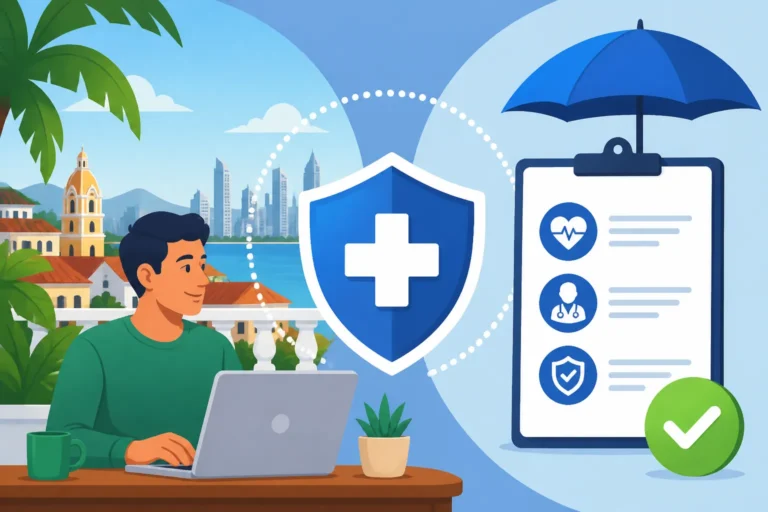
Let's be frank, relying solely on out-of-pocket payments for private healthcare in Panama, while certainly an option, can become incredibly expensive, especially if you face a serious medical issue. This is where health insurance steps in, acting as your financial shield and greatly enhancing your access to quality care. Choosing the right plan is paramount for expats.
Understanding Local Private Health Insurance
Panama offers a range of local private health insurance options. These plans are typically tailored to the Panamanian market and often come with more affordable premiums compared to international plans. Companies like Assa Compañía de Seguros and Mapfre Panamá are prominent local providers. They offer various tiers of coverage, often with different deductibles, co-pays, and networks of approved doctors and hospitals.
A key advantage of local plans is that they are generally well-integrated with the Panamanian private healthcare system. Many local doctors and clinics have direct billing arrangements with these insurers, simplifying the payment process. However, a potential drawback is that coverage might be limited to Panama, and if you travel frequently or anticipate needing care outside the country, a local plan might not provide sufficient protection. Additionally, some local plans might have stricter rules regarding pre-existing conditions or require a longer waiting period before certain benefits kick in. For a deeper dive, read How to Choose Private Health Insurance in Panama (2027).
International Health Insurance Options for Expats
For many expats, international health insurance offers a more comprehensive and flexible solution. These plans provide coverage not just in Panama, but often worldwide, which is a huge peace of mind if you travel back home regularly or to other countries in the region. Providers like Cigna Global, Aetna International, and Allianz Care are popular choices among the expat community.
International plans tend to be more expensive than local plans, but they often come with higher coverage limits, more extensive networks, and benefits like evacuation and repatriation. They are designed for individuals living abroad and typically offer robust support services, including multilingual assistance and easy access to global medical networks. The main thing to consider here is the balance between premium costs and the breadth of coverage you need, especially if you have specific health concerns or a desire for global mobility. Delving into Understanding Private Health Insurance Plans in Panama will give you a better grasp of your options.
The Role of Travel Insurance (mention SafetyWing here)
While not a substitute for comprehensive long-term health insurance, travel insurance plays a crucial, albeit temporary, role for many newcomers or those on short-term stays. Imagine you’ve just landed in Panama, you’re still figuring out your residency, and a local health insurance plan hasn’t been finalized. What if you get sick or have an accident? This is where travel insurance like SafetyWing becomes incredibly valuable.
SafetyWing offers travel medical insurance that can cover unforeseen illnesses or injuries while you're abroad. It's particularly popular with digital nomads and new expats because it’s flexible, affordable, and can be purchased even after you’ve left your home country. It’s not meant to replace full-blown private health insurance for long-term residency, but it serves as an excellent bridge. For example, if you arrive and need emergency care before your long-term plan is active, SafetyWing can cover those unexpected hospital visits or medical treatments. It’s the kind of protection that allows you to focus on settling in without the added stress of exorbitant emergency medical bills. Many expats choose SafetyWing for those initial months, or for periods when they are between comprehensive plans, offering essential peace of mind.
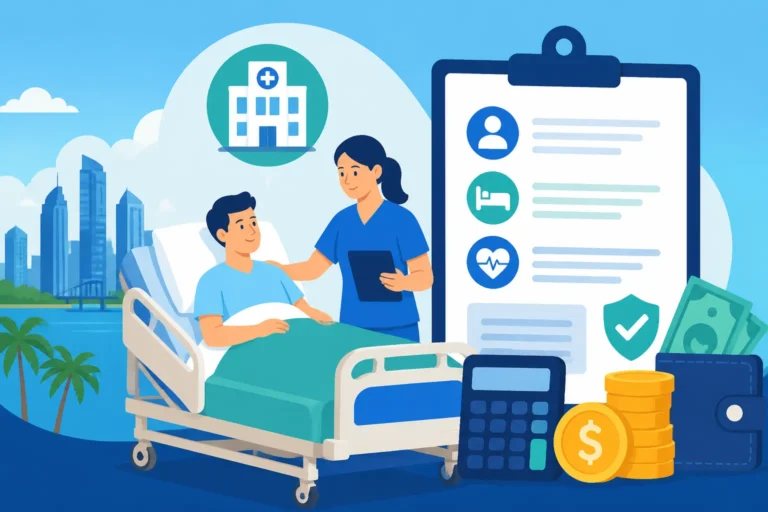
Costs and Payments: What to Expect in Panama's Healthcare
Money talks, and in Panama's healthcare system, it dictates the speed and comfort of your medical journey. Understanding the financial aspects is crucial for every expat, whether you lean public or private. From out-of-pocket payments to insurance claims, let's break down what you'll typically encounter.
Out-of-Pocket Expenses in Private Care
Even with private health insurance, you'll almost certainly face some out-of-pocket expenses in Panama's private sector. This usually comes in the form of co-pays, deductibles, and co-insurance.
- Co-pays: A fixed amount you pay for a doctor's visit or a prescription, typically at the time of service. For a specialist visit, this might be anywhere from $5 to $25, even if your total consultation fee is higher.
- Deductibles: The amount you must pay out of pocket before your insurance company starts paying. For example, if your plan has a $500 deductible, you pay the first $500 of your medical expenses each year before your insurer contributes.
- Co-insurance: Once your deductible is met, your insurance might pay a percentage of the remaining costs, and you pay the rest. For instance, an 80/20 co-insurance means your insurer pays 80%, and you pay 20%.
For services not covered by your specific plan, or if you don't have insurance, you'll be paying the full cost. A general doctor's visit might range from $30-$60, while a specialist can charge between $40-$100. Diagnostic tests, procedures, and medications can quickly escalate these costs. It's not uncommon for expats to pay for routine consultations or minor lab tests out of pocket, even with insurance, if the cost is low enough to not bother with the claims process or if it falls within a small deductible. For a full picture of what to expect, refer to The Cost of Healthcare in Panama: A Complete Breakdown for Foreigners (2026).
Comparing Costs: CSS vs. Private
The cost comparison between CSS and private care is stark, and it's often the deciding factor for many.
| Feature | CSS (Public System) | Private System |
|---|---|---|
| Consultation Fee | Generally free for contributors (covered by contributions) | $30 – $100+ per visit (GP to Specialist) |
| Hospital Stays | Covered by contributions, minimal direct cost | $100s to $1,000s per night, depending on room/services |
| Medications | Often covered, but shortages can occur | Full cost, potentially reimbursed by insurance |
| Diagnostic Tests | Covered, but long wait times | Full cost, potentially reimbursed, quick access |
| Emergency Care | Covered, but can be crowded | Full cost, potentially reimbursed, faster service |
| Insurance | Mandatory payroll deductions (if employed) | Private health insurance recommended (additional cost) |
| Overall Cost | Low direct out-of-pocket (for contributors) | Significantly higher, offset by insurance |
As you can see, the CSS offers a very low direct cost if you are a contributor. However, the trade-off is often in wait times, facility comfort, and language barriers. The private system, while pricier, offers a premium experience with greater accessibility and comfort. This table clearly illustrates why many expats weigh their options carefully, often deciding that the peace of mind offered by private care, even with its costs, is worth the investment. For many, it's not a question of if they'll pay, but how they'll pay to ensure quick and quality treatment. You can gain more insight into this by exploring Understanding Out-of-Pocket Healthcare Costs and Co-Pays in Panama.
Payment Methods and Claiming Reimbursements
In the private sector, most clinics and hospitals accept cash (U.S. dollars), debit cards, and major credit cards (Visa, Mastercard, American Express). It’s always a good idea to confirm payment options when booking an appointment. For larger expenses, like hospital stays or surgeries, many facilities will require a deposit or upfront payment, especially if you don't have a direct billing arrangement with your insurer.
Claiming reimbursements from private insurance typically involves a few steps:
- Pay Upfront: You pay for the service or medication out of pocket.
- Collect Documentation: Ensure you get detailed receipts (facturas) that include the doctor's name, services rendered, cost breakdown, and your patient information. For prescriptions, keep the original prescription and the pharmacy receipt.
- Complete Claim Form: Fill out your insurance company's claim form, providing all necessary details.
- Submit: Send all documentation to your insurer. This can often be done online through a portal, email, or physical mail.
- Wait for Reimbursement: The time frame for reimbursement varies by insurer but typically ranges from a few days to several weeks.
This process can sometimes feel tedious, especially if you have frequent claims. Some international plans, or local plans with higher tiers, might offer direct billing, where the hospital bills the insurer directly, saving you the upfront payment hassle. It's crucial to understand your specific plan's claims procedure and keep meticulous records of all your medical expenses.
Finding Doctors and English-Speaking Professionals
One of the biggest anxieties for new expats, or even seasoned ones in a medical pinch, is finding a doctor, let alone an English-speaking one. While Panama City is relatively well-equipped, venturing outside the capital can make this search more challenging. Rest assured, with a bit of legwork, you can build a reliable medical network.
General Practitioners and Family Doctors
In Panama, the concept of a dedicated "family doctor" or GP in the Western sense, who manages all your health records and acts as a gatekeeper for specialists, is less rigid, especially in the private system. Many people go directly to a specialist even for issues that a GP might handle. However, having a good general physician as your first point of contact is invaluable. They can offer continuity of care, handle routine ailments, and provide informed referrals if needed.
You can find general practitioners through:
- Referrals: Ask other expats in your community. Word-ofmouth is often the most reliable method. Expat Facebook groups are goldmines for these kinds of recommendations.
- Hospital Websites: Major private hospitals often list their affiliated doctors and their specialties. Many have online directories where you can filter by specialty.
- Online Directories: Websites like Doctoralia or local medical association sites can provide listings, though they might be in Spanish.
- Walk-in Clinics: Some private clinics offer walk-in appointments, especially for minor issues, which can be a good way to meet a doctor for the first time.
When you do find a potential GP, schedule an initial consultation even if you don't have a pressing issue. It's a great way to assess their demeanor, practice, and how comfortable you feel communicating with them before you're in a stressful situation. Don't forget, finding an English-speaking doctor in Panama is very doable.
Locating English-Speaking Medical Staff
While Spanish is the official language, many doctors in Panama's private sector, especially those who trained abroad or cater to an international clientele, are fluent in English. This is particularly true in Panama City.
- Major Private Hospitals: Hospital Punta Pacifica, Hospital Nacional, and Centro Médico Paitilla are excellent starting points. Their international departments or concierge services can often connect you with English-speaking doctors across various specialties.
- Expat Networks: Again, leveraging expat Facebook groups and online forums is highly effective. Someone has likely been in your shoes and can recommend a trusted English-speaking professional.
- Embassy Recommendations: Your country's embassy or consulate in Panama might maintain a list of English-speaking doctors.
- Translation Services: If you find an excellent doctor who doesn't speak English, consider bringing a trusted friend or hiring a professional medical translator for important appointments. This ensures you fully understand your diagnosis and treatment plan.
Don't be shy about asking upfront if a doctor or clinic has English-speaking staff. It's a perfectly valid question and can save you a lot of anxiety and potential miscommunication.
Recommendations and Referrals
In the private system, while direct access to specialists is common, a referral can still be beneficial for several reasons:
- Insurance Requirements: Some private insurance plans require a GP referral to cover specialist visits or certain diagnostic tests. Always check your policy details.
- Streamlined Care: A GP who knows your medical history can make a more targeted referral, potentially saving you time and money by guiding you to the most appropriate specialist.
- Quality Assurance: A GP's recommendation often comes with an implicit endorsement of a specialist's quality and professionalism.
It's a good practice to establish a relationship with a general practitioner in Panama who can serve as your primary point of contact for healthcare. They can help you navigate the system, understand your options, and provide trusted recommendations for everything from dentists to physiotherapists. For those who value personalized advice, finding a good GP is a critical step in Navigating the Panamanian Healthcare System: An Expat's Roadmap (2027).
Emergency Medical Care: What Expats Need to Know
No one wants to think about a medical emergency, especially when living abroad. But being prepared and knowing what to do in Panama can make all the difference. The approach to emergencies often highlights the differences between the public and private healthcare systems most starkly.
Public vs. Private Emergency Services
In a medical emergency, you have two primary avenues in Panama: the public emergency rooms or private hospital emergency departments.
-
Public Emergency Rooms (CSS): These are available at CSS hospitals and policlínicas across the country. They are designed to handle all types of emergencies. The major advantage is accessibility and low direct cost if you are a CSS contributor. However, public emergency rooms can be extremely crowded, and wait times for non-life-threatening conditions can be very long. You might also encounter language barriers, and the facilities, while functional, might not offer the same level of comfort or privacy as a private hospital. They prioritize based on severity, so expect to wait if your condition is not deemed critical.
-
Private Emergency Rooms: Located in private hospitals like Hospital Punta Pacifica, Hospital Nacional, and Centro Médico Paitilla, these offer a significantly different experience. They are typically less crowded, have modern equipment, and often have English-speaking staff or access to translators. Wait times are usually shorter, and you'll often receive more immediate attention. The trade-off, of course, is cost. An emergency room visit to a private hospital can range from hundreds to thousands of dollars, depending on the care required, if you don't have adequate private insurance.
For serious, life-threatening emergencies, most expats head directly to a private hospital's emergency room if possible. While public services will attend to anyone, the efficiency and speed of private care are often preferred when every minute counts. Understanding Emergency Medical Care in Panama: What Every Expat Needs to Know is non-negotiable for your safety.
Understanding Ambulance Services
Panama has several ambulance services, both public and private.
-
Public Ambulances (911): The national emergency number in Panama is 911. Calling this number will connect you to emergency services, including fire, police, and ambulance. The public ambulance service, often operated by the Sistema Único de Manejo de Emergencias (SUME 911), is generally reliable for critical situations. However, similar to public ERs, there can be delays depending on location and demand. The ambulance might transport you to the nearest public or private facility, depending on the situation and what's available.
-
Private Ambulances: Many private hospitals offer their own ambulance services, or you can subscribe to a private ambulance service like Emergencias Médicas de Panamá (EMDP). These services typically guarantee faster response times and transport to a private hospital of your choice (within their network), assuming you or your insurance can cover the cost. If you have international health insurance, it's worth checking if it includes private ambulance services or covers the cost of using them. For non-life-threatening situations, a taxi or private car might even be a faster option to get to a private clinic.
It's wise to have the phone numbers for private ambulance services programmed into your phone, especially if you live outside Panama City and plan to rely on private healthcare.
Preparing for a Medical Emergency
Being prepared can alleviate a lot of stress during an emergency:
- Emergency Contact Information: Have a list of emergency contacts readily available, including family members, your doctor, and your insurance provider.
- Medical Information: Carry a summary of your medical history, allergies, current medications, and any pre-existing conditions. Consider a medical alert bracelet if you have severe allergies or conditions.
- Insurance Details: Keep your health insurance card and policy number accessible. For private insurance, know your plan's emergency procedures.
- Local Knowledge: Know the location of the nearest reputable private hospital and its emergency room. If you live in a smaller town, identify the best local clinic or hospital.
- Language: Learn basic Spanish medical phrases or have a translation app handy. Even better, identify a trusted Spanish-speaking friend who can accompany you if needed.
- Transportation: Understand your options for getting to an emergency room quickly. Is a private ambulance service subscription worthwhile for your peace of mind?
Remember, an emergency is not the time to be figuring things out. A little proactive planning goes a long way in ensuring you get the care you need, when you need it.
Making Your Healthcare Choice: A Balanced Perspective
Choosing the right healthcare path in Panama isn't about picking a side; it's about creating a strategy that fits your individual needs, budget, and comfort level. Most expats eventually find a hybrid approach, drawing on the strengths of both the public and private systems.
Weighing the Pros and Cons of Each System
Let's summarize the trade-offs:
Caja de Seguro Social (CSS)
- Pros:
- Affordable (covered by mandatory payroll deductions).
- Comprehensive coverage for contributors and dependents.
- Available nationwide, even in rural areas.
- Cons:
- Long wait times for appointments and procedures.
- Potential language barriers.
- Facilities can be crowded, and equipment might not be state-of-the-art.
- Limited choice of doctors/hospitals.
- Bureaucratic processes can be frustrating.
Private Healthcare
- Pros:
- Modern facilities and equipment.
- Shorter wait times and easier access to specialists.
- Higher likelihood of English-speaking staff.
- More personalized care and comfort.
- Greater choice of doctors and hospitals.
- Cons:
- Significantly more expensive without comprehensive insurance.
- Primarily concentrated in major urban centers.
- Navigating insurance claims can be complex.
For many, the public system serves as a basic safety net, especially if employment mandates contributions, but the private system is where they find peace of mind and the level of care they expect.
Hybrid Approaches to Healthcare
The most common and often most effective strategy for expats in Panama is a hybrid approach, blending the benefits of both systems:
- CSS for Basics, Private for Speed/Comfort: If you're employed and contributing to the CSS, you have access to it. You might use it for very basic needs like vaccinations or certain chronic condition check-ups if you don't mind the wait. However, for anything requiring immediate attention, specialist care, or a more comfortable experience, you would turn to the private sector, backed by your private health insurance.
- Private Insurance with CSS Backup: For those not mandated to contribute to CSS (e.g., retirees, self-employed not voluntarily contributing), purchasing a robust private health insurance plan is paramount. This provides access to the private hospitals and clinics you prefer. However, in a truly remote emergency, a local CSS facility might be the closest option, offering immediate stabilization before transfer to a private hospital, especially if you have an international plan that covers emergency evacuation.
- Travel Insurance as a Bridge: For new arrivals, or those still evaluating long-term options, a flexible travel medical insurance like SafetyWing is an excellent short-term solution. It covers unexpected medical events while you get settled and finalize your permanent health insurance arrangements. This is especially useful for those initial months when you're most vulnerable to unforeseen circumstances.
This blending allows expats to maximize their options, ensuring they have access to immediate, quality care when needed, while also potentially taking advantage of the lower costs associated with the public system for certain services.
Long-Term Healthcare Planning for Expats
As an expat, thinking long-term about your healthcare is essential. Your needs will evolve, and so should your strategy:
- Review Insurance Annually: Your health needs might change, as might your financial situation or travel plans. Regularly review your private health insurance plan to ensure it still meets your requirements. Premiums can also fluctuate, so compare options.
- Build a Network: Invest time in finding a good GP, a trusted dentist, and any specialists you foresee needing. Building relationships with medical professionals who understand your needs and language preferences is invaluable.
- Stay Informed: Healthcare policies and procedures can change. Stay connected with expat communities and local news to remain informed about any developments in Panama’s healthcare system.
- Plan for Aging: As you get older, your healthcare needs will likely increase. Consider how your chosen system will support you through long-term care, chronic illness management, and potential home healthcare services.
- Know Your Evacuation Options: Especially if you live outside Panama City, understand what your insurance covers in terms of medical evacuation to a higher-level facility, either within Panama or even internationally.
Panama offers a diverse healthcare landscape. By understanding its nuances, planning proactively, and leveraging both public and private resources strategically, you can ensure your health remains a priority, allowing you to fully enjoy your life in this beautiful country.
Disclaimer
The information provided in this guide is intended for general informational purposes only and does not constitute professional medical, legal, or financial advice. While we strive to provide accurate and up-to-date information, healthcare systems, regulations, and costs in Panama can change. It is always recommended to consult with qualified local professionals, such as insurance brokers, doctors, and immigration lawyers, for advice tailored to your specific situation. We are not responsible for any actions taken based on the information in this article.