Can I Keep My Health Coverage If I Work Remotely from Panama?
Ah, the beauty of working remotely from a tropical paradise like Panama! It's a dream many of us expats chase – escaping the grind, enjoying the sunshine, and still bringing in an income. But let's be real, while your laptop might seamlessly connect to the internet here, your health coverage isn't always so straightforward. The big question on many remote workers' minds is: Can I keep my health coverage if I work remotely from Panama? This guide is going to meticulously break down the options, the pitfalls, and the realistic steps you need to take to ensure your health is protected while you're living your best remote work life in Panama.
Understanding Remote Work and Health Coverage Realities in Panama
When you're working remotely from Panama, whether you're a digital nomad, a freelancer, or an employee of an overseas company, your relationship with the local healthcare system can feel like a labyrinth. It’s not just about finding a doctor; it’s about understanding if your current health coverage actually covers you here, or if you need to make changes. This isn't your home country where everything is familiar; Panama has its own set of rules, systems, and expectations, and overlooking them can lead to some seriously expensive surprises. Many remote workers assume their existing policy will just "work," but that's often a costly mistake.
The reality is that your physical location plays a huge role in how your health insurance functions. If your employer is based in the US, for example, their company health plan might be fantastic back home, but it could offer zero or very limited coverage once you step foot outside its borders, let alone live here permanently. This isn't meant to scare you, but to highlight the absolute necessity of being proactive. Too many expats are caught off guard by medical bills because they didn't properly investigate their options.
Navigating Your Existing Health Coverage from Abroad
Before you even think about new insurance, your first crucial step is to understand the policy you already have. This is where many remote workers, especially those new to international living, often make their biggest misstep. Don't assume anything; read the fine print, and if in doubt, call your provider directly.
Employer-Sponsored Plans from Your Home Country
If you're an employee working remotely for a company based in your home country, your first port of call is to dissect your employer's health insurance plan. Many domestic plans are strictly limited to the country of issue. For instance, a US-based health plan might only cover emergencies abroad, and even then, often only after you pay out-of-pocket and seek reimbursement, which can be a long and arduous process. Some plans might have a "travel rider" that gives you limited international coverage for short trips, but this is rarely sufficient for full-time remote work.
You need to specifically ask about long-term international coverage or coverage for extended stays outside the home country. Be very clear about your intentions: you will be residing in Panama for an indefinite period, not just on a two-week vacation. Your employer's HR department might have some experience with remote employees in other countries, but don't count on them being experts in Panamanian specifics. Prepare for some blank stares and a lot of follow-up on your part. It's often the case that these plans simply won't cover you adequately, leaving you to seek alternative solutions.
Personal or Travel Insurance Policies
Perhaps you have your own private health insurance from your home country, or you've bought a basic travel insurance policy for your move to Panama. While traditional travel insurance is fantastic for short-term trips – it covers lost luggage, flight delays, and emergency medical incidents – it's almost never designed for long-term residency or for covering routine medical care. Most travel insurance policies have strict limits on how long you can be outside your home country and still be covered, typically 30-90 days. Exceeding this limit will void your coverage entirely.
Personal health insurance policies purchased in your home country often suffer from the same geographic limitations as employer-sponsored plans. If you plan to live in Panama long-term, you'll need a policy specifically designed for expatriates or international living. These are often called "international health insurance" plans, and they are a completely different beast from standard travel insurance or domestic policies. Understanding the difference between these options is vital to making sure you have comprehensive protection.
Exploring Health Insurance Options While Working Remotely in Panama
Once you've clarified the limitations of your existing coverage (and likely found it wanting), it’s time to explore genuine options for health coverage while working remotely from Panama. You have a few distinct paths, each with its own pros and cons.
International Health Insurance: A Common Choice for Nomads
For many remote workers and digital nomads, international health insurance is the go-to solution. These policies are specifically designed for individuals living abroad for extended periods and offer a wide range of benefits tailored to expatriate life. Companies like SafetyWing are examples of providers catering to this demographic, offering flexible plans that cover you wherever you are in the world (with some exclusions for your home country or specific high-risk regions, so always check the policy details).
The primary benefit of international health insurance is its portability. If your remote work takes you from Panama to Colombia, or back to visit family in your home country, your coverage often travels with you. These plans typically offer comprehensive coverage, including emergency care, hospital stays, doctor visits, and sometimes even dental and optical. Many also include emergency medical evacuation, which is a critical feature when living in a foreign country – ensuring you can be transported to a facility that can provide the best care, even if it's outside Panama. This is something often overlooked but could be life-saving.
When looking at these plans, you'll need to consider:
- Coverage areas: Does it cover Panama, your home country (for visits), and any other places you might travel to?
- Deductibles and co-pays: How much will you pay out-of-pocket before the insurance kicks in, and what percentage do you pay for services?
- Network of hospitals/doctors: While many international plans allow you to go to any provider, some have preferred networks. Check if they have direct billing agreements with hospitals in Panama City, like Hospital Punta Pacifica or Hospital Nacional.
- Reputation and customer service: Seek out reviews from other expats to gauge their experience with claims and support.
Panamanian Private Health Insurance: The Local Angle
Another viable option is to purchase a local private health insurance plan directly from a Panamanian insurer. Companies like ASSA, Internacional de Seguros, or Mapfre offer various plans. The advantage here is that these policies are designed specifically for the Panamanian healthcare landscape. They often have established networks with local doctors and hospitals, making direct billing and administrative processes smoother. You'll also find that customer service will be in Spanish, which can be a pro or con depending on your language skills.
Panamanian private insurance tends to be more affordable than comprehensive international plans for similar levels of local coverage. However, a significant drawback is that these policies are generally confined to Panama. If you travel outside the country, even for a short trip, you might not be covered, or coverage could be very limited. This means you might need a separate travel insurance policy for your international trips, adding another layer of complexity. Also, while the coverage is good within Panama, it may not include medical evacuation to your home country for specialized treatments, which can be a deal-breaker for some. You can learn more about how to choose private health insurance in Panama (2026).
The Panamanian Public System (CSS): Is It an Option for You?
Panama operates a two-tiered healthcare system: the public system (Caja de Seguro Social, or CSS) and the private system. Generally, remote workers employed by foreign companies, who are not contributing to the Panamanian social security system, will not be eligible for CSS coverage. The CSS is primarily for employees of Panamanian companies who make mandatory social security contributions, or for those who are permanent residents and choose to contribute voluntarily.
While it's technically possible for some permanent residents to voluntarily contribute to the CSS, the process can be complex, and the public healthcare system itself faces challenges with overcrowding, longer wait times, and sometimes more limited resources compared to the private sector. For a remote worker, who might not even have permanent residency initially, relying on the CSS is usually not a practical or recommended primary health coverage strategy. If you're curious about the public system, you can explore how to register with the CSS (Caja de Seguro Social) in Panama, but prepare for administrative hurdles if you're not formally employed locally.
Key Factors to Consider When Choosing Coverage
Choosing the right health coverage isn't just about picking the cheapest option; it's about matching a policy to your specific needs, risk tolerance, and lifestyle as a remote worker in Panama.
Residency Status: Tourist vs. Resident
Your immigration status in Panama significantly impacts your options and, frankly, your risk profile.
- As a Tourist: If you're just visiting for a few months on a tourist visa, a robust travel insurance policy that explicitly covers medical emergencies and potential longer stays (if available) might suffice, alongside any emergency coverage your home country plan offers. However, remember the limitations discussed earlier regarding long-term coverage. Relying on basic travel insurance for more than 90 days of continuous stay can be very risky. You should know that generally, tourists can access emergency medical care in Panama, but they will be expected to pay out-of-pocket if they don't have proper international travel insurance.
- As a Resident (Provisional or Permanent): If you've gone through the process to get residency in Panama, such as the Friendly Nations Visa or the Pensionado Visa, your options open up more readily for local private insurance. You're seen as a more permanent fixture, making you eligible for long-term plans. However, even with residency, you won't automatically be covered by the CSS unless you're employed by a Panamanian company or voluntarily contribute. Your residency status also affects tax implications, which might indirectly influence decisions on health savings accounts or deductions in your home country.
Coverage Scope: In-patient, Out-patient, Evacuation
Don't just look at the total coverage amount. Dig into what services are actually included.
- In-patient care: This covers hospital stays, surgeries, intensive care, and usually takes care of the biggest bills. Most good international and private Panamanian plans will cover this comprehensively.
- Out-patient care: This covers doctor visits, specialist consultations, diagnostic tests (X-rays, blood work), and prescription medications. This is where you'll see the most frequent use of your insurance. Some basic plans might have lower limits or higher co-pays for out-patient care.
- Emergency Medical Evacuation: This is arguably the most critical component for an expat. If you have a severe medical emergency (e.g., a major accident, complex surgery needed), and Panama's facilities cannot provide the required specialist care, medical evacuation covers the cost of transporting you to a suitable medical facility in another country (often your home country or a regional hub like Miami). This can run into the tens or even hundreds of thousands of dollars, making it a non-negotiable for many. Many international health insurance plans, like those offered by SafetyWing, include this as a standard feature.
Network and English-Speaking Providers
While Panama City boasts excellent private hospitals with many English-speaking doctors, like Hospital Punta Pacifica and Hospital Nacional, knowing your insurance plan has a direct billing relationship with these facilities can save you immense hassle. Nobody wants to be stuck paying upfront for a significant procedure and then waiting for reimbursement while recovering.
It's a good idea to research how to find an English-speaking doctor in Panama before you need one, and check if they are part of your insurance's preferred network. For remote areas outside Panama City, English-speaking medical professionals can be harder to find, so having an insurance plan with a broad network or "any doctor, any hospital" policy is a huge plus.
Budget and Deductibles
Health insurance is an investment, but it needs to fit your budget. Be realistic about what you can afford versus the risks you're willing to take.
- Premiums: These are your regular payments.
- Deductibles: This is the amount you have to pay out-of-pocket each year before your insurance starts covering costs. A higher deductible usually means lower monthly premiums.
- Co-pays/Co-insurance: These are the fixed amounts or percentages you pay for each service after your deductible is met.
Consider your overall health. If you're young and generally healthy, a higher deductible plan might be more appealing, as you're less likely to hit that deductible frequently. If you have pre-existing conditions or foresee needing regular medical attention, a lower deductible plan with higher premiums might be a better fit, but be aware that many international plans have specific rules or exclusions regarding pre-existing conditions, especially in the first year of coverage. You might be wondering, how much does private health insurance cost in Panama in 2026? This can give you a rough idea of what to expect.
Practical Steps to Secure Your Health Coverage
It's not enough to simply choose a plan; you need to properly implement and maintain it.
Thorough Policy Review and Due Diligence
Once you've narrowed down your choices, get a copy of the full policy document. Don't just skim the brochure. Pay close attention to:
- Exclusions: What isn't covered? (e.g., specific sports, mental health, pre-existing conditions, specific regions).
- Limits: Are there annual or lifetime limits on certain benefits?
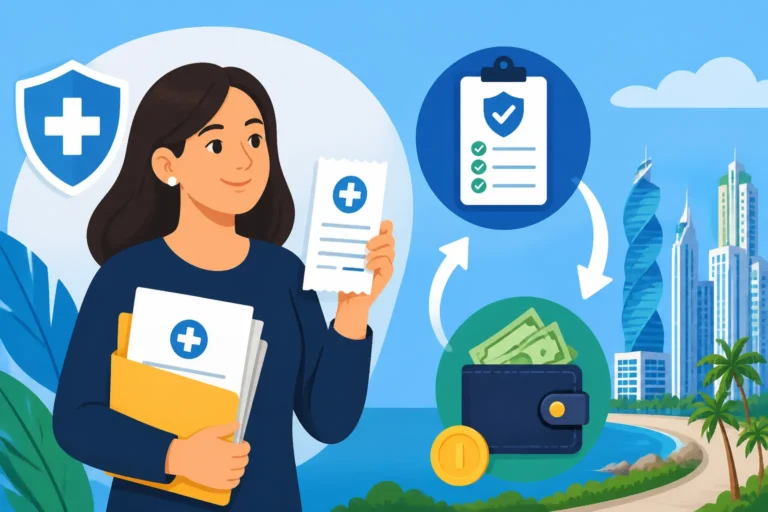
- Claims process: How do you submit a claim? What documentation is required? What's the typical reimbursement timeline?
- Geographic scope: Confirm clearly that Panama is a covered country for long-term residency.
- Renewal process: How often does it need to be renewed? What happens if you miss a payment?
This due diligence can prevent huge headaches later on. If anything is unclear, call the insurer directly and get answers in writing if possible.
Seeking Professional Advice
Navigating international health insurance can be complex. Don't hesitate to consult with an independent insurance broker who specializes in expat health insurance. They can compare different plans, explain the nuances, and help you find a policy that truly fits your needs as a remote worker in Panama. They often have access to a wider range of policies than you might find through a simple online search and can offer invaluable insights. They often work on commission from the insurer, so their services might not cost you anything directly.
Additionally, if your remote work arrangement makes your tax situation complicated, consider consulting with a tax professional who understands international taxation for remote workers. While not directly health-related, health insurance premiums or medical expenses might have tax implications depending on your home country's laws.
What to Do in a Medical Emergency
Even with the best planning, emergencies happen. Knowing what to do in Panama can make a stressful situation a little easier.
- Call your insurance provider immediately (or have someone do it for you): Many international health insurance providers, including SafetyWing, have 24/7 emergency hotlines. They can guide you on the nearest in-network hospital, facilitate direct billing, or advise on the claims process.
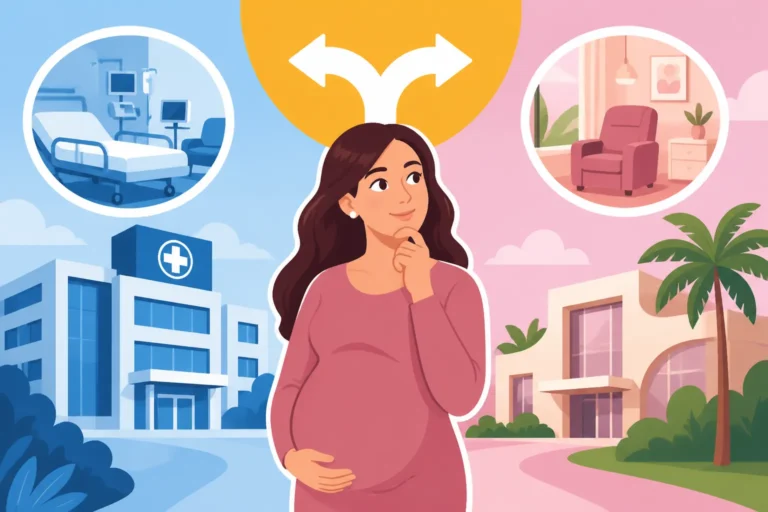
- Go to a private hospital if possible: For serious emergencies, private hospitals like Hospital Punta Pacifica, Hospital Nacional, or Centro Médico Paitilla in Panama City offer excellent care, often with English-speaking staff. They are generally equipped for a wider range of emergencies than smaller public clinics.
- Keep all documentation: Collect all medical reports, invoices, receipts, and prescriptions. You'll need these for your insurance claim. Take photos if you can.
- Know the emergency number: The universal emergency number in Panama is 911, though local emergency services can vary in response time and English proficiency. For immediate medical emergencies, going directly to a private hospital is often the fastest route.
It's always a good idea to have a small "go-bag" ready with your passport, residency card (if applicable), insurance details, and a small amount of cash, just in case. For more details on this, check out our guide on Emergency Medical Care in Panama: What Every Expat Needs to Know.
The Bottom Line for Remote Workers
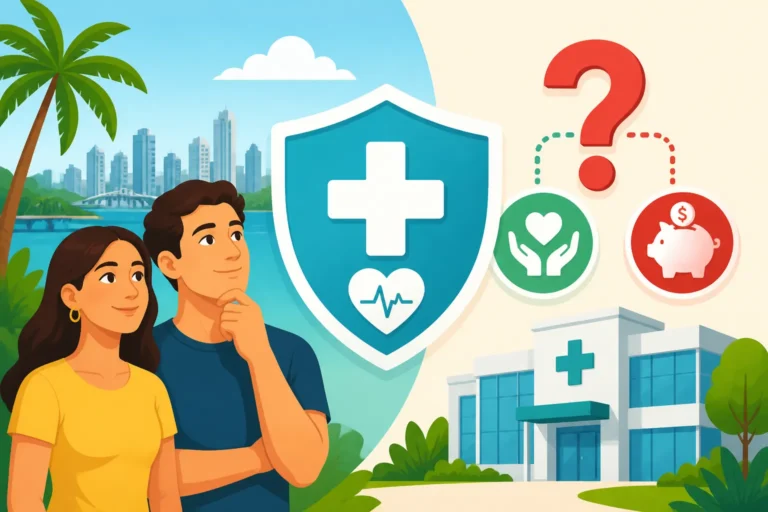
Working remotely from Panama offers an incredible lifestyle, but it comes with the responsibility of ensuring your health coverage is robust and appropriate for your new location. Your home country health plan is unlikely to cut it for long-term residency. International health insurance, with its global portability and comprehensive benefits including emergency evacuation, is often the best and most secure option for digital nomads and remote workers. Local Panamanian private insurance can also be a strong contender, particularly if you plan to stay exclusively within Panama and seek local rates.
Whichever path you choose, the key is proactive research, understanding the specifics of your policy, and not cutting corners when it comes to your health. Your peace of mind, knowing you're fully covered, is invaluable while enjoying your Panamanian adventure.
Disclaimer
The information provided in this guide is for general informational purposes only and does not constitute professional medical, legal, or financial advice. Healthcare systems, visa requirements, and insurance policies are subject to change. Always consult with qualified professionals, such as insurance brokers, immigration lawyers, or medical practitioners, for advice tailored to your specific situation. We do our best to provide up-to-date and accurate information, but we cannot guarantee its completeness or accuracy at all times.