Is Healthcare Free in Panama for Residents?
Navigating the healthcare landscape in a new country can feel like trying to solve a Rubik's Cube blindfolded, and Panama is no exception. Many expats arrive with assumptions about "free" healthcare, only to discover that the reality is far more nuanced and, frankly, a bit more complex than a simple yes or no answer. This guide is here to shed light on whether healthcare is truly free in Panama for residents, breaking down the public and private systems, explaining who pays what, and giving you the realistic picture so you can make informed decisions about your well-being.
Understanding Panama's Healthcare System: It's Not Black and White
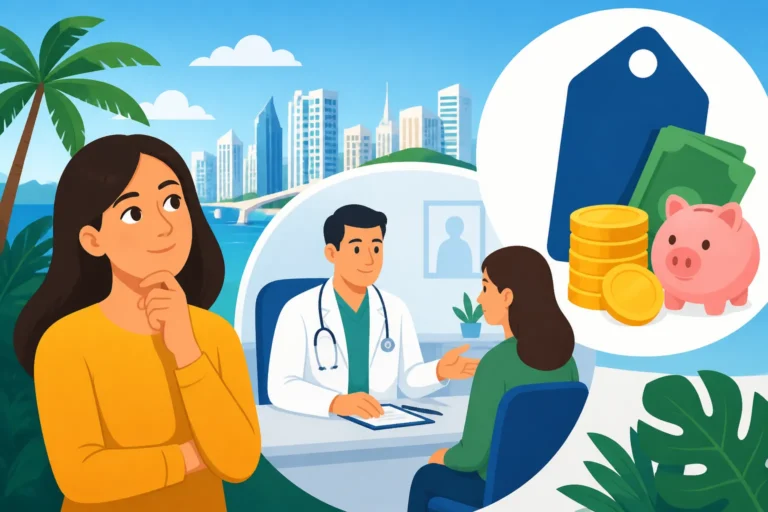
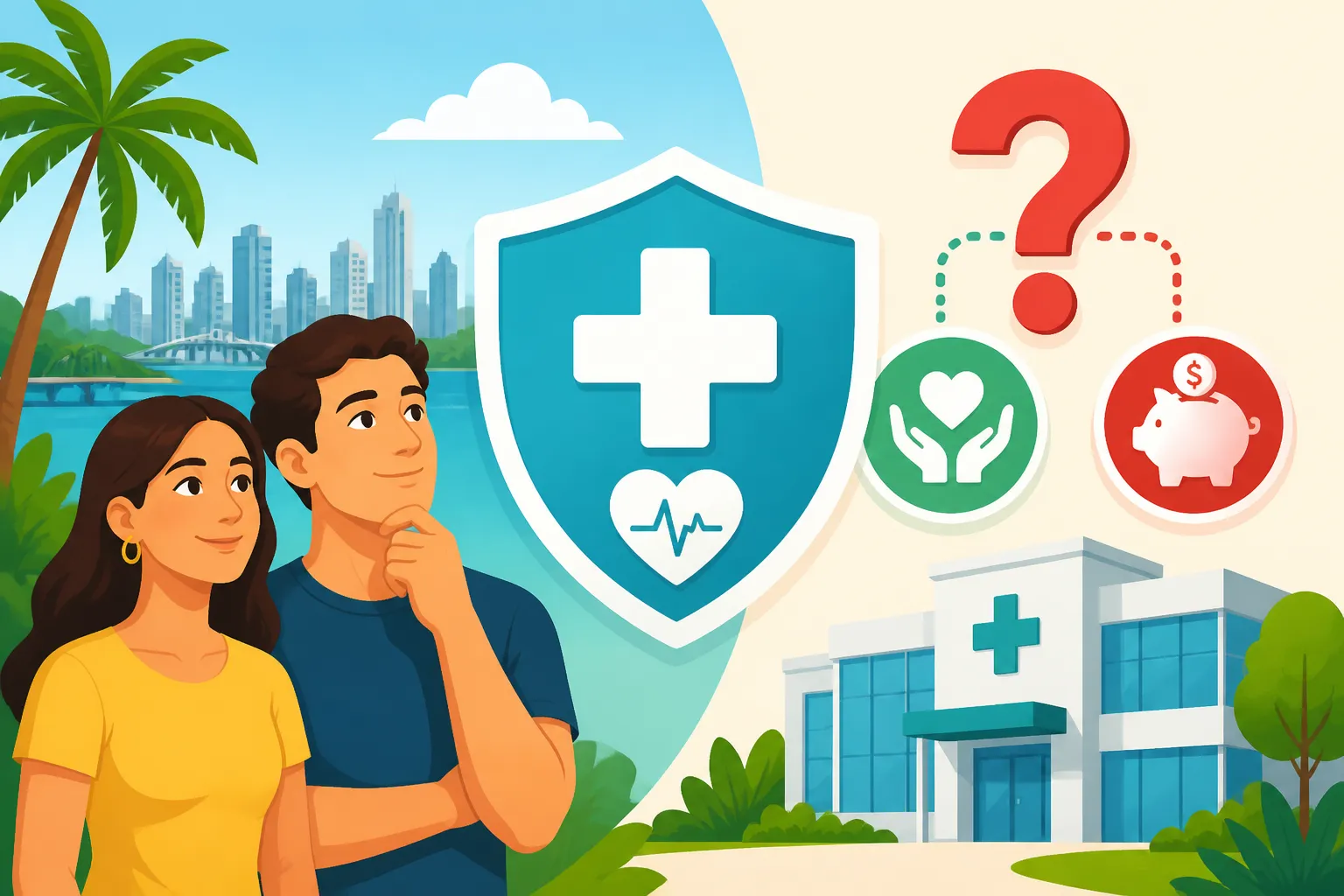
When people ask if healthcare is "free" in Panama, they often envision a system like in some European countries, where essential services are provided without a direct charge at the point of care, funded entirely by taxes. While Panama does have a public healthcare system, its functionality and accessibility for expats vary greatly, and it's certainly not "free" in the sense of being without cost to the user or the taxpayer. Instead, it's a tiered system, with significant differences between the public and private sectors.
The Public System: Caja de Seguro Social (CSS)
The cornerstone of Panama's public healthcare is the Caja de Seguro Social (CSS), or the Social Security Fund. This is the national health insurance program, and it's primarily funded through mandatory contributions from employed individuals, their employers, and the government. If you are legally employed in Panama, a portion of your salary (around 9.75% as an employee) is deducted and contributed to the CSS, with your employer also making a substantial contribution on your behalf.
This means that for Panamanian citizens and legal residents who are actively contributing, or who are registered as dependents of a contributor, healthcare services within the CSS system are largely "free at the point of service." You don't hand over cash for a doctor's visit, a hospital stay, or most prescriptions. However, the term "free" can be misleading. It's a system of socialized medicine where your contributions are essentially your payment. Expats often struggle with the CSS due to long wait times for appointments and specialist referrals, crowded facilities, and potential language barriers with staff who may not speak English. While the care is generally competent, the experience can be a test of patience and resilience, especially compared to what many expats are accustomed to in their home countries. For example, getting a timely MRI might mean waiting weeks or even months through the CSS, pushing many to seek private alternatives.
The Private Healthcare Sector
In stark contrast to the CSS, Panama boasts a robust and modern private healthcare sector, particularly in Panama City and other major urban areas like David. This sector operates on a fee-for-service basis, meaning you pay for every consultation, procedure, and hospital stay. This is where private health insurance becomes not just an option, but often a necessity for expats seeking a higher standard of comfort, quicker access to specialists, and English-speaking medical professionals.
Hospitals like Hospital Punta Pacifica, Hospital Nacional, and Centro Médico Paitilla are well-regarded, offering state-of-the-art equipment, comfortable private rooms, and a more personalized experience. These facilities cater heavily to expats and upper-middle-class Panamanians who are willing and able to pay for premium care. Here, there's absolutely no notion of "free" healthcare. You're expected to either pay out-of-pocket, have comprehensive private health insurance, or a combination of both with deductibles and co-pays. The quality of care in these private institutions is generally excellent, matching or even exceeding standards found in many Western countries, which is why Panama has also become a destination for medical tourism.
Who Gets "Free" Care and What Does It Really Mean?
The distinction between "free at the point of service" and truly "free" is crucial, particularly for foreigners trying to understand the Panamanian system. For a local, employed Panamanian, the CSS covers a wide array of services. For an expat, your status and employment can significantly alter your access and experience.
Employees and Their Dependents Under CSS
If you secure a legal job in Panama with an employer who registers you for social security, then congratulations! You and your registered dependents (spouse and children) will have access to the CSS public healthcare system. This means that for general doctor visits, common prescriptions, hospitalizations, and many surgical procedures offered within the CSS network, you will not pay directly at the time of service. It's covered by the contributions made from your salary and by your employer.
Imagine you're an expat teacher working at an international school in Panama City. Each month, your payslip shows a deduction for "CSS." If you fall ill, you would go to a designated CSS clinic or hospital. You'd likely face a queue, fill out some paperwork, and eventually see a doctor without paying cash for that consultation. If you need medication that's on the CSS formulary, you'd get it from the CSS pharmacy, again without direct payment. This can be a huge relief, especially for those on tighter budgets. However, as mentioned, this convenience at the point of service often comes with the trade-off of longer wait times, especially for specialists or non-emergency procedures. For example, getting an appointment with a dermatologist could take several weeks, whereas a private appointment might be available the next day. This reality often leads expats, even those covered by CSS, to opt for private care for certain needs, which means incurring additional costs. For detailed information on registering, you can check out How to Register with the CSS (Caja de Seguro Social) in Panama.
Non-Contributors and Tourists: The Out-of-Pocket Reality
If you are an expat who is self-employed, retired, unemployed, or simply not contributing to the CSS, then public healthcare is not readily accessible to you without payment. While public hospitals will provide emergency stabilization regardless of your ability to pay, you will ultimately be billed for services rendered. For non-emergency care, you'll be directed to the private system or expected to pay out-of-pocket at public clinics, which can still be significantly cheaper than private options but aren't typically a first choice for expats.
For tourists, the situation is clearer: healthcare is absolutely not free. If you need medical attention, you will be expected to pay for it, often upfront in private facilities. This is precisely why travel insurance is so crucial when visiting Panama. Companies like SafetyWing offer flexible travel medical insurance that can cover unexpected illnesses or accidents while you're abroad. It's designed for digital nomads and long-term travelers, providing a safety net against those unforeseen medical costs. You absolutely do not want to be in a foreign country, sick or injured, without some form of coverage. To understand the implications of not having insurance, you can read more in What Happens If I Get Sick Without Insurance in Panama?. Even if you plan on applying for residency, robust travel medical insurance can bridge the gap before you secure local coverage.
The Financial Reality: Costs and Coverage for Expats
Understanding the costs involved is paramount for any expat planning their life in Panama. The idea of "free" healthcare quickly dissipates once you dive into the specifics, especially when considering the level of care and convenience many foreigners desire.
Navigating Public Healthcare Costs as an Expat
While direct payments for services are rare within the CSS system for contributors, there can still be indirect or hidden costs that expats might not anticipate. For instance, specific, often newer, medications might not be available through CSS pharmacies, requiring you to purchase them privately. Advanced diagnostic tests, like certain specialized MRI sequences or very specific blood panels, might also be referred to private labs if the CSS facility is overloaded or lacks the specific equipment. In such cases, you'd be footing that bill.
Furthermore, the comfort level can be a "cost" in itself. CSS hospitals are often crowded, and private rooms are rare. If you value privacy and a less bustling environment during a hospital stay, the public system might not meet your expectations. Expats who rely solely on CSS coverage often find themselves supplementing it with private payments for quicker access, specialized tests, or simply a more comfortable experience. It's not about the quality of the medical professionals, which can be excellent across both systems, but rather the administrative efficiency, infrastructure, and patient-to-staff ratio. You can learn more about co-pays and other costs in Understanding Out-of-Pocket Healthcare Costs and Co-Pays in Panama.
Private Insurance: The Expat's Preferred Path
This brings us to why private health insurance is overwhelmingly the preferred choice for most expats in Panama, regardless of whether they also contribute to the CSS. Private insurance provides access to the top-tier hospitals and clinics, where you'll find English-speaking doctors, minimal wait times, modern equipment, and a level of comfort that aligns more with international standards.
There are essentially two main types of private insurance:
- Local Panamanian private insurance: These plans are typically more affordable than international options and are excellent if you plan to primarily seek care within Panama. Companies like Assa Compañía de Seguros, Generali, and Mapfre offer comprehensive local plans. They usually have a network of approved doctors and hospitals, and you might deal with co-pays or deductibles.
- International health insurance: These plans offer global coverage, which is fantastic if you travel frequently outside Panama or want the option to seek specialized treatment elsewhere. They tend to be more expensive but offer unparalleled flexibility. Companies like Cigna Global, Allianz Care, and, for a more flexible, travel-focused option, SafetyWing, are popular choices. SafetyWing is particularly appealing for those early in their expat journey, digital nomads, or anyone needing robust coverage that moves with them across borders, often covering them until they establish more permanent residency or local insurance.
Choosing private health insurance means you are actively investing in your medical care, moving entirely away from any notion of "free." It's an essential part of an expat's budget. The benefits, such as direct billing at major private hospitals, access to a wider network of specialists without long referral processes, and generally better patient experience, usually justify the cost for most foreigners. For a deeper dive into your options, consult Health Insurance in Panama: Private and International Options Explained and How to Choose Private Health Insurance in Panama (2027).
| Feature | Public Healthcare (CSS) | Private Healthcare (Hospitals/Clinics) |
|---|---|---|
| Funding Source | Mandatory payroll contributions (employee & employer), government subsidies | Direct payments, private health insurance |
| Cost at Point of Use | Generally "free" for contributors/dependents | Fee-for-service, paid by patient or insurer |
| Accessibility | Requires CSS contributions or emergency | Open to anyone who can pay or has private insurance |
| Wait Times | Can be long for appointments, specialists, and procedures | Minimal to short, often same-day or next-day appointments |
| Facilities | Vary widely; can be crowded, basic in some areas | Modern, well-equipped, comfortable, private rooms available |
| Language Support | Primarily Spanish; English-speaking staff rare | Many English-speaking doctors and administrative staff |
| Prescriptions | Covered if on CSS formulary; otherwise, private purchase | Paid for directly, often from private pharmacies |
| Expat Experience | Often challenging due to wait times & language | Generally preferred for convenience, comfort, and direct access |
Practical Steps for Expats to Secure Healthcare in Panama
Making sure you're covered in Panama doesn't have to be a headache, especially once you understand the systems. It's all about planning ahead and knowing your options based on your residency status and employment.
For the Employed: Engaging with CSS
If you are coming to Panama on a work visa and will be formally employed by a Panamanian company, your employer is legally obligated to register you with the Caja de Seguro Social (CSS). This process typically involves your employer handling the paperwork and ensuring your contributions are made. It's crucial that you confirm your registration and verify that these contributions are indeed being made regularly. You can usually do this by checking your payslips or by inquiring directly with your employer's HR department.
Once registered, you'll be assigned to a specific CSS clinic or Policlínica. Make sure you know where this is and what the procedures are for making appointments. While the CSS can be bureaucratic, having access to this system is a significant benefit, providing a baseline of coverage. Many expats appreciate having it as a fallback, even if they primarily use private care. Remember, even with CSS coverage, understanding the referral system for specialists is key, as appointments might take time. To further clarify your eligibility, look into Do Expats Get CSS Coverage in Panama?.
For the Self-Employed or Retirees: Private Options are Key
If you're planning to be self-employed, an independent contractor, or a retiree living on a pension (like with the Friendly Nations Visa or Pensionado Visa), you won't be making mandatory CSS contributions through an employer. For you, securing robust private health insurance before or immediately upon arrival is not just recommended, it's absolutely essential. You'll be relying solely on this private coverage for your medical needs, or paying entirely out of pocket for any services.
Start researching international health insurance plans while you're still in your home country. Companies like SafetyWing are excellent for the initial transition, providing global coverage that starts quickly and can be managed remotely. This type of plan is flexible and ideal for digital nomads or those who haven't yet committed to a permanent local plan. Once you're settled in Panama and have a better understanding of your long-term needs and local options, you can then explore local private insurance providers. These plans can sometimes be more budget-friendly than international ones if you intend to stay within Panama's borders for all your healthcare. The key is to never be without coverage. Take the time to compare plans, understand deductibles, co-pays, and coverage limits. For those looking to understand coverage while working for themselves, Understanding Health Coverage for the Self-Employed in Panama is a valuable read. If you're new to Panama, finding suitable private insurance is a priority, so check out How to Buy Private Health Insurance as a Newcomer in Panama.
Preparing for Emergencies
No matter your insurance situation, knowing how to handle a medical emergency is critical. The national emergency number in Panama is 911, which connects you to police, fire, and ambulance services. However, ambulance services through 911 can sometimes be slow to respond, particularly outside of major cities. Many expats and locals prefer to call private ambulance services if they have private insurance that covers it, or if they are able to pay privately.
It’s advisable to identify the major private hospitals in your area (e.g., Hospital Punta Pacifica, Hospital Nacional in Panama City; Hospital Chiriquí in David). In an emergency, head directly to one of these if possible, especially if you have private insurance. They are better equipped for rapid response and have international patient services. Having your insurance information readily accessible, along with contact details for a trusted friend or family member, is a must. Remember, even if you are covered by SafetyWing, their plan includes emergency medical evacuation, which is a crucial aspect of safety for any expat or traveler. Always have a plan for what to do when something unexpected happens, because believe me, it often does when you least expect it! For more on this, you can refer to Emergency Medical Care in Panama: What Every Expat Needs to Know.
Disclaimer
Please note that the information provided in this guide is for general informational purposes only and does not constitute legal, financial, or medical advice. Healthcare systems and regulations can change, so it is always recommended to consult with relevant Panamanian authorities, qualified legal professionals, insurance providers, and medical practitioners for the most accurate and up-to-date information tailored to your specific circumstances.