What Happens If I Get Sick Without Insurance in Panama?
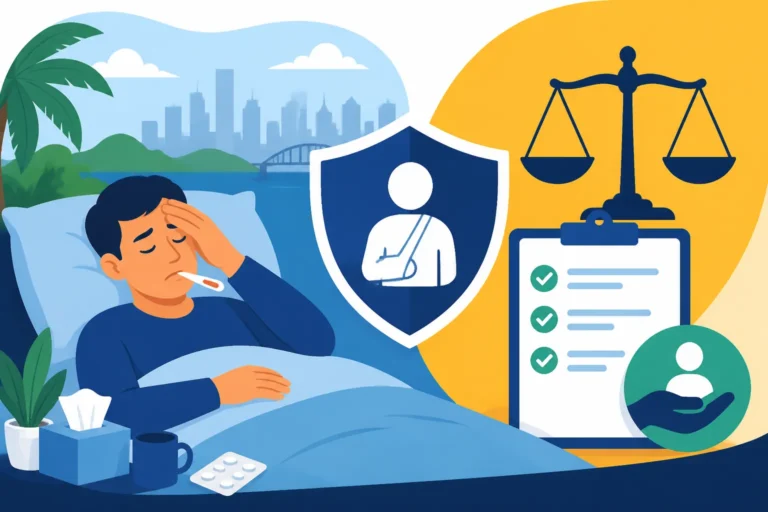
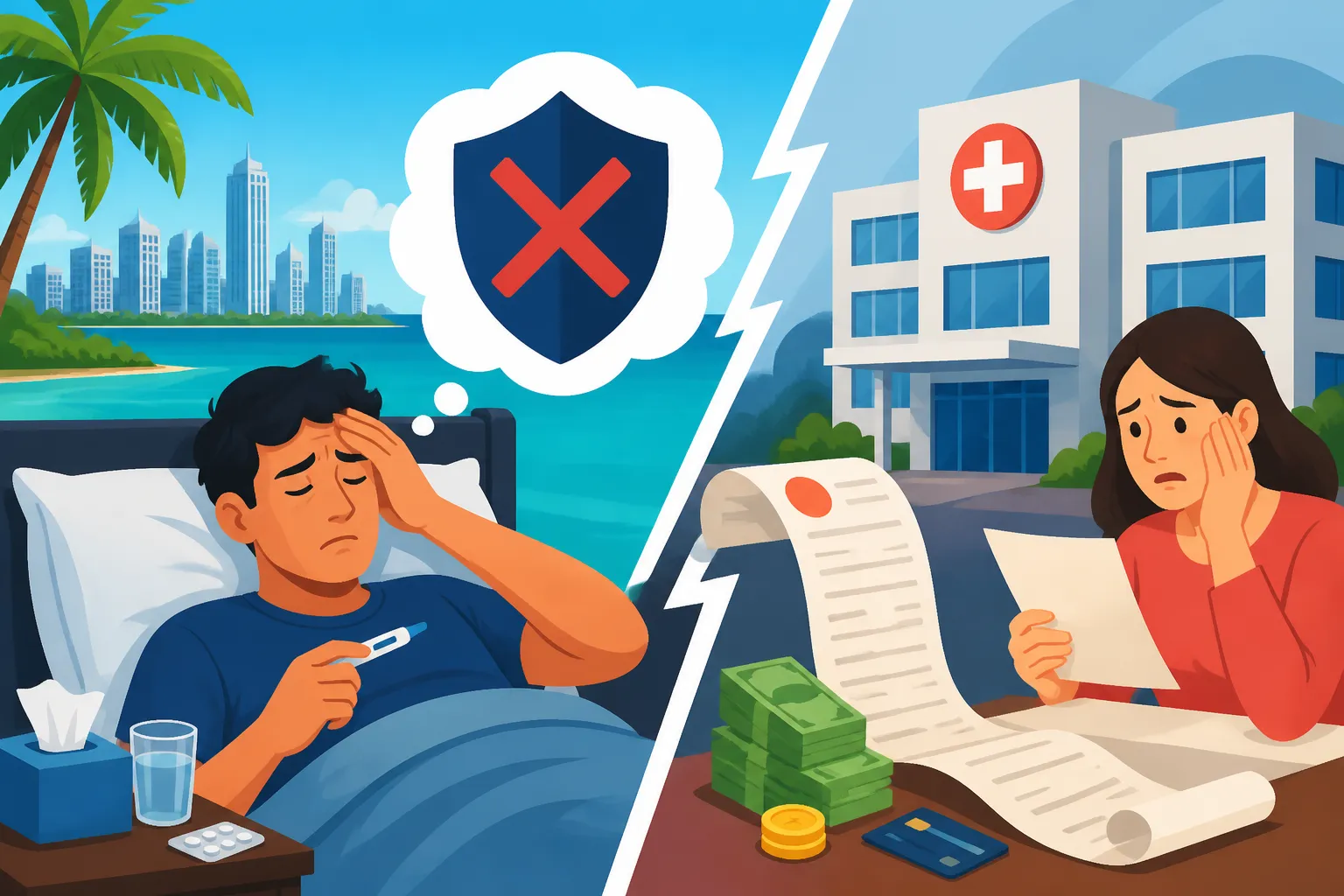
Getting sick or having an accident in Panama without health insurance is one of those nightmares that can truly unravel your expat dream, fast. It’s not just about the pain or the worry; it’s the sudden, dizzying reality of facing an unfamiliar medical system with potentially astronomical out-of-pocket costs. This guide is here to walk you through what exactly happens when you find yourself in this incredibly vulnerable position, and why being prepared in Panama is absolutely non-negotiable.
The Immediate Reality of a Medical Emergency Without Insurance in Panama
Let's be brutally honest: medical emergencies are terrifying enough without throwing financial uncertainty into the mix. When you’re in Panama, and you suddenly need medical attention, whether it's a broken bone, a nasty infection, or something far more serious, the first question, often before "what's wrong," is "how will you pay?" This isn't just a Panamanian thing; it's a global reality, but in a foreign country, it hits differently.
Initial Assessment and Stabilisation: The "Pay First, Treat Later" Dilemma
Picture this: you've just fallen and suspect a broken arm, or perhaps a sudden, excruciating stomach pain has landed you in an emergency room. When you arrive at almost any private hospital in Panama City – places like Hospital Punta Pacifica or Hospital Nacional – the first priority, after a very quick triage to ensure you're not actively dying, will often be payment. They're not being cruel; it's how their system operates. You will likely be asked for a substantial upfront deposit. This isn't just a formality; it's a hard requirement for non-insured patients. Without this deposit, you might find yourself in a difficult negotiation, or even, if your condition allows, transferred to a public facility.
Even for something less urgent, like a high fever or a persistent cough that forces you to a private clinic, you’ll be expected to pay for the consultation and any tests or medications before you leave. There’s no magic billing system that sends a bill to your home country; it's an immediate, on-the-spot financial transaction. This can be a huge shock if you’re used to systems where you pay a small co-pay or wait for an insurance claim to process. In Panama, especially in the private sector, it’s cash or card, right then and there. This can be a major source of stress when you're already feeling awful and your Spanish might not be up to explaining the nuances of your situation while clutching your aching side.
The Cost Shock: Unveiling the Price Tag of Uninsured Care
So, how much are we talking? Well, it varies wildly depending on what's wrong and where you go. But let me tell you, it can add up faster than you can say "¡Ayúdame!" For minor issues, a visit to a private doctor might be around $50-$100 USD, plus another $50-$150 for basic prescriptions or lab tests. That's manageable for a one-off. But what if it's more serious?
Let's look at some hypothetical, but very real, scenarios:
- A broken bone: X-rays, casting, specialist consultation, pain medication. You could be looking at anywhere from $500 to $2,000 or more, depending on the severity and if surgery is needed.
- Appendicitis: This is a classic expat panic. Diagnosis, surgery, hospital stay. Without insurance, this could easily run you $8,000 to $15,000 or even higher at a top-tier private hospital.
- A serious infection requiring hospitalization: IV antibiotics, daily doctor rounds, tests, overnight stay. Each day in a private hospital bed can cost hundreds, not including medical procedures or specialist fees.
The numbers quickly become staggering. And remember, this is all coming out of your pocket. Many expats assume they can just pay a little here and there, but a true emergency is designed to wipe out savings. This is why having comprehensive coverage, like many expats opt for with plans that cover unexpected emergencies or even broader international private health insurance, is so crucial.
Understanding Panama's Uninsured Healthcare Pathways: Public vs. Private
When you're without insurance in Panama, your choices for care generally fall into two categories: the public system, primarily run by the Caja de Seguro Social (CSS), and the private system. Understanding the fundamental differences in how they treat uninsured patients is absolutely vital.
Public Hospitals (CSS): The Bureaucratic Maze with Lower Costs
Panama's public healthcare system, largely managed by the CSS, is primarily designed for its citizens and legal residents who contribute to the social security fund. If you're an expat without private insurance and not enrolled in the CSS (which many aren't, especially initially, or if self-employed without local registration), you're technically a "private patient" even in a public hospital.
Here’s what that often means:
- Access: While no one will be turned away from an emergency room if their life is truly in immediate danger, you will be expected to pay for services rendered. The difference is that the costs at a CSS hospital are significantly lower than in the private sector. A doctor's visit might be $5-$20, and even a hospital stay or basic surgery could be a fraction of the private cost.
- Wait Times: Be prepared for patience. Lots of it. Public hospitals are often understaffed, overworked, and deal with a high volume of patients. Waiting hours in an emergency room, even with a serious ailment, is not uncommon. If you need to see a specialist or get non-emergency procedures, the wait could stretch for weeks or even months. For example, getting an MRI scan in Panama in a public hospital could mean a very long wait compared to a private clinic where you might get one within a day or two, but at a much higher price.
- Language Barrier: While many doctors might speak some English, especially in Panama City, don't count on it as a given, particularly in public facilities or outside major urban centers. This can make explaining complex medical issues incredibly challenging when you're at your most vulnerable. It's highly advisable to bring a Spanish-speaking friend or hire a medical interpreter if you can.
- Facilities and Equipment: The public hospitals can be a mixed bag. Some are reasonably modern, especially the larger ones, but many can feel outdated, crowded, and lack the amenities of their private counterparts.
Private Hospitals and Clinics: Quality and Speed, but at a Premium
The private healthcare sector in Panama is where many expats gravitate, and for good reason. Hospitals like Hospital Punta Pacifica, a Johns Hopkins Medicine affiliate, or Hospital Nacional offer state-of-the-art equipment, highly trained, often US-trained, medical staff, and excellent patient care. Many doctors in these facilities are bilingual, which is a huge relief for non-Spanish speaking expats.
However, the "premium" part is key:
- Upfront Payment: As mentioned, expect to pay a substantial deposit or the full estimated cost of treatment before significant procedures or admissions. They are businesses, after all. This is where Understanding Hospital Admission and Billing in Panama becomes critical.
- Higher Costs: The comfort, speed, and quality come at a price. As detailed in The Cost of Healthcare in Panama: A Complete Breakdown for Foreigners (2026), a simple doctor's visit will cost more than in the public system, and complex treatments are exponentially more expensive.
- Specialist Access: It's generally much easier and faster to get an appointment with a specialist in the private system. You often don't even need a referral for many specialists, which is a huge convenience. For those wondering How to Find an English-Speaking Doctor in Panama, the private clinics are usually your best bet.
Urgent Care Clinics: A Middle Ground for Minor Issues
For ailments that aren't life-threatening but can't wait for a regular doctor's appointment, urgent care clinics (clinicas de urgencias) can be a good option. They are often less expensive than a full-fledged private hospital emergency room and generally have shorter wait times than public hospitals. They are ideal for things like colds, flu, minor cuts, or simple infections. Again, expect to pay on the spot.
Here’s a quick overview of how the systems compare for uninsured patients:
| Feature | Public Hospitals (CSS) | Private Hospitals/Clinics |
|---|---|---|
| Cost | Significantly lower | Significantly higher |
| Upfront Payment | Expected, but less strict for emergencies; lower deposit | Often required, substantial deposits for procedures |
| Wait Times | Can be very long, especially for specialists | Generally short, quick access to specialists |
| Quality of Facilities | Varies; some modern, some basic and crowded | Generally modern, clean, and well-equipped |
| English-Speaking Staff | Less common, especially outside Panama City | More common, especially in major hospitals |
| Bureaucracy | High | Lower |
Dealing with the Bill: Financial Implications and Options When Uninsured
The moment you realize you're sick and uninsured, a cold sweat usually kicks in: how will I pay for this? The financial implications of an unexpected medical event in Panama without insurance can be devastating, leading to debt and immense stress.
Emergency vs. Non-Emergency: Different Approaches
Your first step needs to be a clear assessment: is this a life-or-death emergency?
- Life-Threatening Emergency: If it's a true emergency, like a heart attack, severe accident, or acute appendicitis, don't hesitate. Call 911 (Panama's emergency number) or get to the nearest private hospital you can afford or one known for its emergency care. For example, if you're in Panama City, Hospital Punta Pacifica or Hospital Nacional are often the first choice for expats. While they will still require payment, their priority is to stabilize you. For more information on what to do, read What Should I Do in a Medical Emergency in Panama City?. The costs for an emergency room visit can vary but without insurance, How Much Does an Emergency Room Visit Cost in Panama? can be a real eye-opener.
- Non-Life-Threatening Issue: For something less urgent, like a persistent cough, a rash, or a sprain, you have more time to choose. Consider a walk-in private clinic, or even a local community clinic if you're really strapped for cash and have a Spanish speaker with you. The idea is to get diagnosed before it escalates into something critical.
Financial Preparedness and Negotiation
Without insurance, you become your own financial manager. Here’s what you need to think about:
- Cash Reserves: This is where that emergency fund you always hear about truly comes into play. Having access to a few thousand dollars liquid can literally save you from a catastrophic situation.
- Credit Cards: High-limit credit cards can be a lifesaver, but be mindful of interest rates and repayment plans.
- Family and Friends: Don’t be afraid to reach out to your support network back home. They might be able to wire money quickly. Services like Western Union or MoneyGram can be found across Panama.
- Negotiation: In some private facilities, once stabilized, you might be able to negotiate payment plans, especially for larger bills. It's not guaranteed, but it's always worth asking. Be polite, explain your situation clearly (ideally with a translator), and see what options might be available. This is particularly true if you are a tourist and Can Tourists Access Emergency Care in Panama? is a concern.
- Consulate/Embassy: While your embassy won't pay your medical bills, they might be able to offer guidance, help you contact family, or even provide a list of local medical facilities or legal aid if things get really complicated.
Why Temporary International Travel Insurance is so Important
Many expats, especially newcomers, might not have secured long-term health insurance in Panama yet. This is precisely why a good international travel insurance plan, like those offered by SafetyWing, is so important as a stop-gap or even for those who frequently travel. It's designed to cover unexpected medical emergencies before you've had a chance to get set up with local or more comprehensive expat health insurance.
Even if you're already feeling unwell or have recently arrived without coverage, it’s a stark reminder that this type of insurance should be one of your absolute first purchases. SafetyWing and similar providers offer plans that can cover everything from emergency medical expenses to evacuations, which, trust me, you do not want to pay for out of pocket in a critical situation. It gives you a safety net for those first few months while you figure out How to Buy Private Health Insurance as a Newcomer in Panama or navigate the local system.
Beyond the Emergency: Why Insurance is Non-Negotiable for Expats in Panama
Surviving an uninsured medical emergency in Panama is an experience you really don't want to have. Beyond the immediate crisis, the long-term repercussions can linger, affecting your financial stability and peace of mind.
Medical Debt and Its Impact
Even if you manage to scrape together the funds for emergency treatment, the debt can be a heavy burden. Unlike some countries where medical debt might be treated differently, in Panama, it's a legitimate debt. If you accrue a large hospital bill and can't pay it, it can lead to legal issues, affect your ability to get loans or credit in Panama, and generally make your life incredibly stressful. This isn't just about a one-time payment; it's about the lingering financial shadow it can cast over your expat life.
Imagine having to sell assets, drain your retirement savings, or even delay your return home because you're tied up with medical bills. It happens. This is why many seasoned expats will tell you that Do I Need Private Health Insurance in Panama? isn't a question, but a resounding "Yes!"
The Peace of Mind of Being Covered
Ultimately, having appropriate health insurance in Panama isn't just a legal or financial obligation; it’s an investment in your peace of mind. Knowing that if something goes wrong, you have a plan, that you won't face financial ruin, and that you can access quality care without immediate payment demands, is invaluable.
Whether you choose a local private plan, an international expat insurance policy, or even if you manage to qualify for and register with the CSS, having some form of coverage is essential. For more details on various options, take a look at How to Choose Private Health Insurance in Panama (2027). Understanding how Panama’s healthcare system works, including the roles of both public and private care, is a critical step in feeling secure in your new home. For a deeper dive into the overall system, explore How Panama's Health System Works: CSS and Private Care Explained (2027). Don't wait until you're clutching your side in an emergency room to realize you should have listened. Be proactive, get covered, and enjoy your Panamanian adventure with genuine peace of mind.
Disclaimer
The information provided in this guide is for general informational purposes only and does not constitute medical, legal, or financial advice. While we strive to provide accurate and up-to-date information, healthcare regulations, costs, and availability in Panama can change. It is always recommended to consult with a qualified local medical professional, insurance provider, or legal expert for advice tailored to your specific situation. We cannot be held responsible for any decisions made based on the information presented herein.