Can Tourists Access Emergency Care in Panama?
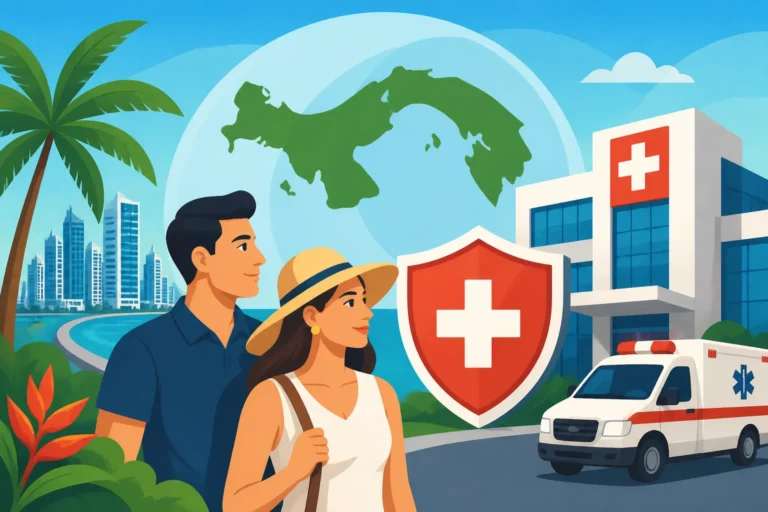
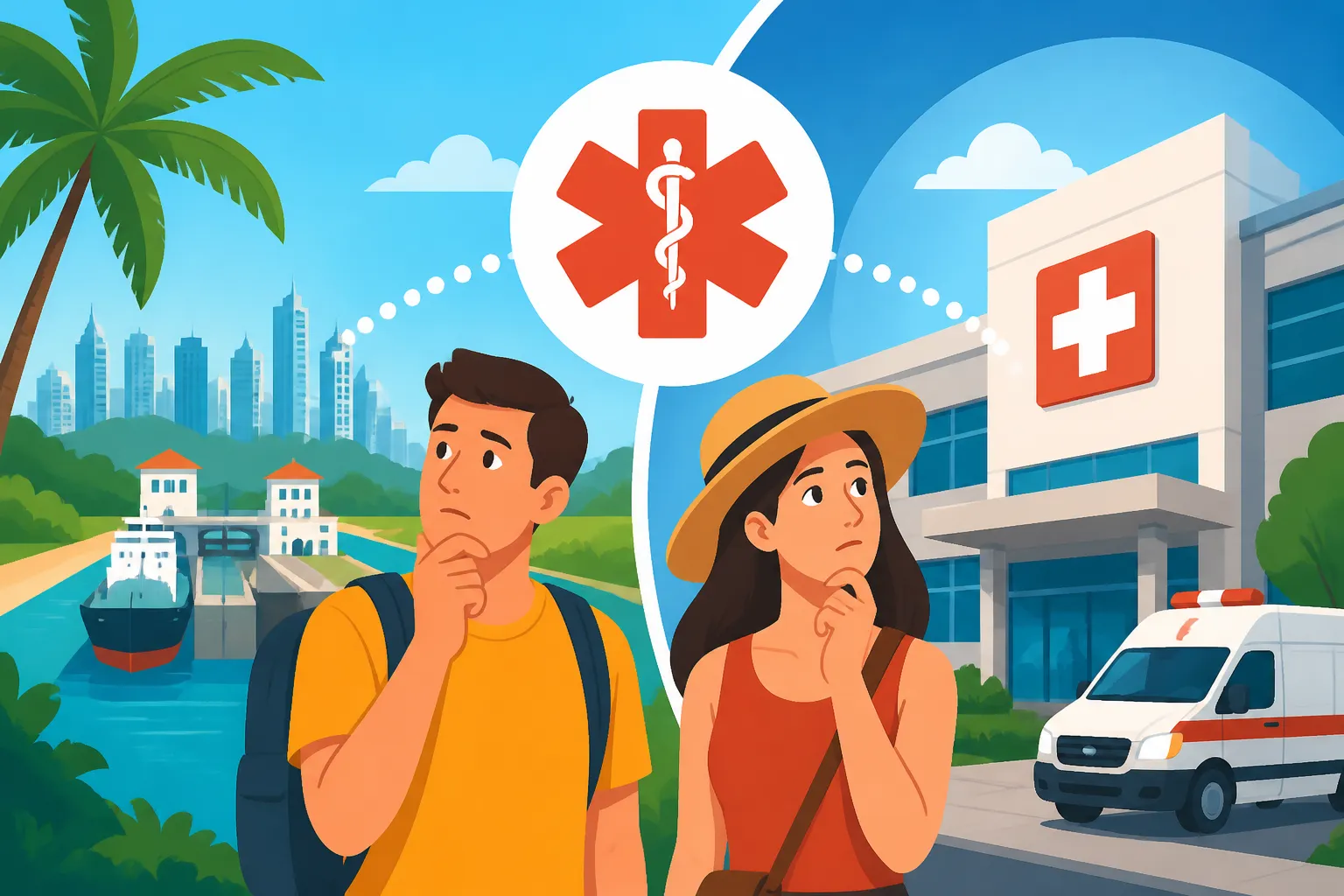
Finding yourself in a medical emergency while traveling is easily one of the most terrifying scenarios, and if you're exploring the vibrant beauty of Panama, the last thing you want is to be caught off guard. You're likely wondering, "Can tourists even access emergency care here?" The short answer is yes, absolutely, but navigating the Panamanian healthcare system as a tourist has its own set of quirks, costs, and crucial considerations that you absolutely need to understand before an urgent situation arises.
The Reality of Emergency Medical Care for Tourists in Panama
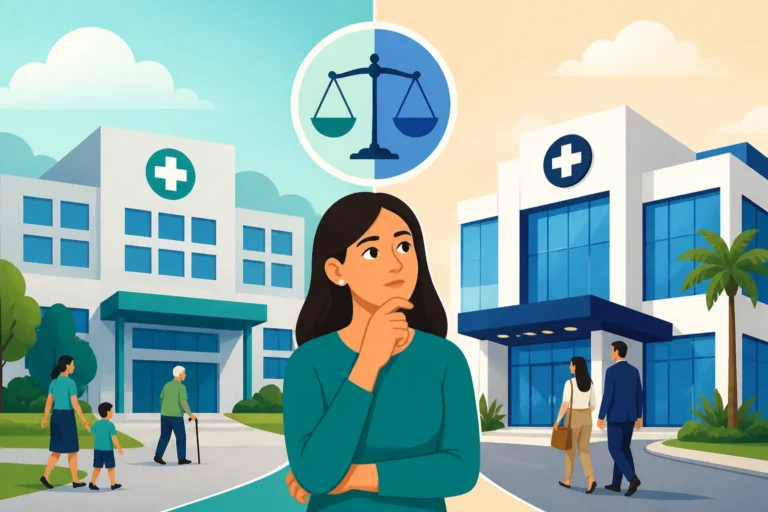
Let's start with the good news: if you experience a medical emergency in Panama, you will receive care. No hospital, public or private, will turn away someone in a life-threatening situation. However, the quality of care, the speed of service, and, most importantly, the financial implications vary wildly depending on whether you end up in a public or private facility. Newcomers commonly run into situations that make it clear that this isn't a place where you want to wing it.
Panama boasts an impressive array of private hospitals, particularly in Panama City, which are widely recognized for their modern facilities, advanced medical technology, and highly qualified staff. These institutions, such as Hospital Punta Pacifica (affiliated with Johns Hopkins Medicine International), Hospital Nacional, and Centro Médico Paitilla, often have English-speaking doctors and nurses, making the experience less daunting for foreigners. They are equipped to handle everything from minor injuries to complex surgeries, and many of the doctors have received training in the United States or Europe, bringing a high standard of care to the country. For any serious emergency, these private hospitals are your go-to.
On the flip side, Panama also has a public healthcare system run by the Caja de Seguro Social (CSS), which is primarily for citizens and legal residents who contribute to social security. While these facilities exist throughout the country, including smaller towns, they are generally not the ideal choice for tourists. You'll likely face longer wait times, significant language barriers, and facilities that, while functional, might not match the standards you're accustomed to. In a true emergency, they will stabilize you, but for ongoing care or non-life-threatening issues, the private sector is overwhelmingly preferred by expats and tourists alike. This stark difference is a core aspect of How Panama's Health System Works: CSS and Private Care Explained (2027).
It’s crucial to understand that even in a life-threatening emergency, while care will be provided, it is not free. The notion that you'll just receive care and figure out payment later often doesn't fly in the private sector. You or your travel insurance will be expected to cover the costs, and these can escalate quickly. This is where comprehensive travel insurance becomes not just recommended, but an absolute necessity for anyone visiting Panama. Without it, you could find yourself facing a substantial bill and, in some rare but reported cases, even difficulty leaving the country until medical debts are settled.
Navigating the Emergency Room: What to Expect
When you arrive at an emergency room in Panama, especially at a private hospital, the experience can feel a little different from what you might be used to back home. Knowing what to expect can reduce some of the stress during what is already a high-anxiety situation.
Upon arrival, your first stop will typically be a reception or triage area. In the major private hospitals, there's a good chance you'll encounter English-speaking staff, but don't count on it everywhere. It's always a good idea to have a translation app on your phone, or if possible, have a Spanish-speaking friend with you. Be prepared to present your passport for identification and registration. This is non-negotiable, as they need to properly identify you for their records. The staff will ask about the nature of your emergency and your symptoms to determine the urgency of your condition. This initial assessment helps them prioritize patients, much like emergency rooms globally.
One of the most significant differences you'll encounter in Panamanian private emergency care is the immediate focus on your ability to pay. Before any non-stabilizing treatment begins, or sometimes even immediately after stabilization, the administrative staff will want to know how the bill will be settled. This means presenting your travel insurance card or being ready to pay a significant deposit upfront. Numerous reports describe cases where someone without adequate insurance or ready funds was asked for a deposit ranging from hundreds to thousands of dollars, even for relatively minor issues like a broken bone or severe dehydration. This isn't unique to Panama; it's a common practice in private healthcare systems around the world. Understanding Hospital Admission and Billing in Panama is key.
If you have travel insurance, make sure you have your policy number and the insurance company's contact information readily available. Ideally, you or a companion should call your insurance provider as soon as possible, as they can often facilitate direct billing with the hospital, which significantly reduces your stress and upfront costs. Otherwise, you might have to pay out-of-pocket and seek reimbursement later, a process that can be tedious and time-consuming. Once the administrative hurdles are cleared, the medical care itself in Panama's top private hospitals is generally excellent. Doctors are thorough, and facilities are clean and well-equipped. For more information on facility quality, check out How to Use Major Hospitals Like Punta Pacifica and Hospital Nacional.
The All-Important Role of Travel Insurance
Let me be absolutely blunt: travel insurance isn't a luxury when visiting Panama; it's a critical safety net. Even if you're on a tight budget, skimping on this expense is a gamble you really don't want to take. While Panama's private hospitals offer fantastic medical care, they are businesses, and their services come at a cost – a cost that can quickly balloon into an astronomical sum for unforeseen emergencies. A simple stomach bug requiring IV fluids could set you back a few hundred dollars, but a fall resulting in a broken limb or a serious illness like dengue could easily lead to thousands, or even tens of thousands, of dollars in medical bills, not to mention potential medical evacuation costs.
When choosing a travel insurance policy for Panama, look for comprehensive coverage that includes emergency medical treatment, emergency medical evacuation, and repatriation. The evacuation clause is particularly important. If you're in a remote area of Panama and require specialized care only available in Panama City, or even back in your home country, the costs for air ambulance services are staggering. A good policy will cover these potentially life-saving transfers. Some policies, like those offered by SafetyWing, are designed with the modern traveler and digital nomad in mind, offering flexible coverage that can be purchased even after your trip has started, or extended if your plans change. This can be a real lifesaver if your initial policy runs out or if you forgot to purchase one before you left.
Understanding how your insurance company handles payments is also vital. Some policies offer "direct billing," meaning the insurance company pays the hospital directly, so you don't have to front the cash. This is the gold standard for convenience. Other policies operate on a "reimbursement" basis, where you pay upfront and then submit a claim to your insurer for repayment. Always clarify this with your provider beforehand. When an emergency strikes, your first call, after assessing immediate danger, should be to your travel insurance company. They can guide you on preferred facilities, authorize treatments, and often streamline the billing process. Neglecting to inform them can sometimes complicate claims later on. It's a key part of navigating Health Insurance in Panama: Private and International Options Explained.
Imagine being in a foreign country, seriously ill or injured, and then facing a massive bill with no way to pay it. That's the nightmare scenario without insurance. While it's rare for hospitals to literally "hold" patients, they can and will pursue payment, which can disrupt your travel plans, cause immense financial strain, and add layers of bureaucratic headaches. This is why the question of What Happens If I Get Sick Without Insurance in Panama? is so important to address proactively. Even if you have good health insurance at home, it likely won't cover international medical emergencies or evacuation, so a specific travel policy is essential. If you are wondering Can I Use International Health Insurance at Panamanian Hospitals?, the answer is often yes, but direct billing still depends on the specific agreement between your insurer and the hospital.
Common Emergency Scenarios and How to Handle Them
Panama, like any travel destination, comes with its own set of potential health and safety concerns. Knowing how to react to common emergency scenarios can save valuable time and reduce anxiety.
For general accidents like slips, falls, or minor injuries that aren't immediately life-threatening, you don't necessarily need to head straight to the largest hospital emergency room. Panama City and other larger towns have numerous private clinics (often called clínicas) that operate like urgent care centers. These are excellent for stitches, minor sprains, or sudden illnesses that require prompt attention but aren't critical. A consultation fee at a private clinic or a general practitioner can range from $30 to $80, which is significantly more manageable than an emergency room visit. You can learn more about typical costs here: How Much Does a Doctor Visit Cost in Panama?.
Tropical diseases and foodborne illnesses are a more serious concern. Dengue fever, Chikungunya, and Zika virus are all present in Panama, particularly in lower-lying, humid areas. Symptoms often mimic the flu, but if you develop a high fever, severe body aches, or a rash, seek medical attention immediately. Similarly, travelers' diarrhea or more serious food poisoning can occur. For these types of illnesses, especially if you experience persistent vomiting, diarrhea, or dehydration, it's crucial to get professional medical care to prevent complications. Don't try to tough it out for too long. Dehydration, especially in Panama's climate, can become dangerous quickly.
In the unfortunate event of a serious trauma, such as a car accident, a significant fall, or another major injury, your immediate priority should be getting to a major private hospital. In Panama City, the emergency number for police, fire, and ambulance is 911, but be aware that public ambulances can sometimes be slow to respond and may lack advanced medical equipment. For critical situations, particularly in Panama City, many expats opt for private ambulance services like SEMM (Sistema de Emergencias Médicas Móviles), which can often be faster and better equipped, though they come at a cost (usually covered by good travel insurance). Knowing Understanding Emergency Numbers (911) and Ambulance Care in Panama is invaluable. Once at the hospital, for serious conditions, the staff will act swiftly, but the payment discussion will still arise once you are stabilized. Knowing How Much Does an Emergency Room Visit Cost in Panama? can help you understand potential charges.
Dental emergencies are also a common concern for travelers. Fortunately, Panama has excellent dental care, often at a fraction of the cost you'd pay in North America or Europe. If you chip a tooth, lose a filling, or experience severe tooth pain, you can find a private dental clinic relatively easily in any major city. Most will accommodate emergency appointments. For more insights into these services and costs, refer to Understanding Dental Care Costs in Panama.
Practical Tips for Tourists in a Medical Emergency
Being prepared can make a world of difference when a medical emergency strikes. As someone who has lived through a few "uh-oh" moments here, I can tell you that a little foresight goes a long way.
First and foremost, keep your important documents accessible. This includes your passport (or a clear photocopy/digital image of it), your travel insurance card or policy details, and a list of emergency contact numbers – both local (a hotel, a friend, your embassy) and international. It’s also incredibly helpful to carry a concise list of any medical conditions you have, allergies (especially to medications), and your current medications, ideally translated into Spanish. You never know when this information might be critical. This kind of preparation is part of being ready for What Should I Do in a Medical Emergency in Panama City?.
Communication is key, even if you don't speak fluent Spanish. While many medical professionals in private hospitals might speak English, it's not guaranteed, especially in smaller towns. Having a translation app like Google Translate on your phone is invaluable. For more serious conversations, don't hesitate to ask for an English-speaking doctor or a translator. Most private hospitals can arrange one if needed. Even simple phrases like "Me duele aquí" (It hurts here) or "Necesito un médico" (I need a doctor) can be incredibly helpful.
Be prepared for payment. As discussed, private hospitals will require proof of insurance or a deposit. Ensure you have access to funds, whether it's a credit card with a sufficient limit, a debit card for ATM withdrawals (be mindful of daily limits), or some cash. Don't rely solely on a single payment method. It's also wise to research Where Is the Nearest Hospital to Me in Panama City? before you need it, perhaps noting the closest reputable private hospital to your accommodation.
Finally, try your best not to panic. This is easier said than done, I know. But remember that Panama has capable medical professionals and modern facilities, especially in the private sector. Take deep breaths, communicate as clearly as you can, and lean on the support of your travel insurance company if you have one. They are there to help you navigate these complex situations and advocate on your behalf.
| Service Type | Key Characteristics for Tourists | Payment Expectation | Recommended For |
|---|---|---|---|
| Private Hospital | Modern facilities, often English-speaking staff, advanced tech. | Upfront deposit or direct billing with travel insurance. | Serious injuries, severe illnesses, complex medical needs. |
| Public Hospital (CSS) | Basic facilities, Spanish-speaking staff, longer wait times. | Generally free for residents, but tourists may still be charged for some services. | Life-threatening emergencies if no private option is accessible, but usually not ideal for tourists. |
| Private Clinic | Urgent care, GP visits, minor injuries, prescriptions. | Out-of-pocket payment (affordable), some may accept insurance for reimbursement. | Non-life-threatening illnesses (colds, flu), minor cuts, sprains, quick consultations. |
| Pharmacy (Farmacia) | Over-the-counter meds, some prescription meds without prescription (ask pharmacist). | Cash or card. | Minor ailments like headaches, allergies, basic first aid. |
Disclaimer
Please remember that I am an expat blogger, not a medical professional or legal expert. The information provided here is based on personal experience, general knowledge, and publicly available information, and should be used for informational purposes only. Healthcare regulations and availability can change, so always verify information with official sources or a qualified professional before making decisions. It is always recommended to consult with a travel health specialist before your trip and ensure you have comprehensive travel insurance.