Where Can I Get a Flu Shot in Panama City?
Moving to a new country like Panama is incredibly exciting, but let’s be honest, the health stuff can be a real headache. One of those nagging worries many of us expats face, especially as the seasons shift, is how to protect ourselves from the common flu. Forget what you knew about getting a quick jab back home; navigating the local healthcare system for something as seemingly simple as a flu shot here can feel like a whole new adventure. This guide is here to cut through the confusion and give you the real lowdown on exactly where and how to get your flu shot right here in Panama City.
Why Getting Your Flu Shot in Panama City is Crucial for Expats
When you first arrive in Panama, you might think of it as a land of eternal summer, where the flu is just a distant, chilly memory. But trust me, that's not quite the reality. Adapting to a new climate, new people, and new routines can take a toll on your immune system, making you more susceptible to whatever local bugs are floating around. Getting your annual flu shot here isn't just a good idea; it's a vital step in maintaining your health and peace of mind while enjoying your Panamanian life.
Understanding Panama's Flu Season and Local Health Landscape
Unlike countries with distinct four-season cycles, Panama's tropical climate means that flu activity can be present year-round, often peaking during the rainy season (roughly May to November). This is when humidity is high, and people tend to spend more time indoors, creating prime conditions for respiratory viruses to spread. The common cold and flu are incredibly prevalent here, and you'll quickly learn that a sniffle or cough among colleagues and friends is a constant. As an expat, you're encountering new strains of viruses your body might not be accustomed to, making the shot even more important.
The local health landscape, while robust in the private sector, can still present challenges. While we have excellent hospitals and clinics, getting seriously ill with the flu can still mean navigating a system that might be different from what you’re used to, particularly if you're relying on public services. A severe case of the flu can disrupt your work, your travel plans, and your overall quality of life, easily turning a minor inconvenience into a major setback. Thinking proactively about your health, starting with something like a flu shot, helps you mitigate these risks significantly.
The Benefits Beyond Personal Health: Protecting Your Community
Beyond safeguarding your own health, getting vaccinated contributes to the collective well-being of the community you’ve chosen to call home. When a significant portion of the population is vaccinated, it creates "herd immunity," which offers protection to those who can't be vaccinated, such as infants, the elderly, or individuals with compromised immune systems. As expats, we're guests in this wonderful country, and being responsible members of society means doing our part to prevent the spread of illness.
Imagine being laid up in bed for a week, unable to work or enjoy the vibrant culture of Panama City, simply because you skipped a quick and easy shot. Now, multiply that by the number of people you could unknowingly infect if you contract the flu without protection. This is especially relevant if you travel frequently, interact with local communities, or have family members who are more vulnerable. Proactive health measures like the flu shot demonstrate respect for the local population and ensure you can continue to immerse yourself fully in your Panamanian adventure without unnecessary health interruptions.
Where to Find a Flu Shot in Panama City: Public vs. Private Options
Alright, so you're convinced. Now the big question is, where do you actually go to get this shot in Panama City? The good news is you have options, but understanding the nuances of each can save you time and frustration. Panama offers both public and private avenues for vaccinations, each with its own set of procedures, costs, and levels of convenience.
Public Health Facilities: The CSS (Caja de Seguro Social) and MINSA Clinics
Panama's public health system is managed by two main entities: the Caja de Seguro Social (CSS) and the Ministerio de Salud (MINSA). Generally, for something like a widespread public health initiative like the flu vaccine, MINSA clinics and health centers are the primary access points for the general public, often running vaccination campaigns. If you're officially registered with the CSS through your employment, you might also be able to access vaccines at their polyclinics.
The process at MINSA clinics is usually straightforward but can involve longer wait times, especially during peak vaccination drives. You'll typically head to your local Centro de Salud or Policlínica affiliated with MINSA. While these facilities are equipped and offer vaccines for free or at a very low cost, the experience can be less streamlined than private options. You might need to bring your cédula (Panamanian ID card) or passport. Don't be surprised if there are queues, and remember that English-speaking staff might be rare. However, if cost is a primary concern, this is usually your best bet. These clinics are often located in various neighborhoods throughout Panama City, such as the Centro de Salud de San Miguelito or specific clinics in Bella Vista. It's worth a quick online search for "MINSA Centro de Salud [your neighborhood]" to find the closest one.
Private Hospitals and Clinics: Convenience and English-Speaking Staff
For many expats, the private healthcare sector offers a more familiar and convenient experience. Panama City boasts several world-class private hospitals and clinics that provide flu shots, often with minimal wait times and the added benefit of English-speaking staff. These institutions prioritize efficiency and patient comfort, which can be a huge relief when you're dealing with healthcare in a foreign country.
Reputable private hospitals like Hospital Punta Pacifica, Hospital Nacional, and Clínica Paitilla are excellent choices. You can typically call ahead to schedule an appointment or, in many cases, simply walk in. The process is usually quick: register at reception, see a nurse or doctor who will administer the shot, and then handle payment. The cost will be higher than in public facilities, but the trade-off is often a significantly smoother experience. Many of these hospitals are located in central, easily accessible areas of Panama City, such as the banking district or Punta Pacifica. For those with private health insurance, whether a local plan or an international one, these costs might be reimbursable, so always check your policy. While a travel medical insurance like SafetyWing is incredibly useful for unexpected medical emergencies and major illnesses that might arise from complications of the flu, for routine preventive care such as a flu shot, you'll typically pay out-of-pocket, or explore whether your more comprehensive local or international expat health insurance plan covers such vaccinations.
Pharmacies and Pop-Up Clinics: A Growing Trend
In recent years, it's become increasingly common to find flu shots available at major pharmacies and during special pop-up vaccination campaigns. This is often the most convenient option for many expats, offering a quick, no-fuss way to get vaccinated without needing a doctor's appointment.
Large pharmacy chains like Farmacias Arrocha and Farmacias Metro Plus often have trained pharmacists or nurses on staff who can administer the flu vaccine. You can usually walk in, inquire at the pharmacy counter, fill out a brief form, and get your shot on the spot. The cost is generally moderate, less than a private hospital but more than public clinics, and the service is efficient. Keep an eye out for seasonal announcements or posters outside these pharmacies, especially around the start of the rainy season. Some corporate offices or large expat communities also organize pop-up clinics, often in collaboration with private medical providers, to make access even easier. This growing trend reflects Panama's efforts to increase vaccination rates and make preventive care more accessible to everyone, including foreigners. It’s always worth checking with your local Farmacias Arrocha first, as they have branches practically everywhere in Panama City, making them an incredibly accessible option for busy individuals.
The Process of Getting Your Flu Shot: What to Expect
Even once you know where to go, understanding the how can still feel a bit daunting. Let's walk through the practicalities of getting your flu shot in Panama City, from the documents you'll need to the costs involved. It's not nearly as complicated as some other administrative tasks here, but a little preparation goes a long way.
Necessary Documents and Information
Regardless of whether you choose a public clinic, private hospital, or a pharmacy, you'll need to bring a few essentials. Always have your passport with you. If you have a Panamanian cédula (resident ID card), bring that too, as it’s often preferred for identification. If you have any local health insurance, bring your insurance card. While they might not cover the flu shot itself, it's good practice to have it on hand for any other inquiries.
You’ll typically be asked for some basic personal information, your date of birth, and possibly a brief medical history to ensure there are no contraindications for the vaccine. Don’t stress about having a full medical dossier; they mainly want to know if you have any severe allergies (especially to eggs or previous flu vaccines) or if you’re currently unwell. If you're concerned about a language barrier, it helps to have a translation app ready on your phone, or if possible, bring a Spanish-speaking friend along, especially at public facilities. However, at major private hospitals like Hospital Punta Pacifica, finding English-speaking staff is rarely an issue. For general health support and understanding the healthcare system, it's a good idea to know How to Choose and Register with a Doctor or Clinic in Panama.
Costs and Coverage
The cost of a flu shot in Panama City can vary quite a bit depending on where you go:
| Facility Type | Estimated Cost (USD) | Coverage & Notes |
|---|---|---|
| MINSA Public Clinic | Free to $5 | Often free for residents and citizens during public campaigns. Minimal or no cost. Potential for longer wait times and limited English support. Primarily for preventive public health. |
| CSS Polyclinic | Free to $10 | Free for those actively contributing to CSS. Requires CSS membership and proof of affiliation. Variable wait times, usually more organized than MINSA clinics, but still public sector. |
| Private Pharmacies | $15 – $30 | Quick and convenient. Often no appointment needed. Some English-speaking staff, especially in tourist areas. Generally paid out-of-pocket, as basic travel medical insurance like SafetyWing typically doesn't cover preventive vaccines. |
| Private Hospitals | $25 – $50 | Highest convenience, minimal wait times, English-speaking staff readily available. May require a brief consultation fee in addition to the vaccine cost. Often paid out-of-pocket, but some comprehensive private health insurance plans might offer reimbursement for preventive care. Check your policy. |
As an expat, understanding your health insurance coverage is paramount. While comprehensive private health insurance in Panama might cover preventive care like flu shots, many basic or travel medical policies, such as SafetyWing, are primarily designed for unexpected illnesses, accidents, and emergencies rather than routine vaccinations. Therefore, it’s highly probable you'll be paying for your flu shot out-of-pocket, even if you have good insurance for other medical needs. Always check the specifics of your policy to see if there's any reimbursement for vaccines. For a deeper dive into your options, you should look into Health Insurance in Panama: Private and International Options Explained.
Post-Vaccination Care and Side Effects
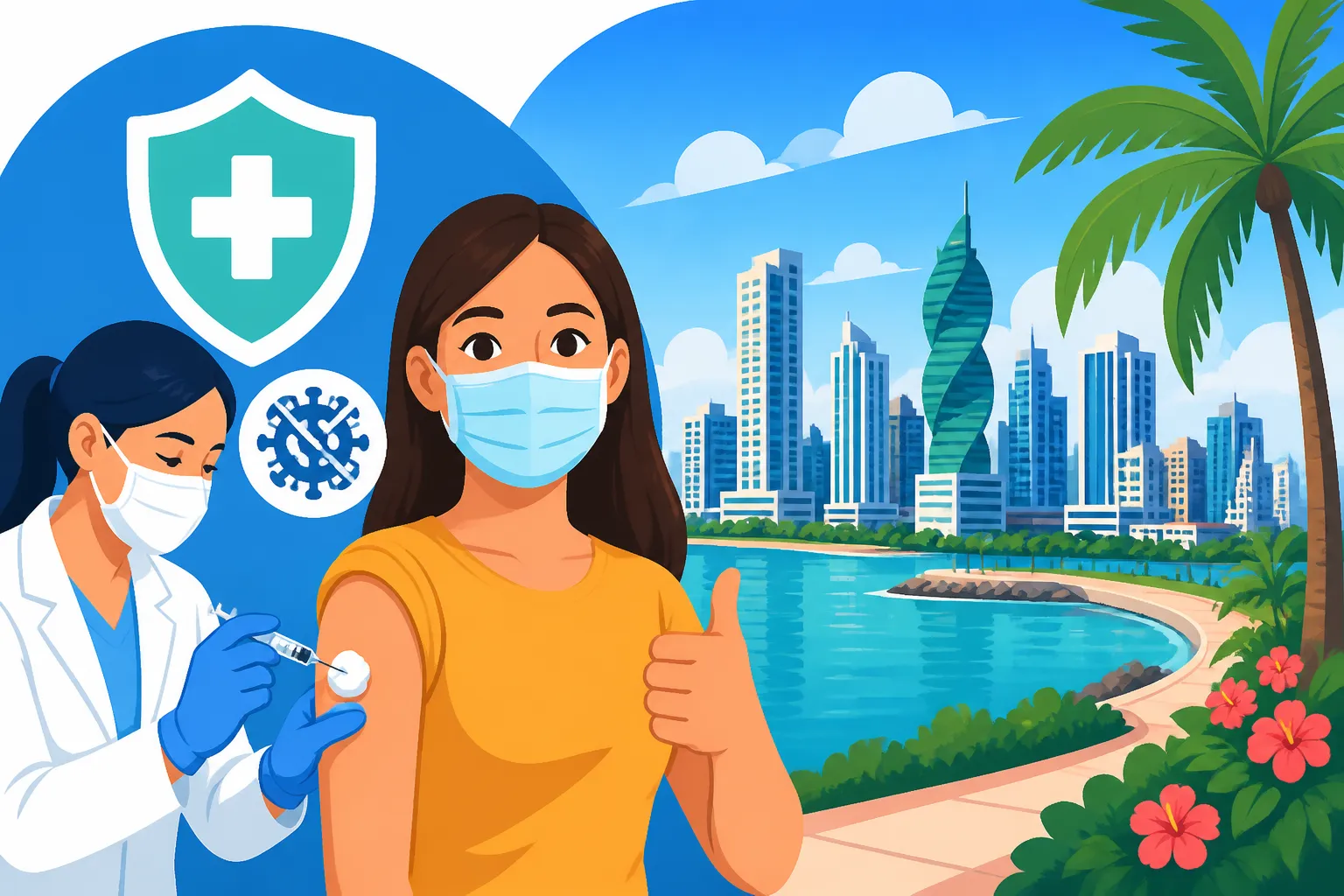
Once you've received your flu shot, the nurse or pharmacist will usually give you a small card with the vaccine details and direct you to wait for 10-15 minutes in a designated area. This is a standard precaution to monitor for any immediate allergic reactions, which are rare but possible. Most people experience only mild side effects, such as soreness, redness, or swelling at the injection site. Some might feel a low-grade fever, headache, or muscle aches, which are usually mild and resolve within a day or two.
It’s important to remember that the flu shot cannot give you the flu. If you feel unwell after the shot, it's likely a normal immune response, or you might have contracted a cold or another virus before the vaccine had a chance to become effective. Keep the injection site clean, and you can apply a cool compress if there's swelling. If you experience severe symptoms like difficulty breathing, hives, or dizziness, seek immediate medical attention. Panama has robust Emergency Medical Care in Panama: What Every Expat Needs to Know if something more serious were to occur, although it’s highly unlikely with a flu shot.
Planning Ahead and Staying Healthy in Panama
Getting your flu shot is a fantastic proactive step, but it’s just one piece of the puzzle when it comes to maintaining your health as an expat in Panama. A holistic approach will serve you best in the long run.
Timing Your Flu Shot for Optimal Protection
In Panama, with its year-round tropical climate, there isn't one single "flu season" like in temperate countries. However, flu activity often increases during the rainy season, which typically runs from May to November. For optimal protection, many health professionals recommend getting your flu shot before or at the beginning of this period. Since the vaccine takes about two weeks to become fully effective, aiming for April or May is a good strategy.
Keep in mind that flu vaccines are updated annually to target the strains expected to be most prevalent. This means you’ll need a new flu shot every year. Don't rely on last year's vaccination for current protection. Staying vigilant and scheduling your annual shot should become a routine part of your expat health calendar. Always ask your local doctor or pharmacist when the new batch of vaccines becomes available in Panama.
General Health Tips for Expats in Panama
Beyond the flu shot, there are several general health practices that every expat in Panama should embrace:
- Hydration: Panama's heat and humidity mean you're constantly losing fluids. Drink plenty of water throughout the day to stay hydrated and support your immune system.
- Nutrition: Embrace the abundance of fresh fruits and vegetables available in local markets. A balanced diet is fundamental to good health.
- Hand Hygiene: This cannot be stressed enough. Frequent hand washing with soap and water, or using an alcohol-based hand sanitizer, is one of the most effective ways to prevent the spread of germs, including the flu virus.
- Other Vaccinations: Talk to a local doctor about other recommended vaccinations for living in a tropical environment. Depending on your activities and where you'll be spending time, vaccinations for tetanus, hepatitis, or even yellow fever (if you plan to travel to certain regions) might be advised. It's crucial to understand Understanding Childhood Vaccination Schedules in Panama if you have children.
- Establish Local Care: Don't wait until you're sick to find a doctor. Take the time to How to Find and Register with a Doctor in Panama in Panama City. This will make accessing care much easier when you need it.
- Understand the Pharmacy System: Familiarize yourself with local pharmacies and how to get prescriptions. Knowing Understanding the Pharmacy System and Buying Medicines in Panama can be incredibly helpful.
- Comprehensive Health Insurance: While SafetyWing is a fantastic option for travel medical insurance and initial expat needs, covering a broad range of emergencies, it’s worth considering a more robust local or international health insurance plan if you plan to reside long-term and want coverage for routine check-ups and preventive care. This gives you peace of mind for both the big stuff and the smaller, but still important, health considerations. For a full picture, read The Complete Guide to Healthcare in Panama for Expats (2027) to really understand how to navigate everything.
Taking these steps will help you stay healthy and enjoy your life in Panama to the fullest, minimizing health worries and maximizing your adventures.
Disclaimer
The information provided in this guide is intended for general informational purposes only and does not constitute medical advice. While we strive to provide accurate and up-to-date information, healthcare guidelines and availability can change. Always consult with a qualified medical professional or local healthcare provider in Panama for personalized advice regarding your health and specific vaccination needs.