How to Access Specialist Care in Panama
One of the biggest anxieties of moving to a new country like Panama is figuring out the healthcare system. It's especially daunting when you suddenly need to see a specialist – whether it's for a recurring issue, a new concern, or just a routine check-up that requires more than a general practitioner. This guide aims to pull back the curtain on how expats can access specialist care in Panama, offering practical advice and a clear roadmap to navigate what can often feel like a labyrinthine process.
Understanding Panama's Dual Healthcare System
Before you even think about seeing a specialist, it's crucial to grasp the two main avenues of healthcare available in Panama: the public system, primarily run by the Caja de Seguro Social (CSS), and the private sector. Each has its own quirks, benefits, and challenges, especially for foreigners.
The Public System CSS (Caja de Seguro Social)
The CSS is Panama's national social security fund, providing healthcare services to employees and their dependents who contribute to the system. If you're working legally in Panama and your employer is paying into the CSS, you technically have access to this system. The facilities can range from basic health centers to larger hospitals. For more detailed insights, you can explore guides like How Panama's Health System Works: CSS and Private Care Explained (2027).
However, accessing specialist care through the CSS can often test your patience. Appointments typically require a referral from a CSS-affiliated general practitioner, and waiting times for popular specialists can be notoriously long. Picture this: you feel a persistent ache, go to a CSS clinic, get referred to a specialist, and then find out the earliest appointment is three months away. For anything urgent but not life-threatening, this can be incredibly frustrating. The doctors and staff are often overworked, and while they do their best, the system is stretched thin, leading to less personalized care than you might be used to. Navigating it effectively often requires a good command of Spanish and a lot of persistence.
The Private Healthcare Landscape
For most expats, the private healthcare system is the preferred route for its efficiency, modern facilities, and often, English-speaking staff. Panama boasts several top-tier private hospitals and clinics, particularly in Panama City, such as Hospital Punta Pacifica (affiliated with Johns Hopkins Medicine International), Hospital Nacional, and Centro Médico Paitilla. These institutions offer a wide range of specialist services, from cardiology and oncology to orthopedics and dermatology, with state-of-the-art equipment and highly qualified doctors. You might find it helpful to read about Public vs Private Healthcare in Panama: What Expats Need to Know to understand the distinctions better.
The private system operates on a fee-for-service model, meaning you'll pay directly for consultations, tests, and procedures, often upfront. This is where private health insurance becomes incredibly valuable, as it can significantly mitigate these costs. While the quality of care is generally excellent and appointments are much easier to secure, the costs can add up quickly without proper coverage. This duality is a common theme in many developing countries, and Panama is no exception; convenience and speed often come at a premium.
The Referral Process for Specialist Care
One of the first questions expats ask is, "Do I need a referral to see a specialist?" The answer largely depends on whether you're using the public or private system, and what type of health insurance you might have.
Navigating Referrals in the Public System
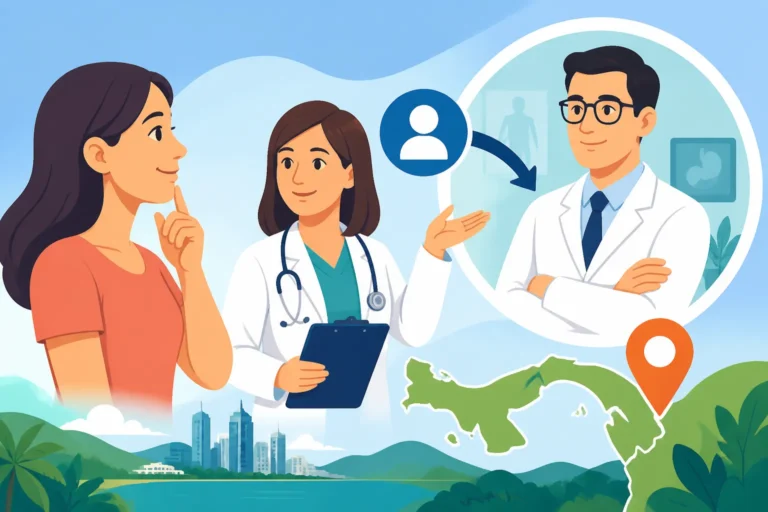
As mentioned, within the CSS, a referral is generally mandatory. You can't just walk into a CSS specialist clinic without first seeing a general practitioner (GP) who is part of the CSS network. This GP will assess your condition and, if necessary, issue a referral to the appropriate specialist. The referral process involves paperwork, sometimes multiple visits to get signatures, and then the waiting game for the specialist appointment itself.
For example, if you suspect you need to see a dermatologist for a skin condition, your first stop would be a CSS family doctor or general practitioner. They would examine you, and if they deem a specialist consultation necessary, they would provide the referral. This process can feel bureaucratic and time-consuming, especially if you're accustomed to more streamlined systems. Patience, as they say, is a virtue, and it's certainly a necessity when dealing with the CSS.
Direct Access in Private Clinics
This is where the private system really shines for expats. In most private clinics and hospitals, you can directly schedule an appointment with a specialist without a prior referral from a GP. This direct access is a huge relief for many, cutting down on unnecessary intermediate steps and allowing you to address your health concerns more swiftly. You simply call the specialist's office or the hospital's appointments desk, explain what kind of specialist you need, and book a time.
However, while you can go directly, it's often still a good idea to consult a general practitioner first, even in the private system. A good GP can help diagnose your issue, recommend the right specialist, and even provide valuable insight into the local medical community. They can also ensure you're not unnecessarily seeing a specialist when a general physician could handle your concern, saving you time and money.
The Role of a General Practitioner (GP)
Whether you're in the public or private system, establishing a relationship with a good general practitioner in Panama is invaluable. Think of your GP as your primary healthcare coordinator and trusted advisor. In the private system, your GP can be your first point of contact for any health concern. They can perform initial diagnostics, offer preventive care, and most importantly, recommend reputable specialists when needed. Having a GP who understands your medical history and can communicate effectively (ideally in English, if that's your preference) can significantly improve your experience.
A good GP can also act as your advocate, helping you navigate the system, understand billing, and even assist with follow-up appointments. They become especially important when dealing with chronic conditions that require ongoing management or when you need to coordinate care among multiple specialists. Don't underestimate the comfort and efficiency a reliable family doctor can bring to your healthcare journey in Panama. Many expats find it worth the effort to How to Choose and Register with a Doctor or Clinic in Panama.
Finding the Right Specialist for Your Needs
Once you understand the referral process (or lack thereof in the private sector), the next step is finding the perfect specialist. This isn't always as simple as a quick Google search, especially when you're in a new country and looking for someone trustworthy.
Researching and Vetting Specialists
The best way to start your search for a specialist in Panama is through word-of-mouth recommendations. Expats often share their positive (and sometimes negative) experiences with doctors in local forums, Facebook groups, and community meetups. Don't be shy about asking fellow expats for their recommendations for particular specialties, whether it's an endocrinologist, a gynecologist, or a pediatrician. Personal testimonials carry a lot of weight.
Beyond personal recommendations, you can also use online directories. Many private hospitals like Hospital Punta Pacifica and Hospital Nacional have websites with searchable directories of their affiliated doctors, often including their specialties, educational backgrounds, and contact information. When vetting a specialist, consider their qualifications (where did they study?), their experience, and their hospital affiliations. Some doctors might have trained internationally, which can be a plus for expats seeking a familiar standard of care.
Leveraging Networks and Online Resources
Expats in Panama are a tight-knit community, and tapping into these networks can be incredibly helpful. Online forums, WhatsApp groups, and local expat association websites are treasure troves of information. People often post questions asking for recommendations for specific specialists, and you'll usually get a flurry of helpful responses. These platforms also offer a space to ask about expected costs or insurance acceptance, giving you a clearer picture before you even make an appointment.
For instance, if you're looking for an ophthalmologist in David or a cardiologist in Boquete, posting in a local expat group for that region could quickly yield results. Furthermore, some private insurance providers or assistance programs might have their own networks of recommended doctors, which can streamline your search. SafetyWing, a popular option for digital nomads and travelers, for example, often provides resources for finding medical care in different countries, which can be a handy tool for preliminary research if you have their coverage. Remember that an insurance provider's network might not always be the most exhaustive list, but it's a good starting point to find vetted professionals.
Important Considerations: Language and Location
For many expats, language is a major barrier. While many specialists in Panama City, especially in the private hospitals, speak excellent English (often having trained in the US or Europe), this isn't always the case outside the capital or in smaller clinics. If your Spanish isn't fluent, explicitly asking for an English-speaking doctor when you call to book an appointment is crucial. You don't want to be in a situation where you can't fully understand your diagnosis or treatment plan. Luckily, resources like How to Find an English-Speaking Doctor in Panama can help.
Location also plays a significant role. Panama City is undoubtedly where you'll find the widest array of specialists and the most advanced medical facilities. If you live in a smaller town like Boquete or Coronado, you might find that for more complex or niche specialties, you'll need to travel to the capital. Factor in travel time and logistics when considering specialists outside your immediate area. For routine specialist visits, finding someone locally can be convenient, but for serious or rare conditions, Panama City is typically the hub.
Costs and Insurance for Specialist Visits
Understanding the financial aspect of specialist care in Panama is paramount. Without proper planning, costs can quickly escalate, turning a health concern into a financial headache.
Out-of-Pocket Costs Without Insurance
If you don't have private health insurance or a CSS affiliation, you'll be paying for specialist visits entirely out-of-pocket. The cost of a private specialist consultation in Panama can vary widely depending on the doctor's reputation, specialty, and the clinic's location. A general consultation might range from $40 to $80, but a specialist could charge anywhere from $75 to $150 or more for an initial visit. Follow-up appointments are often slightly less.
However, the consultation fee is usually just the tip of the iceberg. Any diagnostic tests (blood work, X-rays, MRIs, ultrasounds), procedures, or follow-up treatments will incur additional charges. For example, an MRI could cost several hundred dollars, while a minor outpatient procedure might run into thousands. This is why many expats emphasize the importance of insurance. For a comprehensive overview of expenses, see The Cost of Healthcare in Panama: A Complete Breakdown for Foreigners (2026). Without insurance, you need to be prepared for potentially significant expenses, so always ask for an estimate upfront if possible.
Utilizing Private Health Insurance
For most expats, private health insurance is the key to affordable and accessible specialist care. There are several types of private insurance plans available in Panama, ranging from local Panamanian plans to international options. When choosing a plan, it's vital to check what specialists and services are covered, what your deductible and co-pays are, and if there are any network restrictions. Many plans will cover specialist consultations, diagnostic tests, and necessary procedures, subject to their terms and conditions.
Local Panamanian insurance plans are often more budget-friendly but might have limitations on where you can seek care or have higher deductibles. International health insurance, while typically more expensive, offers broader coverage and portability, which is great if you travel frequently or anticipate needing care outside Panama. Reputable providers like ASSA Compañía de Seguros, Generali, and Mapfre are common in Panama. Understanding your policy is crucial; don't assume anything. Always confirm with your insurance provider whether a specific specialist or procedure is covered before you proceed. This proactive approach will save you from unexpected bills. Delve deeper into options with Health Insurance in Panama: Private and International Options Explained.
International Health Insurance Considerations
If you're a digital nomad, a frequent traveler, or simply want comprehensive coverage that extends beyond Panama's borders, an international health insurance plan is often the best solution. Providers like SafetyWing offer flexible, travel-oriented medical insurance that can be particularly appealing to expats who aren't permanently tied to one location. These plans often allow you to seek care with virtually any licensed doctor or hospital, giving you immense flexibility in choosing your specialist.
When considering international insurance, look for plans that offer good outpatient coverage, as many specialist visits fall under this category. Check their claims process: do they pay directly, or do you have to pay upfront and then seek reimbursement? SafetyWing, for instance, generally requires you to pay upfront for smaller costs and then file a claim for reimbursement, though direct billing can sometimes be arranged for larger expenses. It's a different rhythm than some local plans, but the global coverage can be a huge benefit. Always compare plans and understand their terms, especially regarding pre-existing conditions and annual limits, as these can significantly impact your coverage for specialist care. For a deeper dive, consider How to Choose Private Health Insurance in Panama (2027).
Preparing for Your Specialist Appointment
Once you've found your specialist and scheduled the appointment, preparing properly can make the visit much smoother and more productive. This is especially true when navigating a foreign healthcare system.
Essential Documents and Information
Before you head to your appointment, gather all relevant documents. This typically includes:
- Your passport and visa/residency card: For identification.
- Your insurance card and policy details: So the clinic can verify your coverage and process claims.
- Any referral letters: If you're coming from a GP or another specialist.
- Previous medical records: This is critical. Bring any lab results, imaging reports (X-rays, MRIs, ultrasounds), and a list of current medications (including dosages). If these are in English, that's often fine, but if they're in another language, consider getting key documents translated.
- A list of your symptoms and medical history: Be prepared to clearly articulate your concerns. Write them down if it helps, especially if there's a language barrier, so you don't forget anything important.
Having everything organized will not only save time but also help the specialist get a complete picture of your health status quickly. Some private clinics might even ask you to fill out patient intake forms online beforehand, which can streamline the check-in process.
Questions to Ask and Expectations
Don't be afraid to ask questions during your consultation. It's your health, and you have a right to understand everything. Here are some examples of questions to consider:
- "What is your diagnosis?"
- "What are the treatment options, and what are the pros and cons of each?"
- "What are the potential side effects of any prescribed medications or procedures?"
- "What is the expected recovery time?"
- "Are there any alternative treatments you recommend?"
- "What are the costs involved, including any follow-up visits or tests?"
- "Who should I contact if I have further questions or concerns?"
It's also a good idea to bring a notebook to jot down notes or even ask if you can record the conversation (with the doctor's permission, of course). If there's a language barrier, consider bringing a trusted friend who speaks Spanish, or even utilizing a translation app for simple phrases. Having clear expectations about the consultation length, the potential for immediate solutions versus further testing, and follow-up steps will also help manage any anxiety.
Follow-up Procedures and Next Steps
Before you leave the specialist's office, make sure you understand the next steps. Will you need further tests? When and how will you receive the results? Do you need to schedule a follow-up appointment? If medication is prescribed, ensure you understand the dosage, frequency, and duration. For more information on prescriptions, refer to Prescription Medications and Pharmacies in Panama: The Complete Guide.
Some clinics will schedule your follow-up tests and appointments for you right there, which is very convenient. Others might give you instructions and contact numbers to arrange things yourself. Always confirm who you should contact if your condition worsens or if you have questions after you've left the clinic. Having a clear plan of action will give you peace of mind and ensure continuity of care. This is an important part of Understanding How to Choose a Hospital in Panama.
Navigating Specific Specialist Areas
While the general process is similar across specialties, some areas have unique considerations for expats in Panama.
Mental Health Specialists
Accessing mental health services as an expat can be particularly challenging due to language barriers, cultural differences, and the stigma that might still exist around mental health in some communities. In Panama, you can find a range of mental health professionals, including psychologists, psychiatrists, and therapists. Many of these professionals in the private sector, particularly in Panama City, are bilingual and trained in Western therapeutic approaches.
However, finding the right fit takes time and research. You might need to try a few different practitioners before you find someone you connect with. Online directories, expat forums, and even your GP can provide recommendations. Remember that psychiatrists (medical doctors) can prescribe medication, while psychologists and therapists focus on talk therapy. Check your insurance coverage carefully, as mental health services are not always fully covered or might have different limits than physical health services. For further assistance, check out How to Access Mental Health Services in Panama as an Expat.
Dental Specialists
Dental care in Panama is generally of high quality and often more affordable than in North America or Europe, making it a popular destination for dental tourism. You can find excellent general dentists as well as specialists like orthodontists, endodontists (root canals), periodontists (gum disease), and oral surgeons. Most modern dental clinics in Panama City offer advanced treatments and utilize up-to-date technology.
You generally don't need a referral to see a dental specialist; you can book directly. When choosing a dental specialist, ask about their experience, particularly for complex procedures, and always request a detailed quote before proceeding with any major work. Dental insurance is often separate from general health insurance, so confirm your coverage. Even without specific dental insurance, the out-of-pocket costs for many procedures can still be significantly lower than in many Western countries. To explore costs, check out Understanding Dental Care Costs in Panama.
Other Common Specialist Needs
Panama's private healthcare system offers a broad spectrum of other specialists. If you need, for example, a dermatologist, an ENT (Ear, Nose, Throat) specialist, a gynecologist, or a urologist, you'll find plenty of highly qualified professionals, especially in Panama City.
Here's a quick overview of what to expect for some common specialist needs:
| Specialist Area | Typical Access Path (Private) | Key Considerations for Expats | Average Initial Consultation Cost (USD) |
|---|---|---|---|
| Dermatology | Direct appointment | Look for doctors with experience treating diverse skin types. | $75 – $120 |
| Orthopedics | Direct appointment | Many doctors specialize in sports injuries; ask about rehabilitation options. | $80 – $150 |
| Cardiology | Direct appointment | Highly skilled cardiologists available; often linked to top private hospitals like How to Use Major Hospitals Like Punta Pacifica and Hospital Nacional. | $90 – $180 |
| Gynecology/OB-GYN | Direct appointment | Many female doctors available; consider continuity of care for pregnancy. | $70 – $130 |
| Pediatrics | Direct appointment | Look for child-friendly clinics; inquire about vaccination schedules. | $60 – $100 |
(Note: Costs are approximate and can vary significantly.)
For any specialist, don't hesitate to ask about their experience with expats or specific conditions. Having a clear understanding of what to expect, from the first consultation to potential follow-up care and billing, will make your specialist journey in Panama much smoother. And remember, having a reliable health insurance plan, whether local or international like SafetyWing, can provide invaluable peace of mind when navigating these various specialist needs.
Disclaimer
The information provided in this guide is for general informational purposes only and does not constitute medical, legal, or financial advice. Healthcare systems, regulations, and costs in Panama can change. While we strive to keep information up-to-date, it is essential to consult with qualified professionals (doctors, insurance providers, legal counsel) for advice tailored to your specific situation. Always verify current procedures and requirements.