Can I Use International Health Insurance at Panamanian Hospitals?
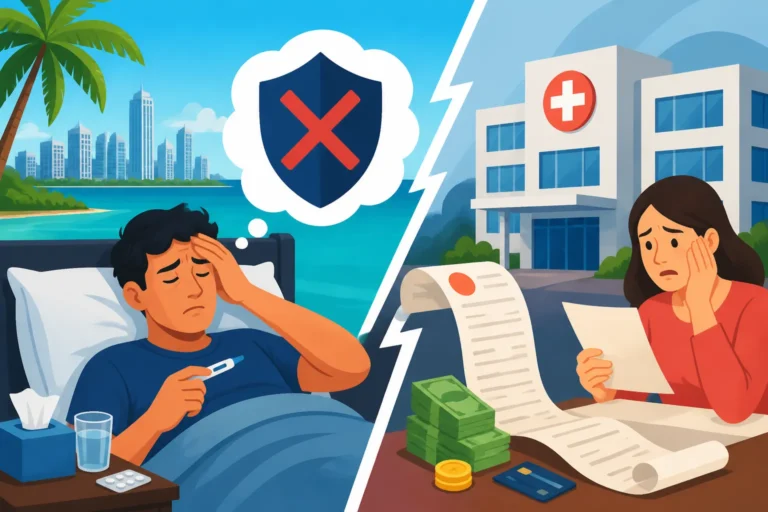
When you first move to Panama, or even if you’ve been here a while, that nagging thought about a medical emergency always lingers. Will your international health insurance actually work here? Will you be stuck paying out-of-pocket for a serious issue, or worse, navigating a confusing system in Spanish when you’re already stressed? This guide is here to demystify how international health insurance integrates with Panama's healthcare system, ensuring you understand your options and can access care when you need it most.
Understanding International Health Insurance in Panama
Let's get one thing straight: navigating healthcare in a foreign country is rarely as straightforward as it is back home. Panama has a decent healthcare system, especially in its major cities, offering both public (CSS) and private options. But for expats, private care is usually the preferred route due to better facilities, shorter wait times, and English-speaking staff. This is where your international health insurance truly shines, but it's vital to understand its nuances.
International health insurance is specifically designed for people living outside their home country for extended periods. It's different from basic travel insurance, which typically only covers emergencies for short trips. A good international policy will cover a wide range of medical needs, from routine doctor visits and prescription medications to major surgeries and emergency evacuations. The key is knowing how your specific policy interacts with the local Panamanian hospitals and clinics. Some policies might have a direct billing agreement, where the hospital bills your insurer directly, meaning less upfront cost for you. Others might operate on a reimbursement basis, where you pay and then claim the money back from your insurer.
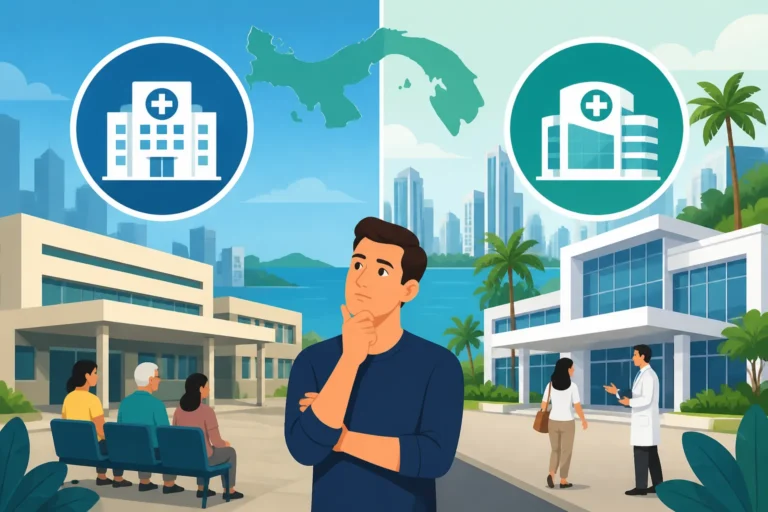
Consider the kind of life you lead here. Are you mostly staying in Panama City with access to top-tier hospitals like Hospital Punta Pacifica or Hospital Nacional? Or are you nestled in the highlands of Boquete, where smaller clinics might be your first point of contact? Your insurer's network and preferred providers can vary significantly. Many policies offer global coverage, but some might exclude your home country, so always double-check the fine print. When you're looking at providers, check if they offer direct billing options in Panama, a feature that many reputable international insurers, including some flexible plans like those from SafetyWing, are starting to offer more widely with their network of hospitals. This makes a huge difference in an emergency, trust me.
The Difference Between Travel and International Health Insurance
This is a common point of confusion for many newcomers, and it's absolutely crucial to grasp the distinction. Travel insurance is designed for temporary trips and primarily covers unexpected emergencies like accidents or sudden illnesses during your travels. It often has shorter coverage periods, lower limits, and typically doesn't cover routine check-ups or pre-existing conditions unless explicitly stated and paid for. If you break your leg skiing or get a nasty stomach bug on vacation, travel insurance is your friend.
International health insurance, on the other hand, is a long-term solution for expats, digital nomads, and those living abroad indefinitely. It's comprehensive, covering not just emergencies but also planned medical treatments, specialist visits, maternity care, and often prescription drug coverage. It’s structured more like a traditional health insurance plan you might have had in your home country, just with a global reach. Trying to rely on travel insurance for long-term residency in Panama is like trying to fix a leaky roof with a band-aid – it won't hold up. You need a robust plan that acknowledges you’re living here, not just visiting. For a deeper dive into the overall health system, you might want to read about How Panama's Health System Works: CSS and Private Care Explained (2027).
Common Coverage Types and Exclusions
International health insurance plans come in various shapes and sizes, much like a Panamanian fruit stand. You'll find everything from basic inpatient-only plans (covering hospital stays, surgeries, and serious treatments) to comprehensive plans that include outpatient care (doctor visits, diagnostics), dental, vision, and even mental health services. The more comprehensive the plan, the higher the premium, naturally.
However, almost all policies have exclusions, and these are where many expats get caught out. Common exclusions include pre-existing conditions (unless you’ve paid extra for a waiver or waited through a specific waiting period), cosmetic procedures, fertility treatments, and often high-risk sports. It’s absolutely vital that you meticulously read your policy document to understand what is, and isn’t, covered. Even with a great plan, like the ones from providers such as SafetyWing, you'll want to ensure you understand the specific terms related to pre-existing conditions. For example, if you have a chronic condition like diabetes, you need to verify if your insulin and regular doctor visits will be covered, or if there's a specific waiting period before such coverage kicks in. Don’t just assume – ask your insurer directly for clarity before you need the help.
Navigating Panamanian Hospitals with International Insurance
So, the unexpected happens. You need to visit a hospital or clinic. This is where having your insurance ducks in a row pays off big time. Panama's private hospitals are generally well-equipped, particularly in Panama City, with modern facilities and often US-trained doctors. Knowing the process beforehand can save you a ton of stress in a high-pressure situation.
The first thing to determine is whether your international insurance offers direct billing or if you’ll need to pay upfront and seek reimbursement. Direct billing is a godsend; it means the hospital directly communicates with your insurer for payment, reducing your immediate financial burden. Many larger private hospitals in Panama City, like Hospital Punta Pacifica, Hospital Nacional, or Centro Médico Paitilla, have international departments and are accustomed to working with international insurance companies. They often have dedicated staff who can assist with this process.
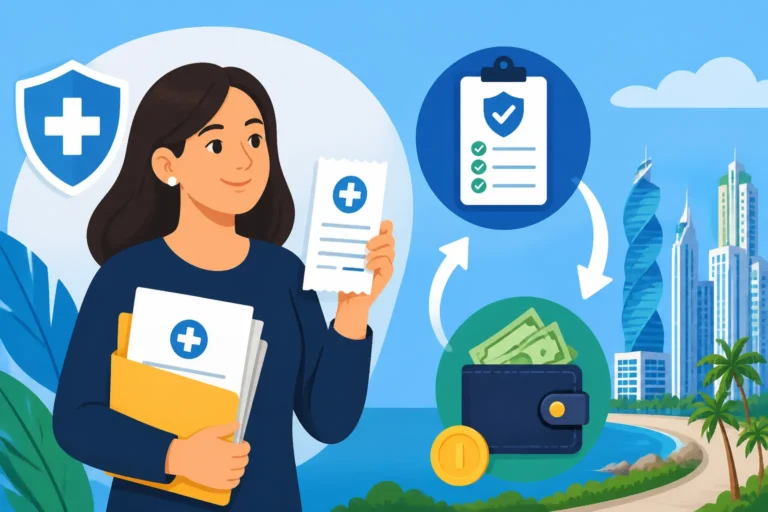
If direct billing isn't an option, you'll pay out-of-pocket and then submit a claim. This is more common for smaller clinics or less serious ailments. Always get detailed receipts, medical reports, and any prescription information. Having a local contact or an English-speaking friend with you can be incredibly helpful, not just for translation but for moral support and navigating the paperwork. For more on how billing works, check out Understanding Hospital Admission and Billing in Panama.
Direct Billing vs. Reimbursement Process
Let’s break down these two payment methods, as they significantly impact your experience.
Direct Billing:
- Pros: Minimal upfront cost for you. The hospital handles most of the communication and paperwork with your insurer. Less stress during a medical event.
- Cons: Not all hospitals or clinics offer it. Requires pre-authorization from your insurer for non-emergency treatments.
- How it Works: In an emergency, head to a hospital that is part of your insurer's network (or one that has a track record with international insurance). Present your insurance card and policy details to the admissions desk. They will contact your insurer for approval. For planned treatments, you'll likely need to get pre-authorization from your insurer before the procedure. Once approved, the hospital bills your insurance company directly. You might still be responsible for a deductible, co-pay, or any services not covered by your plan.
Reimbursement:
- Pros: Gives you more flexibility to choose any doctor or clinic, regardless of network.
- Cons: You pay the full cost upfront. Can be a lengthy process to get your money back. Requires meticulous record-keeping.
- How it Works: You pay for all services at the time of your visit. Make sure to get an itemized bill, diagnosis, and all medical reports. Fill out a claim form from your insurance company (often available online). Attach all original receipts, medical documents, and a copy of your passport/visa. Submit the claim according to your insurer's instructions and within their specified timeframe. The insurance company will review your claim and reimburse you for covered expenses. This can take weeks or even months, so be prepared for that financial outlay.
Here's a quick comparison:
| Feature | Direct Billing | Reimbursement |
|---|---|---|
| Upfront Cost | Low (deductible/co-pay only) | High (full cost of treatment) |
| Paperwork | Mostly handled by hospital/insurer | Extensive, handled by you |
| Speed | Faster access, quicker resolution | Slower, can take weeks/months for payment |
| Flexibility | Limited to network or approved hospitals | More flexibility in choosing providers |
| Stress Level | Lower | Higher, especially during a medical event |
| Ideal For | Emergencies, planned major procedures | Minor ailments, clinics not in network |
Emergency Procedures and Pre-Authorization
In a true medical emergency, your priority is to get to the nearest capable hospital. In Panama City, that usually means a private hospital like Hospital Punta Pacifica, Hospital Nacional, or Centro Médico Paitilla. Don't worry about pre-authorization in a life-threatening situation; seek care first. Once you're stable, or as soon as practically possible, you or someone assisting you should contact your international insurance provider. They have 24/7 emergency hotlines precisely for this purpose. Provide them with your policy number, a brief description of the situation, and the hospital's contact information. They will then work directly with the hospital to arrange payment and coordinate care. This is a critical service offered by most reputable international insurers. For more details on what to do, refer to Emergency Medical Care in Panama: What Every Expat Needs to Know.
For non-emergencies or planned procedures (like a surgery, specialist consultation, or extensive diagnostic tests), pre-authorization is almost always required. This means your insurance company needs to approve the treatment before it happens. Your doctor or the hospital will usually help you submit the necessary medical reports and treatment plans to your insurer. This step ensures that the treatment is medically necessary and covered under your policy, preventing any nasty surprises later. Always give yourself plenty of time for this process, as it can sometimes take a few days for approval to come through.
Key Considerations Before a Medical Need Arises
Being prepared is half the battle, especially when it comes to healthcare in a foreign land. You really don't want to be scrambling for policy numbers or trying to figure out coverage details when you're feeling unwell or in pain. A little bit of proactive planning can make a world of difference.
First and foremost, thoroughly review your insurance policy documents. I know, I know, it’s dry reading, but it’s absolutely essential. Understand your coverage limits, deductibles, co-pays, and any exclusions. Pay particular attention to how they handle medical evacuation and repatriation, which can be critical if you need specialized care not available in Panama. Ensure you have your insurer's 24/7 emergency contact number saved in your phone and written down somewhere easily accessible, along with your policy number.
Another crucial step is to identify your preferred private hospitals and clinics in your area of Panama. In Panama City, options abound, but if you're in a smaller town like David or Coronado, your choices might be more limited. Research which hospitals have international departments or English-speaking staff. It’s a good idea to know where to go before you have to go. You can also explore options for finding an English-Speaking Doctor in Panama beforehand.
Knowing Your Policy Inside and Out
I can't stress this enough: dig into those policy documents. Don't just skim. Look for sections on:
- Deductibles and Co-pays: What’s your out-of-pocket responsibility before coverage kicks in, or what percentage do you pay per visit/service?
- Annual and Lifetime Limits: Is there a cap on how much your insurance will pay in a year or over the lifetime of the policy?
- Specific Benefits: Does your plan cover prescription drugs, dental care, physiotherapy, or mental health services? These are often add-ons or separate tiers of coverage.
- Geographic Coverage: Does it cover you globally? Are there any specific countries excluded?
- Emergency Contact Information: Always have their 24/7 emergency assistance number handy.
- Claim Procedures: How do you submit a claim? What documents are needed? What’s the deadline for submission?
Understanding these details will save you immense headaches and potential financial strain. Many expats are surprised by the costs of healthcare here; knowing what your insurance will and won't cover is paramount. Check out The Cost of Healthcare in Panama: A Complete Breakdown for Foreigners (2026) for a broader picture.
Verifying Hospital Networks and Direct Billing
Before an emergency strikes, take the time to contact your international insurance provider directly. Ask them for a list of hospitals and clinics in Panama that are part of their direct billing network. This list is golden. Keep it somewhere easily accessible. Even if a hospital isn't on their official direct billing list, many large private hospitals in Panama are familiar with international insurers and might still facilitate the process. It's always worth asking at the admissions desk.
If you know you'll be needing a specific specialist or a particular procedure, call your insurer first. Ask about their pre-authorization requirements and confirm if they have any preferred providers for that type of care in Panama. This proactive approach ensures there are no surprises when the bill comes. Sometimes, what's covered for a general practitioner might not be fully covered for a highly specialized surgeon, so it pays to confirm.
Making the Most of Your International Coverage
Having international health insurance is a fantastic safety net, but it's only truly effective if you use it wisely and understand how to navigate the system. Beyond just knowing your policy, there are practical steps you can take to ensure a smoother healthcare experience in Panama.
Think about developing a relationship with a local general practitioner in Panama, ideally one who speaks English. Even if your insurance allows you to see specialists directly, having a primary care doctor who understands your medical history and can guide you through the local system is invaluable. They can also help with referrals to specialists, which, while not always strictly required by private insurance, can often streamline the process and ensure you see a reputable doctor.
Keep meticulous records of all your medical interactions. This means copies of doctor's notes, prescriptions, test results, and especially all financial receipts. Should a claim get complicated, having a complete paper trail will be your best defense. Also, don't be afraid to communicate proactively with your insurance company. If you have questions about coverage for a specific treatment or are unsure about a billing process, call them. They are there to help, and clarifying things upfront is always better than dealing with disputes later.
Communication with Your Insurer and Hospitals
Effective communication is the cornerstone of hassle-free international healthcare. When you contact your insurance provider, always have your policy number, dates of service, and clear questions ready. Don't assume anything; ask for clarification on anything you don't understand. If you're dealing with a language barrier at a hospital, see if they have an interpreter service or if a staff member can translate. Many of the larger private hospitals in Panama City specifically cater to an international clientele and will have English-speaking staff or a dedicated international patient department.
For ongoing treatments or chronic conditions, maintaining open lines of communication between your Panamanian doctors and your insurer is key. Your insurer may require regular reports or updates on your condition. Also, be mindful of deadlines for submitting claims. Most insurance companies have a strict timeframe (e.g., 90 days from the date of service) within which you must file your claim. Missing this window could mean your claim is denied, leaving you on the hook for the full cost. When considering which plan is right for you, learning How to Choose Private Health Insurance in Panama (2027) can provide valuable insights.
Keeping Records and Documentation
This tip is perhaps the most practical and often overlooked aspect of using international health insurance. Create a dedicated folder, both physical and digital, for all your medical records in Panama. This should include:
- Copies of your international health insurance card and policy documents.
- All medical reports, including doctor's notes, diagnosis codes, lab results, and imaging reports.
- Itemized bills and receipts for all consultations, procedures, and medications.
- Any correspondence with your insurance company regarding pre-authorizations or claims.
- A list of your current medications (generic and brand names) and any allergies.
- Contact information for your primary care doctor, specialists, and emergency contacts.
Having these documents organized can expedite claims, help new doctors understand your history, and provide crucial information in an emergency. It's a habit that will pay dividends, especially when you need to access specialist care in Panama or even transfer your medical records to a new clinic.
Remember, the goal is to feel secure and well-cared for while living your expat dream in Panama. Your international health insurance is a powerful tool to achieve that, provided you understand how to wield it effectively.
Disclaimer
Please note that this guide provides general information and recommendations. Healthcare regulations, insurance policies, and hospital procedures can change. It is essential to consult with your specific international health insurance provider and, if necessary, a legal professional or an insurance broker for personalized advice regarding your individual circumstances in Panama. This content is not a substitute for professional medical or legal counsel.