How Much Does a Normal Delivery Cost in Panama?
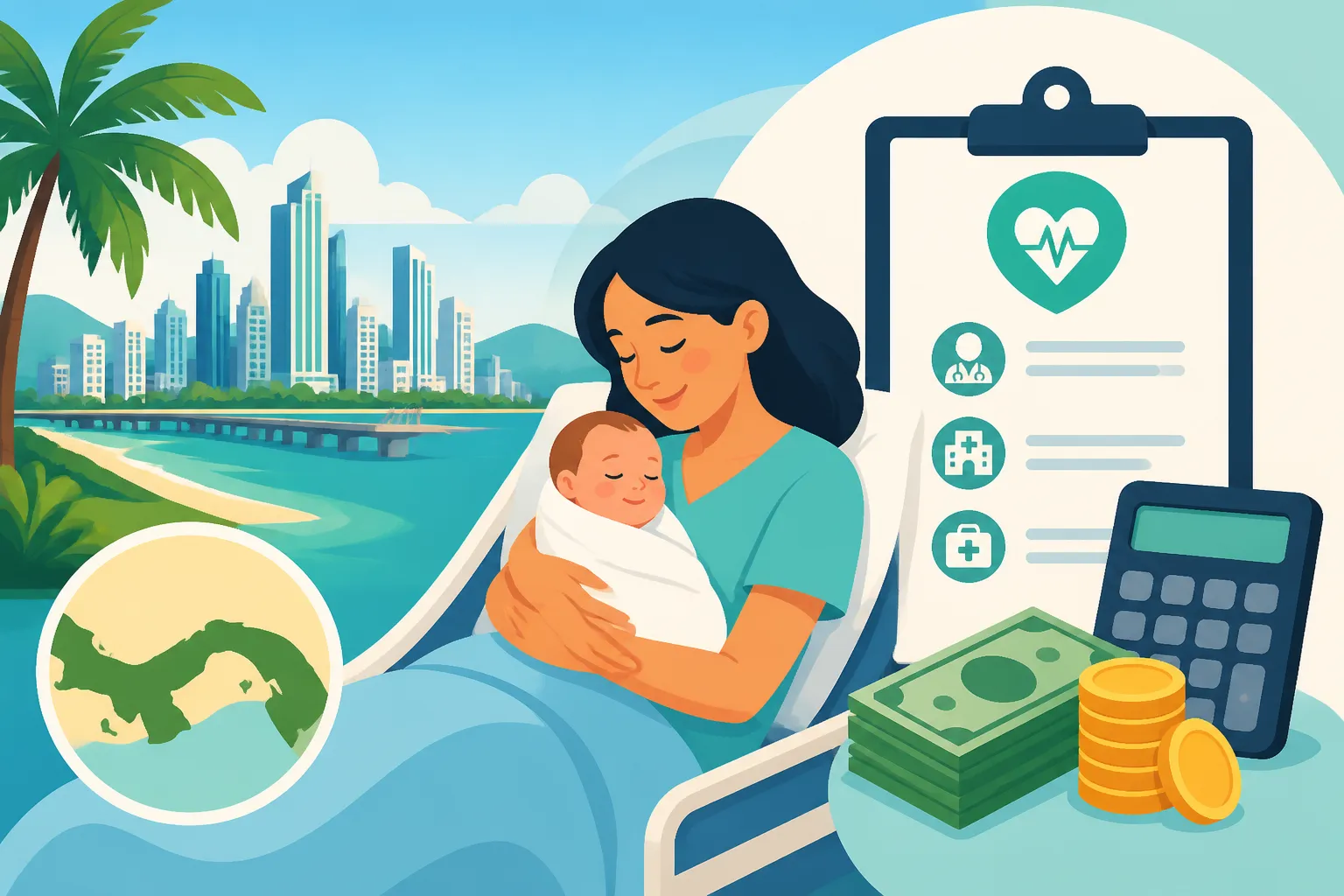
Bringing a new life into the world is an incredibly special experience, but for expats in Panama, the joy can sometimes be overshadowed by a cloud of uncertainty, especially when it comes to understanding healthcare costs. Trying to figure out "how much does a normal delivery cost in Panama?" can feel like navigating a maze blindfolded, with varying prices, different systems, and language barriers adding to the stress. This comprehensive guide is here to cut through that confusion, giving you a realistic breakdown of what to expect, from public hospitals to the most upscale private clinics, so you can plan for this momentous occasion with peace of mind.
The Landscape of Maternity Care Costs in Panama
Let's be honest, one of the first things on any expectant expat's mind is the financial aspect of childbirth. You're in a new country, maybe still getting a handle on the local currency and healthcare quirks, and suddenly you're faced with a major life event. The good news is that Panama offers a range of options, but understanding the cost implications for each is absolutely crucial. This isn't your home country where you might instinctively know the ins and outs; here, you need to be proactive and informed.
Public vs. Private Facilities: A Stark Contrast
The difference between public and private healthcare in Panama, particularly for something as significant as childbirth, isn't just about the bill at the end – it's about the entire experience. Panama operates a dual system: the public sector, primarily run by the Caja de Seguro Social (CSS), and a robust private healthcare network.
If you're an expat who is formally employed and contributing to the CSS, you do have access to public maternity services. For many Panamanians, and indeed for expats who are fully integrated into the public system, the costs associated with a normal delivery can be astonishingly low, sometimes practically free beyond a nominal fee for certain supplies. However, this comes with certain realities. Public hospitals, while providing essential care, can be overcrowded. Wait times can be long, facilities might be older, and while medical professionals are generally competent, English-speaking staff are not guaranteed. The level of personalized care you might be accustomed to might also differ. It's a completely different cultural experience, and for some, the lack of private rooms or consistent communication can be a source of anxiety.
On the other hand, private hospitals and clinics offer a standard of care that many expats find more familiar and comfortable, often on par with Western medical facilities. These institutions, especially in Panama City, boast modern equipment, private rooms, and a higher likelihood of English-speaking staff. They prioritize patient comfort and offer more personalized attention. However, this comfort and convenience come at a significantly higher price point. It's a trade-off many expats are willing to make for peace of mind during such a vulnerable time.
For a deeper dive into these options, you might find our guide on Public vs Private Healthcare in Panama: What Expats Need to Know incredibly helpful.
What "Normal Delivery" Typically Includes in Panama
When you're asking about the cost of a "normal delivery," it's important to understand what services are usually encompassed in that quoted price, especially in the private sector. Unlike a quick doctor's visit, childbirth is a complex event involving multiple medical professionals and resources.
Generally, a package for a normal vaginal delivery in a private Panamanian hospital will include:
- Obstetrician's Fees: This covers the primary doctor delivering your baby. Their experience and reputation can sometimes influence the fee.
- Hospital Stay: Typically 24-48 hours for an uncomplicated vaginal birth. This includes the room, nursing care, and basic amenities.
- Anesthesiologist's Fees: If you opt for an epidural or other pain management, this will be included.
- Pediatrician's Fees: The pediatrician will examine the newborn immediately after birth and during the hospital stay.
- Basic Medical Supplies and Medications: Essentials used during the delivery and immediate post-partum period.
- Newborn Screening Tests: Basic tests like Apgar scores and initial health checks.
However, it's crucial to always get a detailed breakdown from the hospital or your chosen obstetrician. Some packages might not include prenatal consultations, advanced newborn tests, or extended hospital stays due to complications. This leads us to the next point about the variables at play.
Factors Influencing the Final Bill
The "how much" question is never a simple number because several factors will nudge the final cost up or down:
- Location: Like real estate, healthcare costs are often higher in the capital. A private delivery in Panama City's top hospitals will naturally cost more than in a smaller city like David or Santiago.
- Hospital Reputation and Facilities: High-end hospitals like Hospital Punta Pacifica, Hospital Nacional, or Clínica Hospital San Fernando in Panama City have state-of-the-art facilities and a reputation for excellence, which is reflected in their pricing. Smaller private clinics might offer slightly lower rates.
- Doctor's Experience and Specialization: Highly sought-after or specialist obstetricians might charge more for their services.
- Type of Delivery: While we're focusing on "normal delivery," it's important to note that a C-section will always be significantly more expensive due to longer operating room time, more staff, and a longer hospital stay.
- Complications: Any unforeseen complications during labor or after delivery for either mother or baby will add to the cost, sometimes substantially. This is where comprehensive health insurance becomes invaluable.
- Time of Day/Emergency: While not usually a separate charge for planned deliveries, emergency situations can sometimes incur additional fees or dictate which medical team is available, potentially impacting costs.
Understanding these variables from the outset can help you prepare a more realistic budget and avoid unwelcome surprises.
A Deep Dive into Private Hospital Delivery Costs
For many expats, the private healthcare route is the preferred choice for maternity care in Panama, offering a blend of modern medical practices and a more personalized experience. But let's get down to brass tacks: what kind of figures are we really talking about? It's not always easy to get a straightforward answer, and prices can fluctuate, so consider these as realistic estimates based on current trends and expat experiences.
Typical Price Ranges for Vaginal Birth
In Panama City, where the majority of expats reside and where the highest quality private hospitals are concentrated, you can expect a normal vaginal delivery to fall within a specific range.
For an uncomplicated normal vaginal delivery, including the obstetrician's fee, anesthesiologist, pediatrician, and a standard 24-48 hour hospital stay, you're generally looking at:
- Lower to Mid-Range Private Hospitals/Clinics (e.g., Hospital Santa Fe, some smaller clinics): Expect to pay anywhere from $2,500 to $4,500 USD. These facilities are still excellent but might be slightly less luxurious or have fewer amenities than the top-tier hospitals.
- Top-Tier Private Hospitals (e.g., Hospital Punta Pacifica, Hospital Nacional, Clínica Hospital San Fernando): The cost will typically range from $4,500 to $7,000 USD or even higher, depending on the specific doctor, suite choice, and any minor extras. These hospitals are known for their international standards and often cater to a discerning clientele.
It's important to remember that these are estimates for an uncomplicated delivery. Always ask for a detailed quote, often referred to as a "paquete de maternidad" (maternity package), from your chosen hospital and doctor. Don't be afraid to shop around and compare.
You might want to check out our article on How to Use Major Hospitals Like Punta Pacifica and Hospital Nacional for more insights into these top facilities.
Hidden Fees and Additional Expenses to Budget For
Ah, the "hidden" fees! They're not always hidden in a deceptive way, but rather items that might not be explicitly covered in the base "delivery package" that you initially receive. Being aware of these can save you from a nasty shock later.
Here are some common additional expenses you should factor into your budget:
- Prenatal Care: The cost of your regular prenatal check-ups, ultrasounds, blood tests, and other consultations with your OB-GYN leading up to the delivery. These are typically billed separately per visit and can add up over nine months. A single consultation can range from $50 to $150 USD, and you'll have many.
- Epidural/Pain Management: While often included in "packages," sometimes specific types of anesthesia or additional doses might incur extra charges. Confirm this.
- Extended Hospital Stay: If you or the baby needs to stay longer than the standard 1-2 days (for a vaginal birth), each additional day will have a room and nursing care charge.
- Specialized Newborn Tests: Beyond the basic Apgar, if your baby needs specific blood tests, hearing screenings, or other diagnostic procedures, these will be separate costs.
- Post-natal Check-ups: Your follow-up visits after delivery (for both mother and baby) are usually not included in the delivery package.
- Medications and Supplies Post-Discharge: Any prescriptions for the mother or baby after leaving the hospital will be an out-of-pocket expense unless covered by your insurance.
- Complications: This is the big unknown. If there are any complications, such as an emergency C-section, NICU stay for the baby, or prolonged treatment for the mother, the costs can escalate dramatically. This is precisely why having robust health insurance is not just a good idea, but essential.
The Critical Role of Health Insurance
This is where a good health insurance plan truly shines. For expats, especially those planning a family, investing in comprehensive health insurance that covers maternity is non-negotiable. Without it, you're looking at paying the full amounts listed above out of pocket, which can be a significant financial burden.
Many expats opt for private international health insurance or local private plans. These plans can cover a substantial portion, if not all, of your maternity care costs, including prenatal visits, the delivery itself (whether vaginal or C-section), and post-natal care. However, it's vital to note a couple of key points:
- Waiting Periods: Most maternity coverage comes with a waiting period, often 10-12 months, meaning you can't just get pregnant and then buy a plan. You need to secure your insurance before conception for maternity benefits to kick in.
- Coverage Details: Read the fine print! Understand deductibles, co-pays, annual limits, and what specific procedures are covered. Some plans might cover up to a certain amount for a normal delivery, and you'll pay the rest.
Brands like SafetyWing offer flexible travel medical insurance that can be particularly useful for those still establishing long-term residency or looking for basic coverage, but for comprehensive maternity coverage, you'd typically look at their Nomad Insurance or other long-term international plans that are designed for extended stays and more robust healthcare needs. Always verify the specific maternity benefits and waiting periods with any provider.
For guidance on choosing the right plan, take a look at our article, How to Choose Private Health Insurance in Panama (2027). It can make a world of difference to your experience and your wallet. If you're wondering Do I Need Private Health Insurance in Panama?, the answer for expecting parents is almost always a resounding yes.
Navigating Public Healthcare for Childbirth
While many expats lean towards private healthcare for maternity, it's important to understand the public option in Panama, especially if you're formally employed and contributing to the national social security system. It's a different world from the private clinics, but it serves a crucial role and can be a viable option for those who qualify or are on a tighter budget.
The CSS System: Low Cost, Different Experience
Panama's public healthcare system is primarily managed by the Caja de Seguro Social (CSS). If you are legally employed in Panama and your employer registers you with the CSS, you contribute a portion of your salary to this system. In return, you and your dependents are entitled to access public healthcare services, including maternity care, at little to no direct cost.
For a normal delivery under the CSS system, the out-of-pocket expense is often incredibly low, sometimes just a few dollars for certain medications or materials that aren't fully stocked. This makes it an incredibly appealing option from a purely financial standpoint.
However, the experience will likely differ significantly from what you might expect in a private facility. CSS hospitals can be very busy, and the approach is often more focused on medical necessity rather than patient amenities or personalized preferences. You might find:
- Crowded Facilities: Expect shared rooms, bustling waiting areas, and less privacy.
- Language Barrier: English-speaking staff are less common, so having a basic grasp of Spanish or bringing a trusted translator is highly recommended.
- Fewer Amenities: Public hospitals are functional; they may not offer luxuries like private rooms, extensive menu options, or an array of pain management choices beyond the essentials.
- Less Choice: You generally won't "choose" your doctor; you'll be seen by the doctor on duty.
For expats who are part of the CSS system and wish to explore this route, it's wise to visit the CSS maternity ward in your area well in advance to get a feel for the environment and ask specific questions about their procedures and what you need to bring. Our guide on How to Register with the CSS (Caja de Seguro Social) in Panama is a great starting point if you're unsure about your eligibility.
Out-of-Pocket in Public Hospitals (Without CSS Coverage)
What if you're not covered by the CSS but still need to access a public hospital? This scenario is less common for planned deliveries, as most would opt for private care if paying out-of-pocket, or ensure they have insurance. However, in an emergency, or if for some reason you don't have private insurance or CSS coverage, public hospitals will still provide care.
The costs for a normal delivery without CSS coverage in a public hospital would still be substantially lower than in a private facility. You might be charged a basic fee for the use of facilities, doctor's time, and materials. This could range from a few hundred dollars up to perhaps $1,000-$1,500 USD, depending on the hospital and complexity. However, the quality of amenities and personalized care will remain the same as described above. It's a pragmatic choice for those facing financial constraints, but again, be prepared for a very different patient experience.
Preparing for Public Hospital Care
If you plan to utilize public hospital care, preparation is key. This isn't just about packing a bag; it's about mental and cultural readiness.
- Learn Basic Spanish: Even a few phrases related to medical needs can make a huge difference.
- Bring a Companion: Having a friend or family member who speaks Spanish can be invaluable for communication and advocacy.
- Pack Essentials: While private hospitals provide most necessities, you might need to bring more of your own comfort items, toiletries, and even some basic medical supplies (though this should be confirmed with the hospital).
- Understand Protocols: Ask about visiting hours, what items are allowed, and their general approach to labor and delivery. It might be more interventionist than some Western practices.
- Cultural Sensitivity: Be prepared for cultural differences in how pain is managed, how information is communicated, and the general flow of care. Patience and an open mind will serve you well.
For more detailed information on preparing for childbirth, our post on Understanding Maternity and Prenatal Care in Panama covers a lot of ground that applies to both public and private options. And for specific advice on how to choose, check out How to Choose Between Public and Private Maternity Care in Panama.
Planning and Payment Strategies for Your Panamanian Delivery
Having a baby in a foreign country is a big deal, and while exciting, it also requires meticulous planning, especially when it comes to finances. A little foresight can save you a lot of stress down the line.
Importance of Early Planning and Budgeting
I can't stress this enough: start planning as soon as you know you're expecting. Or better yet, if you're an expat planning to start a family in Panama, make this a priority long before conception. Why? Because of those insurance waiting periods we talked about, and also because securing your chosen doctor and hospital often requires advance booking and sometimes deposits.
- Research Hospitals and Doctors: Don't just pick the first one you hear about. Ask other expat moms in online forums or local groups for recommendations. Visit the hospitals, if possible, to get a feel for the environment.
- Get Detailed Quotes: Once you've narrowed down your choices, request a comprehensive maternity package quote for both a normal delivery and a C-section (just in case) from your preferred hospital. Ask what is not included.
- Create a Realistic Budget: Factor in all potential costs: prenatal visits, delivery package, medications, any potential complications, post-natal care, and even things like baby supplies and nursery setup.
- Understand Payment Schedules: Some private facilities might require a deposit upon booking or a percentage of the total fee by a certain point in your pregnancy.
Remember, the goal is to reduce surprises. The more questions you ask upfront, the clearer your financial picture will be.
Payment Options and Negotiating
Private hospitals in Panama are businesses, and while they have set prices, there can sometimes be a little flexibility, particularly if you're paying cash.
- Cash Discounts: It's not uncommon in Panama for medical providers to offer a small discount (e.g., 5-10%) if you pay the full amount in cash upfront. It never hurts to ask, but do so respectfully and discreetly.
- Payment Plans: For larger expenses not covered by insurance, inquire if the hospital offers any installment plans, especially for the portion due before discharge. This is less common for the delivery itself but might be an option for extensive prenatal care or unexpected complications.
- Credit Cards: All major private hospitals accept credit cards. Be aware of any foreign transaction fees your bank might charge if using an international card.
- Direct Billing with Insurance: If you have private insurance, clarify if they offer direct billing with your chosen hospital. This means the hospital bills your insurance company directly, and you only pay your co-pay or deductible. This is a huge convenience and reduces the upfront financial burden on you. Brands like SafetyWing, for example, typically work on a reimbursement model for smaller claims, but for larger medical events like childbirth, they can often coordinate direct billing with hospitals, assuming you have the appropriate comprehensive plan and have met any waiting periods. Always confirm this with your insurance provider before the due date.
The Undeniable Value of Comprehensive Health Insurance
I cannot emphasize this enough: for expats in Panama, having comprehensive health insurance, especially when planning a family, is paramount. It's not just about covering the delivery itself; it's about having a safety net for the unexpected.
Imagine this scenario: you've budgeted for a normal vaginal delivery, but unforeseen complications arise, requiring an emergency C-section and a week in the ICU for your newborn. Without insurance, those costs could skyrocket into the tens of thousands of dollars, quickly turning a joyous occasion into a financial nightmare. A good insurance policy, like those offered by international providers or robust local private plans, can literally be a lifesaver.
Beyond the financial security, knowing you're covered reduces immense stress. You can focus on your health and the health of your baby, rather than worrying about mounting medical bills.
When considering options, look for plans that cover:
- Prenatal and Postnatal Care: Comprehensive coverage for all your check-ups.
- Delivery (Vaginal and C-section): Make sure both are covered, regardless of how you expect to deliver.
- Complications: Essential for covering unexpected medical issues for mother or baby.
- Newborn Care: Coverage for the baby from birth, including any necessary medical interventions.
If you're still exploring your options, our guide on Health Insurance in Panama: Private and International Options Explained is an excellent resource. Also, consider how to Add Dependents to Your Health Insurance in Panama once your little one arrives!
Here's a simplified table to help visualize potential costs:
| Type of Care | Public Hospital (CSS Covered) | Public Hospital (Out-of-Pocket) | Private Hospital (Mid-Range) | Private Hospital (Top-Tier) |
|---|---|---|---|---|
| Normal Vaginal Delivery (Base) | $0 – $100 (Nominal fees) | $500 – $1,500 | $2,500 – $4,500 | $4,500 – $7,000+ |
| Prenatal Consultations (per visit) | $0 (with CSS) | $30 – $80 | $50 – $150 | $80 – $200 |
| Epidural | Included | $100 – $300 (estimate) | Included (usually) | Included (usually) |
| C-section (Base estimate) | $0 (with CSS) | $1,000 – $3,000 | $4,000 – $7,000 | $7,000 – $10,000+ |
| Additional Day (Hospital Stay) | N/A (usually included) | $100 – $200 | $300 – $600 | $500 – $1,000+ |
| Insurance Impact (with good plan) | N/A | N/A | Co-pay/Deductible only | Co-pay/Deductible only |
Note: All figures are approximate and in USD. They can vary based on specific circumstances, hospital, doctor, and current economic conditions.
Bringing a baby into the world is a transformative journey, and while the administrative and financial aspects in a new country can seem daunting, with the right information and planning, it can be a smooth and joyous experience. Panama offers excellent medical care, especially in the private sector, and with a bit of savvy, you can ensure your growing family receives the best possible start.
Disclaimer
Please note that the information provided in this guide is intended for general informational purposes only and represents current estimates and common expat experiences. Healthcare costs and policies in Panama are subject to change without notice. We strongly recommend consulting directly with your chosen healthcare providers, hospitals, and insurance companies for the most accurate and up-to-date pricing, coverage details, and medical advice pertaining to your specific situation. This guide should not be considered a substitute for professional legal, financial, or medical counsel.