What Is the Best Private Health Insurance for Expats in Panama?
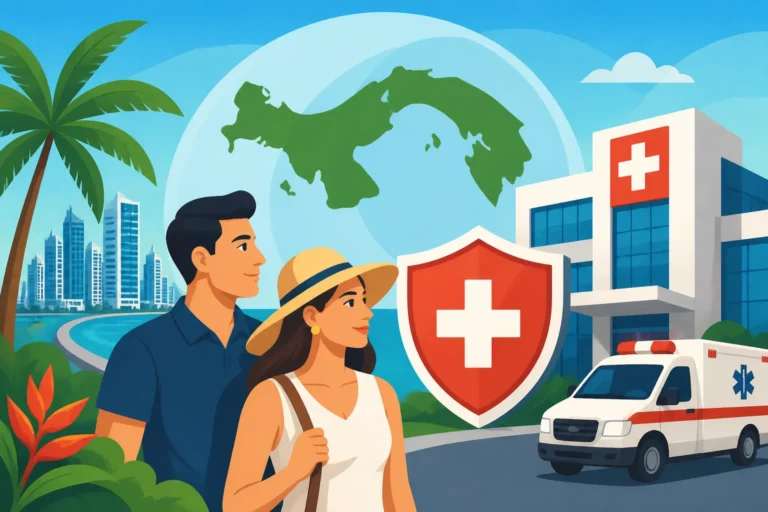
Navigating the healthcare system in a new country can feel like trying to solve a Rubik's Cube blindfolded, and Panama is no exception. The sheer volume of options, the differences between local and international providers, and the lurking fear of unexpected medical bills can be truly daunting for any expat. This guide aims to unravel the complexities of private health insurance in Panama, helping you understand your best choices and what to look for, so you can make an informed decision that truly suits your needs and gives you peace of mind.
Why Private Health Insurance is Not Just an Option, But a Necessity in Panama
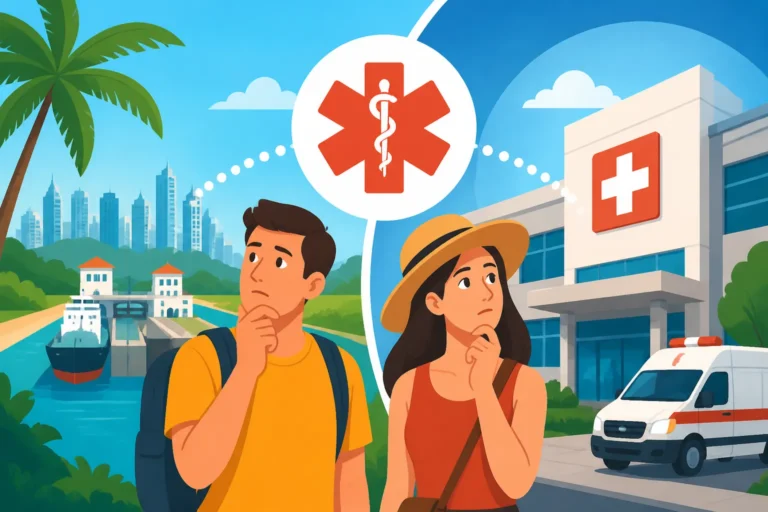
When you first land in Panama, especially if you're coming from a country with robust public healthcare, you might wonder if private insurance is truly necessary. Let me tell you, from one expat to another, it absolutely is. Relying solely on the public system here, while it exists, often comes with significant hurdles that can turn a simple doctor’s visit into a major headache, particularly for foreigners.
The Limitations of the Public System (CSS) for Expats
Panama has a public healthcare system, the Caja de Seguro Social (CSS), which is funded by employee and employer contributions. If you're formally employed by a Panamanian company, you'll likely be contributing to the CSS. However, the reality of using the CSS for many expats can be a stark one. Wait times for appointments, especially with specialists, can be incredibly long – think weeks or even months. The facilities, while functional, often lack the modern amenities and patient-centric approach you might be accustomed to. And let's not forget the language barrier; while some staff might speak a little English, navigating complex medical discussions in Spanish, particularly during a vulnerable moment, is a huge challenge. For comprehensive information, you might want to look into How Panama's Health System Works: CSS and Private Care Explained (2027).
It's not just about comfort; it's about access and speed. Imagine you develop a sudden, concerning symptom. Do you want to wait two months to see a general practitioner at a crowded CSS clinic, or do you want to walk into a modern private clinic the next day, see an English-speaking doctor, and get referred to a specialist within the week? For most expats, the answer is clear. The public system is there, and it serves its purpose, but it's rarely the preferred or practical choice for those who can afford alternatives.
The Realities of Panama's Healthcare Landscape
Panama boasts a bifurcated healthcare system: the public CSS and a thriving private sector, especially in Panama City and major expat hubs like David and Coronado. The private hospitals here, such as Hospital Punta Pacifica and Hospital Nacional in Panama City, are often world-class. They are equipped with state-of-the-art technology, staffed by highly trained, often US-trained, medical professionals, and many of them cater specifically to an international clientele, with English-speaking staff readily available.
However, this quality comes at a price. A simple consultation with a private specialist can cost anywhere from $50 to $100, and that's just for the visit. Add tests, procedures, and medications, and the bills can quickly escalate. Without private health insurance, you are on the hook for 100% of these costs, and trust me, they can add up faster than you can say "colonoscopia." Many expats move here thinking they'll just pay out of pocket, only to be hit with a significant bill after an unexpected illness or accident. This is why understanding The Cost of Healthcare in Panama: A Complete Breakdown for Foreigners (2026) is crucial.
Peace of Mind: A Priceless Commodity
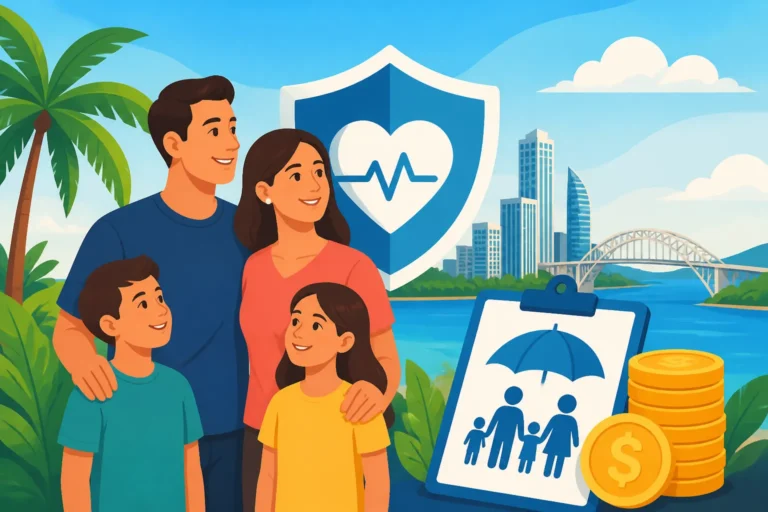
Ultimately, private health insurance in Panama isn't just about avoiding high costs; it's about peace of mind. Living abroad comes with enough stressors without having to worry if a sudden illness or accident will bankrupt you or force you to leave the country for adequate care. Having a solid private insurance plan means knowing that if something goes wrong, you can access the best private facilities, communicate effectively with doctors, and focus on your recovery rather than your finances. It means having the freedom to choose your doctor, get specialist referrals quickly, and generally navigate the system with greater ease and confidence. This really impacts your overall well-being and helps you embrace your expat life to the fullest. You might find more details on general expat healthcare in The Complete Guide to Healthcare in Panama for Expats (2027).
Understanding Your Options: Local vs. International Private Health Insurance
When it comes to private health insurance in Panama, you'll generally find two main categories: local plans offered by Panamanian insurers and international plans from global providers. Each has its own set of advantages and disadvantages that are worth carefully considering based on your lifestyle, travel habits, and budget.
Local Panamanian Insurance: Pros and Cons
Local insurance plans are offered by Panamanian companies. These plans typically cover medical care within Panama and sometimes offer limited regional coverage.
Pros:
- Cost-Effective: Often, local plans are more affordable than international ones, especially if you plan to stay exclusively within Panama for your healthcare needs.
- Direct Billing: Many local plans have established relationships with private hospitals and clinics in Panama, meaning direct billing is more common. This reduces your out-of-pocket expenses at the time of service, which is a huge relief when you’re already feeling unwell.
- Local Expertise: Panamanian insurers are intimately familiar with the local healthcare system, providers, and billing practices. They might have a local customer service team that can assist you more easily with specific Panamanian nuances.
Cons:
- Geographical Limitations: The biggest drawback is usually the limited geographical coverage. If you travel frequently outside Panama for extended periods or prefer to seek elective treatment back in your home country, a local plan might not provide sufficient coverage.
- Language Barrier: While customer service might be local, the primary language for documentation and interaction will likely be Spanish, which can be challenging for non-Spanish speakers.
- Less Flexible: Local plans can sometimes be less flexible in terms of choosing your own doctors or hospitals outside their preferred network, even within Panama.
Some well-known local insurance providers in Panama include companies like ASSA Compañía de Seguros, MAPFRE Panamá, and Suramericana (Sura). These can be great options for those firmly rooted in Panama.
International Health Insurance: The Expat Standard
International health insurance plans are offered by global providers and are designed specifically for expats who might need coverage in multiple countries or desire the flexibility to seek treatment anywhere in the world.
Pros:
- Global Coverage: This is the primary advantage. Whether you're in Panama, traveling to Costa Rica for a weekend, or decide to seek specialist treatment in the United States, your international plan will cover you. This is essential for those who envision their expat life involving significant travel.
- Comprehensive Benefits: International plans often come with a wider range of benefits, including evacuation coverage, repatriation, and more extensive mental health and dental options, which can be limited in local plans.
- English-Speaking Support: Global insurers typically offer multilingual customer service and claims processing, making it much easier to communicate your needs and understand policy details.
- Portability: If your expat journey takes you from Panama to another country, a good international plan can often be carried with you, offering continuity of coverage.
Cons:
- Higher Premiums: Generally, international plans come with higher premiums due to their extensive coverage and flexibility. This is a trade-off you need to weigh against your budget.
- Initial Out-of-Pocket: While international plans eventually reimburse you, you might sometimes need to pay upfront for services at smaller clinics and then file a claim. Larger private hospitals in Panama, like Hospital Punta Pacifica, often have direct billing agreements with major international insurers, but it's always good to confirm.
- Complexity: The sheer number of options and add-ons can make choosing an international plan feel overwhelming initially.
When exploring international health insurance, many expats consider options like Cigna Global, Allianz Care, or Aetna International. For those who are digital nomads, or perhaps just starting their expat journey and looking for flexible, affordable options, particularly for short-term stays or while still deciding on a long-term plan, a company like SafetyWing can be an excellent choice. SafetyWing offers a travel medical insurance that automatically extends to include general health insurance for digital nomads, bridging the gap for many. It's often used by those who need a reliable safety net, especially during the initial settling-in period or for unexpected emergencies. If you're pondering How to Buy Private Health Insurance as a Newcomer in Panama, an international plan, potentially starting with a flexible option like SafetyWing, could be a good step.
Hybrid Approaches and Travel Insurance
Some expats opt for a hybrid approach: a local plan for everyday needs and travel insurance, like that offered by SafetyWing, for trips outside Panama or for truly catastrophic emergencies that might require evacuation. This can be a cost-effective way to get broad coverage without the full expense of a premium international plan. However, it's crucial to understand the limitations of travel insurance. While SafetyWing offers a more comprehensive package than typical travel insurance, covering some aspects of general health, it's generally geared towards temporary stays and emergencies, not long-term, comprehensive healthcare like ongoing chronic condition management or extensive preventative care. For those periods when you might be without a formal residence or working remotely, products like SafetyWing can be invaluable. It offers a kind of "borderless" coverage that traditional plans don't, which is quite appealing for a certain segment of the expat community.
Key Factors to Consider When Choosing Your Plan
Alright, so you know you need private insurance, and you're starting to get a feel for local versus international. Now, how do you actually pick the one? It's not just about the price tag; there are several critical factors that will directly impact your experience when you actually need to use your insurance. This is where the rubber meets the road, and a cheap plan that doesn't cover what you need is far more expensive in the long run. To avoid this, consider delving deeper into How to Choose Private Health Insurance in Panama (2027).
Coverage Scope and Exclusions
This is arguably the most important section to scrutinize. What exactly does the policy cover, and more importantly, what does it exclude?
- In-patient vs. Out-patient: Most plans cover hospital stays (in-patient), but check the limits for outpatient care, like doctor visits, diagnostic tests (MRI, CT scans), and specialist consultations. Some plans might have high deductibles or limits for outpatient services, forcing you to pay a significant portion out of pocket.
- Maternity and Dental: If you plan on starting a family or know you'll need regular dental work, ensure these are explicitly covered and understand the waiting periods. Many plans treat these as optional add-ons or have specific clauses. For example, maternity benefits often have a 10-12 month waiting period, meaning you need to be insured well before you conceive. Understanding Is Maternity Care Covered by Insurance in Panama? is vital if this applies to you.
- Pre-existing Conditions: This is a big one for many expats. If you have any ongoing health issues, from high blood pressure to a previous surgery, these are usually considered pre-existing conditions. Some plans won't cover them at all, others will after a waiting period (e.g., 24 months), and a few might cover them with a higher premium. Be honest on your application; withholding information can invalidate your policy later.
- Emergency Evacuation and Repatriation: This is crucial for expats. If you have a severe medical emergency that cannot be adequately treated in Panama, does your plan cover emergency medical evacuation to a higher-care facility, potentially in the US or another country? And if the worst happens, does it cover repatriation of remains? These are often overlooked but incredibly valuable benefits. This ties into Emergency Medical Care in Panama: What Every Expat Needs to Know.
- Prescription Medications: Understand how prescriptions are covered. Are there limits on the cost of drugs? Are certain types of medications excluded? The pharmacy system in Panama is generally good, but costs can vary.
Deductibles, Co-pays, and Out-of-Pocket Maximums
These terms dictate how much you'll pay before your insurance kicks in and how much you'll pay for services.
- Deductible: This is the amount you must pay out of your own pocket each policy year before your insurance company starts paying for covered medical expenses. A higher deductible usually means lower monthly premiums, but you'll pay more upfront if you need care.
- Co-pay/Co-insurance: A co-pay is a fixed amount you pay for a covered service (e.g., $20 for a doctor's visit). Co-insurance is a percentage of the cost of a covered service you pay after you've met your deductible (e.g., 20% of the bill).
- Out-of-Pocket Maximum: This is the most you'll have to pay for covered medical expenses in a policy year. Once you hit this limit, your insurance company pays 100% of all further covered costs for that year. This is your safety net against catastrophic medical bills. Always look for a plan with a reasonable out-of-pocket maximum that you could realistically afford in a worst-case scenario.
It's a delicate balance. A plan with a very low premium might have a very high deductible and out-of-pocket maximum, meaning you pay a lot if you actually get sick. A higher premium might offer lower out-of-pocket costs, giving you greater financial predictability. For an overview of expenses, see Understanding Out-of-Pocket Healthcare Costs and Co-Pays in Panama.
Network of Hospitals and Doctors
Check which hospitals and clinics are part of the insurance provider's network in Panama. For private insurance, you ideally want access to the best facilities, like Hospital Punta Pacifica, Hospital Nacional, or Clínica Paitilla in Panama City, and reputable clinics in other areas like Hospital Mae Lewis in David.
- Direct Billing Agreements: Do they have direct billing agreements with your preferred hospitals and clinics? This is a massive convenience, as it means the insurer pays the hospital directly, and you only handle your deductible or co-pay. If not, you'll pay upfront and seek reimbursement, which can be a hassle and tie up your funds. Don't underestimate the relief of not having to deal with huge bills when you're feeling ill or managing a medical emergency. You can learn more about major hospitals in How to Use Major Hospitals Like Punta Pacifica and Hospital Nacional.
- Specialist Access: Does the plan allow you to see specialists without a referral, or does it require one? How easy is it to get an appointment with an English-speaking doctor within their network? This is particularly relevant when you're seeking highly specialized care. Finding an English-speaking doctor can be a challenge outside of Panama City, so having a network that explicitly lists them is a bonus. You can also explore How to Find an English-Speaking Doctor in Panama.
Customer Service and Claims Process
When you're sick or dealing with a medical crisis, the last thing you want is bureaucratic nightmares.
- Language Support: Is customer service available in English? Are they easy to reach via phone, email, or online portal? This seems minor until you're trying to explain a medical issue in a foreign language.
- Claims Efficiency: How quickly are claims processed and reimbursed? What is the process for submitting claims? Is it all online, or do you need to send physical paperwork? Some international providers excel here, while local ones might have more traditional, slower processes. Consider how your residence status affects coverage by checking How Your Residence Status Affects Health Coverage in Panama.
- Reputation: Ask other expats about their experiences with different insurance companies. Online reviews and expat forums can provide invaluable insights into a company's real-world performance, especially when it comes to claims and customer support.
Navigating the Application Process and Beyond
Once you've done your research and narrowed down your choices, the application process for private health insurance in Panama generally involves a few steps. It's not always as straightforward as signing up online and being instantly covered, especially for comprehensive plans.
Necessary Documentation and Medical Underwriting
Expect to provide quite a bit of personal information and documentation during the application. This typically includes:
- Personal Identification: Passport copies, residency permits, or your cédula (Panamanian ID card).
- Proof of Address: A utility bill or rental contract might be requested.
- Medical Questionnaire: This is where you'll disclose your medical history, including any pre-existing conditions, past surgeries, current medications, and family medical history. Be thorough and honest. This information is critical for the insurer to assess your risk and determine your premium and coverage terms.
- Medical Exam: For some comprehensive plans, especially if you're older or have a complex medical history, the insurance company might require you to undergo a medical examination. This is usually arranged by the insurer and performed by a local doctor.
The process of medical underwriting follows. This is when the insurer reviews your medical information to decide whether to offer you coverage, at what premium, and with any exclusions for pre-existing conditions. It's not uncommon for an insurer to offer coverage with specific exclusions or a higher premium if you have certain health issues. This can take anywhere from a few days to several weeks, so don't wait until you're already sick to apply!
Renewals, Portability, and Future Planning
Once you're insured, the journey isn't over. You'll need to think about ongoing management of your policy.
- Renewals: Most private health insurance policies are annual. Pay close attention to renewal notices and understand if your premiums will change. Your age and any new medical conditions developed during the previous year can sometimes affect renewal terms.
- Portability: If you envision leaving Panama in the future, especially for another expat destination, the portability of your plan is a key consideration. International plans generally offer better portability, allowing you to maintain coverage as you move between countries. Local plans are usually not portable and would require you to get a new policy in your next destination.
- Review Regularly: Your health needs, financial situation, and travel plans can change over time. It's a good practice to review your health insurance coverage annually, or whenever there's a significant life event (marriage, birth of a child, new job). Ensure your plan still meets your needs. For instance, if you add dependents, you'll need to check How to Add Dependents to Your Health Insurance in Panama.
Choosing the right private health insurance in Panama is a significant decision that impacts your well-being and financial security as an expat. It requires careful consideration, but with the right information and a bit of effort, you can find a plan that provides the peace of mind you deserve while enjoying your life in this beautiful country.
Disclaimer
The information provided in this guide is for general informational purposes only and does not constitute medical, legal, or financial advice. While we strive to provide accurate and up-to-date information, healthcare regulations, insurance policies, and prices in Panama can change. It is always recommended to consult with a qualified insurance broker, legal professional, and healthcare provider for advice tailored to your specific situation before making any decisions related to your health insurance or medical care in Panama.