How Do I Choose a Hospital in Panama City?
Navigating the healthcare landscape in a new country can feel like trying to solve a Rubik's Cube blindfolded, especially when you're faced with a medical need in a bustling place like Panama City. It's not just about finding a hospital; it's about finding the right hospital for your specific situation, one that understands your needs as an expat and provides the level of care you expect. This guide is here to unravel that puzzle, walking you through the critical factors and top institutions to help you make an informed choice when health matters most.
Understanding Panama City's Hospital Landscape
When you first arrive in Panama, or even after living here for a while, the sheer number of medical facilities can be a bit overwhelming. It's not a one-size-fits-all scenario. Panama City, in particular, boasts a diverse range of hospitals, from large, modern private institutions that cater heavily to an international clientele, to more traditional, publicly-funded options. Each has its own strengths, its own quirks, and its own way of operating.
The main distinction you'll encounter is between the public health system, run by the Caja de Seguro Social (CSS), and the private hospitals. While the CSS is a vital resource for Panamanian citizens and those employed and contributing to the social security system, many expats, particularly those new to the country or with specific healthcare expectations, often lean towards the private sector. The perception, and often the reality, is that private hospitals offer a more streamlined experience, state-of-the-art equipment, and a higher likelihood of English-speaking staff, which can be a huge comfort when you're feeling vulnerable. This guide will focus primarily on the private hospital options, as that's where most expats tend to seek care, but it's crucial to understand that public options exist. For a deeper dive, you can explore the differences in our guide on Public vs Private Healthcare in Panama: What Expats Need to Know.
The Role of Private Hospitals for Expats
Private hospitals in Panama City are generally where most expats will receive their medical care, especially for anything beyond routine check-ups at a clinic. These facilities operate more similarly to what many North Americans or Europeans might be accustomed to, offering advanced technology, specialized departments, and often a more patient-centric approach. Think of them as your go-to for emergencies, surgeries, specialist consultations, and advanced diagnostics.
These private institutions are driven by a different funding model compared to the CSS, relying on private insurance payments and out-of-pocket fees. This structure allows them to invest in newer equipment, maintain higher staffing ratios, and sometimes even offer a more luxurious patient experience. For someone who values efficiency, direct access to specialists, and potentially shorter wait times, the private system is usually the preferred choice. It's also where you'll find a greater concentration of doctors who have studied abroad and are proficient in English, which can alleviate a significant amount of stress during a health crisis.
Why Location Matters in Panama City
Panama City traffic is legendary – and not in a good way. What might look like a short distance on a map can easily turn into an hour-long ordeal, especially during peak hours. When choosing a hospital, its proximity to your home or workplace is a serious consideration, especially for emergencies or regular appointments. You don't want to be stuck in gridlock when every minute counts.
Consider the neighborhood where you live. If you're in areas like Costa del Este, San Francisco, or El Cangrejo, you'll find hospitals like Hospital Punta Pacifica or Clinica Hospital San Fernando to be relatively accessible. If you're further out, perhaps in areas like Panama Pacifico or the outskirts of Arraiján, your choices might shift, or you might need to factor in ambulance response times or a longer drive. It's not just about finding a good hospital, but finding a good hospital that you can actually get to when you need it most. It's a small detail that can make a huge difference in the urgency of a situation.
Key Factors When Choosing a Hospital
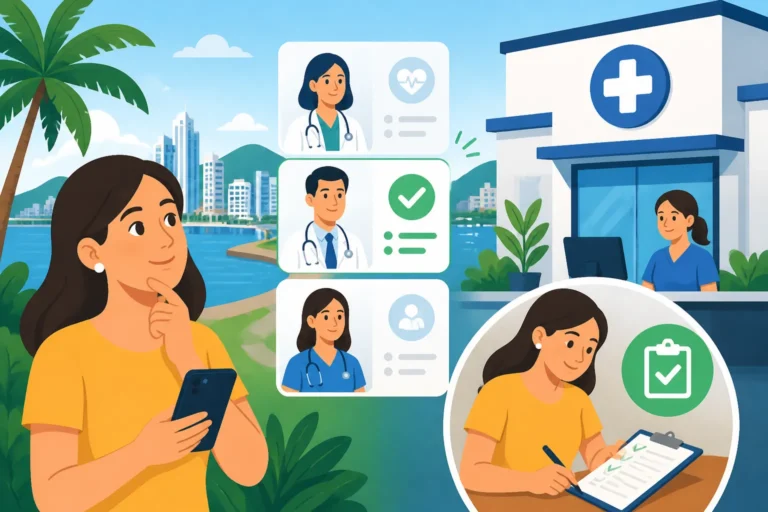
When it comes to your health, you don't want to leave anything to chance. Choosing a hospital isn't just about picking the biggest or most well-known name; it's about a thoughtful assessment of several critical factors that directly impact your care and peace of mind. As an expat, these considerations often take on an even greater weight due to language barriers, cultural differences, and simply not knowing the local system intimately.
One of the first things you'll want to think about is how your health insurance will work. Whether you have an international plan or a local private policy, understanding your coverage is paramount. Our comprehensive guide on Health Insurance in Panama: Private and International Options Explained can shed more light on this. Beyond insurance, consider the hospital's reputation, the availability of English-speaking staff, the specific medical services offered, and even the ease of administrative processes.
Reputation and Accreditation
The reputation of a hospital in Panama City, much like anywhere else in the world, is built on its track record, patient outcomes, and the caliber of its medical professionals. Word-of-mouth among the expat community is often a powerful indicator. Ask around in expat forums, social groups, or even your local friends and colleagues. They can offer invaluable insights into their personal experiences.
Beyond anecdotal evidence, look for accreditations. While not as common a concept as in some other countries, some Panamanian hospitals do seek international accreditations, which signal a commitment to higher standards of quality and safety. For instance, Hospital Punta Pacifica is affiliated with Johns Hopkins Medicine International, which speaks volumes about its quality standards and protocols. Such affiliations can provide an extra layer of reassurance, knowing that the hospital adheres to globally recognized benchmarks. A hospital with a strong, positive reputation and verifiable quality measures tends to attract top-tier doctors and nurses, leading to better care for you.
Language Barrier and Communication
This is often one of the biggest anxieties for expats navigating healthcare in a foreign country. Imagine trying to explain complex symptoms or understand critical diagnoses when there's a language barrier. It's stressful, to say the least. While many doctors in Panama City, especially specialists, are English-speaking, it's not a universal guarantee, particularly among support staff.
When researching hospitals, inquire about the availability of English-speaking doctors, nurses, and administrative staff. Some private hospitals specifically cater to international patients and have dedicated international departments or patient coordinators who can facilitate communication. For routine visits, you might manage with limited Spanish and a good translation app, but for emergencies or serious conditions, clear communication is non-negotiable. Knowing that you can articulate your concerns and fully understand your treatment plan, without the nuances getting lost in translation, can significantly reduce anxiety during a vulnerable time. If you're looking for specifics, we have a helpful resource on How to Find an English-Speaking Doctor in Panama.
Specializations and Services Offered
Not all hospitals are created equal, and some excel in certain areas more than others. Just like you wouldn't go to a general practitioner for brain surgery, you wouldn't choose a hospital known for its orthopedic department if you need specialized cardiac care. Consider your specific health needs or the potential needs of your family members.
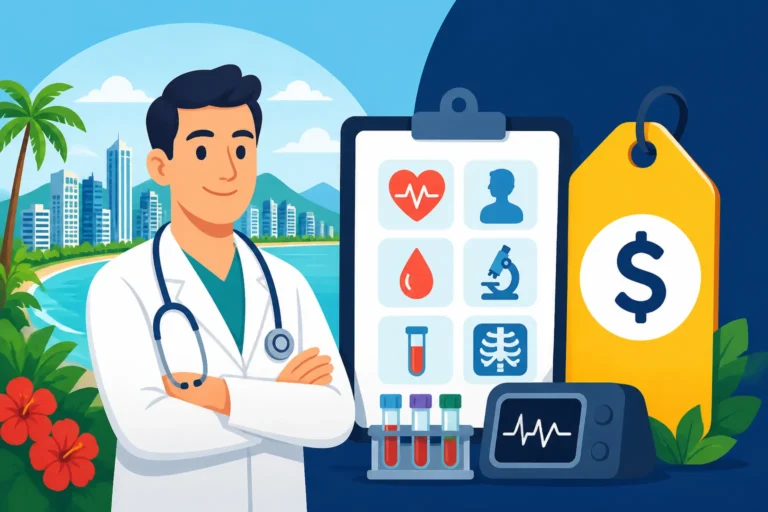
Do you have a pre-existing condition that might require regular specialist visits? Are you anticipating maternity care? Do you need access to specific diagnostic equipment like advanced MRI or CT scans? Major private hospitals like Hospital Nacional or Centro Médico Paitilla offer a wide array of specialized services, from cardiology and oncology to pediatrics and trauma care. They often have dedicated units for intensive care, neonatal care, and advanced surgical procedures. Before settling on a hospital, it’s wise to investigate their specialized departments and confirm they offer the specific services you or your family might require. For example, if you anticipate needing complex care, a larger institution with comprehensive facilities will likely be a better choice.
Top Private Hospitals in Panama City
Panama City is fortunate to have several high-quality private hospitals that attract both local and international patients. These institutions are generally well-regarded within the expat community for their modern facilities, advanced medical technology, and often, a higher likelihood of English-speaking staff. It's a good idea to familiarize yourself with these names, as they will likely be your primary points of contact for medical care beyond a local clinic.
While these hospitals generally offer a broad spectrum of services, each has its own unique strengths, affiliations, or perhaps a particular reputation for certain specializations. We're talking about places that are equipped to handle everything from minor urgent care needs to complex surgical procedures, making them reliable options for expats who may not yet be fluent in Spanish or fully accustomed to the Panamanian healthcare system. Knowing which one might be best for your needs can truly make a difference in an emergency.
Hospital Punta Pacifica
Hospital Punta Pacifica is often cited as a top-tier choice for expats, and for good reason. It boasts an exclusive affiliation with Johns Hopkins Medicine International, which means it adheres to rigorous international medical standards and practices. This affiliation brings a certain level of reassurance, knowing that their protocols, patient safety measures, and staff training often align with some of the best in the world.
Located in the upscale Punta Pacifica neighborhood, the hospital is modern, sleek, and equipped with state-of-the-art diagnostic and treatment technology. Many of its doctors have received training abroad, particularly in the United States, and are fluent in English. This makes communication significantly smoother for international patients. They offer a comprehensive range of services, including emergency care, intensive care units, advanced surgery, cardiology, oncology, and imaging. The patient rooms are generally private and comfortable, reflecting a more premium healthcare experience. For those with international health insurance, or even travel medical insurance like SafetyWing in the initial stages, this hospital is often a preferred destination due to its high standards and familiarity with international patient needs. Their administrative processes are also often geared towards international clientele, making billing and documentation easier to navigate. To learn more about how to use such facilities, check out How to Use Major Hospitals Like Punta Pacifica and Hospital Nacional.
Hospital Nacional
Another pillar of private healthcare in Panama City is Hospital Nacional, located centrally in the Bella Vista area. This hospital has a long-standing reputation in Panama and is known for its wide range of medical specialties and experienced doctors. While perhaps not having the specific international affiliation of Punta Pacifica, Hospital Nacional is a comprehensive facility offering robust medical and surgical services across numerous disciplines.
You'll find departments covering everything from general surgery, internal medicine, and pediatrics to more specialized areas like orthopedics, neurology, and urology. They have a well-equipped emergency room, modern operating theaters, and diagnostic imaging capabilities. Many of the physicians practicing here are highly respected in their fields and have years of experience. While English proficiency may vary more among staff compared to Punta Pacifica, a good number of doctors and specialists will be able to communicate effectively. Hospital Nacional strikes a balance between advanced care and a slightly more localized experience, often at a potentially more accessible price point compared to the most exclusive options, making it a solid choice for many expats.
Centro Médico Paitilla
Nestled in the Paitilla neighborhood, Centro Médico Paitilla is another highly respected private hospital that has served Panama City for decades. It's known for its solid medical infrastructure and a strong emphasis on patient care. This hospital has a reputation for being a reliable institution, offering a broad array of medical services to both local and international patients.
Centro Médico Paitilla provides comprehensive services including emergency care, surgery, cardiology, gastroenterology, and diagnostic imaging. Like other major private hospitals, it features modern equipment and a team of skilled medical professionals. Many expat residents speak highly of their experiences here, often citing efficient service and compassionate staff. While less overtly focused on international affiliations, the hospital maintains high standards of care. It's often considered a good option for those seeking quality medical attention in a well-established facility that might feel a bit more integrated into the local Panamanian community while still offering a high level of comfort and medical expertise.
Clinica Hospital San Fernando
Clinica Hospital San Fernando, located in the San Fernando area (near Via España), is another prominent private hospital that offers extensive medical services. It's one of the largest private hospital complexes in Panama, known for its strong community presence and its commitment to continuous improvement in medical technology and patient care.
This hospital provides a full spectrum of services, including a robust emergency department, various surgical specialties, advanced diagnostics, and specialized clinics such as maternity, pediatrics, and intensive care. They have a strong focus on family health and offer comprehensive programs. Many of the doctors and specialists are highly trained, and you'll find a good number of English-speaking professionals, though it's always wise to confirm if language is a primary concern. Clinica Hospital San Fernando is often chosen for its capacity, its wide range of specialties, and its accessible location for many residents of Panama City. It’s a reliable institution that combines extensive services with a dedication to serving a diverse patient base.
Practical Considerations and Emergency Preparedness
Even with the best medical care available, navigating a health emergency in a foreign country can be daunting. As an expat, proactive planning and understanding the practicalities can significantly reduce stress when every second counts. It's not just about knowing where to go, but how to get there, what to bring, and who to call.
Think beyond the immediate medical need and consider the entire experience, from the moment a symptom arises to post-treatment follow-up. Preparing a small "emergency health kit" of information and understanding local protocols can be a game-changer. Remember, preparedness isn't about anticipating every possible worst-case scenario, but about having a solid framework in place so you can focus on your health.
Emergency Procedures and Contact Numbers
Knowing what to do in a medical emergency is crucial. In Panama, the universal emergency number is 911, just like in the United States. This number connects you to the integrated emergency response system, which can dispatch ambulances, police, or firefighters. However, relying solely on 911 for ambulance services can sometimes lead to longer wait times, especially outside of peak urban areas.
Many expats find it prudent to have direct contact numbers for private ambulance services or to head directly to a private hospital's emergency room via taxi or private vehicle if feasible and safe. If you have private health insurance, they might also have a dedicated emergency line or partnership with specific ambulance providers. For example, if you're covered by an international plan or a travel medical policy like SafetyWing, always know their emergency contact details and procedures for direct billing or reimbursement. Keep a list of emergency contacts, including your chosen hospital's ER number, your doctor's number, and your insurance provider's helpline, readily accessible. Knowing What Is the Emergency Phone Number in Panama? is just the first step; knowing the practicalities of how to use it is what truly matters.
Insurance and Payment Options
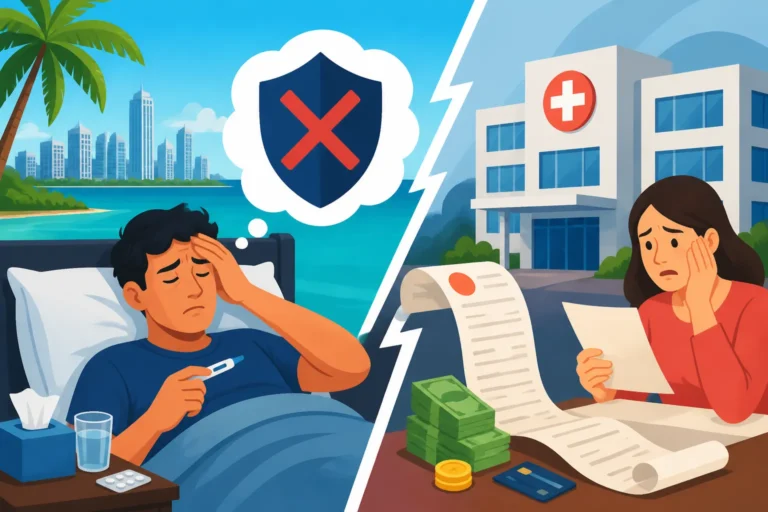
This is where the rubber meets the road. Before you even need a hospital, you need to understand your health insurance coverage in Panama. As mentioned earlier, most expats rely on private health insurance, either an international plan or a local Panamanian policy. The key is to confirm which hospitals are within your insurance network and what your co-pays, deductibles, and reimbursement procedures entail.
When you arrive at a private hospital, especially for non-emergency services, you'll typically be asked for proof of insurance and potentially a deposit. Many private hospitals have direct billing agreements with major international insurance providers, but not all. If direct billing isn't an option, you'll pay upfront and then seek reimbursement from your insurer. Keep all receipts, medical reports, and itemized bills. It’s a good practice to contact your insurance provider before elective procedures or specialist visits to understand your coverage fully. If you're on a travel medical plan like SafetyWing, make sure you understand their claims process and what documentation you'll need. Don't let financial surprises add to the stress of a medical situation. A prior understanding of Understanding Out-of-Pocket Healthcare Costs and Co-Pays in Panama is essential.
Personal Medical Information Kit
In a medical emergency, you might not be in a position to communicate vital information. This is where a personal medical information kit becomes invaluable. This isn't just for you; it's for anyone assisting you or the medical staff.
What should it include?
- Identification: A copy of your passport, Cedula (if you have one), and residency card.
- Insurance Details: Your insurance card, policy number, and emergency contact details for your provider.
- Medical History: A concise summary of your significant medical history, including past surgeries, chronic conditions, and any known allergies (especially to medications).
- Medications: A list of all current medications, including dosage and frequency.
- Emergency Contacts: Names and phone numbers of family members or close friends in Panama and back home.
- Language Aids: If your Spanish is limited, consider a few key phrases or a small translation card with critical medical terms.
Keep this information, perhaps laminated or in a clear waterproof pouch, easily accessible in your wallet or purse. You might also store a digital copy on your phone or in a cloud service, ensuring it's password-protected but accessible to trusted individuals. This small act of preparedness can speak volumes on your behalf when you're unable to.
Final Thoughts on Choosing Your Hospital
Choosing a hospital in Panama City as an expat can seem like a monumental task, but by breaking it down into manageable considerations, it becomes far less intimidating. It's about empowering yourself with knowledge and making proactive choices before a crisis hits. You've got several excellent private options right here in the city, each with its strengths, and many of them are well-equipped to serve the international community.
Remember, the ideal hospital for you will align with your specific health needs, your financial coverage, and your comfort level with language and administrative processes. Don't be afraid to ask questions, seek recommendations from fellow expats, and even visit a facility (if possible) before you need its services. Building a relationship with a local general practitioner in Panama City who can guide you through the system and make referrals is also a highly recommended step for every expat. Your health is your most valuable asset, so invest the time now to ensure you're prepared for whatever comes your way.
Disclaimer
The information provided in this guide is intended for general informational purposes only and does not constitute medical, legal, or financial advice. While we strive to provide accurate and up-to-date information, healthcare systems, regulations, and institutional services can change. Always consult with qualified medical professionals, insurance providers, and legal experts for advice tailored to your individual circumstances. We do not endorse any specific hospital, doctor, or insurance company.