Can I Buy Antibiotics Over the Counter in Panama?
Ah, the age-old expat question when you start feeling a bit under the weather in Panama! You’ve got that familiar scratchy throat or a persistent cough, and your mind immediately jumps to "antibiotics." Back home, maybe you could pop into a walk-in clinic or even get them easily, but here in Panama, it’s a bit of a nuanced dance. This guide is going to walk you through the actual reality of getting antibiotics, why it's not as simple as it once seemed, and your best options for getting the care you need safely and legally.
The Shifting Sands of Antibiotic Availability in Panama
When you first arrive in Panama, you might hear whispers from long-term expats about how "easy" it used to be to get antibiotics. You'd stroll into a farmacia, describe your symptoms, and walk out with what you needed. While that might have been true for a period, and still happens in some very specific, smaller pockets, the reality is that Panama has been tightening its regulations considerably, moving towards a more internationally aligned standard.
Understanding Panama's Pharmacy Culture vs. Back Home
Let's be honest, the pharmacy experience here can feel like a step back in time or a step into a different world, depending on where you're from. In many Western countries, pharmacists are gatekeepers, meticulously checking prescriptions and offering advice on over-the-counter remedies. Here, especially outside of the major cities, pharmacists often play a much more active role in primary care. They're often the first point of contact for minor ailments, dispensing advice and, historically, a wider range of medications, including some that would require a prescription elsewhere.
This cultural difference often led to the perception that antibiotics were readily available. You'd go in, explain your symptoms – maybe you even felt like you knew what you needed from past experience – and sometimes, you'd get it. It was a convenience, for sure, but also fraught with risks, something many of us expats eventually learned the hard way. The accessibility of certain drugs without a full medical consultation, however, is a double-edged sword. While it saves time and money on a doctor's visit, it also opens the door to misuse and the development of antibiotic resistance, a global health concern that Panama is now actively addressing.
The Current Reality: Prescription Required, Mostly
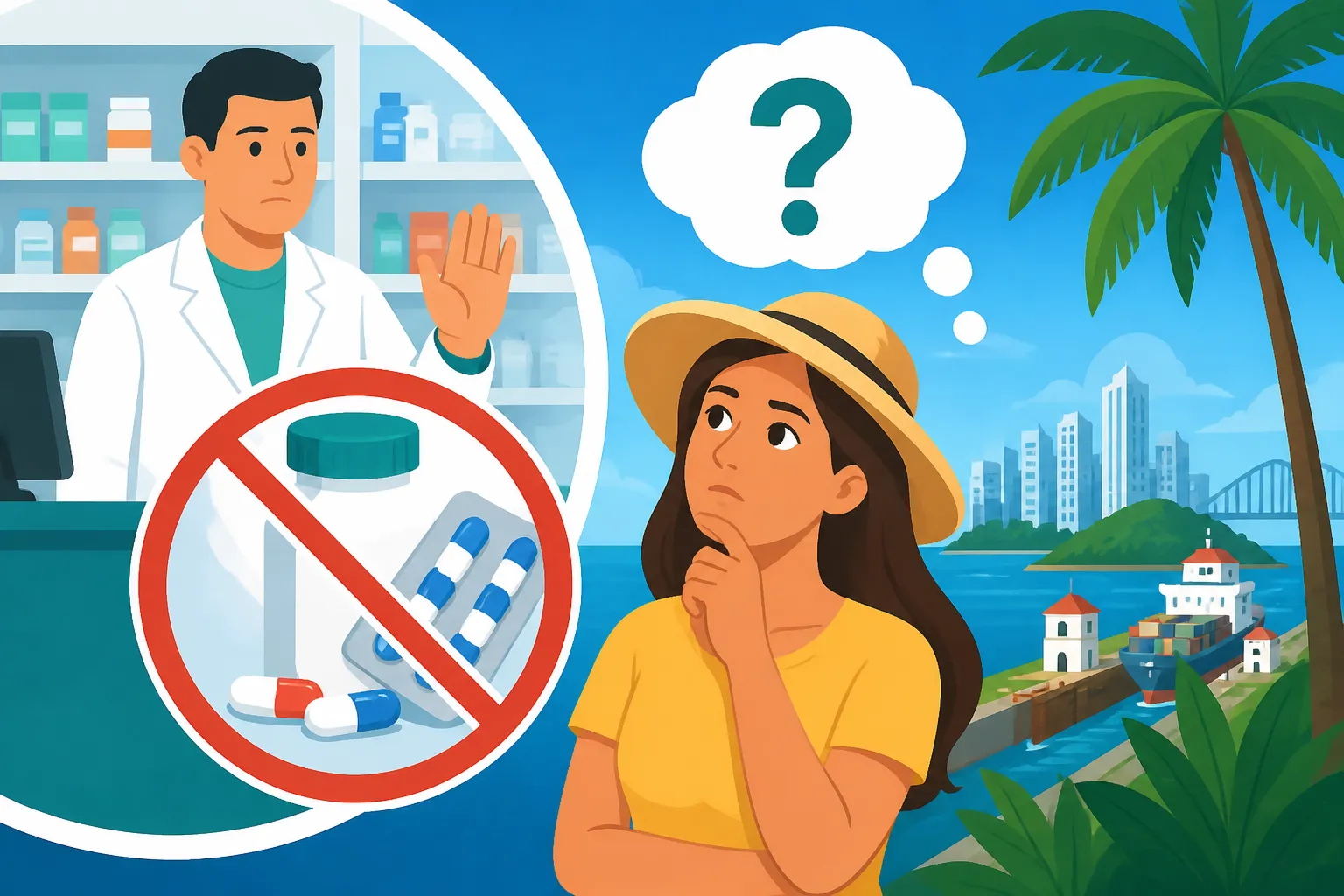
The clear, unequivocal legal answer today is that antibiotics in Panama officially require a doctor's prescription. The Ministry of Health has been implementing stricter controls to combat antimicrobial resistance, aligning Panama with global health best practices. This means that if you walk into a reputable pharmacy in Panama City, David, or any larger town, asking for amoxicillin or ciprofloxacin without a receta (prescription), you're likely to be politely but firmly turned away.
However, the "mostly" part is where the expat grapevine sometimes gets things a little muddled. In some very small, rural pharmacies, especially those far from direct government oversight or those with long-standing relationships with local residents, you might still find an owner willing to make an exception. I've heard stories, and perhaps even experienced it myself in a pinch years ago, but this is increasingly rare and certainly not something you should count on. Relying on these "exceptions" is a gamble, not only for your health (improper antibiotic use can be dangerous) but also because these practices are technically illegal and could change without notice. My advice? Don't risk it. Your health is too important, and the consequences of misusing antibiotics, like developing resistant strains of bacteria, are far-reaching.
Why a Doctor's Visit is Your Best Bet for Antibiotics in Panama
Look, I get it. Feeling sick and having to navigate a new healthcare system can be daunting. You just want relief, and you might think you know exactly what will fix it. But when it comes to antibiotics, getting a proper diagnosis from a qualified medical professional truly is your safest and most effective route here in Panama.
The Importance of Proper Diagnosis
Antibiotics are powerful medications designed to kill specific types of bacteria. They do absolutely nothing for viral infections, which are the cause of many common illnesses like the flu or most colds. Taking an antibiotic when you have a virus is not only pointless but harmful – it contributes to antibiotic resistance, meaning those drugs might not work when you really need them for a bacterial infection.
Think about it: that nasty cough could be bronchitis (bacterial), or it could be a lingering viral infection. That stomach upset might be food poisoning (sometimes bacterial), or it could just be a sensitive tummy reacting to new foods (definitely not bacterial). Without a doctor to examine you, run tests if necessary, and correctly diagnose the issue, you're just guessing. A doctor can discern if your symptoms point to a bacterial infection, which antibiotic is most appropriate, and the correct dosage and duration. This expertise ensures you get the right treatment, minimize side effects, and prevent the global health crisis of antibiotic resistance from getting worse. Don't self-diagnose when the stakes are this high.
Navigating a Doctor's Appointment for an Antibiotic Prescription
Finding a doctor and getting a prescription for antibiotics in Panama is actually quite straightforward, especially in the private sector. You have excellent options, and often, you can get seen much quicker than in many other countries.
First, you'll want to find a general practitioner or a family doctor. For many expats, the easiest route is to use private clinics, which are plentiful and often staffed by English-speaking doctors, especially in Panama City and larger expat hubs like Boquete or Coronado. You can often walk into a private clinic without an appointment for a general consultation, or call ahead to book one for the same day or next. Some popular networks include those affiliated with major hospitals or smaller private medical centers that cater to the expat community. If you need help, our guide on how to find an English-speaking doctor in Panama can be a lifesaver.
When you see the doctor, they will conduct a thorough examination, ask about your symptoms, medical history, and any allergies. Don't be shy about explaining everything, even if you need to use a translation app. They might take a throat swab, blood sample, or urine sample to confirm a bacterial infection before prescribing an antibiotic. This is good practice! Once they confirm the need for an antibiotic, they'll issue a receta (prescription) that you can take to any pharmacy.
As for costs, a private doctor's visit can range from about $30 to $70, which, let's be honest, is often a fraction of what you'd pay back home. This typically covers the consultation itself. You'll usually pay cash or with a debit/credit card immediately after the consultation. If you have private health insurance in Panama, you can often submit a claim for reimbursement. Our article on how much does a doctor visit cost in Panama? provides a more detailed breakdown. For those with good international health insurance, like SafetyWing, these routine doctor visits for illness are typically covered, making the process even smoother as you're not out-of-pocket for long. Understanding how to claim reimbursement from private insurance in Panama is a handy skill to have in your expat toolkit.
Options for Accessing Medical Care and Prescriptions
Panama offers a dual healthcare system, meaning you have choices, each with its own advantages, when you need medical attention and, specifically, antibiotics. Knowing these options will empower you to make the best decision for your health and wallet.
Private Clinics and Hospitals
For many expats, the private healthcare system is the go-to option, and for good reason. Facilities like Hospital Punta Pacifica, Hospital Nacional, or Clínica Hospital San Fernando in Panama City are modern, well-equipped, and often have staff who speak English. These private institutions offer a standard of care comparable to many Western countries, with shorter wait times and a more personalized experience.
If you suspect you need an antibiotic, heading to a private clinic or hospital for a consultation is your most reliable path. You'll typically be seen by a general practitioner (GP) or an internist, who will assess your condition. They have access to on-site labs for quick diagnostic tests, which means you could potentially get a diagnosis and prescription all within a few hours. This is especially comforting if you're feeling really unwell or if your situation feels urgent but not quite an emergency. While you'll pay out-of-pocket upfront, having comprehensive private health insurance, especially if you're a long-term resident, is highly recommended. Our guide on how to choose private health insurance in Panama (2026) delves into the best options available.
Public Health System (CSS) for Residents
Panama also boasts a public healthcare system, the Caja de Seguro Social (CSS), which is funded through social security contributions. If you are formally employed in Panama and contributing to the CSS, or have otherwise qualified for coverage, you are entitled to use the public health facilities. This system includes hospitals and polyclinics scattered throughout the country.
Accessing antibiotics through the CSS typically involves seeing a CSS doctor at a polyclinic. The process might involve longer wait times for appointments compared to private clinics, and fewer English-speaking staff. However, the cost is significantly lower, often just a nominal co-pay or even free at the point of service once you're registered. The prescription given by a CSS doctor will be honored at CSS pharmacies, which dispense medications at little to no cost. It’s a viable option for those who are fully integrated into the Panamanian employment system, but requires patience. To understand more about how this system works, check out our piece on how to register with the CSS (Caja de Seguro Social) in Panama. Delving deeper, understanding how Panama's health system works: CSS and private care explained (2026) gives you a holistic view of the public and private dynamics.
The Role of Travel and International Health Insurance
For newcomers, tourists, or digital nomads who haven't yet settled into a long-term residency or employer-sponsored health plan, travel or international health insurance is absolutely essential. Getting sick unexpectedly is bad enough, but doing so without coverage in a foreign country can turn a minor ailment into a major financial headache.
Insurance providers like SafetyWing are specifically designed for travelers, digital nomads, and remote workers, offering coverage for unexpected illnesses and injuries. If you need a doctor's visit for an infection that requires antibiotics, your SafetyWing policy would typically cover the consultation fees (after any deductible) and potentially the cost of the prescription itself, depending on your plan's outpatient benefits. You'd pay upfront and then submit a claim for reimbursement. This gives you peace of mind that you can seek proper medical care, get a correct diagnosis, and obtain necessary antibiotics without worrying about breaking the bank. Always read your policy details carefully to understand your coverage, deductibles, and claims process. Remember, for true emergencies, it's a different protocol, as covered in Emergency Medical Care in Panama: What Every Expat Needs to Know.
Essential Tips for Expats Regarding Medications in Panama
Moving to a new country always comes with a learning curve, and healthcare is no exception. Beyond just figuring out how to get antibiotics, there are broader medication strategies that every expat in Panama should consider.
Be Prepared: Bring Essential Medications
When you first arrive, or even for occasional visits back home, it's wise to bring a small supply of any over-the-counter medications you rely on for common ailments, like pain relievers, allergy medication, or antacids. More importantly, if you have any chronic conditions or take specific prescription medications regularly, bring a generous supply – at least a few months' worth – along with a copy of your original prescription from your home country. This gives you ample time to find a local doctor, get a Panamanian prescription, and locate the equivalent medication in local pharmacies without stress.
While Panama's pharmacies are generally well-stocked, and our guide on Prescription Medications and Pharmacies in Panama: The Complete Guide will show you just how accessible they are, specific brands or formulations might be different or require a special order. Having your essentials on hand avoids frantic searches when you're already feeling unwell. Also, be aware that while many medications are cheaper here, some specialized drugs can be more expensive or harder to find.
Communicate Clearly with Pharmacists and Doctors
Language barriers can be a significant hurdle when you're discussing your health. While many doctors and pharmacists in larger cities or expat areas might speak some English, it’s not guaranteed. Always try to communicate your symptoms as clearly and precisely as possible. Learning some basic medical Spanish phrases is incredibly helpful. Failing that, a translation app on your phone can be a lifesaver.
Don't be afraid to ask questions if you don't understand something. Repeat instructions back to confirm. Panamanian healthcare professionals are generally very patient and understanding with foreigners. Pharmacists, in particular, are a valuable resource for minor ailments, offering advice on non-prescription remedies and helping you decide if a doctor's visit is truly necessary. They are often highly knowledgeable about common health issues in the region.
Keep a Record of Your Health History
One of the best habits you can adopt as an expat is to maintain a comprehensive record of your health history. This includes:
- A list of all current medications, including dosage and frequency.
- Any known allergies (medication, food, environmental).
- Your vaccination history.
- Records of past surgeries, significant illnesses, or chronic conditions.
- Contact information for your primary doctor back home (if applicable).
Keep this information digitally on your phone (perhaps in a secure, easily accessible format) and a physical copy in your wallet or purse. In an emergency, or even a routine doctor's visit, having this at your fingertips saves time and ensures your Panamanian doctor has a full picture of your health. It also minimizes the risk of adverse drug interactions or misdiagnoses. Establishing a relationship with a local doctor, even for annual check-ups, can be invaluable for long-term health management, as they will build up a history with you, making future visits and prescriptions smoother. This can be part of your comprehensive approach to The Complete Guide to Healthcare in Panama for Expats (2026).
Comparing Antibiotic Access: Official vs. Unofficial Channels
Let’s lay out the differences clearly so you can make informed decisions about your health in Panama.
| Feature | Official Channel (Doctor's Prescription) | Unofficial Channel (Attempting OTC without Prescription) |
|---|---|---|
| Legality | 100% Legal. Complies with Panamanian health regulations. | Generally Illegal. Against current Panamanian Ministry of Health regulations. May be tolerated in very isolated cases, but highly discouraged. |
| Safety & Effectiveness | High. Proper diagnosis ensures correct antibiotic, dosage, and duration for your specific bacterial infection. Minimizes resistance risk. | Low. Risk of misdiagnosis (viral vs. bacterial), incorrect antibiotic choice, improper dosage, and severe side effects. Significantly contributes to antibiotic resistance. |
| Cost | Doctor visit: $30-$70 (private), low/free (CSS). Antibiotics: Can be affordable, covered by CSS, or reimbursable by private insurance. | Cost of antibiotic itself (varies by type). No medical consultation fee, but hidden costs of potential incorrect treatment or worsening condition. |
| Access Speed | Private clinics: Often same-day appointments. CSS: Longer wait times. Once seen, prescription is immediate. | Potentially immediate if a pharmacy is willing to dispense, but increasingly rare and unreliable. |
| Medical Expertise | Provided. Doctor assesses, diagnoses, and advises on treatment, potential side effects, and follow-up. | Limited/None. Pharmacist's advice might be general, not tailored to your specific medical history or current condition. |
| Expat Experience | Encouraged for peace of mind, proper care, and seamless insurance claims. Part of navigating The Cost of Healthcare in Panama: A Complete Breakdown for Foreigners (2026). | Risky, unreliable, and potentially harmful. Can lead to frustrating experiences if denied. |
Ultimately, while the idea of a quick fix is tempting, your health is not something to gamble with. Panama offers excellent healthcare options for getting antibiotics the right way.
Disclaimer
The information provided in this guide is intended for general informational purposes only and does not constitute medical advice. While we strive to provide accurate and up-to-date information based on expat experiences and current regulations, healthcare policies and practices can change. Always consult with a qualified medical professional for any health concerns or before making any decisions related to your health or treatment. We recommend verifying specific regulations and seeking professional legal or medical advice tailored to your individual circumstances.