How Do I Cancel My Health Insurance When Leaving Panama?
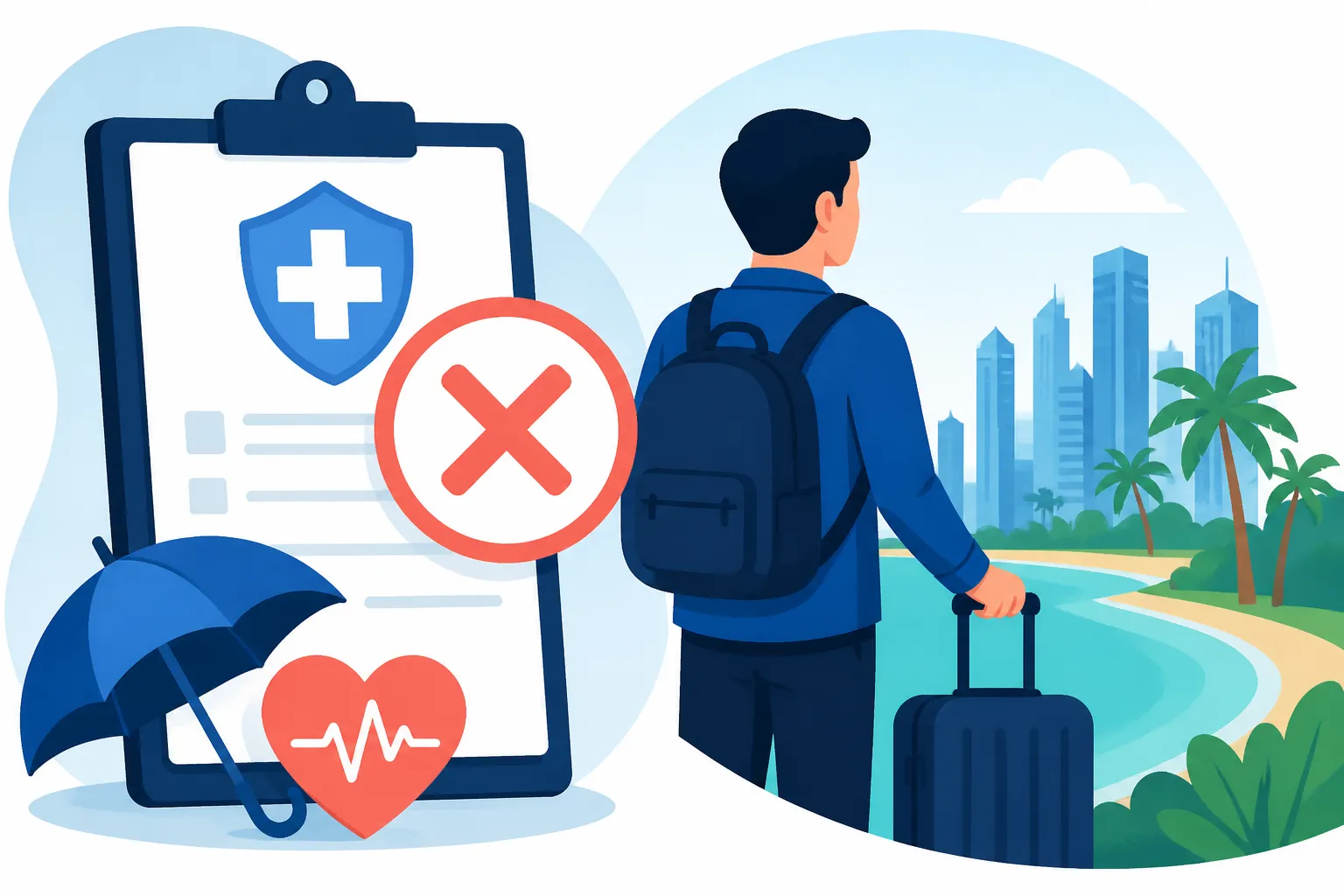
Leaving Panama is a whirlwind of emotions and practical tasks, and one of those often-overlooked but absolutely crucial items on the checklist is sorting out your health insurance. It’s easy to think it will just "sort itself out," but believe me, overlooking this step can lead to a world of administrative headaches and unexpected bills down the line. This guide will walk you through the nitty-gritty of how to properly cancel your health insurance, whether it's private or through the public system, ensuring a clean break as you embark on your next adventure.
The Importance of Properly Cancelling Your Health Insurance in Panama
When you’re packing up your life, saying goodbye to friends, and navigating the sometimes-frustrating bureaucracy of a new country (or even returning home), it's easy to let things like health insurance slide. After all, you won't be in Panama, so what's the big deal? Well, as many of us expats have learned the hard way, leaving loose ends in a foreign country, especially when it comes to financial commitments, can come back to bite you.
Avoiding Lingering Fees and Bureaucracy
Panama, like many places, isn't always known for its lightning-fast administrative processes. What seems straightforward on paper can sometimes involve multiple visits, phone calls, and more paperwork than you ever thought possible. If you simply stop paying a private insurance premium without formally canceling, that policy doesn't just vanish into thin air. It accumulates debt, which can then be reported, affecting your credit or even causing issues if you ever decide to return to Panama or have dealings with Panamanian financial institutions again. Imagine receiving a collection notice months later for a service you haven't used! It's a real possibility and one worth avoiding.
Beyond just the financial aspect, there's the administrative clean-up. Having an open, unpaid health insurance policy can create a paper trail that complicates future transactions. For instance, if you ever needed a "paz y salvo" (a certificate of no debt) for any reason in Panama, an outstanding insurance balance would prevent you from getting it. It's truly a testament to the adage "an ounce of prevention is worth a pound of cure" when dealing with Panamanian administrative tasks. Taking the time to close everything out properly now saves you immense stress and potential expense in the future.
Understanding Your Obligations
Every insurance policy is a contract, and just like any contract, it comes with terms and conditions, especially around cancellation. Before you even think about packing that last box, pull out your policy documents. Did you sign up for a fixed term? Is there a minimum notice period required for cancellation? Are there any penalties for early termination? These are not trivial details; they are legally binding clauses that you agreed to when you first signed up.
For example, many policies, particularly those for a year or more, might have a 30 to 60-day notice period. This means you need to initiate the cancellation well in advance of your departure date. If you've been paying monthly, some policies might prorate a refund for any unused portion of the month if you cancel mid-cycle, while others might simply terminate at the end of the current billing period. Understanding these nuances from the get-go will help you manage your expectations and plan your final payments appropriately. It's also vital to ensure you have coverage right up until you leave, especially if you have any last-minute medical needs. For more on navigating this, consider reading our comprehensive guide on How to Choose Private Health Insurance in Panama (2027).
A Step-by-Step Guide to Cancelling Your Private Panamanian Health Insurance
Cancelling private health insurance in Panama, while sometimes a bit of a dance, is generally more straightforward than dealing with the public system, primarily because it's a direct agreement between you and a private company.
Reviewing Your Policy and Gathering Documents
The very first step is to become intimately re-acquainted with your insurance policy. Locate your policy documents, whether they are physical papers or digital files. You're looking for key pieces of information:
- Policy Number: This is your unique identifier.
- Effective Dates: When did the policy start, and what's its renewal date?
- Cancellation Clause: This is the most important part. It outlines the specific steps, notice periods, and any potential fees or refund policies related to canceling.
- Contact Information: The best phone number, email address, or physical address for customer service or the cancellations department.
Once you have this information, start gathering the necessary identification documents. Typically, you'll need:
- A copy of your passport (the biographical page).
- A copy of your Panamanian residency card (Cédula E).
- Proof of your departure date (e.g., a flight ticket or a letter stating your move).
- Any recent premium payment receipts.
Having all these documents ready will prevent delays once you initiate contact. It shows you're serious and prepared, which can sometimes expedite the process, even in Panama! For a broader understanding of private options, check out Understanding Private Health Insurance Plans in Panama.
Contacting Your Insurer
Now it's time to reach out. Most private insurers in Panama, like ASSA Compañía de Seguros, Internacional de Seguros, or Generali Seguros, will have a dedicated customer service line or an email address for policy inquiries and cancellations.
Initial Contact: Start with a phone call. Explain your situation clearly: you are an expat leaving Panama and wish to cancel your health insurance policy. They will usually guide you on the next steps, which almost always involve submitting a formal written request.
Written Communication is King: Never rely solely on a phone call. Always follow up any verbal communication with a written request. An email is often sufficient, but for extra peace of mind, consider sending a physical letter via certified mail or delivering it in person and getting a stamped copy for your records. This creates an undeniable paper trail, protecting you if there are any disputes later.
In your written request, include:
- Your full name and contact details (including a non-Panamanian email address/phone if possible, for after you leave).
- Your policy number.
- Your Cédula E number.
- A clear statement that you wish to cancel your policy and your requested cancellation date.
- Your reason for cancellation (leaving the country).
- Attach copies of your passport and residency card.
Ask for written confirmation of your cancellation, including the effective date. Be persistent but polite. Panamanian customer service can sometimes require a bit of patience and follow-up.
Navigating the Cancellation Process
Once you've submitted your formal request, you enter the waiting game.
Forms and Signatures: The insurer might send you a specific cancellation form to fill out and sign. This is standard procedure. Complete it meticulously and return it promptly.
Refunds (If Applicable): If your policy allows for a pro-rata refund of prepaid premiums, the insurer will process this. Be prepared for it to take some time, potentially weeks or even a couple of months, to appear in your bank account. Ensure they have your correct bank details or, if you're closing your Panamanian account, discuss alternative payout methods.
Confirmation: The ultimate goal is to receive an official letter or email from the insurance company confirming that your policy has been successfully canceled and that you have no outstanding obligations. Keep this document safe! It's your proof of a clean break.
If you encounter difficulties, don't hesitate to seek advice from a local expat forum or even a Panamanian lawyer specializing in consumer affairs. Sometimes, a well-placed professional inquiry can move things along. For more insights on general healthcare in Panama, you might find Health Insurance in Panama: Private and International Options Explained useful.
Cancelling Your Caja de Seguro Social (CSS) Contributions
The public healthcare system, or Caja de Seguro Social (CSS), operates differently. Your contributions are typically linked to your employment status or, if you're self-employed, your registration with the DGI (Dirección General de Ingresos).
If You Were Employed
For most expats working for a Panamanian company, your CSS contributions are automatically deducted from your salary, and your employer handles the reporting and payments on your behalf.
When you resign or your employment contract ends, your employer is responsible for notifying the CSS of your departure. This process is usually handled by the Human Resources department.
Your Action Steps:
- Confirm with HR: Before your last day, speak with your HR department. Confirm that they will process your "desafiliación" (disaffiliation) from the CSS system upon your departure. Ask for written confirmation that this has been done, or at least a timeline for when you can expect it.
- Last Payslip Review: Check your final payslip to ensure no CSS deductions were made beyond your last day of employment.
- No Direct Action Needed (Usually): Unlike private insurance, you typically don't need to directly contact CSS to cancel if you were formally employed. Your employer's notification is what triggers the termination of your contributions. However, it’s still wise to keep records of your employment termination to prove your cessation of contributions if any issues arise.
You can learn more about this system in How Panama's Health System Works: CSS and Private Care Explained (2027).
If You Were Self-Employed or Voluntary Contributor
If you were a self-employed expat registered with the DGI and making voluntary CSS contributions, or if you were contributing voluntarily to CSS outside of formal employment, the responsibility to cancel falls squarely on you.
Your Action Steps:
- DGI De-registration (if applicable): If your CSS contributions were tied to your self-employment registration with the DGI, your first step might be to formally de-register your business or "persona natural" (natural person business) with the DGI. This often involves filing final tax returns and notifying them of cessation of activities. Once the DGI system is updated, it can impact your CSS status.
- Contact CSS Directly: You will need to visit a CSS office in person or contact them to inquire about the specific process for canceling voluntary contributions. This will involve presenting your Cédula E, passport, and potentially a letter stating your intent to cease contributions due to leaving the country.
- Formal Request: Be prepared to fill out forms and potentially provide proof of your departure. Just like with private insurance, aim for written confirmation of your disaffiliation from the CSS system.
- Seek Professional Help: If this seems overwhelming, consider engaging a Panamanian accountant or lawyer who can assist you with the DGI de-registration and CSS cancellation process. They are well-versed in the local bureaucratic requirements. For a detailed look at this, refer to Understanding Health Insurance Contributions Through the CSS in Panama.
Here’s a quick comparison of the two processes:
| Feature | Private Health Insurance Cancellation | CSS (Public) Contribution Cancellation |
|---|---|---|
| Initiator | You, the policyholder | Employer (if employed); You (if self-employed/voluntary) |
| Key Documents | Policy, Passport, Cédula E, Proof of Departure | Passport, Cédula E, Employment Termination Letter (if applicable) |
| Contact Method | Phone, Email, Written Letter to insurer | HR Department (if employed); CSS Office/DGI (if self-employed/voluntary) |
| Notice Period | Varies by policy (often 30-60 days) | No fixed notice; linked to employment end or de-registration |
| Confirmation | Written confirmation from insurer is crucial | Confirmation from HR / CSS office is ideal |
| Potential Fees | Possible early termination fees (check policy) | Generally no fees, but outstanding contributions must be cleared |
Planning for Continued Coverage: Post-Panama Health Insurance Options
Once you've successfully navigated the Panamanian cancellation process, a critical consideration is your health coverage after you leave. A gap in insurance can expose you to significant financial risk, especially if you're traveling or moving to another country where you might not immediately have coverage.
Transitioning to New Coverage
If you're moving directly to another country for work or residency, your new employer or country's public health system might provide immediate coverage. However, there can often be waiting periods before new coverage kicks in. Similarly, if you're returning to your home country, you might need to re-enroll in your national health system, which could also involve a waiting period.
It's absolutely essential to plan this transition carefully to avoid any periods without health protection. Research the health insurance requirements and options in your next destination well in advance. Understanding How Your Residence Status Affects Health Coverage in Panama highlights the direct link between where you live and your access to healthcare, a principle that extends to your next destination.
Travel Insurance and Temporary Solutions
For many expats, the period immediately after leaving Panama involves some degree of travel, or perhaps a move to a new country where settling in takes time. This is where flexible, international travel or nomad insurance can be a lifesaver.
For instance, companies like SafetyWing offer plans specifically designed for digital nomads and travelers. Their Nomad Insurance, for example, is a popular choice because it provides worldwide coverage and is generally affordable and easy to manage online. It’s perfect for bridging those gaps between formal residencies or for those who plan to continue a nomadic lifestyle after Panama. You can sign up for it even if you've already left Panama, and it offers continuous coverage on a monthly subscription basis, so you don’t have to commit to a long-term contract while your plans are still fluid.
Consider these types of options if:
- You're going on an extended trip before settling down again.
- You're moving to a country where you won't have immediate employment or public health coverage.
- You plan to continue working remotely and traveling the world.
Having this kind of safety net, whether it's SafetyWing or another reputable international provider, means you won't be caught off guard by unexpected medical expenses during your transition. It offers peace of mind when you're most vulnerable to gaps in coverage. Remember, healthcare needs don't magically disappear just because you've changed countries! For a deeper dive into overall healthcare provisions, our The Complete Guide to Healthcare in Panama for Expats (2027) offers context that can help in planning for your next move.
Disclaimer
Please note that while this guide provides comprehensive information based on current practices, immigration and insurance regulations in Panama can change. It is always advisable to consult with the specific insurance provider, the Caja de Seguro Social (CSS), or a legal professional for the most up-to-date and personalized advice regarding your situation.