Can I Add My Spouse to My Health Insurance in Panama?
Navigating the healthcare system in a new country is often one of the biggest headaches for expats, and it only gets more complicated when you're trying to ensure your whole family is covered. Trying to figure out how to add your beloved spouse to your health insurance here in Panama can feel like an administrative labyrinth, full of confusing forms, unexpected requirements, and the ever-present 'just come back tomorrow' vibe. This guide will walk you through the specifics of adding your spouse to your health insurance plan in Panama, whether you're dealing with public, private, or international options, making sure you know exactly what to expect.
Understanding Health Insurance Options for Expats in Panama
Before we dive into the nitty-gritty of adding your spouse, it’s crucial to understand the landscape of health insurance in Panama. For expats, it’s generally a mix of public, private, and international plans, each with its own set of rules, benefits, and, let’s be honest, quirks. Many of us arrive thinking our home country's system will simply translate, but Panama operates on its own rhythm, and patience is definitely a virtue you'll need to cultivate.
The Public System: Caja de Seguro Social (CSS)
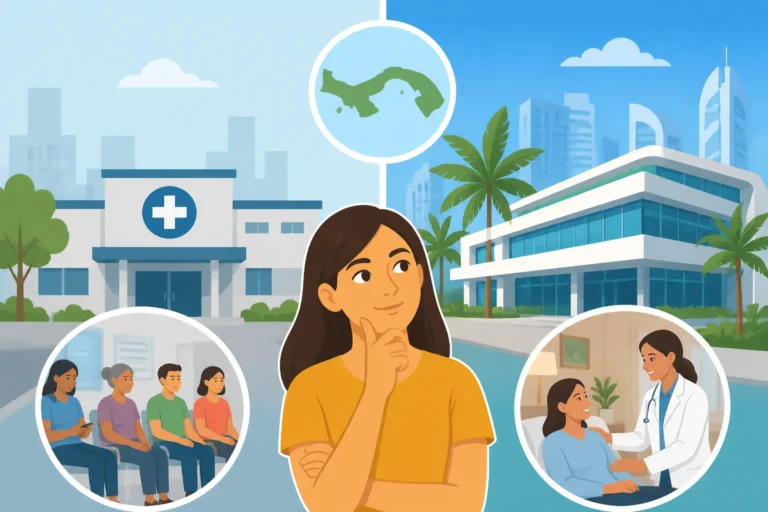
The public healthcare system, known as the Caja de Seguro Social (CSS), is funded by contributions from employees, employers, and the government. If you're formally employed in Panama, you'll likely be contributing to the CSS, and your employer will handle the initial registration. While the CSS can offer comprehensive coverage, especially for serious conditions, it’s notorious for long wait times, particularly for specialist appointments or certain diagnostic tests. The facilities can also vary wildly in quality, from perfectly adequate to quite basic, depending on where you are in the country.
Adding a spouse to your CSS plan is theoretically straightforward if you are already registered as an employee. They are considered a dependent, and their coverage is linked to yours. However, the bureaucracy can be daunting. You'll need an array of documents, and a fair amount of persistence to get everything processed. For a deeper dive into this, you might find "How to Register with the CSS (Caja de Seguro Social) in Panama" particularly helpful.
Private Health Insurance in Panama
Many expats opt for private health insurance in Panama, either as their primary coverage or to supplement the CSS. This route offers access to a network of modern hospitals and clinics, often with English-speaking staff, shorter wait times, and a higher standard of comfort. Think Hospital Punta Pacifica, Centro Médico Paitilla, or Hospital Nacional – these are the places you'll likely end up if you choose a private plan. The experience is generally much closer to what many North American or European expats are used to.
There are several local private insurance providers in Panama, offering a range of plans. These plans vary widely in terms of coverage, deductibles, co-pays, and network of providers. It’s important to shop around and compare, as what works for one expat might not be the best fit for another. "How to Choose Private Health Insurance in Panama (2027)" can give you a lot more information on making this important decision.
International Health Insurance
Then there’s international health insurance, which is a fantastic option for expats who travel frequently, might move to another country in the future, or simply want the peace of mind that comes with global coverage. Providers like SafetyWing offer flexible plans that can cover you not just in Panama, but also when you're visiting family back home or exploring other parts of the world. This type of insurance can be particularly appealing if you’re self-employed, a digital nomad, or if your Panamanian residency status isn't tied to local employment that provides CSS coverage. The beauty of international plans is their portability and often, more straightforward claims processes, though you'll want to ensure their network in Panama meets your needs.
Steps to Add Your Spouse to a Panamanian Health Insurance Plan
Alright, let’s get down to brass tacks. Adding your spouse to your health insurance here in Panama largely depends on the type of insurance you have. But there are some common threads and, yes, some unique Panamanian twists to the process.
Adding a Spouse to Your CSS Coverage
If you’re employed and enrolled in the CSS, adding your spouse requires a trip to the local CSS office, typically the one closest to where you work or live. You can’t just fill out a form online and be done with it, unfortunately. This will likely be an exercise in patience.
Required Documents for CSS:
- Your Cedula and Passport: Your Panamanian identity card (cedula) and passport are essential.
- Your Spouse's Passport and Residency Card (if applicable): If your spouse has their own cedula, bring it. Otherwise, their passport and proof of residency in Panama are necessary.
- Marriage Certificate: This is non-negotiable. It must be an original, legally authenticated, and apostilled certificate. If it's not in Spanish, it will need to be translated by a certified public translator in Panama, and then the translation itself will need to be notarized. This step alone can take a few weeks, so plan ahead!
- Birth Certificates (if adding children at the same time): While not for your spouse, if you have kids, this will come up.
- Proof of Dependency: Sometimes, they might ask for proof that your spouse is financially dependent on you, though your marriage certificate usually suffices. This is more common with other types of dependents like parents.
- Application Forms: These will be provided at the CSS office. Be prepared to fill them out meticulously, often in triplicate.
The Process:
You'll submit these documents at the CSS office. Expect to wait, possibly be told to come back with another document you didn’t realize you needed, or that the person who handles that specific form is out to lunch for the rest of the day. It’s part of the Panamanian charm! Once submitted, it can take several weeks or even a few months for the registration to be fully processed and for your spouse to appear in the system as a dependent. Always ask for a copy of the submission receipt and the estimated processing time. Follow up regularly, but politely.
Adding a Spouse to a Private Panamanian Health Insurance Plan
This process is generally smoother than with the CSS, but it still requires attention to detail. Most private insurance companies have dedicated customer service departments, and many cater to expats with English-speaking staff.
Required Documents for Private Plans:
- Your Policy Details: Your existing policy number and information.
- Your and Your Spouse's Passports/Cedulas: Identification for both of you.
- Marriage Certificate: Similar to CSS, an original, apostilled, and officially translated marriage certificate is almost always required.
- Medical Questionnaire/Examination: Depending on the insurer and your spouse's age/health history, they might need to complete a medical questionnaire or even undergo a medical examination. This is particularly true for older spouses or those with pre-existing conditions.
- Application Form for Dependents: The insurance company will provide this.
The Process:
Contact your insurance provider directly. Many have online portals or dedicated expat helplines. They will guide you through the specific forms and documents. Be prepared for potential waiting periods for certain conditions or treatments, which are common in private plans, especially for new enrollments or pre-existing conditions. Make sure to thoroughly read the policy documents that outline the full scope of your coverage, including what "Understanding Private Health Insurance Plans in Panama" covers in detail.
Pro-Tip: If your spouse has any pre-existing medical conditions, be completely transparent. Failing to disclose them can lead to future claims being denied, which nobody wants.
Adding a Spouse to an International Health Insurance Plan
International plans are often the most straightforward when it comes to adding dependents, especially if you set up the family plan from the outset. Many are designed with expat families in mind, understanding the need for flexibility.
Required Documents for International Plans:
- Your Policy Information: Your current policy details.
- Your and Your Spouse's Passports: For identification.
- Marriage Certificate: While often not required for the initial quote or application, it might be requested later as proof of relationship, especially for claims. Ensure you have an apostilled and translated version ready.
- Application for Dependent Coverage: Usually a simple online form or an amendment to your existing policy.
- Medical Underwriting: Similar to private local plans, depending on the provider and the plan chosen, your spouse may need to undergo medical underwriting.
The Process:
Reach out to your international insurance provider. Most have user-friendly online platforms where you can manage your policy and add dependents. The process is typically quicker and less bureaucratic than local options. For example, if you're using a provider like SafetyWing, their online interface is generally very intuitive. You’ll usually just need to provide their personal details, answer some health questions, and pay any additional premiums. The key advantage here is that the process often doesn't depend on Panamanian government approvals for the insurance itself, speeding things up considerably. You can often add your spouse with just a few clicks or a quick call.
Important Considerations and Potential Hurdles
No matter which route you choose, there are a few general things expats in Panama need to keep in mind when adding a spouse to health insurance. These are the aspects that often catch us off guard.
Pre-existing Conditions
This is a big one. For both private local and international plans, pre-existing conditions are a major factor. Most policies will have exclusions, waiting periods, or higher premiums for conditions that existed before the policy's start date. Be sure to understand your policy’s stance on this, as it can significantly impact your spouse’s coverage. If your spouse has a chronic condition, it's vital to discuss this with prospective insurers before committing.
Waiting Periods
Many policies, especially private local ones, implement waiting periods. This means that even after your spouse is added to the policy, they might not be covered for certain treatments (e.g., maternity care, specific surgeries) for a period of several months or even a year. Read the fine print! This also applies to the CSS, where full benefits might not kick in immediately upon registration.
Network and Coverage Limitations
Always confirm the network of hospitals and doctors your chosen plan covers. While private hospitals in Panama City like Hospital Punta Pacifica are widely accepted by many private and international insurers, smaller clinics or hospitals in more rural areas might not be. Ensure the plan offers adequate coverage for the type of care your spouse might need, including specialist care. Remember, "Understanding How to Choose a Hospital in Panama" can also guide you.
Language Barrier
While many private clinics and international insurance providers have English-speaking staff, the CSS and smaller local offices often do not. If your Spanish isn't fluent, bring a Panamanian friend or hire a translator to help you navigate the paperwork and conversations, especially when dealing with public services. It reduces frustration for everyone involved.
Navigating Different Scenarios: Public, Private, and International Plans
Let's break down how these choices might play out in real life, especially with your spouse in mind. The "The Complete Guide to Healthcare in Panama for Expats (2027)" offers an overarching perspective, but here we focus on the specifics for your partner.
The Employed Expat with CSS
If you are employed in Panama, your employer enrolls you in the CSS. Your spouse, as a legal dependent, should be eligible. The challenge here is less about eligibility and more about the administrative process. Be prepared for multiple visits to the CSS office, potentially with slightly different requests each time. It can feel like a test of endurance. However, once your spouse is officially registered, they will have access to the public healthcare system, including consultations, medications, and hospitalizations, though the wait times and facility standards might not always meet international expectations. For those who can afford it, many expats in this situation choose to buy a private plan for their spouse as well, to provide a faster, more comfortable alternative for routine care or emergencies.
The Self-Employed or Retiree with Private Local Insurance
For those not tied to a Panamanian employer, local private insurance is a popular choice. When adding your spouse, you’re essentially adjusting your existing family policy or applying for a new family plan. This route offers more control over the benefits and network. You’ll work directly with the insurance agent or company to ensure your spouse’s needs are met. This often means paying a higher premium than single coverage, but it comes with the peace of mind of dedicated customer service and modern facilities. Be proactive in asking about coverage for specific conditions, especially if your spouse has particular health concerns.
Comparison of Dependent Enrollment (General Guidelines)
| Feature | CSS (Public System) | Private Local Insurance | International Health Insurance |
|---|---|---|---|
| Primary Requirement | Your formal employment and contributions. | Direct purchase, often via broker. | Direct purchase, often online. |
| Documents Needed | Apostilled Marriage Cert, ID, Proof of Dependency. | Apostilled Marriage Cert, ID, Medical Form. | ID, Medical Form (sometimes simplified). |
| Processing Time | Weeks to Months (highly variable). | Days to Weeks (depending on medical underwriting). | Hours to Days (often very fast, especially online). |
| Medical Exams | Usually not required unless for a specific claim. | Often required for older spouses or pre-existing cond. | May be required for older spouses or high-value plans. |
| Pre-existing Cond. | Generally covered upon registration, but wait times. | Typically have exclusions/waiting periods. | Varies greatly, often with exclusions/waiting periods. |
| Network Access | CSS clinics and hospitals (variable quality). | Private hospitals/clinics within Panama. | Global network, including top private hospitals in Panama. |
| Language Support | Primarily Spanish. | Often bilingual (Spanish/English). | Usually excellent English support. |
The Expat Prioritizing Global Flexibility with International Insurance
If you or your spouse travel frequently, or if your long-term plans in Panama are still a bit fluid, an international plan might be your best bet. When you add your spouse, you're usually extending your existing international policy to cover them. Providers like SafetyWing are well-known for their flexibility, often allowing you to add or remove dependents with relative ease, and their global network can be invaluable. This means if your spouse needs medical attention while visiting family outside Panama, they're covered. Just ensure the specific plan you choose has robust coverage within Panama itself, and that the claims process is clear and manageable for you.
Ultimately, adding your spouse to your health insurance in Panama is a process that requires forethought, organization, and a good dose of patience. Don't rush it, gather all your documents, and be prepared to ask lots of questions. With the right approach, you can ensure your partner has the medical coverage they need to enjoy life in this beautiful country.
Disclaimer
The information provided in this guide is for general informational purposes only and does not constitute legal, financial, or medical advice. While we strive to provide accurate and up-to-date information, regulations and procedures in Panama can change frequently. It is highly recommended to consult with a qualified Panamanian attorney, insurance broker, or healthcare professional for advice tailored to your specific situation. We are not responsible for any actions taken based on the information presented herein.