Is Maternity Care Covered by Insurance in Panama?
Oh, the joys and bewildering complexities of navigating healthcare in a new country! When you're an expat, especially when you're planning for or expecting a baby in Panama, the question of whether maternity care is covered by insurance isn't just a detail – it's a huge, often anxiety-inducing, puzzle piece. This guide is here to walk you through the nitty-gritty of maternity insurance coverage in Panama, untangling the options and giving you the realistic picture so you can prepare with confidence and peace of mind.
The Dual Healthcare System and Maternity Coverage Basics
Panama operates on a dual healthcare system: the public sector, primarily run by the Caja de Seguro Social (CSS), and a robust private sector. This means your maternity coverage can look vastly different depending on which system you're engaged with, and understanding both is key, even if you ultimately choose private. Many expats find this duality a bit confusing at first, wondering where they fit in and what benefits are truly accessible to them.
Public System (CSS) Maternity Coverage
If you're legally employed in Panama and your employer contributes to the Caja de Seguro Social (CSS) on your behalf, congratulations, you're usually entitled to maternity benefits through the public system. The CSS aims to provide comprehensive care, which, on paper, covers everything from prenatal consultations and tests to delivery (both natural and C-section) and postnatal follow-ups for both mother and baby. It sounds great, right? And for many Panamanians, it is a vital safety net.
However, the reality for expats can sometimes be a bit different. While the care is provided, the CSS system often struggles with overcrowding, leading to longer wait times for appointments and sometimes a less personalized experience. You might encounter language barriers if your Spanish isn't fluent, as English-speaking staff are less common in public facilities compared to private ones. Facilities can also vary significantly in quality from one region to another; a CSS clinic in a major city might be well-equipped, while one in a rural area could be very basic. It’s crucial to remember that while the services are covered by your contributions, the convenience and comfort level might not always meet international expectations. For those who want to understand more about getting into the system, we have a detailed guide on How to Register with the CSS (Caja de Seguro Social) in Panama.
Private Insurance for Maternity Care
For many expats, private healthcare is the preferred route for maternity care in Panama due to the promise of higher standards, shorter wait times, and a wider choice of doctors and hospitals. When you opt for private insurance, you're looking at a different ball game entirely. These plans are designed to give you access to Panama's excellent private hospitals, such as Hospital Punta Pacifica, Hospital Nacional, or Centro Médico Paitilla, which boast modern equipment, comfortable private rooms, and often, English-speaking staff.
The critical factor with private insurance and maternity, however, is almost always the waiting period. You simply cannot purchase a private health insurance plan today and expect it to cover a pregnancy that has already begun or will begin in the immediate future. Insurance companies, understandably, need to mitigate their risk. This is a common point of frustration for many newcomers to Panama, who might suddenly realize they are pregnant and scramble to find coverage, only to hit this roadblock. While some travel insurance options like SafetyWing might offer emergency medical coverage, it's generally not designed for planned maternity care. For comprehensive understanding of your choices, take a look at our guide on Health Insurance in Panama: Private and International Options Explained.
Navigating Private Insurance: Waiting Periods, Exclusions, and Tiers
This is where the rubber truly meets the road for expats planning a family in Panama. Private health insurance, while offering a superior experience, comes with very specific rules, especially concerning maternity benefits.
Understanding Waiting Periods
Let's not mince words: waiting periods are the single biggest hurdle for maternity coverage through private insurance in Panama. Most local and international health insurance providers will impose a waiting period, typically ranging from 9 to 12 months, before any pregnancy-related expenses will be covered. Some policies might even extend this to 18 or 24 months for delivery costs. This means you need to have your insurance policy active and in force for that entire duration before you even conceive, let alone give birth.
Imagine this scenario: you move to Panama, settle in, get a private health insurance plan, and then, six months later, you find out you're pregnant. In almost all cases, your insurance will not cover the costs of that pregnancy or delivery because you haven't fulfilled the waiting period. This is a crucial detail that often catches expats off guard and can lead to significant out-of-pocket expenses. It underscores why advance planning is paramount when it comes to family planning abroad. Always, always, confirm the specific maternity waiting periods directly with your chosen insurer. Our guide on How to Choose Private Health Insurance in Panama (2027) delves deeper into selecting the right plan.
Common Exclusions and Limitations
Beyond waiting periods, private maternity insurance plans in Panama often come with other exclusions and limitations that you need to be aware of. The most significant one is "pre-existing conditions." If you are already pregnant before securing your policy, the pregnancy itself will almost certainly be considered a pre-existing condition, meaning the insurance company will not cover any costs associated with it. This is standard practice globally, not just in Panama.
Furthermore, some plans might have specific conditions or higher co-pays for certain procedures, such as elective C-sections, or only cover delivery within a specific network of hospitals and doctors. For instance, while your plan might cover a C-section for medical necessity, if you choose one for personal preference, there might be higher out-of-pocket costs or a lack of coverage for the elective component. Always clarify what specific prenatal tests, doctor visits, hospital stays, and delivery methods are fully covered. It's also worth noting that general travel insurance plans, like those offered by SafetyWing, are primarily designed for unforeseen medical emergencies while traveling and typically have very limited, if any, provisions for planned maternity care. This is a key distinction to remember. For a deeper dive into policy specifics, check out Understanding Private Health Insurance Plans in Panama.
Different Tiers of Maternity Coverage
Just like any insurance product, maternity coverage often comes in different tiers or levels, each offering varying degrees of benefits and, naturally, price points.
- Basic Maternity Coverage: This might cover essential prenatal visits, standard lab tests, and a normal vaginal delivery or medically necessary C-section. It usually comes with lower limits for hospital stays and might not include extras like private birthing suites or extensive postnatal therapy.
- Comprehensive Maternity Coverage: These plans offer more extensive benefits. They might include a wider range of prenatal screenings, coverage for complications, higher limits for hospital charges, extended postnatal care, and sometimes even a choice of premium private hospitals. These plans are, of course, more expensive but provide greater peace of mind and access to top-tier facilities.
The tier you choose will significantly impact your experience. For example, if you opt for a basic plan and want to deliver at a top-tier private hospital like Hospital Punta Pacifica, you might find yourself paying a considerable portion out-of-pocket due to coverage limits. Understanding how to choose the right hospital for your needs is crucial, and you can find more information in our guide on Understanding How to Choose a Hospital in Panama.
Before committing, scrutinize the policy details for co-pays, deductibles, and overall limits for maternity. A lower monthly premium might seem attractive, but if it comes with a high deductible for delivery or a low overall maternity benefit limit, you could still face substantial costs.
Practical Steps and Costs: Getting the Coverage You Need
Now that we've covered the what and the why, let's talk about the how. Securing appropriate maternity care in Panama requires proactive planning and diligent research.
Researching and Comparing Insurance Providers
The Panamanian insurance market offers both local and international options. Local insurers like ASSA Compañía de Seguros, Internacional de Seguros, or Mapfre Panamá are popular choices and often have a strong understanding of the local healthcare landscape. They might offer more competitive rates for certain benefits, but it's essential to ensure their network of hospitals and doctors aligns with your preferences.
International providers such as Cigna Global, Aetna International, or Bupa Global also operate in Panama, often offering plans designed specifically for expats with global coverage. These can be excellent options, especially if you anticipate needing care outside of Panama or want the flexibility of a broader network. When comparing, don't just look at the premium. Deep dive into:
- Maternity Waiting Periods: Reiterate the 9-12 month rule. Make sure it's explicitly stated.
- Coverage Limits: What is the maximum amount the policy will pay for maternity-related expenses? This includes prenatal, delivery, and postnatal care.
- Hospital and Doctor Network: Does the plan include the hospitals and OB-GYNs you'd prefer to use?
- Pre-existing Conditions Clause: Ensure you understand how this applies, especially if you have any prior health concerns.
- Newborn Coverage: Does the policy automatically cover the newborn from birth, and for how long, before they need to be added as a dependent?
- Deductibles and Co-pays: What are your out-of-pocket responsibilities for various services?
Engaging with a local insurance broker who specializes in expat health insurance can be incredibly valuable. They understand the nuances of Panamanian policies and can help you compare apples to apples, potentially saving you headaches down the line. The overall cost of healthcare in Panama, particularly private care, can vary significantly, which you can explore further in The Cost of Healthcare in Panama: A Complete Breakdown for Foreigners (2026). While platforms like SafetyWing are excellent for short-term travel medical needs, they are not designed to be primary health insurance for planned maternity in a residency context.
The Cost of Maternity Care Without Full Coverage
If you find yourself without adequate insurance coverage for maternity in Panama, either due to not meeting waiting periods or a lack of a comprehensive policy, be prepared for substantial out-of-pocket expenses. The good news is that even self-pay costs in Panama's private hospitals are often considerably lower than in countries like the United States, but they are still significant.
Here's a general breakdown of what you might expect to pay in a private hospital if you are self-insured:
- Prenatal Consultations: Each doctor's visit can range from $50 to $100, plus extra for ultrasounds and lab tests. A full slate of prenatal care can easily run into several hundreds of dollars.
- Normal Vaginal Delivery: This can cost anywhere from $1,500 to $3,000, depending on the hospital and the doctor's fees. This usually includes the hospital stay (1-2 nights), doctor's fees, and basic nursery care.
- C-Section Delivery: A C-section, whether elective or medically necessary, is more expensive, typically ranging from $2,500 to $5,000 or more. This includes the longer hospital stay (2-3 nights), surgical fees, anesthesia, and potentially more extensive postnatal care.
- Epidural: An epidural alone can add $300-$500 to the delivery cost.
- Postnatal Care: Follow-up visits for the mother and initial pediatrician visits for the baby.
- Unexpected Complications: This is where costs can really skyrocket, as extended hospital stays, NICU care for the baby, or additional medical procedures will add significantly to the bill.
These figures are approximate and can fluctuate based on the specific hospital, doctor, and any complications that may arise. For more detailed information on specific costs, you might find our articles on Is Childbirth Affordable in Panama? and How Much Does a Normal Delivery Cost in Panama? helpful. Having a clear understanding of these potential costs allows you to budget effectively, even if it means setting aside a significant sum.
Here's a table to give you a clearer picture of approximate costs:
| Service | Public Hospital (CSS, if eligible) | Private Hospital (Self-Pay) | With Comprehensive Private Insurance |
|---|---|---|---|
| Prenatal Consultations | Covered (nominal fees) | $50 – $100 per visit | Covered (co-pay/deductible) |
| Routine Ultrasounds | Covered | $75 – $150 per ultrasound | Covered (co-pay/deductible) |
| Lab Tests | Covered | $100 – $300+ | Covered (co-pay/deductible) |
| Natural Delivery | Covered | $1,500 – $3,000 | Mostly Covered (co-pay/deductible) |
| C-Section Delivery | Covered | $2,500 – $5,000+ | Mostly Covered (co-pay/deductible) |
| Epidural | Covered | $300 – $500 | Mostly Covered (co-pay/deductible) |
| Hospital Stay (per night) | Covered | $200 – $500+ | Covered (up to policy limit) |
| Pediatrician Check-ups | Covered | $50 – $100 per visit | Covered (co-pay/deductible) |
| Complications | Covered | Potentially $10,000s | Covered (up to policy limit) |
Note: "Covered (co-pay/deductible)" means you'll pay an initial amount or a percentage of the cost, but the bulk is covered by the insurer after the waiting period is met.
Beyond Insurance: Additional Considerations for Expat Parents-to-Be
Insurance is a huge piece of the puzzle, but it’s not the only thing on your mind when you’re preparing for a new arrival in Panama. As expats, there are several other practical aspects to consider to ensure a smooth and joyful experience.
Choosing a Doctor and Hospital
Finding the right OB-GYN and hospital is a deeply personal choice, and even more so when you're in a foreign country. Panama City, in particular, has several excellent private hospitals with state-of-the-art facilities and many highly qualified, often US or European-trained, doctors.
- English-Speaking OB-GYNs: Many specialists in Panama City, especially in the private sector, speak excellent English. Word-of-mouth among expat communities is often the best way to find recommendations. Online expat forums and social media groups are invaluable resources for this. Take your time to interview a few doctors before committing; rapport is essential during such a significant life event. If you're struggling to find one, our guide on How to Find an English-Speaking Doctor in Panama can help.
- Hospital Facilities: Visit the hospitals you're considering. Look at their birthing rooms, post-natal suites, and NICU (Neonatal Intensive Care Unit) facilities, just in case. Ask about their policies on partners in the delivery room, birthing preferences, and immediate skin-to-skin contact with the baby. Hospitals like Hospital Punta Pacifica and Hospital Nacional are renowned for their international standards.
- Birthing Options: While natural childbirth is common, Panama also has a high C-section rate. Discuss your birthing plan and preferences with your doctor early on to ensure they align. Learning about Understanding Maternity and Prenatal Care in Panama can give you a good foundation.
Post-Natal Care and Childhood Vaccinations
Once your little one arrives, the journey continues with crucial postnatal care for both mother and baby.
- Postnatal Care for Mother: Your OB-GYN will schedule follow-up appointments to ensure your recovery is on track. Don't hesitate to voice any concerns you might have during this sensitive period.
- Pediatrician for the Baby: You'll need to choose a pediatrician for your newborn. Many hospitals have pediatricians who do the initial check-ups, and you can then continue with them or find another. Again, expat recommendations are golden. Regular check-ups and vaccinations are vital for your baby’s health.
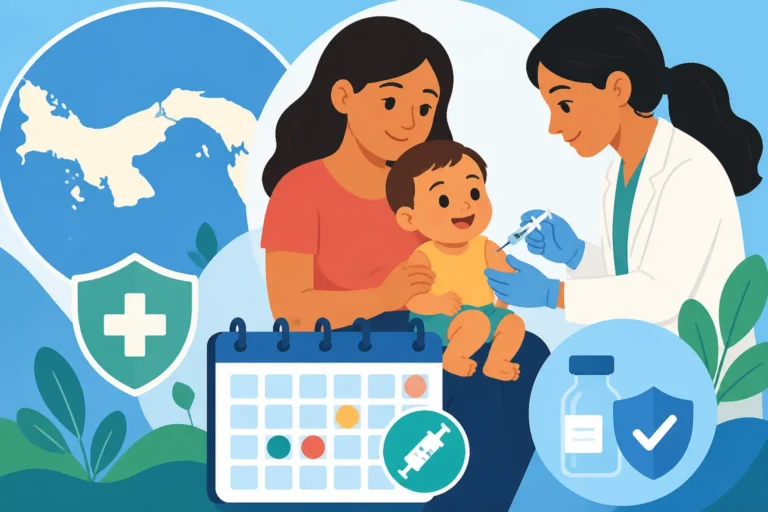
- Childhood Vaccinations: Panama has a comprehensive national vaccination program for children, similar to many Western countries. Your pediatrician will guide you through the local schedule, ensuring your child receives all necessary immunizations. For more information, please see Understanding Childhood Vaccination Schedules in Panama.
Adding Dependents to Your Health Insurance
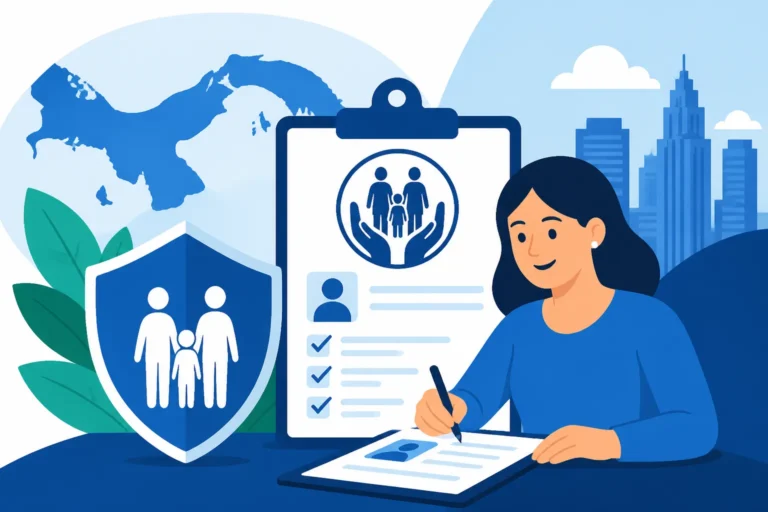
After the baby is born, one of the most important administrative tasks is to add your newborn to your health insurance policy. Most private insurance plans offer a grace period (often 30 days) during which you can add a newborn without underwriting, provided the mother was covered for maternity.
- Timelines: It's critical to complete this process within the specified timeframe to avoid any gaps in coverage for your baby.
- Documentation: You'll typically need the baby's birth certificate and any other forms required by your insurer. Your hospital or pediatrician's office might be able to assist with the necessary paperwork.
- Reviewing Your Plan: Take this opportunity to review your overall family health insurance plan. Does it still meet your needs now that you have a new dependent? You might need to adjust your coverage level. More insights on this process can be found in our detailed article, How to Add Dependents to Your Health Insurance in Panama.
Having a baby in a foreign country is an incredible adventure, but it does come with its unique set of challenges. By understanding the intricacies of maternity insurance coverage in Panama and planning proactively, you can ensure that you and your growing family receive the best possible care.
Disclaimer
The information provided in this guide is for general informational purposes only and does not constitute medical, legal, or financial advice. While we strive to provide accurate and up-to-date information, healthcare policies, insurance plans, and regulations in Panama can change. It is essential to consult with qualified professionals, such as insurance agents, healthcare providers, and legal counsel, for advice tailored to your specific situation.