How Do I Find a Trusted Pharmacy Near Me in Panama City?
Moving to a new country like Panama, one of the foundational anxieties that creeps up on everyone, no matter how seasoned an expat you become, is the thought of getting sick. And when that happens, or even just when you need a routine refill, finding a reliable, trusted pharmacy in Panama City can feel like navigating a maze blindfolded. This guide is here to cut through the confusion, offering you an expat’s perspective on locating and confidently using pharmacies across this vibrant city.
The Pharmacy Landscape in Panama City
Let's be real, walking into a farmacia in a foreign country for the first time can be intimidating. The labels are in Spanish, the products are different, and you're not always sure if you're getting sound advice. But Panama City actually has a pretty robust pharmacy system, once you understand how it operates. It’s a blend of large, familiar chains and smaller, neighborhood spots, each with their own quirks and benefits.
Understanding the Types of Pharmacies
You’ll encounter a few main types of pharmacies here, and knowing the difference can save you a lot of time and potential frustration. First, you have the big chain pharmacies, which are ubiquitous in most major neighborhoods and shopping centers. These are your go-to for convenience, selection, and often, more standardized services. They typically operate with longer hours, sometimes 24/7, and have a wider range of products, from over-the-counter medicines to beauty products, snacks, and even household items. Think of them like a smaller version of a CVS or Walgreens, but with a distinct Panamanian flair.
Then there are the independent pharmacies. These are often smaller, family-run establishments that might not have the flashy signs or extensive inventory of the chains, but they often offer a more personalized touch. Sometimes, you’ll find that these smaller pharmacies, especially in older or less commercialized areas, are where older pharmacists with a wealth of experience work. They might be able to offer more specific advice or even compound certain medications, a practice less common in the larger chains. However, their hours can be more limited, and they might not always stock the exact brand you’re looking for. It’s worth noting that even these smaller places are generally regulated, but it never hurts to stick with well-established ones, particularly when you’re still getting your bearings.
Lastly, don’t forget about the pharmacies located within hospitals or large clinics. These are usually designed to cater to patients receiving treatment at that specific facility, but they are often open to the public as well. For very specific or specialty medications, or if you’ve just seen a doctor in that hospital, using their in-house pharmacy can be incredibly convenient. The staff there are often well-versed in the hospital’s doctors’ prescribing habits, which can smooth over any potential misunderstandings about your prescription. For a broader understanding of how these different systems fit together, take a look at our guide on How Panama's Health System Works: CSS and Private Care Explained (2027).
Common Pharmacy Chains and Local Favorites
When it comes to the big players, two names will quickly become familiar: Farmacias Arrocha and Farmacias Metro. These are the giants of the Panamanian pharmacy scene, and you'll find them practically everywhere in Panama City, from multi-story branches in busy commercial districts like Multiplaza Mall or Albrook Mall to smaller storefronts in residential neighborhoods.
Farmacias Arrocha is probably the most prominent. They’re like the department store of pharmacies, offering a vast array of goods beyond just medicines – cosmetics, gifts, electronics, even some gourmet foods. Their pharmacy sections are usually well-staffed, and many locations have a drive-thru window, which is a blessing on a rainy day or if you're in a rush. They also have a robust online presence for checking stock or even ordering for delivery, which is incredibly helpful. The prices are generally competitive, and they frequently run promotions.
Farmacias Metro is another major chain, equally widespread and reliable. While perhaps not as sprawling as some Arrocha locations, they maintain excellent stock levels and professional service. You'll often find them conveniently located near supermarkets or in strip malls, making it easy to combine your errands. Both Arrocha and Metro are excellent starting points for any expat looking for a trusted pharmacy. They have standardized procedures and a commitment to quality that gives peace of mind, especially when you’re still adjusting to life here.
While these chains are dominant, you might occasionally spot other, smaller chains or independent pharmacies, particularly in specific barrios (neighborhoods). These can be perfectly fine, but for consistency and breadth of service, the major chains are usually your safest bet. If you’re ever unsure, stick to the names you see most frequently.
Practical Tips for Locating a Pharmacy and Getting Your Meds
Okay, so you know the big names. Now, how do you actually find one when you need it, and what’s the process for getting your medication once you’re there? It's not always as straightforward as back home, but it's definitely manageable.
Using Technology and Local Resources
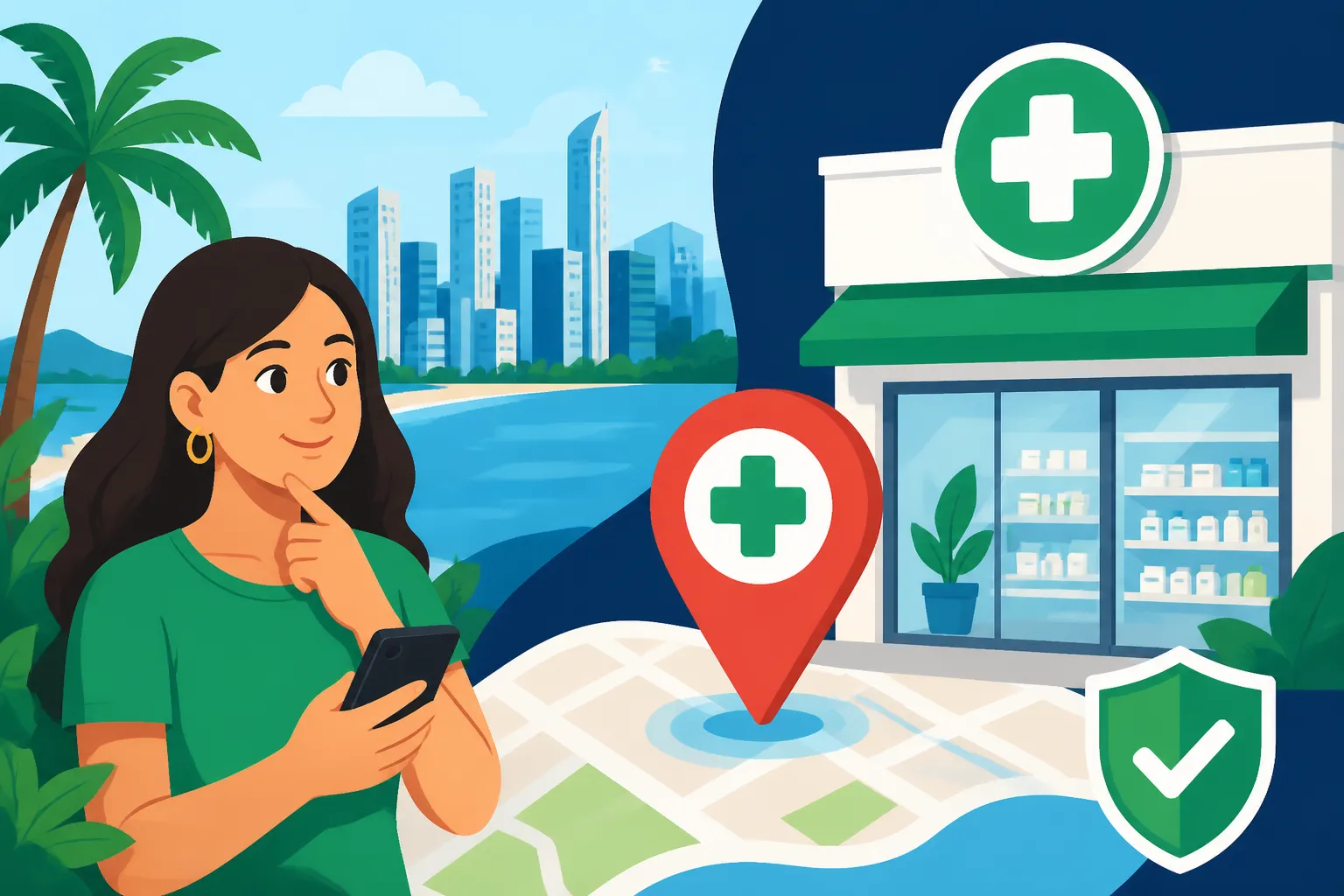
In this digital age, technology is your best friend for finding anything, and pharmacies are no exception. The easiest way to find a nearby Farmacias Arrocha or Farmacias Metro is to use Google Maps on your phone. Simply type "farmacia" or "pharmacy" into the search bar, and it will show you all the nearest locations. Many listings will also include their operating hours and contact information. This is particularly useful if you need to know if a place is open late or 24/7.
Beyond mapping apps, both Farmacias Arrocha and Farmacias Metro have their own websites and sometimes even dedicated apps. These can be great for checking product availability before you even leave home. Some even offer online ordering and delivery services, which can be an absolute lifesaver when you're feeling under the weather or if you need to avoid going out in the infamous Panama City traffic.
Don't underestimate local resources, either. Ask your neighbors, local friends, or even the concierge at your building or hotel. Panamanians are generally very helpful, and they often know the most reliable or convenient spots for specific needs. Joining expat Facebook groups for Panama City can also be a goldmine of information, as fellow expats will often share their recommendations and experiences, including which pharmacies have English-speaking staff, if that's a concern for you. Remember, having a good plan for healthcare is crucial, and if you’re looking at international options, companies like SafetyWing offer travel medical insurance that can be a great backup when you’re navigating new health systems. It’s always smart to have a safety net, especially for unexpected needs.
Navigating Prescriptions and Over-the-Counter Options
One of the pleasant surprises for many expats in Panama is the availability of certain medications that might require a prescription in your home country but are available over-the-counter here. Antibiotics are a prime example – often you can purchase them without a doctor's note, although it's always advisable to consult a medical professional before self-prescribing. For a deeper dive into this, check out our guide on Prescription Medications and Pharmacies in Panama: The Complete Guide.
For medications that do require a prescription, you'll need a valid prescription from a Panamanian doctor. If you've just seen a local doctor, they'll give you a handwritten script. Most pharmacies will accept these without issue. What about foreign prescriptions? This is where it gets a bit trickier. Generally, Panamanian pharmacies will not accept prescriptions from doctors outside of Panama. You'll need to see a local doctor to get a new prescription. This is why finding an English-speaking doctor in Panama City, which you can learn more about in How to Find an English-Speaking Doctor in Panama, can be incredibly useful.
When you present your prescription, the pharmacist may ask you to wait a short while for them to fill it. Sometimes, they'll have the exact brand name you're looking for; other times, they might offer a generic equivalent. Don't be afraid to ask questions about the medication, its dosage, or any potential side effects. Most pharmacists, especially in the larger chains, are well-trained and professional. Be prepared to pay upfront; unlike some countries where insurance handles the payment directly, here you usually pay and then file a claim with your private health insurance in Panama if you have one.
Ensuring Trust and Quality: What to Look For
So, you've found a pharmacy and you're ready to get your meds. But how do you know you're at a trusted place? It's a valid concern, especially when your health is on the line.
Identifying Reputable Establishments
The first and most straightforward indicator of a reputable pharmacy in Panama City is its appearance and organization. Major chains like Farmacias Arrocha and Farmacias Metro maintain very high standards of cleanliness, order, and professionalism across all their branches. You'll find well-lit aisles, clearly labeled sections, and staff in uniforms. The pharmacy counter itself should look professional, with clear separation from other retail areas.
Beyond aesthetics, observe the staff. Are they wearing name tags? Do they seem knowledgeable and willing to answer questions? A trusted pharmacy will have qualified, licensed pharmacists on duty. While you might not see their license prominently displayed like in some countries, their demeanor and the clarity of their advice will usually be a good indicator. If you have a complex prescription or need advice on interactions, a good pharmacist will take the time to explain things thoroughly.
Another strong sign of reliability is if the pharmacy is located within or directly associated with a major private hospital, like Hospital Punta Pacifica or Hospital Nacional. These facilities uphold international standards, and their pharmacies follow suit. If you're using an international health insurance provider, like SafetyWing, these established pharmacies and hospitals are usually well within their network, making the process smoother. For a more complete picture of where to seek care, our Complete Guide to Healthcare in Panama for Expats (2026) offers invaluable insights.
Finally, word of mouth from other expats or trusted locals can be incredibly valuable. If multiple people recommend a specific smaller pharmacy, it’s usually for a good reason – perhaps their prices are consistently better, or the pharmacist is particularly helpful and goes above and beyond. Just exercise a bit more caution with very small, obscure places if you’re dealing with critical medications, until you’ve built up trust.
Language Barriers and Communication
One of the biggest hurdles many expats face, especially when they first arrive, is the language barrier. While Panama City is becoming more international, not everyone, including pharmacy staff, will be fluent in English. In the larger chains like Farmacias Arrocha and Farmacias Metro, you'll often find at least one English-speaking staff member, especially during peak hours. Don't hesitate to ask, " ¿Habla inglés? " (Do you speak English?) if you're struggling to communicate. Many will try their best, or direct you to a colleague who can help.
If there isn't an English speaker available, don't panic. Here are a few strategies that have worked for me and many others:
- Have your prescription clearly written: This is paramount. A doctor's handwriting can be notoriously difficult to decipher, even in your native language. If possible, ask your doctor to type the prescription or write it very clearly.
- Use a translation app: Google Translate or similar apps can be invaluable for translating medication names, dosages, and instructions. You can even use the camera function to translate labels in real-time.
- Write down key questions: Before you go, jot down any specific questions you have about your medication in both English and Spanish (using a translator if needed). This makes it easier for the pharmacist to understand your concerns.
- Bring a Panamanian friend: If you have a local friend who can accompany you, even just for your first few pharmacy visits, it can significantly ease the communication burden and help you feel more comfortable.
Remember, the goal is clear communication about your health. Don't be shy about asking for clarification until you fully understand what you're getting and how to use it. It’s far better to ask ten questions than to take the wrong medication or dosage. Your health is not something to take chances with.
Dealing with Specific Situations: Emergencies and Special Needs
Life happens, and sometimes you need medication outside of regular business hours or have very specific requirements. Panama City is equipped to handle most of these scenarios, but knowing the ropes beforehand can save you stress in a pinch.
After-Hours and Emergency Pharmacies
Just like in many major cities worldwide, Panama City has pharmacies that operate 24 hours a day, seven days a week. These are crucial for medical emergencies that aren't severe enough for an ER visit but still require immediate attention, or for those late-night forgotten refills.
Again, Farmacias Arrocha and Farmacias Metro are your best bet here. Many of their larger branches, especially those in central or more populated areas, are open 24/7. A quick search on Google Maps for "farmacia 24 horas" (24-hour pharmacy) will usually pinpoint the closest one to you. It's a good idea to identify one or two convenient 24-hour locations near your home or work before you actually need them. This proactive step can greatly reduce panic during a real emergency.
In a true medical emergency, where time is of the essence, you might find yourself in an emergency room, and naturally, that facility will have an in-house pharmacy ready to fill any urgent prescriptions. Understanding how Emergency Medical Care in Panama: What Every Expat Needs to Know functions is paramount, and it covers how prescriptions fit into that immediate care.
Table: Common 24-Hour Pharmacy Locations in Panama City (Always check Google Maps for real-time verification)
| Pharmacy Chain | Common Locations for 24/7 Service (Examples) | Notes |
|---|---|---|
| Farmacias Arrocha | Via España, Avenida Balboa, Centenario Mall | Many large branches offer 24/7 service. Often have a wide range of non-pharmacy items as well. |
| Farmacias Metro | El Cangrejo, 12 de Octubre, Costa del Este | Several strategic locations with extended or 24/7 hours. Good for quick stops. |
| Hospital Pharmacies | Hospital Punta Pacifica, Hospital Nacional | Primarily serve hospital patients but often open to the public, especially for emergency prescriptions. |
Disclaimer: Pharmacy hours can change. Always verify current operating hours with a quick phone call or Google Maps search before heading out, especially for locations not explicitly listed as 24/7.
Handling Specialty Medications and Foreign Prescriptions
For those who rely on specialty medications for chronic conditions, Panama City generally has good availability, especially for common chronic disease treatments. However, if your medication is very rare or newly approved in your home country, it might not yet be readily available in Panama, or it might be under a different brand name. It's always a good idea to research the availability of your specific medications before you move, or at least bring a sufficient supply for a few months to allow yourself time to get settled and find a local doctor.
As mentioned before, foreign prescriptions are generally not accepted. This means you'll need to schedule an appointment with a local Panamanian doctor to get a new prescription. It’s helpful to bring a detailed report from your home doctor outlining your diagnosis, current medications (including generic names and dosages), and treatment history. This information will significantly help the Panamanian doctor understand your needs and prescribe the appropriate local equivalent. While it's an extra step, it ensures that your healthcare in Panama is properly managed within the local system.
For instance, if you rely on international health insurance, providers like SafetyWing often require that you seek local medical consultation for new prescriptions to be covered. They understand the need for local medical records. This transition can be a bit of a bureaucratic dance, but it's essential for continuity of care. Don't underestimate the time it might take to find the right specialist and get your new prescriptions sorted. Planning ahead and being patient are key here. Knowing How to Access Specialist Care in Panama can also make this process smoother.
Ultimately, finding a trusted pharmacy in Panama City becomes second nature once you’ve navigated it a few times. With a bit of preparation and knowing which resources to tap into, you’ll feel just as confident managing your health needs here as you would back home.
Disclaimer
Please note that while this guide provides general information and advice for expats in Panama, specific regulations, availability of medications, and pharmacy hours can change. Always consult official sources, local healthcare professionals, or legal advisors for the most current and personalized information. This content is for informational purposes only and should not be considered medical or legal advice.