How Do I Set Up Water Service in Panama?
You've just arrived in Panama, likely feeling a mix of excitement and the familiar expat "what now?" overwhelm. Settling into a new home here comes with its own unique set of administrative hurdles, and getting basic utilities like water service connected can feel like navigating a maze blindfolded. This guide is here to walk you through the nitty-gritty of how to set up water service in Panama, smoothing out the process with practical advice from someone who's been there, wrestling with the paperwork and the queues.
Understanding Panama's Water System and Providers
Before you even think about signing forms, it’s crucial to understand who provides water service in Panama. Unlike some countries with multiple competing private entities, Panama's water landscape is largely dominated by one major player, with a few important exceptions. Knowing this will save you a lot of headache and aimless searching.
The Central Role of IDAAN
In most of Panama, your water service will come from the Instituto de Acueductos y Alcantarillados Nacionales, or IDAAN. This is the national institute for aqueducts and sewers, essentially the government-run utility that manages water supply and sanitation for the majority of the country. So, if you're living in Panama City, David, Santiago, or most other urban and semi-urban areas, IDAAN is who you'll be dealing with.
Now, I won't sugarcoat it: IDAAN has a reputation. It's often associated with bureaucracy, longer wait times, and sometimes, service inconsistencies. You'll hear expats grumble about it, and sometimes justly so. But it's the reality here, and understanding that this is part of the package helps set realistic expectations. They are constantly working on improvements, but the system can still feel slow-moving, especially when you're used to more efficient services from back home. Their offices, for example, can be bustling, and while they do have online payment portals now, the initial setup usually requires a physical visit. Remember, patience is not just a virtue in Panama; it's a necessity, especially when dealing with utilities.
Regional Differences and Private Developments
While IDAAN covers the vast majority, there are pockets where things operate a little differently. Some newer residential developments, particularly gated communities or large apartment complexes, might have their own private water systems or agreements. In these cases, your water bill might be included in your monthly homeowner's association (HOA) fees, or you might pay a private management company directly. This is definitely worth clarifying when you are looking at rentals or properties to buy. Sometimes, having a private system can mean more consistent pressure and quicker resolution of issues, which is a definite perk.
For instance, in some parts of Boquete or Coronado, you might find that the community manages its own water supply, especially if it's a smaller, more independent development. Always ask your landlord or real estate agent for specifics. If you're renting, sometimes the landlord will keep the water bill in their name and add it to your monthly rent payment, which simplifies things for you. However, it's always better to have it in your name if possible, just for transparency and control over your own usage and any potential disputes. It's similar to figuring out how to set up electricity in your Panama home; the general steps are universal, but local nuances are key.
The Step-by-Step Process to Connect Water Service
Alright, let's get down to brass tacks. Setting up your water service with IDAAN, or any other provider, generally follows a logical, albeit sometimes drawn-out, sequence. Knowing what to expect at each stage will significantly reduce your stress levels.
Gathering Your Documents
This is arguably the most critical and often the most frustrating step in any administrative process in Panama. You absolutely cannot show up to a government office without your ducks in a row. For water service, you'll need a specific set of documents, and they must be originals or certified copies. Don't even think about bringing only digital versions; they'll send you packing.
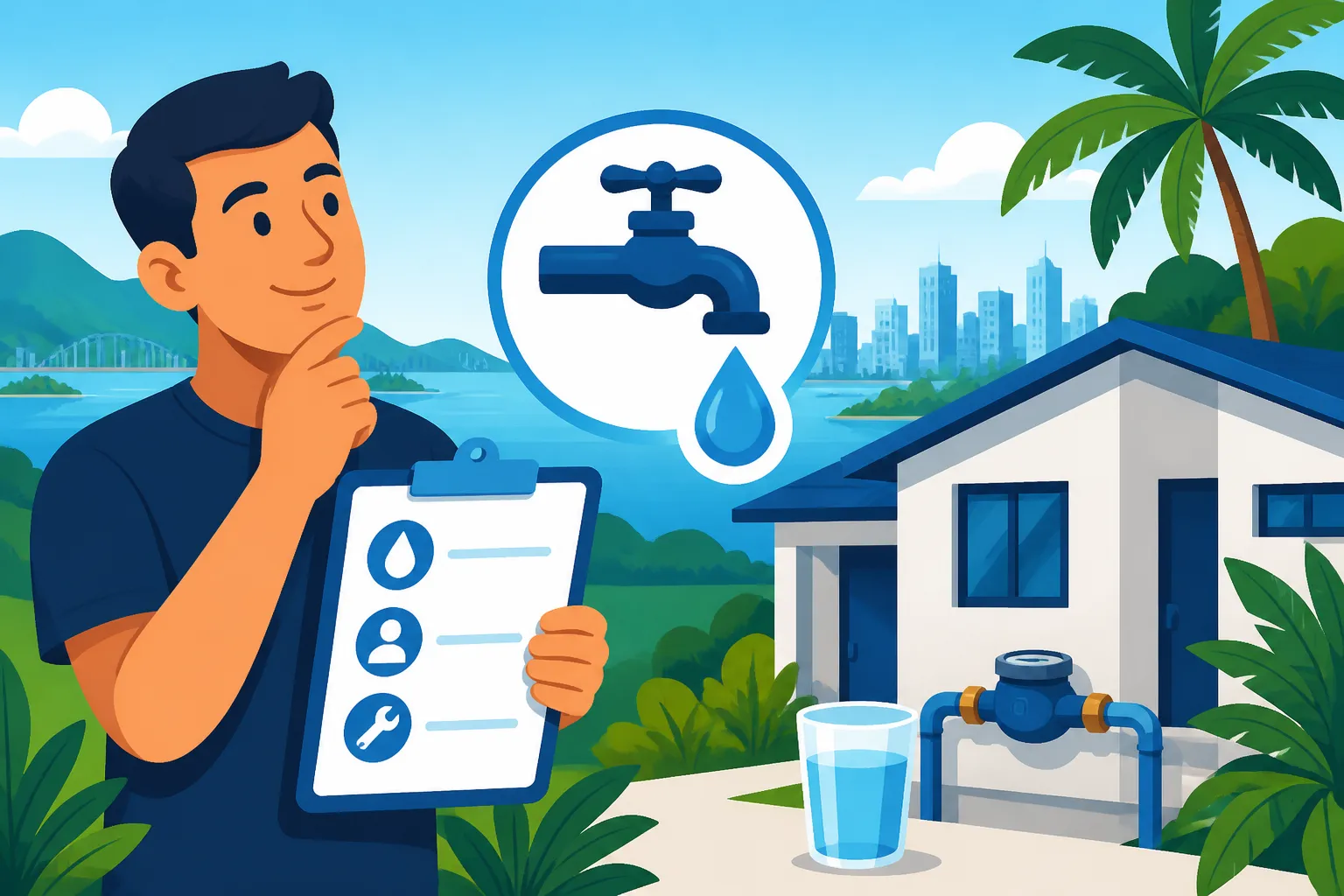
Typically, you'll need:
- Your Cedula or Passport: If you're already a resident with your Panamanian Cedula, that's your primary ID. If you're newer and waiting on your Cedula, your valid passport and the visa stamp showing your legal entry will usually suffice.
- Proof of Property Ownership or Rental Contract:
- For Owners: You'll need a copy of your property title (escritura pública) or a recent property tax receipt (paz y salvo de inmueble) in your name.
- For Renters: A copy of your valid rental contract (contrato de arrendamiento) is essential. Make sure it's notarized, as some IDAAN offices can be quite strict about this. The contract should clearly state your name as the tenant and the property address.
- Proof of Address: A utility bill from another service (like electricity, if you've already managed to set that up) or a bank statement showing your Panamanian address can sometimes be required, though the rental contract or property title usually covers this.
- Application Form: This will be provided at the IDAAN office, but it's a good idea to see if you can download it online beforehand and fill it out, saving a little time.
- A Map or Clear Directions to Your Property: While not always explicitly asked for, having a clear map (even a Google Maps printout) with your property marked can be helpful for the technicians who will eventually come out to connect or inspect.
I remember once, I showed up to renew my vehicle inspection (revisado) and had forgotten one tiny document. One! They sent me home. It's a common expat rite of passage. So, when you’re gathering documents, double-check everything. Take extra copies of everything, just in case. When it comes to something as vital as your water, being over-prepared is always the best strategy. This is similar to the requirements for your driver's license, where exact documents are critical.
Visiting the IDAAN Office
Once you have all your documents, it's time for the adventure: a visit to your local IDAAN office. Find the one closest to your home. In Panama City, there are several branches, so choose wisely to minimize your travel time.
When you arrive, expect a wait. This is a public service, and queues are common, especially during peak hours (early morning or just after lunch). Take a book, bring your phone fully charged, and practice your Spanish. While some staff might speak a little English, don't count on it. Having a Panamanian friend or a translator accompany you can be invaluable, particularly for clarifying any specific issues or questions.
You'll usually take a number and wait for your turn. When called, explain that you want to apply for new water service ("solicitar servicio de agua nuevo") or transfer an existing one to your name ("cambio de titularidad"). The clerk will review your documents. If anything is missing or incorrect, they will tell you. Don't get discouraged; it's part of the process. Politely ask what exactly is needed and how you can obtain it.
Remember, keeping connected during this back-and-forth can be critical. It is wise to have a reliable mobile plan. For those first few weeks, when you might not have home internet set up yet, an eSIM from Airalo can be a lifesaver, allowing you to stay in touch, translate on the fly, and confirm opening hours or document requirements on their website without worrying about local SIM card purchases just yet.
The Application and Connection Phase
After your documents are successfully submitted, you'll fill out the application form. This will include details about your property, your contact information, and sometimes a declaration of estimated usage. You may also need to pay an initial connection fee or a deposit at this stage. The fee varies, but it's typically a modest amount.
Once the application is processed and fees paid, IDAAN will give you a receipt and an estimated timeframe for connection. This is where patience truly becomes a virtue. The timeframe can range from a few days to a couple of weeks, sometimes longer if there are infrastructure issues or a high volume of requests. They will usually send a technician to your property to either verify the connection point or to install a new meter if one isn't present.
It's crucial that someone is available at the property when the technician is scheduled to arrive. While they usually call ahead, it's not always guaranteed. Missing a scheduled visit can lead to significant delays and require you to restart parts of the process. If you're moving your entire life with the help of a service like Sirelo, make sure to factor in this initial utility setup time. It's not just about getting your belongings delivered; it's about making sure your new home is actually livable from day one, which means having water!
Common Challenges and What to Expect
Let's be realistic: setting up utilities in Panama isn't always a walk in the park. But knowing the potential pitfalls in advance can help you navigate them more smoothly.
Navigating Bureaucracy and Language Barriers
This is perhaps the biggest hurdle. Panamanian government offices, including IDAAN, can be bureaucratic. There are forms for everything, and sometimes a simple request requires multiple stamps and signatures. The language barrier can exacerbate this. Most official communications and interactions will be in Spanish.
I've had countless experiences where I thought I understood everything, only to realize I missed a crucial detail because of a misunderstanding. This is where having some basic Spanish phrases or a translation app on your phone becomes indispensable. Don't be afraid to ask for clarification, even if it feels repetitive. It's better to ask three times than to go home and realize you forgot a crucial step. The staff are generally trying to help, but they are working within the confines of their system. Understanding the difference between public and private hospitals in Panama gives you a good idea of the range of service efficiency and communication you might experience in different sectors.
Understanding Your First Bill and Payment Options
Once your water is connected, you'll eventually receive your first bill. It might take a month or two to arrive, so don't be alarmed if it doesn't show up immediately. Panamanian utility bills can sometimes be a bit opaque if you're not used to them. Look for the "consumo" (consumption) and any fixed charges. IDAAN bills are typically quite affordable, especially compared to North American or European rates for similar usage.
Payment options have modernized significantly, thankfully. While you can still pay in person at IDAAN offices or specific payment centers (like those found in supermarkets), most people opt for online payment through their Panamanian bank's online portal. Banks like Banco General and Banistmo usually have sections dedicated to utility payments, where you can link your IDAAN account number. This is by far the most convenient method. You can also set up automatic payments through many banks, ensuring you never miss a due date. This convenience is a stark contrast to some initial setup processes. If you're still getting the hang of things, our guide on How to Pay Your Utility Bills in Panama provides a detailed walkthrough.
Dealing with Service Interruptions
This is another reality of life in Panama. Water interruptions, whether scheduled for maintenance or unscheduled due to pipe bursts or pump failures, do happen. They are more common in some areas than others and can range from a few hours to, in rare cases, a day or more.
IDAAN often announces scheduled interruptions on their social media channels (Twitter/X is a popular one for official announcements) and sometimes through local news outlets. It's a good idea to follow their social media accounts or join local expat WhatsApp groups where these announcements are often shared. For unscheduled outages, it’s usually a matter of waiting it out.
My advice? Always have a backup water supply. Many expats keep large bottles of drinking water for consumption and a few buckets of tap water for flushing toilets or basic hygiene. It's not about being alarmist; it's about being prepared. Just like you'd know about Emergency Medical Care in Panama: What Every Expat Needs to Know for health, being prepared for utility interruptions is part of living here.
Tips for Expats for a Smoother Setup
Having lived here for years, I've learned a few tricks that can make the utility setup process, and indeed much of life in Panama, a bit smoother.
Leveraging Local Help and Patience
Honestly, if you have a Panamanian friend, colleague, or even a trusted real estate agent who is willing to help you navigate the initial utility setup, take them up on it. Their local knowledge, language skills, and understanding of the system can cut through so much frustration. They know the unspoken rules, the best times to visit offices, and exactly what to say.
If you don't have personal contacts yet, consider hiring a local facilitator or an attorney. Many expat service providers offer assistance with utility connections as part of their relocation packages. While there's a cost involved, the peace of mind and time saved can be well worth it. And above all, cultivate patience. Things rarely happen at the pace you might be used to. Take deep breaths, smile, and remember you're on "Panamanian time."
Budgeting for Initial Costs
While the monthly water bill itself is generally low, there can be initial costs associated with setting up new service or transferring an existing one. This might include:
- Connection Fees: A one-time charge for establishing the service.
- Deposits: Some providers might require a security deposit, especially if you're a new customer without a prior service history in Panama.
- Notarization Fees: If your rental contract or other documents need to be notarized.
- Facilitator Fees: If you hire someone to help you.
These costs are usually manageable, but it’s good to budget for them so you're not caught off guard. It's just another part of understanding The Cost of Healthcare in Panama: A Complete Breakdown for Foreigners (2026) or any other aspect of budgeting your move. Being prepared financially for these small but necessary expenses helps avoid unexpected hiccups.
Here's a quick estimate of potential costs, but remember these are approximations and can vary:
| Item | Estimated Cost (USD) | Notes |
|---|---|---|
| Connection Fee (IDAAN) | $10 – $30 | One-time fee for new service or transfer |
| Security Deposit | $0 – $50 | Varies; more common for commercial accounts or new residential. |
| Notarization of Contract | $5 – $20 | If your rental contract isn't already notarized. |
| Monthly Bill (Average) | $5 – $25 | Residential use, varies by consumption. Generally quite low. |
| Facilitator/Translator | $50 – $150 (per visit) | Optional, but can save significant time and stress. |
Conserving Water and Local Practices
Panama is a tropical country with abundant rainfall, but water conservation is still important. While not typically enforced with strict penalties for residential use, being mindful of your consumption is a good practice. Many buildings will have water tanks on their rooftops, which is a common feature in Panama. These tanks store water and help maintain pressure, especially during peak demand or minor service interruptions. It's not uncommon to hear pumps kicking in to fill these tanks.
Being aware of your usage not only helps the environment but can also save you a few dollars. While water bills are low, every little bit counts towards How Much Does It Cost to Live in Panama for Expats?. Learning to adapt to local utility quirks is just another step in becoming a seasoned expat here. It's all part of the journey when you're navigating the ins and outs of The Complete Guide to Moving to Panama: Your First 90 Days (2027).
Setting up water service in Panama, like many administrative tasks here, requires a good dose of patience, thorough preparation, and sometimes a little help from a local friend. But once it's done, you'll have one less thing to worry about and can truly start enjoying your new home in paradise.
Disclaimer
Please remember that while I strive to provide the most accurate and up-to-date information, government regulations and utility processes in Panama can change. It is always best to verify specific requirements with the relevant authorities or a local legal professional at the time of your application. This guide is intended for informational purposes only and does not constitute professional advice.