How Do I Get a Vehicle Inspection in Panama?
Oh, the Revisado! If you've just moved to Panama or are thinking of bringing your car here, the annual vehicle inspection process can feel like another one of those bureaucratic hurdles designed to test your patience and your grasp of Spanish. Trust me, I've been there, staring blankly at forms and trying to understand which line means what. This guide is here to walk you through exactly how to get your vehicle inspected, easing some of that common expat frustration and making sure you stay on the right side of Panamanian traffic law.
What is the Revisado and Why You Need It?
Let's start with the basics, because understanding the "why" can sometimes make the "how" a little less daunting. The Revisado Técnico Vehicular, often just called the Revisado, is Panama's mandatory annual vehicle inspection. It's not just a formality; it's a critical part of ensuring road safety and environmental compliance for every registered vehicle in the country. Think of it as your car's yearly physical, a comprehensive check-up to ensure it's fit for the roads.
The whole system is managed by the Autoridad del Tránsito y Transporte Terrestre (ATTT), Panama's transit authority. Their aim, in theory, is to make sure every car, truck, and motorcycle is mechanically sound, its emissions are within acceptable limits, and all safety features are operational. For us expats, it’s one of those non-negotiable requirements that comes with owning a vehicle here. If you've navigated other administrative tasks like securing your How to Register and License a Car in Panama, you'll find the Revisado fits right into that same rhythm of Panamanian officialdom.
The Legal Mandate and Purpose
Panamanian law is pretty clear on this: if you own a vehicle, it must pass its annual Revisado. Driving a vehicle without a current inspection sticker is a direct route to a fine and, in some cases, your vehicle being impounded. This isn't just about the government wanting its paperwork in order; it's about keeping everyone safe. Panama's roads can be… let's say, dynamic, and the last thing anyone needs is a car with faulty brakes or non-functional lights adding to the chaos.
The inspection covers a range of safety-critical components: brakes, steering, suspension, tires, lights, horn, seatbelts, and even the windshield wipers. Beyond safety, there’s an environmental aspect too. Emissions testing is part of the Revisado, aimed at reducing air pollution in urban areas, especially in bustling Panama City. So, while it might feel like a chore, it serves a couple of genuinely important purposes for the community at large.
Who Needs a Revisado and When
Every single motor vehicle registered in Panama, whether it's a spanking new SUV fresh off the lot or a decades-old pickup truck, needs to undergo this annual inspection. This includes cars, motorcycles, buses, and trucks. There's no escaping it, my friend. The due date for your Revisado is tied directly to the last digit of your vehicle's license plate number, which makes it fairly easy to remember (or at least, less complicated than some other Panamanian dates!).
For instance, if your license plate ends in '1', your Revisado is typically due in January. If it ends in '2', February, and so on. This system helps distribute the workload at the inspection centers throughout the year. If your plate ends in '0', you're usually looking at an October deadline. Make sure to double-check your specific due month, as there can sometimes be slight variations or grace periods announced by the ATTT, especially around holidays or during system updates. It's crucial to understand these timelines, much like how you would need to know the specifics of Understanding Car Insurance and Registration in Panama.
The Step-by-Step Process for Your Vehicle Inspection
Alright, now for the nitty-gritty. The actual process itself, once you know what to expect and have all your ducks in a row, isn't as terrifying as it might initially seem. It's mostly about preparation and patience, two virtues that serve you well in Panama. Forget trying to rush this – that's just a recipe for stress.
The first step, and arguably the most important, is making sure you have all the necessary paperwork. Panamanian bureaucracy loves its paper, and the Revisado is no exception. Missing a single document can send you home to start over, which is why it is wise to double-check everything before you even leave the house.
Gathering Your Essential Documents
This is where many an expat (and local, to be fair) has stumbled. You need to bring originals and copies of several key documents. Don't skimp on the copies; sometimes they want to keep one.
Here’s your essential checklist:
- Your Cedula or Passport: This is your identification. Make sure it's current.
- Vehicle Registration (Registro Único Vehicular): This is the official document proving ownership and registration of your vehicle. It’s typically a green card. Don't confuse it with your license plate sticker; this is the physical document.
- Proof of Insurance: You need a current, valid civil liability insurance policy. Make sure the policy number and dates are clearly visible. Some inspection centers might want a physical copy, even if you mainly use a digital one. This is also covered in detail in our guide on How Much Is Car Insurance in Panama?.
- Last Revisado Sticker or Inspection Certificate: If this isn't your first Revisado, bring proof of your last one. This helps them track your vehicle's history.
- Paz y Salvo: This document confirms you have no outstanding traffic fines. You can usually obtain this online via the ATTT website or in person at an ATTT office. Get it before you go, as an outstanding fine will absolutely stop the process dead in its tracks.
Always carry a folder with all these documents, both originals and a few sets of copies. It’s better to be over-prepared than to face the dreaded "No, falta un documento" (No, a document is missing) at the inspection window.
Finding an Authorized Inspection Center
You can't just go anywhere for your Revisado; you need to visit an officially authorized Centro de Revisado Técnico Vehicular. These centers are typically private businesses licensed by the ATTT to perform the inspections. In Panama City, you'll find several of them scattered around. Common names you might hear are 'Revision Tecnica PTY' or 'Revisado y Tramites'. A quick Google Maps search for "Centro Revisado Técnico Vehicular Panama" will give you the most up-to-date locations and operating hours.
When choosing a center, consider its proximity and reputation. Some are known for being a bit quicker, others for being more thorough (read: stricter). You usually don't need an appointment, but it's always a good idea to call ahead, especially during peak months (end of the year, or if your plate's digit falls in a popular month). If you're outside Panama City, say in David or Santiago, search for centers in your local area. The process is generally the same across the country.
The Inspection Procedure Itself
Once you arrive at the center, the process usually goes something like this:
- Check-in: You'll present your documents at an administrative window. They’ll verify everything, probably take your payment for the inspection fee, and give you a receipt and possibly a number or instructions for where to go next. The fee for a Revisado for a private vehicle is typically around $30-$40, but this can fluctuate slightly.
- The Wait: This is Panama, so expect to wait. It might be 15 minutes, it might be an hour or more, depending on how busy they are. This is a perfect time to catch up on emails or use that handy data plan, maybe even one from Airalo if you’re using an eSIM, to keep yourself entertained.
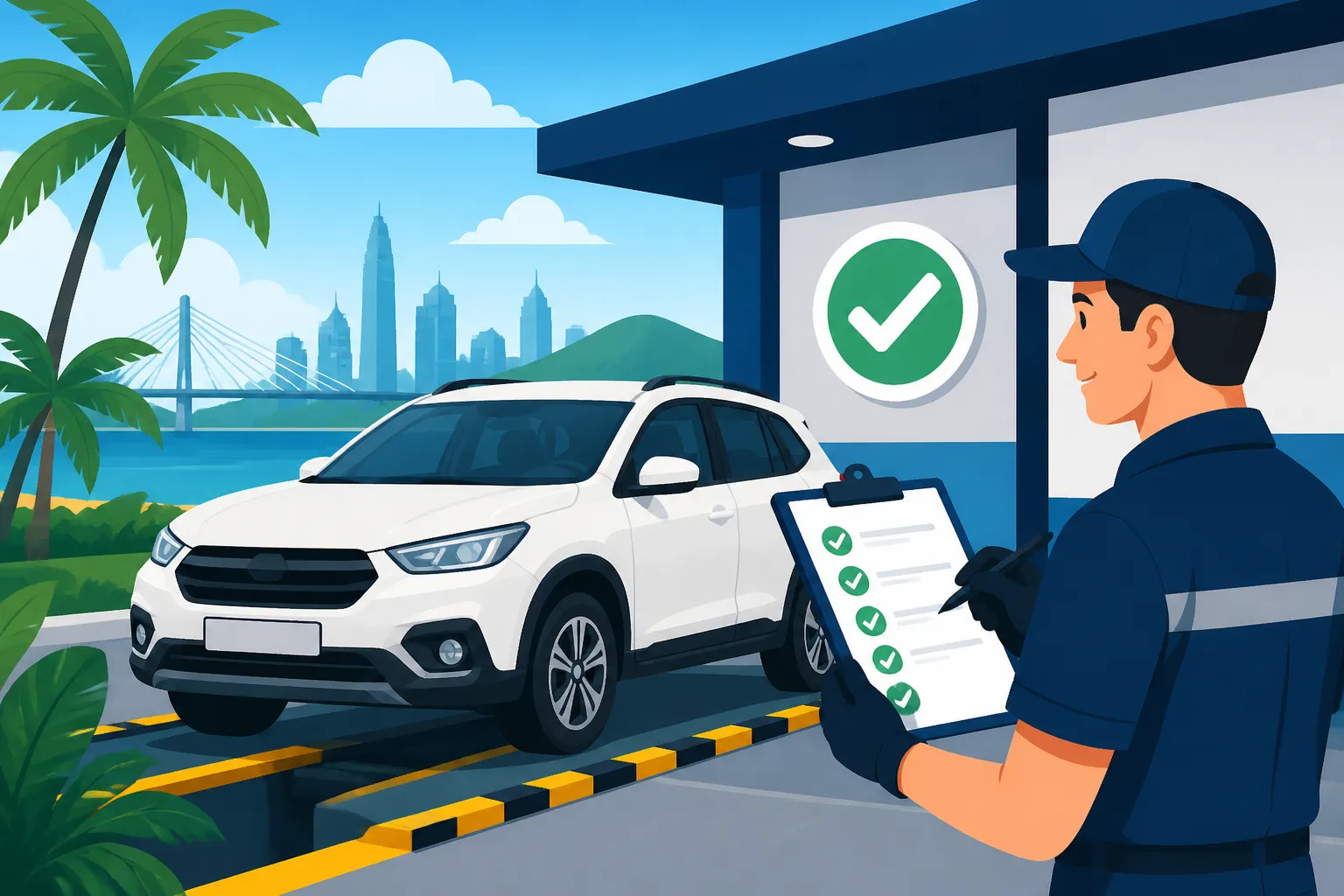
- The Inspection Bay: When your turn comes, an inspector will guide your vehicle into an inspection bay. You'll typically stay with your car, or at least nearby, while the inspector performs the various checks. They'll ask you to turn on lights, press the brake pedal, honk the horn, etc.
- The Automated Tests: Your car will usually go through a series of automated tests on a specialized lane. This includes rolling over a brake tester, a suspension test, and often an emissions test where a probe is inserted into your exhaust pipe. They’ll also check tire tread, alignment, and look for any obvious leaks or damage underneath.
The whole physical inspection usually takes about 15-20 minutes. The results are typically entered directly into a computer system, and you'll know pretty quickly whether you passed or failed.
Common Issues and How to Prepare for Your Revisado
It's common for vehicles, especially older ones, to fail the Revisado on their first attempt. Don't take it personally; it just means there's something that needs fixing. The key is to be prepared and proactively address potential issues before you even drive into the inspection center. A little preventative maintenance can save you a whole lot of headache and a second trip.
Many expats find dealing with vehicle-related bureaucracy one of the more challenging aspects of life here, alongside the general logistics of a move. Services like Sirelo can help with the moving aspect, ensuring your belongings arrive, but the Revisado is a hands-on experience for you and your vehicle.
Pre-Inspection Checklist
Before you head out, do a quick DIY check of the most common failure points. This can drastically improve your chances of passing:
- Lights: Check all lights – headlights (high and low beam), tail lights, brake lights, turn signals, and even your license plate light. Make sure they're all working and free of cracks. A single non-functioning bulb is a common reason for failure.
- Tires: Inspect tire tread depth. Panama requires a minimum depth, and uneven wear or bald spots will definitely lead to a fail. Also, check for any visible bulges or damage to the tire walls.
- Brakes: While you can't test them precisely at home, make sure your brakes feel responsive and don't make any grinding noises. The handbrake should also engage firmly.
- Wipers: Ensure your windshield wipers are fully functional and don't leave streaks. A clear view is essential for safety.
- Horn: Give a quick honk! It needs to work.
- Seatbelts: All seatbelts must be present, functional, and free of rips or damage.
- Windshield: Any significant cracks or chips in the windshield can lead to a failure, especially if they obstruct the driver's view.
- Mirrors: Ensure all mirrors (side mirrors and rearview mirror) are intact and properly adjusted.
- Exhaust System: Listen for any loud exhaust noises, which could indicate a leak. Visually check if your exhaust pipe is securely attached.
- Fluids: Check your oil, brake fluid, and coolant levels. While not always a direct fail point, a well-maintained vehicle often sails through more easily.
If you find anything amiss during this pre-check, it’s highly recommended to take your car to a trusted mechanic before your Revisado. A good mechanic familiar with Revisado requirements can perform a pre-inspection and fix minor issues on the spot. This small investment can save you the time and hassle of a re-inspection fee.
Understanding Common Reasons for Failure
Beyond the obvious, some common reasons vehicles fail include:
- Excessive Emissions: If your car is burning oil or has a catalytic converter issue, it might fail the emissions test.
- Suspension Problems: Worn shock absorbers, bushings, or ball joints can affect stability and safety.
- Steering Play: Excessive looseness in the steering wheel or components.
- Uneven Brake Force: If your brakes aren't applying pressure evenly, it can cause the car to pull to one side, a major safety concern.
- Rust: Significant structural rust, particularly on the chassis, can be a reason for failure, though this is more common with older vehicles.
If your vehicle fails, you'll receive a detailed report outlining the deficiencies. You then have a specified period (usually 30 days) to get the issues fixed and return for a re-inspection. There's typically a reduced fee for the re-inspection, but you'll have to go through the process again, showing proof that the repairs were made. It's an extra layer of bureaucracy, but it means they really do want cars on the road to be safe.
Life After the Revisado: Getting Your Sticker and Plate
So, you've survived the Revisado! Congratulations! But the journey isn't quite over. Passing the inspection is just one part of getting your vehicle legally ready for the road for another year. The final steps involve getting your new annual license plate sticker and, for many, the physical license plate itself.
This entire process, from getting your vehicle inspected to acquiring the new placa, is essential for legal driving. Neglecting these final steps after a successful Revisado can still land you in trouble, which would be a frustrating end to what you just achieved. Always aim to get your Revisado and collect your new plate well before your old one expires.
Collecting Your New Sticker and Plate
Once your vehicle has passed the Revisado, the inspection center will issue you an inspection certificate. This certificate is usually electronic, but they might give you a printout. Now, you need to head to your local municipality (known as the Alcaldía) to pay your annual road tax and collect your new license plate sticker, or placa. The placa is that little sticker with the year that you place on your existing metal license plate. Sometimes, especially if you have a new plate number or a new vehicle, you might get a completely new set of metal plates.
You'll need your Cedula/Passport, the vehicle registration document, and the Revisado certificate (or proof of its completion in their system). You'll pay the annual road tax, which varies based on the vehicle type and year. Once paid, they'll issue you the new placa sticker. Affix it to your existing plate, usually in the top right corner, covering the previous year's sticker. This ensures your vehicle is fully compliant for the year. This is part of the broader process of How to Register a Car in Panama.
What to Do if You Fail
If your vehicle fails the Revisado, as mentioned earlier, you'll receive a report detailing the specific reasons. Take this report directly to your mechanic. It’s a very useful document because it pinpoints exactly what needs to be fixed. Don't try to guess or ignore the issues; they were significant enough to warrant a failure.
After your mechanic has made the necessary repairs, you'll need to return to the same inspection center for a re-inspection. Keep all receipts from your mechanic as proof of repairs, although often the physical fix is enough for the inspectors. The re-inspection typically focuses only on the components that failed the first time. If those are now in order, you'll pass and can proceed to collect your placa at the municipality. Remember, there's a deadline for these re-inspections, so don't delay!
Maintaining Compliance and Avoiding Fines
The bottom line is simple: keep your Revisado and placa up to date. The ATTT and the transit police are very strict about this. Driving with an expired Revisado sticker or placa is an automatic fine and can lead to your vehicle being towed away. Trust me, getting your car out of the impound lot is a whole new level of Panamanian bureaucracy and expense you want to avoid.
Set a reminder for yourself a month or two before your Revisado and placa are due. This gives you ample time to get a pre-check, make any repairs, complete the inspection, and then head to the municipality. Staying proactive is your best defense against fines and unnecessary stress. This diligence applies across the board, whether it's Understanding the Cost of Healthcare in Panama: A Complete Breakdown for Foreigners (2026) or ensuring your vehicle's legal status.
Disclaimer
The information provided in this guide is for general informational purposes only and does not constitute legal or professional advice. While we strive to keep the information up-to-date and accurate, laws, regulations, and procedures in Panama can change rapidly. Always consult with the relevant Panamanian authorities (such as the ATTT or your local Alcaldía) or a local legal professional for the most current and specific advice regarding your individual circumstances.