How Do I Find an Apartment Near International Schools in Panama City?
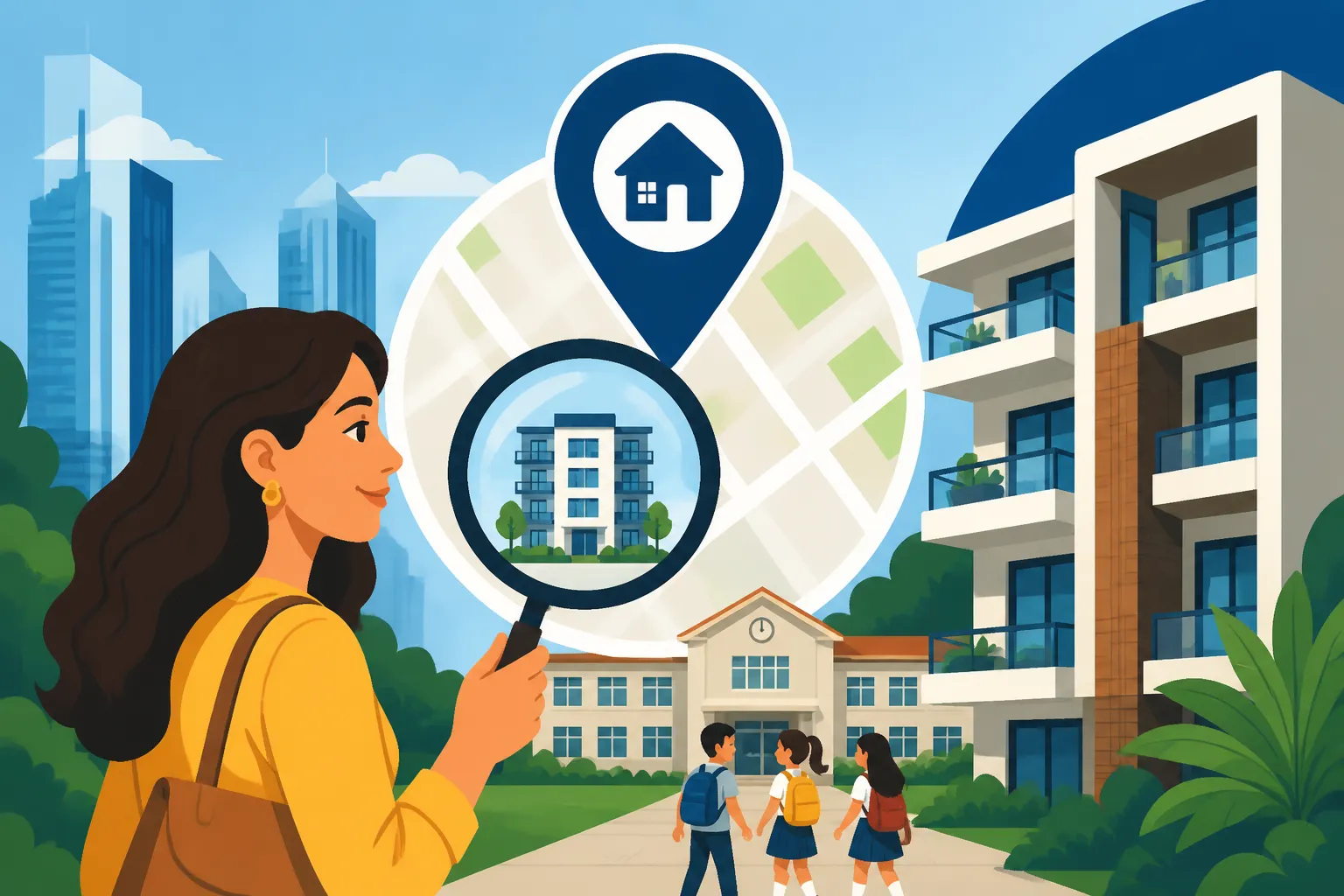
One of the biggest headaches when you first land in Panama City with your family, especially if you have kids nearing school age, is figuring out where to live. It's not just about finding a decent apartment; it's about strategically placing yourselves so the morning school run doesn't consume half your life, and your children have access to a quality education. This comprehensive guide will walk you through the labyrinth of Panama City’s neighborhoods and school zones, helping you pinpoint the ideal location for your family’s new home.
Understanding Panama City's International School Landscape
Let's be real, navigating the education system in a new country can feel like a full-time job. In Panama City, the public school system, while accessible, often isn't the first choice for expat families due to language barriers, curriculum differences, and infrastructure. This means most expat parents set their sights on the city's various international schools. These institutions offer a curriculum typically aligned with Western standards, often in English, and cater specifically to a diverse student body, making the transition smoother for your kids.
The Top International Schools and Their Locations
Panama City boasts a number of excellent international schools, each with its own charm, curriculum, and, crucially, location. Knowing where these schools are physically situated is the absolute first step in narrowing down your apartment hunt.
For instance, two of the most prominent are Balboa Academy and The Metropolitan School of Panama (MET). Balboa Academy, steeped in history from the former Canal Zone, is located within the old Balboa area, near the Panama Canal Administration Building. It's a fantastic institution, offering an American-based curriculum. Then there's The MET, which follows the International Baccalaureate (IB) program, nestled in the modern, green community of Clayton. It’s known for its state-of-the-art facilities and commitment to inquiry-based learning. Another major player is the International School of Panama (ISP), also offering an American-style curriculum and the IB Diploma Programme. ISP is located quite a bit further out, in the area of Cerro Viento, near Brisas del Golf, which is important to remember when you're thinking about commute times from central city areas. Don’t forget about Crossroads Christian Academy, another great option, also in the Clayton area, providing a Christian-focused American curriculum. Each school has its unique community and atmosphere, which often extends into the surrounding neighborhoods. For a deeper dive into the educational options, check out our guide on Schools and Education in Panama: A Complete Guide for Expat Families.
Curriculum and Accreditation Differences
Beyond location, understanding the curriculum and accreditation of these schools is vital. You’re not just picking a place for your kids to learn; you're often ensuring their education is transferable if your family moves again, or recognized by universities back home or elsewhere. Balboa Academy and Crossroads Christian Academy often follow an American curriculum, preparing students for U.S. colleges and universities. The Metropolitan School of Panama and the International School of Panama, on the other hand, offer the International Baccalaureate (IB) programme, which is highly regarded globally and often favored by European universities and competitive programs worldwide. Some schools also offer AP (Advanced Placement) courses.
This isn't just academic jargon; it directly impacts your child's future. If your kids are older, what they're studying now needs to fit into what they'll need for university applications. For younger children, it might be more about the educational philosophy and the overall environment. You'll want to visit these schools, speak with admissions, and perhaps even spend some time observing the campus to get a true feel. Don't underestimate the power of an informed decision here; it’s not just about the classroom but the entire ecosystem, including the community formed around these institutions.
Key Neighborhoods Near International Schools
Now that we've got a handle on the schools, let's talk about the neighborhoods. Panama City is a sprawling metropolis, and while some schools have dedicated bus services, living close to your chosen school can drastically improve your family's quality of life, cutting down on soul-crushing traffic.
Balboa/Ancon Area for Balboa Academy
If Balboa Academy is your top choice, then the Balboa and Ancon areas are your most direct neighbors. These areas, part of the historic former Canal Zone, offer a very different vibe from the high-rise modernity of downtown Panama City. You’ll find more standalone houses, lush greenery, and a quieter, more residential feel. The architecture often has a charming, older American colonial style, and there’s a real sense of community. The streets are often tree-lined, and it's not uncommon to see wildlife like sloths and monkeys right outside your window. This area feels like a tranquil oasis away from the urban hustle.
Living here means your kids could potentially walk or bike to Balboa Academy, a luxury almost unheard of in other parts of the city. However, the housing stock in Balboa and Ancon is limited, and rentals, especially for larger family homes, can be snapped up quickly. While these areas are serene, you'll be a short drive to the conveniences of Albrook Mall or the city center. It’s a trade-off: peace and proximity to school versus immediate access to the bustling city life.
Clayton for Metropolitan School and Crossroads Christian Academy
Clayton is a hugely popular choice for expat families, and for good reason. It's home to both The Metropolitan School of Panama (MET) and Crossroads Christian Academy. Like Balboa, Clayton was also part of the former Canal Zone, but it has seen significant modern development. You'll find a mix of older, charming houses and newer, more contemporary residential complexes. Clayton is very green, with many parks and walking trails, offering a family-friendly, community-oriented atmosphere that feels almost suburban despite being within Panama City.
Many expat families choose Clayton because of the strong sense of community, the safety, and the excellent amenities, including shopping centers, cafes, and healthcare facilities. Kids can often ride bikes safely, and there are plenty of outdoor activities. For parents, the commute to schools like MET or Crossroads is often just minutes, making the daily routine much less stressful. While renting in Clayton can be competitive, there’s a good range of options, from spacious houses to modern apartments. It’s also relatively close to the City of Knowledge, an international hub for education and research, which often attracts expat professionals. This neighborhood truly embodies a blend of nature and modern convenience.
Punta Pacifica, Coco del Mar, and San Francisco for Accessibility
While not directly adjacent to the major international schools, areas like Punta Pacifica, Coco del Mar, and San Francisco are often chosen by expat families who prioritize luxury high-rise living, ocean views, and quick access to city amenities. From these areas, many international schools offer bus services, making the commute manageable, albeit longer than if you lived in Clayton or Balboa.
Punta Pacifica is known for its gleaming skyscrapers, high-end shopping at Multiplaza Mall, and top-tier private hospitals like Hospital Punta Pacifica. It offers a very cosmopolitan lifestyle, with many restaurants, cafes, and entertainment options. Coco del Mar and San Francisco provide a slightly more relaxed, yet still very central, urban experience. San Francisco, in particular, is a vibrant neighborhood with a diverse mix of housing, from older homes to modern apartments, and a fantastic array of local eateries and shops. Living in these central areas means you’re connected to everything – the financial district, major shopping centers, and a bustling social scene. The trade-off is often a longer bus ride for the kids, contending with Panama City's notorious traffic, especially during peak hours. However, if your lifestyle demands being in the heart of the action, and you're comfortable with school bus routes, these areas offer an undeniable allure. Our guide, The Best Places to Live in Panama for Expats: A Complete Guide (2027), delves into these areas and more.
Practical Steps to Finding Your Family Home
Okay, you’ve picked your schools, you’ve eyed up a few neighborhoods. Now, how do you actually find that perfect apartment and seal the deal? It’s not always as straightforward as it seems, especially in a foreign country.
Working with a Real Estate Agent
Let me tell you, working with a reputable real estate agent here in Panama City is not just a good idea; it’s pretty much essential. They understand the local market nuances, pricing, and, crucially, who owns what property where. They can filter listings based on your specific needs – number of bedrooms, proximity to specific schools, amenities, and budget. Crucially, they’ll also be able to guide you through the rental contract process, which can be baffling if you’re not familiar with Panamanian legalities. They’ll also know about those hidden gems that aren't widely advertised online.
A good agent will not only show you properties but also advise you on typical rental costs, utility setup, and what’s generally included or excluded in a rental. They act as your advocate, which is invaluable when you're trying to communicate in a language that might not be your native tongue. Make sure to choose an agent with experience working with expats; they’ll understand your particular challenges and needs.
Online Resources and Local Networks
While an agent is key, you can certainly do some preliminary research online. Websites like Encuentra24 are popular for rental listings in Panama. You can filter by area, price, and property type. Keep in mind that photos can sometimes be deceiving, so always arrange a viewing. Facebook groups for expats in Panama City are also goldmines. You'll find direct listings from landlords, personal recommendations, and invaluable advice from others who have been through the same process. People often post about apartments becoming available in specific buildings or areas, sometimes even mentioning their proximity to certain schools.
Don’t underestimate the power of word-of-mouth. Once you're here and your kids start school, you'll tap into a network of parents who know the ins and outs of housing in the school's vicinity. It's a bit like an old-school grape vine, but it works surprisingly well in Panama. These networks can also provide insights into specific buildings, landlords, or even school bus routes.
Navigating Rental Agreements and Deposits
Panamanian rental agreements, while generally straightforward, have their own quirks. Typically, you'll need to provide your passport, visa/residency documents, and proof of income. Most landlords will ask for a security deposit, usually equivalent to one or two months' rent. This is standard, but always clarify the conditions for its return when your lease ends. The agreement itself should be in Spanish, but you should insist on an English translation or have your agent explain every clause in detail. Understanding clauses about maintenance, utility responsibilities, and early termination is crucial.
Utilities, like electricity, water, and gas, are usually separate from the rent. Internet and cable TV are also your responsibility to set up. For communication needs right from the start, a reliable e-SIM like Airalo can get you connected quickly, allowing you to manage appointments and paperwork without hunting for a local SIM card immediately. For more detailed insights into the process, refer to our guide on How to Sign a Rental Contract and Pay a Deposit in Panama.
Important Considerations Beyond Location
Finding an apartment near international schools is more than just plotting dots on a map; it's about understanding the broader lifestyle implications for your family in Panama City.
Commute Times and Traffic Realities
Oh, Panama City traffic. It’s legendary, and not in a good way. What looks like a short distance on a map can easily turn into an hour-long ordeal during rush hour. Even if you live in Clayton and your kids go to the MET, you'll still be contending with traffic to get to other parts of the city. If your child is enrolled in ISP out in Cerro Viento, and you opt for a central city apartment in, say, El Cangrejo or Obarrio, be prepared for some serious time in the car or on the school bus.
Consider the school bus service carefully. Many international schools offer door-to-door (or close to it) pick-up and drop-off, which can be a lifesaver for parents. However, these routes are meticulously planned and often mean early starts for the kids. If you plan to drive them yourself, do practice the route during peak times. A 15-minute drive at 10 AM can easily become a 45-minute slog at 7 AM. It's not just about the distance; it's about the time the commute will actually take out of your family's day.
Budgeting for Rent and School Fees
Let’s talk money, because that’s often the biggest factor. Living near international schools often means living in prime expat areas, which typically command higher rental prices. Add to that the significant cost of international school fees, and you're looking at a substantial monthly outlay. It's essential to budget realistically.
For example, a modern 3-bedroom apartment in Clayton or Punta Pacifica could range from $1,500 to $3,000+ per month, depending on size, amenities, and exact location. School fees for international schools like Balboa Academy, MET, or ISP can vary wildly but expect to pay anywhere from $10,000 to $20,000+ per child per year, not including registration fees, uniforms, or extracurriculars. It’s a considerable investment, so make sure these figures align with your overall cost of living budget in Panama. A good overview of these costs can be found in our article: How Much Are International School Fees in Panama City?. Also, knowing How Much Is the Cost of Living in Panama for Expats? will help you plan holistically.
Here's a quick comparison of popular neighborhoods and their school accessibility:
| Neighborhood | Proximity to Schools | Typical Rental Range (3-bed apt/house) | Pros | Cons |
|---|---|---|---|---|
| Clayton | MET, Crossroads Christian Academy | $1,800 – $3,500+ | Green, quiet, family-friendly, strong expat community, good amenities. | Can be more expensive, limited nightlife directly in the area, popular rentals go fast. |
| Balboa/Ancon | Balboa Academy | $1,500 – $3,000+ | Historic charm, very quiet, lush greenery, close to Canal, serene. | Limited housing stock, older homes, fewer modern amenities directly in area, further from downtown hustle. |
| Punta Pacifica | Accessible via school bus (longer commute) | $2,000 – $4,000+ | Luxury high-rises, ocean views, high-end shopping, modern facilities. | Very urban, heavy traffic, less green space, distant from schools, can feel impersonal. |
| Coco del Mar/San Francisco | Accessible via school bus (moderate commute) | $1,500 – $3,000+ | Central, vibrant, good mix of housing, many restaurants and shops. | High traffic, can be noisy, some areas lack green space, school bus commute necessary. |
| Brisas del Golf / Cerro Viento | ISP (International School of Panama) | $1,000 – $2,000+ | More affordable, closer to ISP, local amenities. | Far from city center, heavy traffic to central areas, fewer expat-specific amenities. |
Note: Rental prices are estimates and can fluctuate based on specific property features, age, and market demand.
Community Amenities and Expat Support
Finally, think about what else your family needs to thrive. Access to parks, sports facilities, healthcare, and social activities can make a world of difference. Clayton and Balboa, for example, offer more green spaces and a community feel, perfect for families with younger kids who need room to run. Areas like Punta Pacifica provide incredible building amenities like pools, gyms, and play areas within the high-rise complexes.
Beyond the physical amenities, consider the expat community. Many areas popular with international schools naturally foster strong expat networks. These groups often organize playdates, social events, and support systems that can be invaluable for new arrivals. Connecting with other expat parents can help you navigate everything from finding a reliable handyman to understanding local customs. When you're making a big move like this, finding a community where you belong is just as important as the four walls of your home. If you're planning a big move, services like Sirelo can help you compare moving companies and ensure your belongings arrive safely, giving you one less thing to worry about as you settle into your new community.
Remember, finding the right home near an international school in Panama City is about balancing convenience, cost, and lifestyle. It’s a big decision, but with a bit of research and realistic expectations, you’ll find a place that truly feels like home.
Disclaimer
The information provided in this article is intended for general guidance only and does not constitute professional legal, financial, or real estate advice. While we strive to ensure the information is accurate and up-to-date, circumstances in Panama can change rapidly. Readers are advised to consult with qualified local professionals, such as real estate agents, lawyers, and financial advisors, for advice tailored to their specific situation. We are not responsible for any decisions made based on the information presented herein.