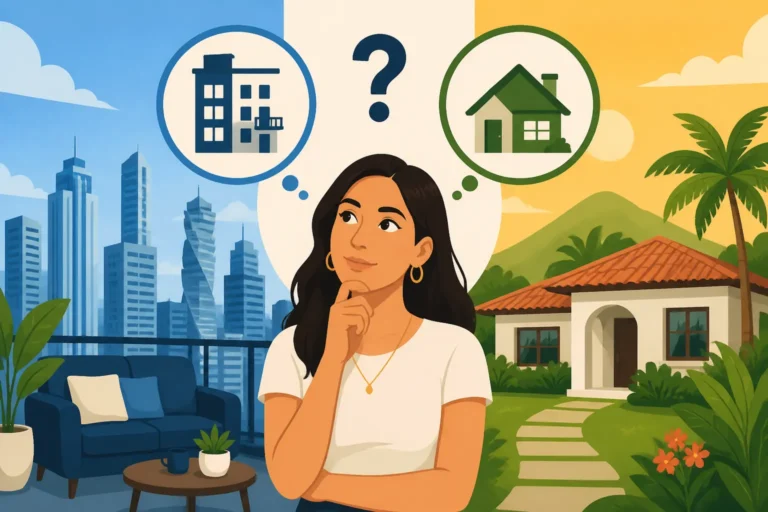
Is It a Good Time to Buy Property in Panama?
Is it a good time to buy property in Panama? This question echoes in the minds of so many expats, and I get it – the idea of owning a piece of this tropical paradise is incredibly appealing. But making such a significant move in a foreign country requires careful consideration. This guide will walk you through the current property market in Panama, helping you understand its nuances and assess if your personal circumstances align with what the market offers right now.
Understanding Panama's Property Market Landscape in 2026
Panama's real estate market, much like its vibrant culture and diverse geography, is anything but monolithic. What might be a buyer's market in one area could be a seller's stronghold in another. Understanding the current trends and the underlying factors that drive property values is absolutely essential before you even start looking at listings.
Current Market Trends and Investor Sentiment
After the economic shifts of recent years, Panama’s property market has shown remarkable resilience, coupled with some interesting transformations. Panama City, particularly areas like Costa del Este, Obarrio, and San Francisco, continues to see high-rise residential and commercial development. There's a persistent demand for modern, amenity-rich apartments, driven by both local professionals and international investors. However, some segments, especially older luxury condos in central areas, might experience slower appreciation due to the influx of new, more appealing developments. For expats, the market has expanded beyond just the capital. Areas like Coronado and Gorgona along the Pacific Coast continue to be popular for beach houses and retirement communities, offering a blend of amenities and a more relaxed pace of life. Up in the cooler highlands, Boquete remains a favorite for North American and European retirees, though inventory can be tighter and prices stable.
What we’re seeing is a discerning buyer. Investors and future residents are looking for value, good infrastructure, and reliable services. The government’s continued investment in public works, like the expansion of the Metro system in Panama City, further enhances desirability in certain urban zones, linking residential areas to commercial hubs. There's also a growing interest in more off-the-beaten-path locations, especially in provinces like Herrera and Los Santos on the Azuero Peninsula, for those seeking a truly local experience and potentially lower entry costs. However, these areas might lack the expat-centric amenities found in more established communities.
Key Factors Influencing Property Values
Several powerful forces shape property values here in Panama. First and foremost is the nation's dollarized economy, which offers a level of stability that's incredibly attractive to foreign investors. You don't have to worry about currency fluctuations eroding your investment, a huge plus for anyone looking to secure their wealth abroad. This economic stability, coupled with Panama's strategic geographical location and its role as a regional hub for logistics, finance, and tourism, provides a solid foundation for property investment.
Tourism, particularly in coastal and highland areas, also plays a significant role. As more people discover Panama's natural beauty and vibrant culture, demand for vacation rentals and second homes increases, supporting property values. The country's reputation as a welcoming haven for retirees, thanks to programs like the Pensionado Visa, ensures a steady stream of potential buyers looking for long-term residency. On the financial side, while local mortgage options for foreigners can be complex and often require a substantial down payment, the availability of financing, even if primarily for locals or those with strong local ties, still impacts the broader market. Interest rates, while tied to global trends, also factor into the affordability of property. Lastly, political stability and a generally pro-business government stance reassure investors that their assets are secure. However, it's vital to stay informed about any upcoming elections or policy changes that could influence the market.
Pros and Cons of Buying Property in Panama Right Now
Deciding whether to buy property in Panama is a deeply personal choice, and like any major investment, it comes with a unique set of advantages and disadvantages. It’s about weighing these against your own goals and comfort level.
The Potential Advantages for Expats
There are compelling reasons why many expats choose to invest in Panamanian real estate. For starters, the stable economy, underpinned by the U.S. dollar, acts as a powerful hedge against inflation and currency risks often found in other developing countries. This brings peace of mind, knowing your asset isn’t losing value overnight due to a fluctuating local currency. Furthermore, certain expat residency programs, like the Friendly Nations Visa or Qualified Investor Visa, can often be tied to real estate investment, making property acquisition a pathway to securing your long-term stay. While the Pensionado Visa doesn't directly involve property purchase, the incentives it offers, such as discounts on services, can certainly make living here more affordable, influencing retirees to buy rather than rent.
Panama also offers a fantastic lifestyle at a relatively accessible price point compared to many Western countries. You can often find more spacious homes, larger plots of land, or apartments with incredible ocean views for a fraction of what they might cost back home. For those looking for an investment, properties in high-demand areas can offer decent rental yields, especially in short-term vacation markets or long-term rentals for professionals in Panama City. The growing economy and expanding infrastructure hint at future appreciation in carefully selected locations. However, as an expat, it's crucial to understand the intricacies of the process. For a detailed roadmap, I highly recommend checking out "How to Buy Property in Panama as a Foreigner: The Full Guide (2026)". It breaks down all the necessary steps, from initial search to closing.
The Realities and Potential Pitfalls
Now, let’s talk about the less glamorous side, the realities you need to be prepared for. The administrative and legal processes in Panama can be, shall we say, leisurely. Bureaucracy can be a challenge, and patience is more than a virtue; it's a necessity. This is why having a reputable and experienced Panamanian lawyer is non-negotiable. They will help you navigate the complexities of property titles, ensuring the property you're interested in is legitimate and free of encumbrances. Many expats find the experience frustrating, particularly if they're used to more streamlined processes in their home countries. You'll often hear stories of delays, unexpected paperwork, and the occasional need for multiple visits to government offices.
Another significant consideration is the market segmentation. While some areas are thriving, others, particularly older buildings or oversupplied luxury condo markets, might not see the rapid appreciation some investors hope for. It's not uncommon to find properties that have been on the market for an extended period. Due diligence is key. Understanding "Understanding Property Ownership and the Market in Panama (2027)" will shed light on the differences between titled land and Rights of Possession (ROP), a distinction that can have profound implications for ownership security and resale value. Finally, be aware of the "hidden" costs beyond the sticker price. Property taxes, transfer fees, legal fees, and ongoing maintenance (especially in a tropical climate) can add up. It’s not just the purchase price; it’s the total cost of ownership. These are the kinds of details that can easily catch a newcomer off guard, so factor them into your budget from the very beginning.
| Factor | Potential Advantage | Potential Pitfall |
|---|---|---|
| Economic Stability | USD currency provides security | Global economic downturns can still impact demand |
| Property Values | Growth potential in key areas, good lifestyle value | Market stagnation/oversupply in certain segments |
| Legal Process | Clear framework for property ownership (with lawyer) | Bureaucracy, delays, need for specialized legal help |
| Expat-Friendly Programs | Investment can aid residency applications | Specific program requirements must be met |
| Cost of Living | Often more affordable than home country | Hidden fees, maintenance, and utility costs add up |
| Infrastructure | Improving, especially in urban centers | Rural areas may lack advanced services |
Personal Considerations Before Making a Purchase
Before you even start browsing listings or contacting real estate agents, you absolutely must take a long, hard look in the mirror. Buying property in Panama, or anywhere for that matter, isn't just about market conditions; it's profoundly about your readiness and your unique situation.
Your Financial Readiness and Long-Term Goals
This is where the rubber meets the road. Are you financially prepared for this step? Most foreign buyers will either pay cash or secure financing from an international lender, as obtaining a mortgage from a Panamanian bank as a foreigner can be challenging and often requires a substantial down payment and a demonstrated history of local income. Even if you have the cash, consider your overall financial strategy. Is this an investment property you hope to rent out for passive income, a future retirement home, or an immediate primary residence? Your long-term goals will dictate the type of property you should look for, its location, and its potential return on investment.
Think about your exit strategy too. While Panama has a liquid market in many areas, reselling property can take time, especially for high-value or unique properties. Don't go into this assuming you can flip it quickly if your plans change. You also need to factor in all the associated costs beyond the purchase price, like legal fees, transfer taxes, and property taxes. For a deeper dive into these figures, check out "The Complete Guide to Property and Transaction Taxes in Panama (2026)". Understanding the full financial picture is paramount. Remember, peace of mind regarding your finances is invaluable, particularly when navigating the complexities of international property ownership.
Navigating the Legal and Bureaucratic Hurdles
This is perhaps the most daunting aspect for many expats, and rightly so. Panama's legal system is different from what you might be accustomed to, and it's prone to bureaucratic delays. The importance of due diligence cannot be overstated. You need to ensure the property has a clear title, is registered correctly in the Public Registry, and is free of any liens or disputes. This is where a truly independent and highly recommended Panamanian lawyer becomes your most valuable asset. They don't just process paperwork; they protect your interests. For a related administrative process often required for significant moves, make sure to read "How to Get Your Documents Apostilled for Panama Immigration", as certified documents are central to many legal dealings here.
It's also essential to work with a reliable real estate agent. While many are excellent, a few bad apples can exist. Ask for recommendations, verify credentials, and trust your gut. You need someone who understands the local market and, crucially, your needs as a foreigner. Being present during the process, or at least having a trusted representative, helps immensely. The process of buying property here isn't something you want to rush. Taking your time, asking all the questions, and getting clarity on every step will save you headaches and potentially thousands of dollars in the long run. If you're planning your move, consider exploring services like Sirelo to help streamline your international relocation logistics, which can take some pressure off while you focus on property matters. Also, don't forget connectivity as soon as you land; services like Airalo can get you an eSIM for instant data, so you can stay in touch with your legal team and agents from day one.
Strategic Timing: When to Consider Pulling the Trigger
Ultimately, the "good time" to buy property in Panama is a blend of external market conditions and your internal readiness. There's no crystal ball, but there are definite indicators to guide your decision.
Identifying Your Personal "Good Time"
Your personal "good time" arrives when your financial preparedness aligns with your long-term vision, and you've completed your due diligence with confidence. This means you have a clear understanding of the market in your chosen area, whether that's a bustling apartment in Panama City or a tranquil retreat in Boquete. You’ve ideally spent significant time on the ground, exploring different neighborhoods, experiencing the local rhythm, and confirming that Panama is truly the place you want to put down roots, or at least invest. It’s also when you've assembled your trusted team: a lawyer, a real estate agent, and perhaps a property manager if it’s an investment. Many expats rent for a period first, which can be an excellent way to truly understand an area before committing to a purchase. You can explore options like "How Much Does It Cost to Rent an Apartment in Panama City in 2026?" as a starting point for comparison.
Perhaps you've identified a property that perfectly matches your criteria and budget, and you've confirmed its legal standing. The market might be offering competitive prices in certain segments, or you've found a motivated seller. This confluence of internal readiness and external opportunity is your prime buying window. Don't feel pressured by market hype; instead, let your thorough research and comfort level be your guide.
Future Outlook and Market Predictions
Looking ahead, Panama's property market is expected to remain attractive for foreign investors, particularly those seeking a stable, dollarized economy with a high quality of life. The increasing number of remote workers globally, combined with Panama's strategic location and relatively easy visa options (like the Friendly Nations Visa for qualifying nationalities), continues to fuel demand, especially in areas with good internet infrastructure and international amenities. The country's ongoing efforts to enhance tourism and retirement incentives also point to sustained interest from these demographics. For a deeper dive into popular locales, "The Best Places to Live in Panama for Expats: A Complete Guide (2026)" can offer valuable insights.
While large-scale price surges might not be across the board, specific niche markets – perhaps eco-tourism properties, well-managed beachfront communities, or commercial spaces in growing districts – could see healthy appreciation. Global economic shifts, interest rate changes, and local political developments will always play a role, so staying informed is crucial. However, the fundamental strengths of Panama – its strategic location, strong economy, and attractive lifestyle – suggest a promising long-term outlook for thoughtful and well-researched property investments. For some, now truly is the good time, but for others, continued observation and careful planning will pave the way.
Disclaimer
Please remember that this guide provides general information based on current market trends and expat experiences in Panama. Property markets are dynamic and can change rapidly. While we strive to provide accurate and up-to-date information, it should not be considered legal, financial, or investment advice. Always consult with qualified Panamanian legal professionals, real estate agents, and financial advisors before making any property investment decisions.