How Do I Choose Between an Apartment and a House in Panama?
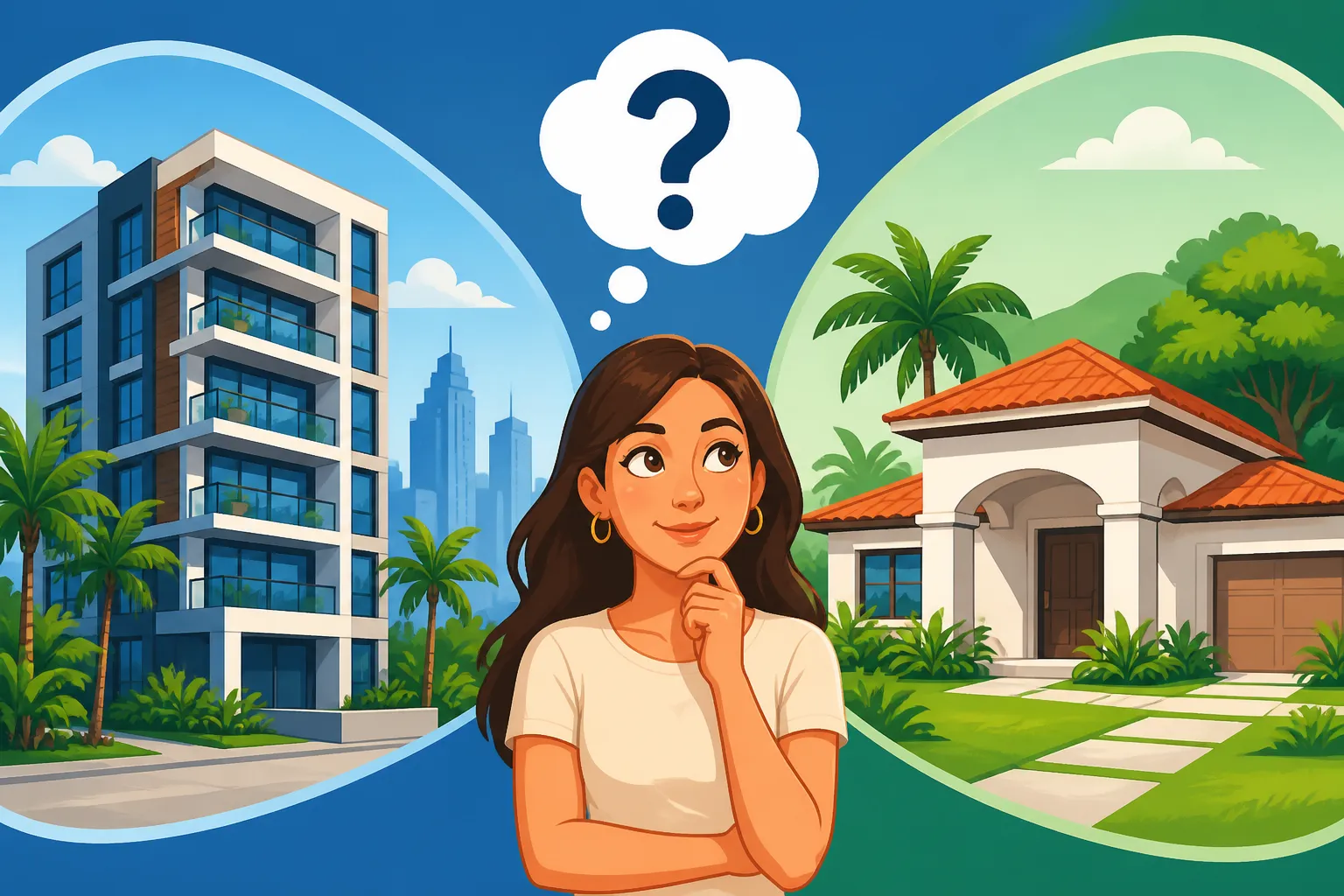
One of the biggest quandaries facing expats moving to Panama, beyond the immigration paperwork and banking hurdles, is figuring out where to lay your head. Should you dive into the vibrant city life in a modern high-rise, or yearn for a sprawling property with a garden in a quieter locale? This decision isn't just about square footage; it's about defining your entire lifestyle in this beautiful country, and trust me, each option comes with its own unique set of joys and challenges that only living here truly reveals. This guide will walk you through the nitty-gritty of choosing between an apartment and a house, helping you find the perfect Panamanian home.
Understanding the Panamanian Housing Landscape for Expats
When you first arrive in Panama, you're immediately struck by the contrasts. Towering skyscrapers loom over colonial architecture, and lush rainforest is often just a stone's throw from bustling urban centers. This diversity extends directly into the housing market, offering wildly different experiences depending on whether you pick an apartment or a house. It's not a one-size-fits-all answer here, and what works for one expat might be a complete nightmare for another.
The Allure of City Living: Apartments in Panama City and Major Hubs
Panama City is, without a doubt, the epicenter of apartment living for expats. Areas like El Cangrejo, Obarrio, Paitilla, and Costa del Este are packed with high-rise residential buildings, offering everything from compact studios to spacious penthouses. What draws so many foreigners to these concrete jungles? Well, convenience is a huge factor. You're often within walking distance of fantastic restaurants, modern supermarkets (Riba Smith, for instance), world-class hospitals like Hospital Punta Pacifica, and shopping malls. The views from some of these apartments, overlooking the Bay of Panama or the city skyline, are simply breathtaking.
Beyond Panama City, you'll find significant apartment complexes sprouting up in other growing hubs like David in Chiriquí, though often on a smaller scale and with a different vibe. These typically offer a more relaxed pace than the capital but still provide the benefits of apartment living, such as shared amenities and often, a sense of community among residents. For many, the idea of having a gym, a pool, or even a co-working space right in their building is a major plus, eliminating the need for separate memberships or long commutes.
Embracing the Outdoors: Houses in the Interior and Suburban Areas
If your vision of expat life in Panama leans more towards gardening, outdoor entertaining, and a slower pace, then a house might be calling your name. While detached homes exist within Panama City, particularly in older, established neighborhoods like Clayton or Altos de Santa María, they often come at a premium and can feel a bit enclosed by the urban sprawl. The true house-owning dream for expats often unfolds in the interior of the country or in the city's verdant suburbs.
Think about places like Boquete in the highlands of Chiriquí, where charming houses are nestled among coffee plantations and lush mountains, offering cooler climates and a strong community feel. Or perhaps the beach towns along the Pacific coast, like Coronado or Gorgona, where you can find properties with direct beach access or large yards perfect for pets and family gatherings. Even close to Panama City, areas like Arraiján or La Chorrera offer more affordable houses, though you'll be contending with more significant commute times into the city proper. These homes provide a different kind of freedom—the freedom to customize your space, to have a private yard, and often, a greater sense of peace and quiet.
Key Considerations: Lifestyle, Cost, and Maintenance
Now that we've painted a broad picture, let's get into the specifics that truly differentiate these housing types. This isn't just about personal preference; it's about practicalities, finances, and how you envision your day-to-day life unfolding in Panama.
Financial Implications: Initial Outlay and Ongoing Expenses
When it comes to money, the difference between an apartment and a house can be substantial, both upfront and long-term. Generally speaking, apartments in prime Panama City locations might have a higher purchase price per square meter than a house further out, but a house will often come with a much larger overall price tag due to the land value. If you're looking to buy property in Panama as a foreigner, understand that the legal and administrative processes for both are similar, but the scale of the investment can differ greatly.
Renting, too, shows a distinct cost curve. While a modern apartment in a desirable neighborhood can mean a significant monthly outlay, especially if you're looking for a spacious unit, the rental market for houses, particularly those with good amenities and location, can also be quite competitive. The crucial difference, however, often lies in the "hidden" costs. For apartments, you'll almost certainly have Homeowners Association (HOA) fees, known as "PH fees" (Propiedad Horizontal), which cover building maintenance, common areas, security, and sometimes utilities like gas or water. These can range from a few hundred dollars to well over $1,000 USD per month for luxury buildings. For houses, while you won't have PH fees (unless it's a gated community), you'll be responsible for all maintenance costs, property taxes, and individual utility bills directly.
Let's look at a simplified comparison:
| Feature | Apartment (City Center) | House (Suburban/Rural) |
|---|---|---|
| Initial Cost | Often high per sq. meter, but smaller total footprint | High overall due to land, potentially lower per sq. meter |
| Monthly Rent | Can be high in prime locations | Varies widely, can be high for quality/location |
| HOA/PH Fees | Mandatory (can be significant) | Generally None (unless gated community) |
| Utilities | Often includes water/gas, electricity separate | All utilities separate (electricity, water, trash, etc.) |
| Maintenance | Primarily covered by HOA for building exterior | Your responsibility for entire property |
| Property Tax | Applies, calculated on improved value | Applies, calculated on land and improved value |
| Insurance | Often included for building structure in HOA fees | Your responsibility for home and contents |
Remember, the Cost of Living in Panama for Expats can vary wildly based on your housing choice, so budgeting carefully for these distinct expenses is paramount.
Daily Life and Practicalities: Convenience, Privacy, and Community
The everyday experience of living in an apartment versus a house in Panama presents a fascinating dichotomy. City apartments offer unparalleled convenience. You can often walk to grab groceries, meet friends for dinner, or hail a taxi or ride-sharing service like Uber without much fuss. Many buildings have excellent security, often with 24/7 guards and controlled access, offering peace of mind, especially for single expats or those unfamiliar with the city. The community in an apartment building can be a mixed bag; some buildings foster a friendly atmosphere with shared events, while others are more anonymous.
On the flip side, houses offer privacy and space that apartments simply cannot. Imagine having your own garden, a private pool, or even just a quiet patio where you can truly unwind without hearing your neighbor's music. This is particularly appealing for families with children or pets, providing ample room to play and explore. The sense of community in a neighborhood of houses can be very strong, especially in smaller towns or expat enclaves like Boquete or Coronado. However, this often comes at the cost of convenience. You'll likely be more reliant on a car for errands, and amenities might be further away. For those who need to set up their mobile phone plan in Panama or ensure constant connectivity, services like Airalo can be invaluable, allowing you to get online immediately upon arrival, no matter where your chosen home is situated.
Maintenance, Security, and Freedom
Let's talk about the practical realities: maintenance and security. With an apartment, many of the headaches of property ownership are handled by the building administration. Leaky roofs, exterior painting, pool cleaning, and even common area landscaping are usually covered by your HOA fees. This can be a huge relief, especially if you're not handy or prefer not to deal with local contractors, which can sometimes be a test of patience in Panama. Security is also a major draw; most modern apartment buildings have multiple layers of security, from lobby guards to CCTV and restricted access floors.
However, this convenience comes with less freedom. You'll have rules and regulations from the HOA, which might dictate everything from pet policies to renovation guidelines, and even what you can display on your balcony. You have neighbors above, below, and beside you, so noise can occasionally be an issue.
Houses, conversely, grant you ultimate freedom and control over your property. Want to paint your house fuchsia? Go for it! Dream of building an outdoor kitchen? No problem. The downside, of course, is that all maintenance and repairs are on your shoulders. A broken water heater, a leaky pipe, or a dying palm tree? That's your responsibility to fix and pay for. This means finding reliable handymen, plumbers, electricians, and gardeners, which can be an adventure in itself. Security for a house is also entirely up to you; you'll need to consider gates, alarm systems, and potentially even private security for peace of mind. For some, this control is liberating; for others, it's an unwelcome burden. If you're importing a lot of your belongings, consider using services like Sirelo to help navigate the logistics, as moving larger items into a house, especially one with a garden, can be a different beast than fitting into a high-rise.
Making Your Choice: Scenarios and Recommendations
Ultimately, the best choice for you boils down to your personal priorities, lifestyle, and financial situation. There's no right or wrong answer, only what fits you best. Having helped countless expats settle in, I've seen both apartments and houses bring immense joy and occasional frustration, depending on the individual.
When an Apartment Might Be Your Best Bet
An apartment in Panama is often the ideal choice for several types of expats:
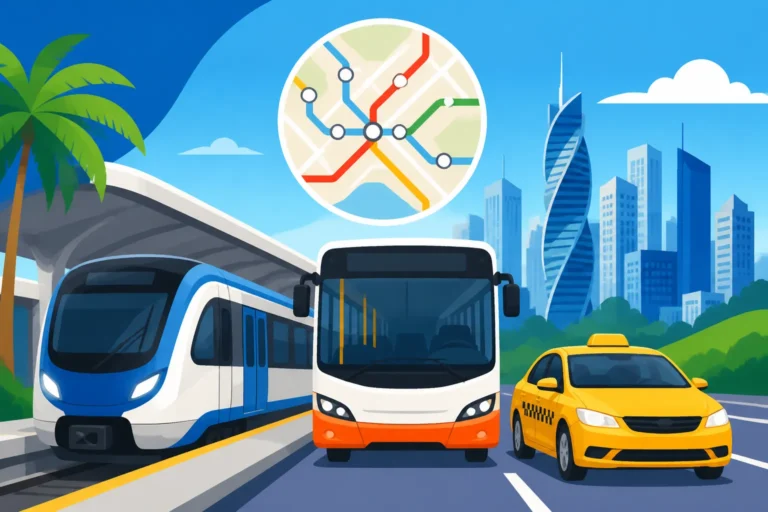
- The Urban Explorer: If you thrive on the energy of city life, love being close to amenities, and enjoy walking to cafes, restaurants, and cultural events, an apartment in Panama City is probably for you. You'll have easy access to public transport, including the Metro in Panama City, and most services are just a stone's throw away.
- The Low-Maintenance Seeker: If you prefer to spend your time enjoying Panama rather than dealing with property upkeep, an apartment is a godsend. The HOA handles most exterior maintenance, and often, you just need to worry about the inside of your unit.
- The Security-Conscious Individual: Many modern apartment buildings offer excellent, multi-layered security, which can be a significant comfort, especially if you're new to the country or living alone.
- The New Arrival: For those just starting their journey in Panama, perhaps even still navigating their visa process, renting an apartment can be a fantastic way to ease into the country without committing to a larger, more complex property. It gives you flexibility to explore areas before deciding on a more permanent location. You can learn how to sign a rental contract and pay a deposit in Panama without too much hassle in the city.
- The Globetrotter: If you plan to travel frequently, locking up an apartment for extended periods is generally much simpler and more secure than leaving a house unattended.
When a House Offers the Ideal Panamanian Dream
Conversely, a house might be your perfect Panamanian haven if:
- You Crave Space and Privacy: If a private garden, a pool of your own, or simply more room to spread out is high on your list, a house, particularly outside the dense city center, will deliver. This is especially true for families with children or multiple pets.
- You Enjoy Gardening and Outdoor Living: For those with a green thumb or who dream of barbecues by their own pool, a house offers the canvas for your outdoor lifestyle. Just be prepared for the tropical climate and the effort required to maintain it!
- You Prefer a Quieter Pace: Many houses are found in more suburban or rural settings, offering a slower, more peaceful existence away from the urban hustle. This can be perfect for retirees or those seeking tranquility.
- You Want Full Control Over Your Property: If you like the idea of customizing your living space, making renovations, or simply having complete autonomy over your property without HOA restrictions, a house provides that freedom.
- You Have a Vehicle and Don't Mind Driving: Living in a house outside the city almost certainly means you'll need a car. If you're comfortable with Driving in Panama: Licences, Registration and Rules for Expats and don't mind relying on personal transport, this won't be an issue. You'll also need to consider How to Get Your Rental Deposit Back in Panama if you initially rented before buying, as it's a different process for houses compared to apartments.
Choosing between an apartment and a house in Panama is a deeply personal decision that reflects your priorities, budget, and desired lifestyle. Take your time, visit various areas, and don't be afraid to rent first to get a feel for what truly resonates with you. Whether you're drawn to the vibrant pulse of Panama City in a sleek apartment or the serene charm of a house in the Panamanian countryside, this country offers incredible options to build your expat dream.
Disclaimer
The information provided in this guide is for general informational purposes only and does not constitute legal, financial, or real estate advice. While every effort has been made to ensure accuracy, regulations and market conditions in Panama can change rapidly. Always consult with qualified Panamanian legal, financial, and real estate professionals before making any decisions related to housing or property in Panama.