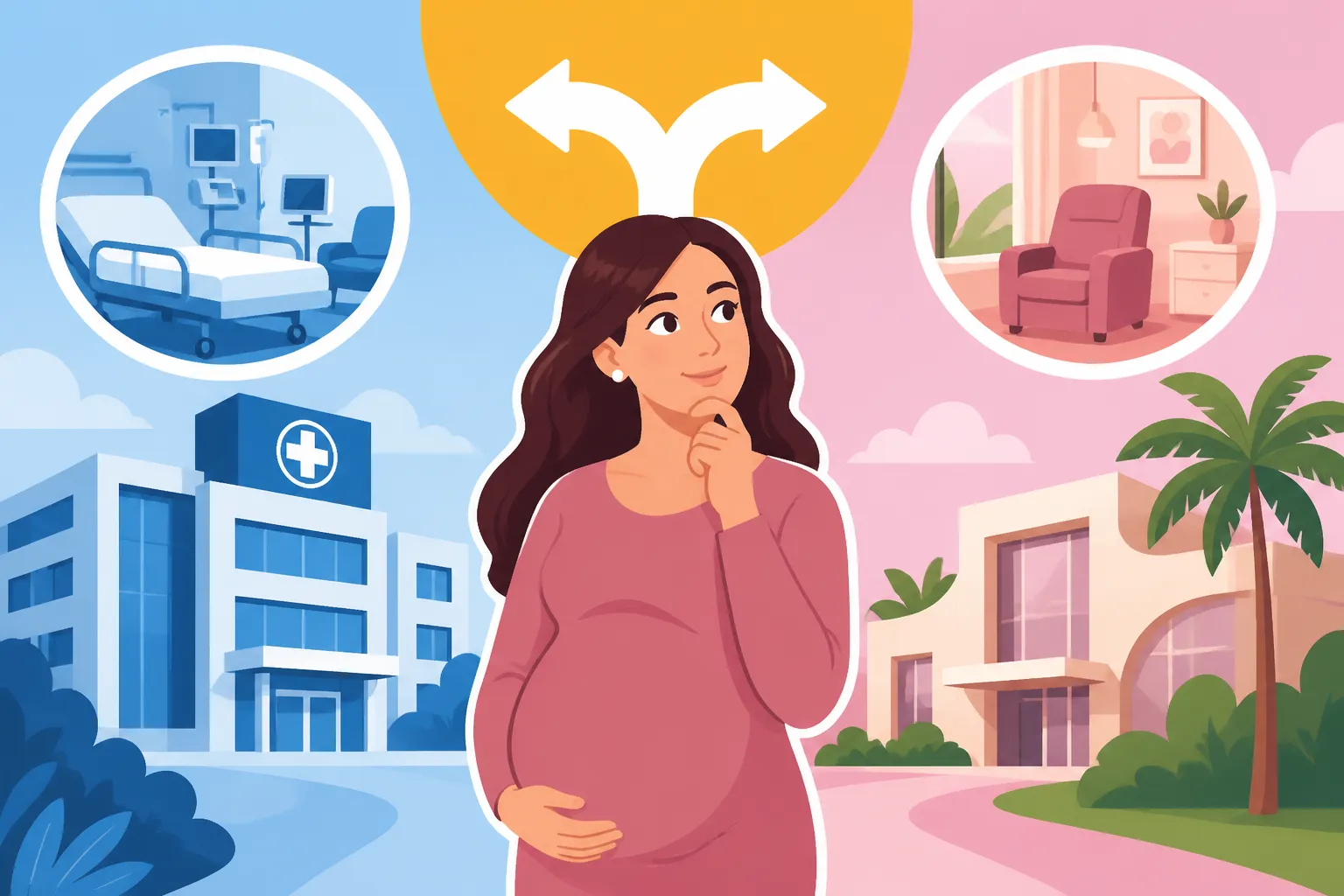
How to Choose Between Public and Private Maternity Care in Panama
Facing the prospect of maternity care in a foreign country like Panama can bring a whirlwind of emotions. Beyond the natural joys and anxieties of impending parenthood, there's the added stress of navigating an unfamiliar healthcare system, understanding your options, and wondering if you'll get the support you need. This guide aims to unpack the choices available for expectant expat parents, breaking down the differences between public and private maternity care in Panama so you can make an informed decision with confidence.
Understanding Panama's Maternity Care Landscape
When you're an expat in Panama, the healthcare system might initially feel like a maze. For something as significant as childbirth, knowing your options within both the public and private sectors is absolutely crucial. Each has its distinct characteristics, benefits, and challenges, especially for those of us who weren't born and raised here.
The Public System: Caja de Seguro Social CSS Hospitals
The public healthcare system in Panama is primarily managed by the Caja de Seguro Social (CSS), or the Social Security Fund. If you or your employer contribute to the CSS, you are generally entitled to its services, which include maternity care. Public hospitals, like Hospital Santo Tomás or Maternidad del Hospital Complejo Hospitalario Dr. Arnulfo Arias Madrid (CHDr.AAM), serve the vast majority of the Panamanian population. They are equipped to handle all types of deliveries, including high-risk pregnancies, and have the necessary medical professionals on staff, from obstetricians to neonatologists.
However, the reality of public maternity care can be a bit of a mixed bag for expats. While the medical expertise is often solid, the facilities might not always meet the expectations of those accustomed to Western private healthcare standards. You might find older equipment, less emphasis on creature comforts, and a more clinical, less personalized approach. Language can also be a significant barrier; while some medical staff might have a basic grasp of English, the primary language of communication will be Spanish. This can be incredibly challenging during labor and delivery, where clear and empathetic communication is vital. Wait times for prenatal appointments can be longer, and the overall experience might feel less structured compared to what you're used to. It’s a system designed for volume, and sometimes that means a less individualized journey.
The Private System: Modern Clinics and Hospitals
On the other end of the spectrum is Panama's private healthcare system, which offers a markedly different experience. Private hospitals such as Hospital Punta Pacifica, Hospital Nacional, and Centro Médico Paitilla in Panama City are renowned for their modern facilities, advanced technology, and patient-centric approach. These institutions often boast state-of-the-art labor and delivery suites, private rooms with amenities, and a higher staff-to-patient ratio. For an expat, one of the most appealing aspects of private care is the prevalence of English-speaking doctors and support staff, which significantly eases communication during such a sensitive time.
Choosing a private hospital means you typically get to select your own obstetrician, and they will likely be the one attending your birth, providing a sense of continuity and trust throughout your pregnancy. Prenatal appointments are generally easier to schedule, and wait times are minimal. The focus in private care is often on creating a more comfortable and personalized birthing experience, with options for various pain management techniques, birthing classes, and more accommodating visitor policies. While the quality of care is generally excellent, this elevated experience comes with a higher price tag. This is where Health Insurance in Panama: Private and International Options Explained becomes a critical consideration, as private insurance is usually essential to make these facilities financially accessible.
Key Factors to Consider When Choosing
Deciding between public and private maternity care is a deeply personal choice, but it's one that usually boils down to a few core considerations: your budget, your expectations for quality and comfort, and how comfortable you are navigating potential language barriers. Let's dig a little deeper into these crucial points.
Cost and Insurance Coverage
The financial aspect is often the biggest deciding factor for expats. In the public CSS system, if you are legally employed and contributing, your maternity care is largely covered, though you might still have minor out-of-pocket expenses for certain medications or specific items. This makes it an incredibly attractive option for those on a tighter budget or those whose employers handle their CSS contributions. However, if you are self-employed or not contributing to the CSS, accessing public maternity care can be more complicated and might incur higher direct costs, potentially meaning you're paying full price for services that are subsidized for contributors. It’s worth checking How Much Does a Doctor Visit Cost in Panama? even in the public system for non-contributors.
Private maternity care, as you might expect, is considerably more expensive. A typical uncomplicated vaginal delivery in a private hospital could range from $2,500 to $5,000 or more, while a C-section could easily double that, not including prenatal care, specialist consultations, or any unforeseen complications. This is where robust private health insurance becomes not just an option, but a necessity for many expats. A good private plan will cover a significant portion, if not all, of your prenatal visits, ultrasounds, blood tests, and the delivery itself, along with any necessary postnatal care for both mother and baby. Without private insurance, these costs can quickly become prohibitive. Platforms like SafetyWing offer flexible international health insurance options that can be a lifesaver, especially for those who might be new to Panama or have more transient plans. Their coverage can help bridge the gap, ensuring you're protected during critical times like childbirth, and often have a strong network of providers within Panama's private sector. Understanding Out-of-Pocket Healthcare Costs and Co-Pays in Panama is also vital, as even with insurance, you might have deductibles or co-pays.
Quality of Care and Facilities
The quality of care itself is generally high across both systems in Panama, with competent and well-trained medical professionals. However, the experience of that care and the facilities it's delivered in can vary dramatically. Private hospitals invest heavily in modern infrastructure, including comfortable private rooms, advanced diagnostic equipment, and often a more aesthetically pleasing environment designed to reduce stress. You'll typically find private en-suite bathrooms, comfortable waiting areas, and sometimes even amenities like cafes or gift shops. The patient-to-staff ratio tends to be more favorable, meaning more personalized attention from nurses and support staff throughout your stay.
Public hospitals, while fully functional and providing essential care, often have older facilities. Rooms are typically shared, and the overall environment might be more utilitarian. While the medical equipment is functional, it might not always be the latest model. The emphasis is on providing necessary medical treatment efficiently, and less on creating a luxurious or personalized patient experience. For some expats, particularly those who prioritize comfort, privacy, and a more serene environment during childbirth, the differences in facilities and the level of personalized attention can be a major differentiator. It’s important to research specific facilities, as the quality can even vary between different public or private hospitals. How to Choose a Hospital in Panama goes into more detail on what to look for.
Language Barrier and Communication
This is perhaps one of the most understated yet critical factors for expats choosing maternity care. Giving birth is an intense and vulnerable experience, and being able to communicate clearly and effectively with your medical team is paramount for your safety, comfort, and peace of mind. In the public sector, while some staff might understand English, you should prepare for the primary language of communication to be Spanish. This means understanding medical instructions, asking questions about your care, expressing pain levels, and discussing your birth plan (if you have one) can become extremely challenging if you're not fluent. Misunderstandings, even small ones, can lead to significant stress or even impact medical decisions.
In contrast, many private hospitals, especially those catering to an international clientele, have a higher proportion of English-speaking doctors, nurses, and administrative staff. They understand the needs of international patients and often make a concerted effort to provide bilingual support. This significantly reduces anxiety and allows for a much smoother and more reassuring experience. Imagine being in the throes of labor and being unable to articulate your needs or understand what the doctor is telling you – it's a terrifying thought. For many expats, the ability to communicate fluently with their care providers, and potentially have a birth partner who can also communicate effectively, makes the private option a clear winner. If you're concerned about this, How to Find an English-Speaking Doctor in Panama is a resource you'll definitely want to check out.
Navigating Prenatal Care and Delivery Options
Once you've wrapped your head around the general differences between public and private systems, the next step is to consider how those distinctions play out in the actual journey of pregnancy and childbirth. From your very first prenatal check-up to the moment you hold your baby, and even beyond, your chosen path will shape your experience significantly.
Prenatal Consultations and Screenings
Prenatal care is your ongoing health check-up during pregnancy, ensuring both you and your baby are healthy. In the public system, prenatal consultations are typically scheduled at designated health centers or the maternity wing of public hospitals. These appointments tend to be more standardized, following a general protocol. You'll get your essential blood tests, ultrasounds, and physical examinations. However, the frequency might be less personalized, and you might see different doctors or nurses at each visit, which can feel a bit disjointed. Wait times for these appointments can also be considerable, sometimes requiring you to arrive hours before your scheduled time. While all necessary basic screenings are performed, access to more advanced or elective genetic screenings might be limited or require additional referrals, which can add layers of bureaucracy.
In the private system, prenatal care is often a more personalized and streamlined experience. You usually choose a specific obstetrician and stick with them throughout your pregnancy. This continuity of care builds trust and allows your doctor to get to know your individual health history and preferences. Appointments are generally easier to schedule, and wait times are minimal, respecting your time. Private clinics offer a wider range of diagnostic tests and screenings, including more advanced ultrasound technologies and genetic testing options (like NIPT), often available directly within the clinic or hospital without extensive referrals. The environment of private clinics is typically more comfortable and discreet, with dedicated patient rooms. Many private practices also offer prenatal classes in English, covering topics like childbirth preparation, breastfeeding, and newborn care, which can be invaluable for expat parents. This holistic approach ensures you feel well-supported and informed every step of the way, as discussed in Understanding Maternity and Prenatal Care in Panama.
Birthing Preferences and Delivery Experience
The actual delivery is, of course, the culmination of your pregnancy journey, and the environment and approach can dramatically impact your experience. In the public system, while medical staff are highly trained to handle emergencies and ensure safe deliveries, the birthing process tends to be more medicalized and less focused on individual preferences. You might have less input on your birth plan, and pain management options could be more limited to standard procedures. Partner involvement might be restricted, with some public hospitals having stricter rules about who can be in the delivery room and for how long. The emphasis is on efficient, safe delivery for the mother and baby, sometimes at the expense of a personalized, comfort-focused experience. Post-delivery, you’ll likely be in a shared room, and the length of your hospital stay might be shorter due to bed availability.
Private hospitals, on the other hand, often offer a more flexible and patient-centered approach to delivery. They are generally more accommodating of individual birthing plans, whether you're aiming for a natural birth, exploring specific pain relief methods, or have preferences regarding immediate skin-to-skin contact. Private rooms are standard, often with a dedicated labor and delivery suite that allows you to labor, deliver, and recover in the same comfortable space. Partner involvement is actively encouraged, and many hospitals provide amenities for your partner to stay with you throughout. You'll often have access to a wider range of pain management options, and the staff are typically more attuned to creating a calm and supportive atmosphere. These hospitals prioritize comfort and individualized care, which can make a world of difference during such a significant event. After delivery, you typically enjoy a private room for a longer stay, allowing for more rest and bonding time with your newborn, which is a major comfort for new parents.
Postnatal Care and Follow-up
The care doesn't stop once the baby arrives. Postnatal care, both for the mother and the newborn, is crucial for a healthy start. In the public system, postnatal follow-ups for both mother and baby are provided, usually at the same public health centers or hospitals. Newborn checks, vaccinations, and basic breastfeeding support are part of the standard care. However, these appointments might require similar wait times and could involve seeing different healthcare providers, which might not be ideal for continuity. The focus is on essential medical monitoring and intervention.
For those in the private system, postnatal care is often more comprehensive and integrated. Your private obstetrician will usually schedule follow-up appointments for you, and your pediatrician (whom you've likely chosen during your pregnancy) will handle all newborn check-ups. Many private hospitals offer enhanced breastfeeding support from lactation consultants, and some even provide follow-up home visits or teleconsultations. The hospital stay after birth in a private setting is typically longer, allowing more time for monitoring and support before discharge. This extra attention can be incredibly reassuring for new expat parents, especially if family support isn't readily available. Furthermore, private insurance often covers these follow-up consultations, making the transition home smoother. Remember to understand How to Add Dependents to Your Health Insurance in Panama once your little one arrives!
Real-World Experiences and Practical Advice
It’s one thing to read about the systems, but it’s another entirely to hear about how they actually play out for expats. Expat accounts of these systems vary widely, some filled with relief and praise, others with frustration and regret. Understanding these real-world scenarios can often clarify your own decision.
Testimonials and Anecdotes
Let me tell you about Sarah, a friend of mine from Canada. She initially thought she’d try the public system, having contributed to CSS through her job. She went for her first few prenatal appointments at a CSS clinic. While the doctors were medically sound, she found the long waits, the lack of privacy in crowded waiting rooms, and the constant need to use a translation app incredibly stressful. One day, during an ultrasound, the technician spoke rapidly in Spanish, and Sarah couldn't understand if everything was okay. That was her turning point. She switched to a private obstetrician at Hospital Nacional. "The difference was night and day," she told me. "My doctor spoke perfect English, the appointments were on time, and I felt heard. It was more expensive, but worth every penny for my peace of mind."
Then there's Maria, from Venezuela, who had a different experience. She came to Panama with a tighter budget and relied entirely on the public system. She gave birth at Hospital Santo Tomás. She admitted the facilities weren't luxurious, and she shared a room with three other new mothers, but she praised the nurses for their compassion and the doctors for their professionalism. "They saved my baby's life during an unexpected complication," she shared, "and I didn't have to worry about a huge bill afterwards. It wasn't fancy, but they were skilled and caring when it mattered most." Her experience highlights that while comforts may differ, the fundamental medical care in the public system can be very strong. It’s also a good reminder to understand How Panama's Health System Works: CSS and Private Care Explained (2027).
What to Do in an Emergency
Regardless of whether you choose public or private for your routine maternity care, knowing what to do in a medical emergency is paramount. Panama has an emergency number, 911, similar to many other countries, but response times and ambulance services can be inconsistent, especially outside of major urban centers like Panama City. In a true medical emergency, the closest hospital, public or private, should be your immediate destination.
Public hospitals, by law, cannot turn away an emergency, regardless of your insurance status or ability to pay upfront. They will stabilize you and your baby. However, if you are not covered by CSS, you will eventually be billed for the services rendered. In private hospitals, while they will also admit you in an emergency, be prepared that they will ask for proof of insurance or an upfront deposit as soon as the immediate danger has passed. If you have private international insurance like SafetyWing, you'll need to contact them as soon as possible to ensure your emergency care is covered and to understand the claims process. Always have a trusted contact person, emergency numbers, and your insurance information readily accessible. Understanding Emergency Medical Care in Panama: What Every Expat Needs to Know can literally be a lifesaver.
Considering Hybrid Approaches
It’s not always an all-or-nothing choice. Some expats find a "hybrid" approach works best for them, blending aspects of both systems. For instance, you might opt to do your routine, less-urgent prenatal check-ups at a public clinic if you are a CSS contributor, benefiting from the low cost. Then, for more critical stages like advanced ultrasounds, specialist consultations, or the actual delivery, you might transition to a private hospital where you can access your chosen English-speaking doctor and more comfortable facilities. This strategy can help manage costs while still ensuring you get the specific care and comfort you desire for the most crucial moments.
Another hybrid model involves using private care for the bulk of your pregnancy and delivery, especially if you have good private insurance, but being aware that in an extreme emergency, the closest public hospital might be your fastest option. Knowing both systems and having contacts in each can provide a robust safety net. This approach requires careful planning and coordination between different providers, but it offers flexibility that many expats appreciate. It speaks to the broader topic of Public vs Private Healthcare in Panama: What Expats Need to Know.
Making Your Final Decision
The journey of bringing a new life into the world is deeply personal, and how you experience it in Panama as an expat will depend heavily on the choices you make about maternity care. There's no single "right" answer, only the best fit for your unique circumstances and priorities.
Creating Your Maternity Plan
The first step in making your final decision is to start planning early. Don't wait until the second trimester to think about this! Begin by researching specific hospitals and clinics in your area. If you're in Panama City, options abound, but if you're in areas like Boquete or David, your choices might be more limited, though excellent care can still be found. Visit the facilities if possible – take a tour of the maternity ward, check out the labor and delivery rooms, and inquire about their policies regarding partners, pain management, and postnatal stay.
Talk to other expat parents who have given birth in Panama. Their firsthand experiences, both positive and negative, can provide invaluable insights that no brochure can offer. Online expat forums and social media groups are great places to connect with people who’ve been through it. When you speak with potential doctors, don't be afraid to ask direct questions about their birthing philosophy, their English proficiency, their experience with expat patients, and what their emergency protocols are. Discuss all your preferences and concerns openly. This proactive approach will empower you to craft a maternity plan that aligns with your wishes and provides the most reassurance during this incredible time.
The Role of Health Insurance
I cannot stress this enough: for expats considering private maternity care in Panama, health insurance is not optional; it’s essential. Without it, the costs associated with private prenatal care, delivery, and any potential complications can quickly escalate into tens of thousands of dollars, leaving you with a hefty bill. Even for those planning to use the public CSS system, having some form of supplemental insurance or understanding your financial responsibilities is prudent, especially for emergencies.
When choosing a private health insurance plan, pay close attention to the maternity coverage details. Many policies have waiting periods (often 10-12 months) before maternity benefits kick in, so it’s crucial to get coverage before you become pregnant if possible. Look at what exactly is covered: prenatal consultations, ultrasounds, hospital stays, doctor’s fees, potential C-section costs, and postnatal care for both mother and baby. International health insurance providers, like SafetyWing, offer plans designed specifically for expats and digital nomads, often including options for maternity coverage, albeit usually with a waiting period. Make sure to clarify these terms before committing. The right insurance will not only cover the financial aspects but also grant you access to the best private facilities and English-speaking medical professionals, significantly reducing stress and enhancing your overall experience. Don't forget to learn about How to Claim Reimbursement from Private Insurance in Panama well in advance, so you know the process when the time comes.
| Aspect | Public Maternity Care (CSS) | Private Maternity Care (Hospitals like Punta Pacifica, Nacional) |
|---|---|---|
| Cost | Very low or minimal for CSS contributors; potentially higher for non-contributors | Significantly higher (thousands of dollars without insurance) |
| Facilities | Functional, utilitarian; older equipment; shared rooms | Modern, state-of-the-art; private rooms; comfortable amenities |
| Language | Primarily Spanish; English proficiency varies | High likelihood of English-speaking doctors and staff |
| Wait Times | Longer for appointments; potentially longer in labor and delivery | Minimal for appointments; generally quicker service |
| Doctor Choice | Assigned doctors; less continuity of care | Choose your own obstetrician; continuous care from your chosen doctor |
| Personalization | More standardized, less focus on individual birth plans | More flexible and accommodating of individual birth preferences |
| Emergency Care | Cannot be turned away; immediate medical attention | Cannot be turned away; may require upfront deposit/insurance verification |
| Postnatal Stay | Shorter duration; shared rooms | Longer duration; private rooms; enhanced support |
Choosing between public and private maternity care in Panama is a significant decision for any expat. Weighing these factors carefully, doing your research, and engaging with your expat community will help you navigate this exciting chapter with confidence and ensure a positive birthing experience in your new home.
Disclaimer
The information provided in this guide is for general informational purposes only and does not constitute medical, legal, or financial advice. Healthcare systems, regulations, and costs in Panama can change. It is always recommended to consult with qualified medical professionals, insurance providers, and legal experts to get advice tailored to your specific situation and to verify the most current information.