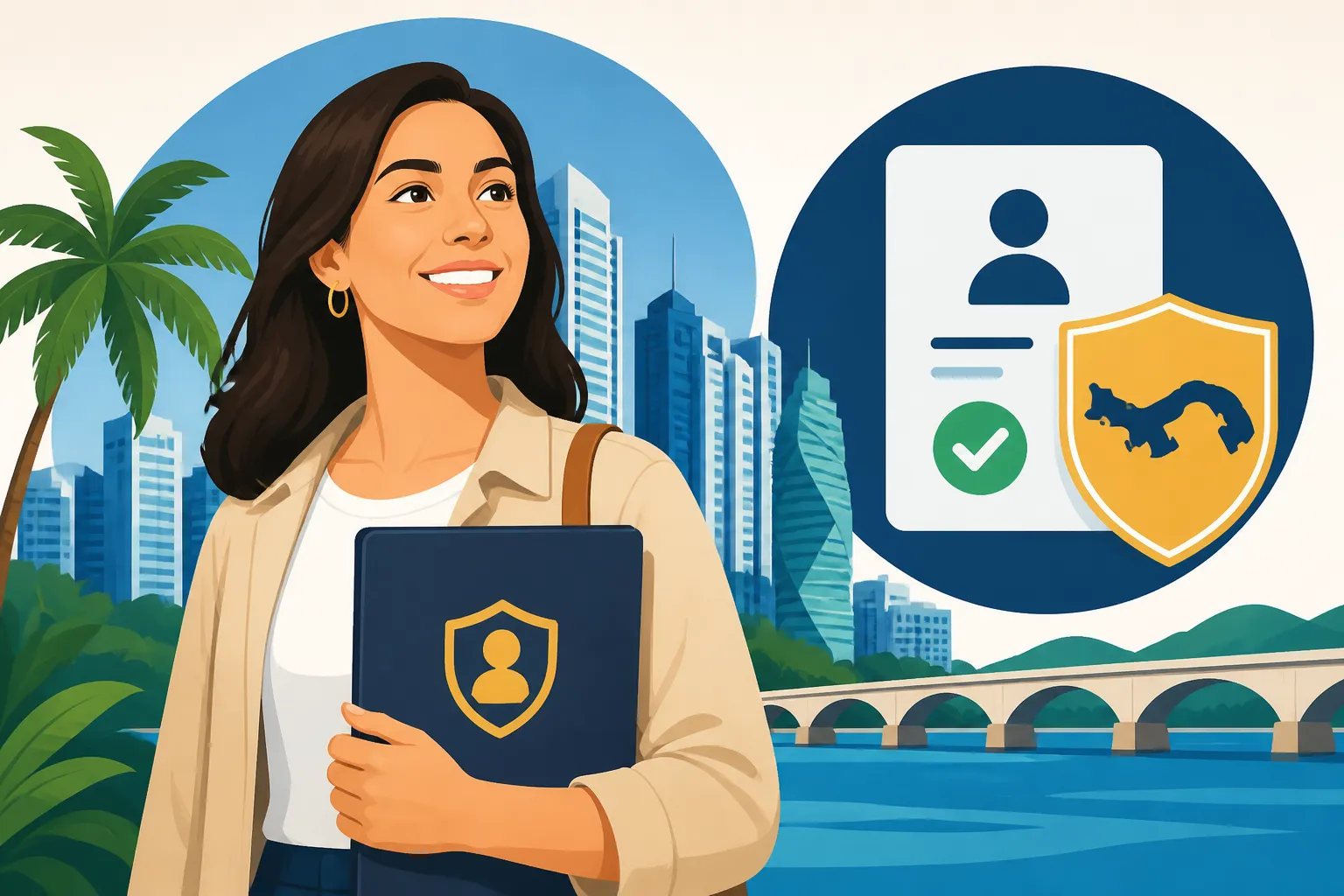
How to Apply for Permanent Residency in Panama
Getting permanent residency in Panama can feel like trying to navigate a labyrinth blindfolded. The rules seem to shift, the paperwork is daunting, and the waiting can test the patience of a saint. This comprehensive guide is here to unravel the complexities, outlining the various pathways, requirements, and the step-by-step process to help you successfully secure your permanent residency in this beautiful Central American gem.
Understanding Permanent Residency in Panama
Many expats dream of making Panama their forever home, drawn by its vibrant culture, stunning nature, and often more relaxed pace of life. But what exactly does it mean to have permanent residency here, and how does it differ from other statuses? Let's unpack it.
Defining Permanent Residency: What It Means for Expats
Permanent residency in Panama essentially grants you the right to live indefinitely in the country, work (if your visa type permits), and generally enjoy the same rights as a Panamanian citizen, with the notable exception of voting or holding certain public offices. It’s a significant step beyond simply having a temporary visa. It means you’re integrated into the fabric of Panamanian society, with a long-term commitment that the government recognizes. This status is reflected in your cédula E, your official Panamanian identification card, which is your key to accessing many services and confirming your legal standing.
For many, this is the ultimate goal when moving to Panama, as it provides a sense of security and belonging that temporary statuses simply can't match. It allows you to truly plant roots, open bank accounts more easily, register vehicles, and even apply for loans without the constant worry of visa renewals or immigration hurdles. It’s about building a life here, not just visiting.
Think about the ease of travel, for instance. With permanent residency, you can leave and re-enter Panama without the same scrutiny or visa requirements you might face on a tourist or even a temporary resident visa. It truly simplifies your life in countless ways, turning what was once an administrative headache into a smooth sailing experience.
Temporary vs. Permanent: The Crucial Differences
The journey to long-term living in Panama often starts with a temporary visa, but it’s crucial to understand why permanent residency is the ultimate prize. Temporary residency, by its very nature, has an expiration date. Depending on the visa, it might need to be renewed every one or two years. This means regular trips to the immigration office, updated paperwork, and often, legal fees each time. It's a continuous cycle of proving your intent to stay, which can be exhausting over time.
Permanent residency, on the other hand, means you've passed that threshold. While your physical cédula card might have an expiry date (usually 10 years, requiring renewal of the card, not the status itself), your right to reside here is for good. This distinction is vital for long-term planning, particularly if you envision retirement, starting a family, or running a business here. The security of knowing you won't have to pack up and leave due to an expired visa is immeasurable.
Another significant difference lies in work rights and dependent visas. Many temporary visas come with restrictions on employment or require specific employer sponsorship. Permanent residency often offers more flexibility or even directly grants work authorization, depending on the program. Furthermore, it significantly eases the process of sponsoring family members for their own residency, a topic deeply explored in our guide on Family and Dependent Residency in Panama: Bringing Your Loved Ones (2027).
Benefits of Becoming a Permanent Resident
Beyond the peace of mind, holding permanent residency in Panama unlocks a host of practical benefits that enhance your daily life. One of the most tangible advantages is the ability to acquire a Panamanian identification card, the cédula. This isn't just a simple ID; it streamlines everything from opening accounts at local banks like Banco General or Banistmo to signing contracts, obtaining local discounts, and proving your identity for everyday transactions. Without it, you’re often stuck using your passport, which can be a hassle and isn't always accepted. To understand more about this, check out our piece on How to Get Your Cedula (Residency ID) in Panama.
Economically, permanent residents often find it easier to establish credit, purchase property, and even register a business. If you're an entrepreneur or looking to invest, this stability is paramount. While setting up utilities and internet can still be a bit of a process, having a cédula removes a layer of complexity. If you're planning a major move, remember services like Sirelo can assist with logistics, making your transition smoother once your residency is secured.
Moreover, if you have long-term plans that include applying for Panamanian Citizenship: How to Naturalise After Residency (2027), permanent residency is the crucial precursor. It builds your legal foundation in the country and demonstrates your commitment. It’s truly the key to unlocking the full Panamanian experience as an expat.
Key Eligibility Requirements for Permanent Residency
Navigating the Panamanian immigration system can feel like deciphering an ancient scroll, but understanding the core eligibility requirements is your first step to success. While specific visa pathways have their own unique criteria, there are fundamental prerequisites that almost all permanent residency applicants must meet.
General Prerequisites for All Applicants
At its heart, the Panamanian government wants to ensure that those seeking permanent residency are responsible, self-sufficient individuals who will contribute positively to the country. This means, generally, you'll need to demonstrate a clean criminal record from your home country and any other countries where you've resided for a significant period. A "police record" or "certificate of good conduct" is a standard requirement, often needing to be apostilled or legalized for use in Panama, a process we detail in Understanding Document and Apostille Requirements for Panama Immigration.
Beyond a clean record, proving your identity is paramount. You'll need a valid passport, of course, along with multiple passport-sized photos. Your birth certificate, and if applicable, your marriage certificate, will also be required to establish your personal and family status. The government also requires a general health certificate from a Panamanian doctor, confirming you are in good health and free from contagious diseases. This isn't usually a deep dive into your medical history but a basic check-up.
Finally, while not always explicitly stated, demonstrating a genuine intent to reside in Panama is crucial. This is often inferred from the type of visa you apply for, your financial stability, and your overall documentation. The immigration authorities want to see that you're not just seeking a "flag of convenience" but truly wish to integrate.
Income and Financial Solvency Proof
Perhaps one of the most critical aspects of any residency application in Panama is proving you won't become a burden on the state. This means demonstrating sufficient financial solvency. The exact amounts vary widely depending on the type of visa you're applying for. For instance, the popular Pensionado (Retiree) Visa requires a guaranteed lifetime income of at least $1,000 USD per month from a pension or annuity, plus an additional $250 per month for each dependent. For other programs, like the Friendly Nations Visa, you might need to show a Panamanian bank account with a certain balance, or a work contract with a Panamanian company.
It’s not just about having the money; it’s about proving its legitimate source and its consistency. Banks statements, notarized letters from pension providers, investment portfolios, or valid employment contracts are all commonly used. This is where meticulous record-keeping comes into play, as the Panamanian immigration authorities will scrutinize these documents carefully. They want to see a clear, stable financial picture.
This aspect often causes the most anxiety for prospective expats, as the requirements can feel opaque. It's why consulting with a qualified Panamanian immigration lawyer is highly recommended. They can guide you on how best to present your financial standing to meet the specific demands of your chosen residency program, ensuring there are no nasty surprises down the line.
Health and Character Requirements
Beyond financial stability, Panama prioritizes the health and character of its future residents. As mentioned, a local medical certificate is typically a must-have. This is usually a straightforward process: a visit to a local clinic for a basic check-up, blood tests, and sometimes a chest X-ray. The doctor then issues a certificate stating you’re in good health and free from communicable diseases. It’s not an in-depth medical history review, but rather a screening process to ensure public health.
On the character front, the criminal background check is paramount. You’ll need to obtain official police clearance certificates from your country of origin and any other country where you’ve lived for the past five years or more. These documents must be current, usually issued within the last three to six months, and often need to be authenticated with an apostille from the issuing country's government or legalized through a Panamanian consulate. This step alone can be one of the most time-consuming and frustrating parts of the entire application, requiring careful planning and execution.
These requirements underscore Panama's commitment to maintaining a safe and healthy environment for all its residents. While they can seem like hurdles, they are standard procedures in many countries for immigration purposes. Being prepared for these steps, both medically and administratively, will significantly smooth your path towards securing permanent residency.
The Application Process: Step-by-Step
Embarking on the journey to permanent residency in Panama can feel like an odyssey, but breaking it down into manageable steps makes it far less intimidating. From gathering initial documents to receiving your coveted cédula, understanding each phase is key.
Initial Consultation and Document Preparation
The very first, and arguably most critical, step is to engage with an experienced Panamanian immigration lawyer. Seriously, don't try to go it alone. The legal landscape here is complex, and a good lawyer will be your invaluable guide. They will assess your eligibility for various visa programs, advise on the best pathway for your specific situation (such as the Friendly Nations Visa in Panama or the Pensionado (Retiree) Visa), and provide a precise list of all required documents tailored to your case. This initial consultation helps you define your strategy and sets realistic expectations for the timeline and costs.
Once you have your lawyer's comprehensive list, the real work of document gathering begins. This phase often involves sourcing birth certificates, marriage certificates, police records, bank statements, and pension letters from your home country. Remember, almost all foreign-issued documents will need to be apostilled or legalized by the Panamanian consulate in the issuing country. This can be a lengthy process, so start early! Your lawyer will also guide you through obtaining your local Panamanian health certificate, which typically involves a quick check-up with a local doctor.
Organizing these documents systematically is crucial. Create a checklist and tick off each item as it's prepared, authenticated, and translated (if necessary). Making copies of everything for your records and for your lawyer is also a wise move. This stage, though tedious, is the foundation of your entire application, so precision and patience are paramount.
Submitting Your Application to Immigration
With all your documents meticulously gathered and prepared, your lawyer will then formally submit your application to the Servicio Nacional de Migración (SNM) in Panama City. This usually involves presenting the original documents along with certified copies to an immigration officer. You'll likely accompany your lawyer for this initial submission, as you'll need to provide fingerprints and sign various forms in front of the authorities. This is also when you'll pay the government fees associated with the application.
Upon submission, you'll receive a temporary carnet (a provisional ID card) and a multiple-entry visa stamp in your passport. This provisional status allows you to legally remain in Panama while your permanent residency application is being processed. It’s a vital piece of paper, granting you peace of mind and the ability to come and go from Panama without issues. Just remember, this temporary carnet has an expiry date, and you'll need to ensure your lawyer tracks the progress of your application so you don't overstay your provisional status.
The processing time can vary significantly, from a few months to over a year, depending on the volume of applications and the specific visa category. This is where a good lawyer truly earns their keep, following up with immigration officials and keeping you informed. You can gain further insights into this by reading Understanding the Cost and Timeline of the Panama Residency Process.
Interviews, Approvals, and Cedula Issuance
While not all permanent residency applications require an interview, some categories, or specific cases, might trigger one. If an interview is requested, your lawyer will prepare you, ensuring you understand the types of questions that might be asked, usually revolving around your intent to reside in Panama, your financial stability, and the details of your application. These aren't usually designed to trip you up, but rather to confirm the information provided in your documents.
Once your application is reviewed and approved, your lawyer will inform you. This is a moment of great relief and celebration! The final step involves a visit to the Electoral Tribunal (Tribunal Electoral) to apply for your permanent resident identification card, your cédula E. This is another in-person process where you’ll provide fingerprints, have your photo taken, and sign paperwork. The cédula is then printed, and typically, you can pick it up within a few weeks.
Receiving your cédula E marks the official completion of your journey to permanent residency. This card is your proof of legal, long-term status in Panama and is essential for virtually all administrative and daily life interactions. Congratulations, you’ve made it! This new status also opens the door to applying for a work permit, should you need one, as detailed in How to Get a Work Permit After Getting Residency in Panama.
Common Residency Programs Leading to Permanent Status
Panama offers several popular visa programs that lead directly or indirectly to permanent residency, each designed to attract different types of foreign nationals. Understanding these pathways is crucial for choosing the one that best fits your circumstances.
The Friendly Nations Visa Pathway to Permanent Residency
The Friendly Nations Visa has long been one of Panama’s most popular routes for expats from a list of roughly 50 "friendly" countries. Initially, this visa granted provisional residency for two years, after which applicants could apply for permanent residency. The good news is that under current regulations (as of late 2021/early 2022), the Friendly Nations Visa now offers direct permanent residency, albeit with updated requirements. This makes it an even more attractive option for many.
To qualify under the current rules, applicants from the designated friendly nations must demonstrate economic ties to Panama. This can be achieved in a few ways: either by securing a work contract with a Panamanian company, establishing a Panamanian corporation with a minimum of three Panamanian employees, or purchasing real estate in Panama with a value of at least $200,000 USD. The days of simply opening a bank account are largely over, but these new pathways solidify your commitment to the country.
The Friendly Nations Visa is particularly appealing for those looking to work or invest in Panama, offering a straightforward route for professionals, entrepreneurs, and real estate buyers. It's a fantastic option for many who wish to fully integrate into the Panamanian economy and society. Delve deeper into this popular program with our guide: Understanding the Friendly Nations Visa in Panama (2027).
Pensionado Visa: A Direct Route for Retirees
For those looking to retire in the sun, Panama’s Pensionado (Retiree) Visa is legendary and widely regarded as one of the best retirement programs globally. It offers permanent residency directly upon approval, without a provisional period, and comes with a host of attractive benefits and discounts. The primary requirement is a guaranteed lifetime pension or annuity income of at least $1,000 USD per month. If you purchase Panamanian real estate valued at $100,000 USD or more, the monthly pension requirement drops to $750 USD. An additional $250 per month is required for each dependent.
The program is designed to be simple and appealing for retirees. The income can come from a government, military, private company, or even a private trust, as long as it's a verifiable, lifelong payout. One of the biggest draws, beyond the residency itself, are the discounts: 25% off airline tickets, 15% off at fast food restaurants, 25% off utility bills, 20% off medical consultations, and many more. These savings can significantly impact your Cost of Living in Panama for Expats (2026).
This visa pathway is a testament to Panama's welcoming attitude towards retirees and offers an excellent quality of life coupled with financial advantages. It truly allows retirees to enjoy their golden years without constant immigration concerns. For a deeper dive into this program, read The Expat Guide to the Pensionado (Retiree) Visa in Panama (2027).
Qualified Investor Program: Investment for Residency
Panama’s Qualified Investor Program, often referred to as a "Golden Visa," offers a direct path to permanent residency for those willing to make a significant investment in the country. This program, introduced more recently, aims to stimulate foreign investment and attract high-net-worth individuals. It bypasses any temporary residency periods, granting permanent residency right from the start.
There are several options for investment under this program, each with its own minimum threshold:
- Real Estate Investment: Investing at least $300,000 USD in titled real estate (the minimum was $500,000 USD initially, but there's a temporary reduction). This property must be free of liens and recorded in the Public Registry.
- Investment in Securities: Investing at least $500,000 USD through a Panamanian brokerage house in securities listed on the Panama Stock Exchange.
- Fixed-Term Deposit: Placing a minimum of $500,000 USD in a fixed-term deposit with a Panamanian bank, with a minimum term of five years.
This program is a streamlined option for those with capital ready to deploy, offering a faster route to permanent residency without the complexities of finding employment or meeting specific professional qualifications. It’s an ideal solution for investors and affluent individuals seeking stability in a vibrant economy. Learn more about this high-value option in Understanding the Qualified Investor (Golden Visa) Programme in Panama.
Marriage and Family Reunification Visas
For many expats, their journey to permanent residency is tied to family. Panama offers clear pathways for foreign nationals married to Panamanian citizens, as well as for those seeking to reunite with family members already holding Panamanian residency.
If you marry a Panamanian citizen, you are eligible to apply for permanent residency through the marriage visa category. This process typically involves proving the authenticity of your marriage, requiring a valid marriage certificate, interviews, and sometimes even home visits to ensure the relationship is genuine and not solely for immigration purposes. While it might seem intrusive, it's a measure to prevent fraudulent marriages. After a period of initial temporary residency (usually two years), you can then apply for permanent status.
Similarly, if you are a permanent resident in Panama, you can sponsor certain family members, such as spouses, children, and sometimes even parents, for dependent residency. This process, explored in depth in Family and Dependent Residency in Panama: Bringing Your Loved Ones (2027), allows your loved ones to join you and eventually obtain their own permanent residency status. The requirements typically involve proving the familial relationship (birth certificates, marriage certificates) and demonstrating your ability to financially support your dependents. These family-based visas underscore Panama's commitment to keeping families together, providing a humane and practical approach to immigration for many expats.
Comparing Popular Permanent Residency Pathways
To help you visualize the different routes to permanent residency, here's a quick comparison of the most common programs:
| Residency Program | Main Requirement | Initial Status | Path to Permanent Residency | Key Benefits |
|---|---|---|---|---|
| Friendly Nations Visa | Work contract, business investment, or real estate (min $200k) | Direct Permanent Residency (current) | Immediate Permanent Residency | Broad eligibility, allows work/business, real estate investment pathway |
| Pensionado (Retiree) Visa | Lifetime pension/annuity of $1,000/month (or $750 w/$100k real estate) | Direct Permanent Residency | Immediate Permanent Residency | Excellent discounts, simple requirements, no work restriction for non-work |
| Qualified Investor Visa | Investment of $300k+ in real estate, $500k+ in securities or fixed deposit | Direct Permanent Residency | Immediate Permanent Residency | Fastest route, no age or nationality restrictions, significant investment |
| Marriage with Panamanian | Valid marriage to a Panamanian citizen | Provisional for 2 years | After 2 years, apply for Permanent Residency | Family unification, integration into local society |
| Dependent of Permanent Resident | Proof of relationship (spouse, child, parent) and financial support | Provisional for 2 years | After 2 years (usually), apply for Permanent Residency | Family unification, easier for existing residents to bring family members |
Documents and Bureaucracy: Your Paperwork Battle
The journey to permanent residency in Panama, while rewarding, often involves a significant bureaucratic battle. The sheer volume and specific requirements for documents can be overwhelming, but a systematic approach, guided by an expert, can make all the difference.
Essential Documents: The Non-Negotiables
Regardless of the specific visa program you pursue, there’s a core set of documents you absolutely cannot do without. These are the building blocks of your application and must be prepared with utmost care and attention to detail. First and foremost, a valid passport with at least six months of validity remaining is critical, along with several passport-sized photos taken according to Panamanian specifications (usually white background, no glasses, no smiling).
You’ll need a certified copy of your birth certificate, and if applicable, your marriage certificate. These documents establish your legal identity and marital status, which are fundamental for immigration purposes. Critically, these, along with your criminal background check, are the documents that will almost certainly require an apostille or legalization from the issuing country before they are valid in Panama. Neglecting this step is a common pitfall that can lead to significant delays.
Furthermore, you will need a medical certificate issued by a Panamanian doctor, confirming your good health. This is a standard requirement for almost all long-term residency applications. Your lawyer will guide you to a reputable doctor or clinic for this. Lastly, depending on your chosen visa, you’ll need specific financial proofs, such as bank statements, pension letters, or investment certificates, as we discussed earlier. Remember, everything needs to be current, often within 3-6 months of the application submission date.
Apostille and Legalization: Getting Your Papers in Order
This is often where the real headache for expats begins. The apostille and legalization process can feel like an endless loop of government offices and notarizations. An apostille is an international certification attached to public documents that verifies their authenticity when used in foreign countries that are signatories to the Hague Apostille Convention. If your home country is a member of this convention, your public documents (like birth certificates, marriage certificates, police records) will need an apostille from the relevant government authority.
If your country is not a signatory to the Hague Convention, then your documents will need to be legalized. This involves getting your documents notarized in your home country, then certified by your country's Ministry of Foreign Affairs, and finally, authenticated by a Panamanian Consulate in your country of origin. This multi-step process can be time-consuming and costly, requiring careful planning. It's truly a test of patience and organizational skills.
Many expats find themselves sending documents back and forth across continents, incurring courier fees and waiting anxiously for certifications. It's a prime example of the administrative frustrations expats face, and a skilled lawyer can help you anticipate and navigate these challenges. For a thorough walkthrough of this process, be sure to consult Understanding Document and Apostille Requirements for Panama Immigration.
Navigating the Panamanian Immigration Office (SNM)
The Servicio Nacional de Migración (SNM) in Panama City is the central hub for all immigration matters. For many expats, a visit to this office can be an intimidating experience. It's a bustling government building, often with long lines and processes that might seem less efficient than what you're accustomed to. While your lawyer will handle the majority of the interactions, you will undoubtedly need to be present for certain steps, such as fingerprinting, photo taking, and signing documents.
Language can be a significant barrier here if you're not fluent in Spanish. While some immigration officials might speak English, it’s not guaranteed, and critical details can be lost in translation. This is another compelling reason why having a Panamanian immigration lawyer is indispensable; they act as your advocate and translator, ensuring clear communication and accurate information exchange. They understand the nuances of the system, the specific forms, and the informal protocols that can sometimes expedite or delay a process.
Patience is your greatest asset when dealing with the SNM. Be prepared for potential delays, unexpected requests for additional documents, or long waiting times. While frustrating, it’s simply part of the process. Remember, the goal is to successfully How to Get Residency in Panama: The Full Guide (2027), and going into the SNM with a calm, prepared mindset, and a trusted legal partner, will significantly reduce your stress levels.
Maintaining Your Permanent Residency
Obtaining permanent residency is a huge milestone, but it’s not a one-and-done deal. There are specific obligations you need to fulfill to maintain your status and avoid any unpleasant surprises down the line. It's about ongoing compliance and demonstrating your continued commitment to Panama.
Physical Presence Requirements
Unlike some other countries that require you to be physically present for a significant portion of each year, Panama’s requirements for maintaining permanent residency are generally quite lenient. For most permanent residency categories, there isn't a strict rule that demands you spend X number of days in the country annually. However, to maintain your permanent residency status and particularly to renew your cédula, you should demonstrate that Panama is indeed your primary place of residence.
The main requirement for renewing your physical cédula (which typically expires every 10 years, though your residency status itself is permanent) is to show a recent entry stamp into Panama. This means you need to enter the country at least once during the period of your cédula's validity. While some lawyers might advise a yearly trip to be safe, there isn’t a specific mandatory minimum annual stay.
However, if your ultimate goal is to apply for Panamanian Citizenship: How to Naturalise After Residency (2027), then physical presence becomes a much more stringent requirement. The path to naturalization demands a specific number of years of continuous residency in Panama, often with limits on time spent outside the country. So, while permanent residency is relatively easy to maintain, future citizenship aspirations require more careful planning around your time in Panama.
Renewing Your Cedula and Staying Compliant
As a permanent resident, your physical identification card, the cédula E, typically has a validity period of 10 years. It’s crucial to understand that while the card expires, your permanent residency status itself does not. Think of it like renewing your driver's license; you're renewing the physical document, not your right to drive.
The renewal process for your cédula is generally much simpler than the initial application for permanent residency. It primarily involves presenting your old cédula, your passport, and often a recent entry stamp to the Electoral Tribunal. You’ll have your photo and fingerprints taken again, and after paying a small fee, your new cédula will be processed. It's a fairly quick process compared to the initial ordeal, and your lawyer can assist you with this, ensuring all current requirements are met.
Staying compliant also means adhering to Panamanian laws and regulations. This includes fulfilling any tax obligations you might have as a resident. While Panama operates on a territorial tax system, meaning foreign-sourced income is generally not taxed, you are still subject to local taxes on any Panama-sourced income. Maintaining a clean record, both legally and financially, is essential for a smooth residency journey and for any future aspirations like citizenship.
Path to Panamanian Citizenship
For some expats, permanent residency is just a stepping stone on a longer journey towards full Panamanian citizenship. While permanent residency grants you most of the rights of a citizen, citizenship offers the ultimate integration, including the right to vote, hold a Panamanian passport, and avoid any future discussions about your right to reside.
The path to citizenship through naturalization typically requires a minimum of five years of continuous permanent residency in Panama. For citizens of certain Latin American countries or Spain, this period can be shorter, often three years, due to special reciprocity agreements. During this period, you are generally expected to reside predominantly in Panama, demonstrating a genuine connection to the country. Extended absences can jeopardize your eligibility.
Beyond the time requirement, applicants for citizenship must also demonstrate a basic understanding of Panamanian history, geography, and civic duties, as well as a working knowledge of the Spanish language. There will be an interview and often a test. This entire process, from permanent residency to citizenship, is a significant commitment, but for those who truly wish to make Panama their definitive home, it’s a clear and attainable goal. You can find more details in our dedicated article: Panamanian Citizenship: How to Naturalise After Residency (2027).
Disclaimer
Please note that immigration laws and requirements in Panama are subject to change without prior notice. The information provided in this article is for general informational purposes only and does not constitute legal advice. It is essential to consult with a qualified Panamanian immigration lawyer or an official representative of the Panamanian Servicio Nacional de Migración for the most up-to-date and personalized guidance regarding your specific situation.