How Do I Apply for Residency for My Spouse in Panama?
Bringing your loved one to live with you in Panama can feel like an administrative odyssey, full of twists, turns, and unexpected paperwork demands. If you're an expat already enjoying life here and now want your spouse to join you, the process of applying for their residency can seem daunting. This guide will meticulously break down how to apply for residency for your spouse in Panama, covering the various pathways, the mountains of paperwork, and the practical realities you’ll face at every step.
Understanding the Avenues for Spousal Residency in Panama
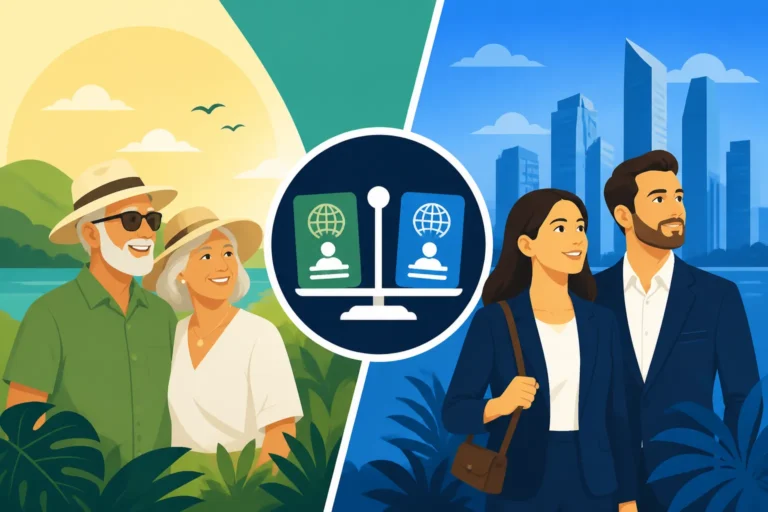
When it comes to bringing your spouse to Panama, it’s not a one-size-fits-all situation. The path you take largely depends on your own residency status here. Are you already a permanent resident? Are you here on a specific visa that allows for dependents? Or, perhaps, is one of you a Panamanian citizen? Each scenario has its own set of rules, documentation, and processing nuances, and it’s crucial to understand these distinctions from the outset to avoid unnecessary delays and frustration.
Dependent Status Under Your Own Visa
This is by far the most common route for expats already living in Panama under a specific residency program. Many Panamanian visas, especially those leading to permanent residency, have provisions for dependents. This means that if you, the principal applicant, have a valid residency visa – perhaps a Pensionado (Retiree) Visa, a Friendly Nations Visa, or even certain work visas – your spouse can typically apply as a dependent under your status.
Think of it this way: your residency acts as the anchor, and your spouse's application is simply tied to it. The Panamanian government understands that families often move together, and this pathway is designed to facilitate that. For instance, if you’ve secured your permanent residency through the Friendly Nations Visa, your spouse can apply under the same category, proving their relationship to you and fulfilling the specific dependent requirements. This usually streamlines the process significantly compared to starting from scratch. It’s important to remember that their status is contingent upon yours; if your residency is revoked or expires, theirs might be affected. This is why ensuring your own residency is solid and well-maintained is paramount.
Marriage-Based Residency: A Separate Path
While most expat spouses come in as dependents, there are also scenarios where a marriage-based residency might be the primary route, particularly if one partner is a Panamanian citizen. This isn't just about being married; it's about leveraging that specific familial tie to a Panamanian national.
If you are married to a Panamanian citizen, your spouse can apply for residency based on that marriage. This category, known as "Spouse of Panamanian National" (Conyuge de Nacional), offers a direct path to residency. The process here is often different from dependent applications. It typically involves a more rigorous verification of the marriage itself, sometimes including interviews with immigration officials to confirm the legitimacy of the union. While it might sound more intense, it’s a well-established route and, in many cases, can be faster for acquiring full permanent residency compared to some dependent visas, as it bypasses certain investment or income requirements tied to other expat visas. This path emphasizes the familial connection to the country directly, rather than through your own expat residency status.
Navigating the Dependent Visa Application Process for Your Spouse
Alright, let's dive into the nitty-gritty of what most expats will experience when bringing their spouse over: the dependent visa application. This isn't just about handing over a few papers; it's a detailed, often slow, administrative dance with the National Immigration Service (Servicio Nacional de Migración). Prepare for thoroughness, patience, and perhaps a few repeat visits. This is where a good Panamanian lawyer really shines, as they can help you understand all the nuances, gather the correct documents, and properly present your case to avoid common pitfalls.
Essential Documents and Requirements
The paperwork jungle is real, my friends. Each document needs to be exactly right, often apostilled or authenticated, and translated if not in Spanish. Missing even one tiny detail can send you back to square one, so pay close attention.
Here’s a general rundown of what you’ll likely need for your spouse’s dependent application, assuming you're the principal applicant already holding a valid residency:
- Principal Applicant's Documents:
- Copy of your current Panamanian residency card (Cedula E).
- Copy of your passport (all pages, even blank ones).
- Original or authenticated copy of your valid visa resolution.
- Proof of financial solvency (bank statements, pension statements, employment letters, etc.) – to show you can support your spouse. This is critical.
- Spouse's Documents:
- Passport: A complete copy of your spouse's passport, valid for at least six months, including all pages (yes, even the blank ones!). This needs to be notarized by a Panamanian public notary.
- Marriage Certificate: The original marriage certificate, apostilled in the country where it was issued. If it's not in Spanish, it must be translated by an authorized public translator in Panama. This is non-negotiable. Don't even think about showing up with just a photocopy.
- Background Check: An original criminal record certificate from your spouse’s country of origin and any country where they've lived for the last five years, apostilled and translated (if necessary). This can be a real headache if your spouse has lived in multiple places. Remember, these usually have a short validity period (often 3-6 months), so time your application carefully.
- Health Certificate: An original health certificate issued by a licensed Panamanian doctor, typically within the last three months, stating your spouse is in good health and free from contagious diseases. This often involves a visit to a local clinic, which is usually straightforward.
- Proof of Domicile: A utility bill or rental contract in Panama in your name (as the principal applicant) to show where your spouse will be living.
- Letter of Responsibility: A notarized letter from you, the principal applicant, stating that you take full financial responsibility for your spouse during their stay in Panama.
- Eight Passport-Sized Photos: Yes, eight. And they need to be specific: two with the right ear showing, two with the left ear showing, two front-facing, and two for the carnet (temporary ID). Always have more than you think you need.
- Payment Receipts: Proof of payment for all application fees to the National Immigration Service.
This list isn't exhaustive, and requirements can change, so always, always check with a reputable immigration lawyer. They’ll have the most up-to-date information directly from Migración. Remember, every document from outside Panama needs to be apostilled or authenticated by a Panamanian Consulate in the country of origin. This is a crucial step often overlooked by newcomers. For more details on this, you might find our guide on How to Get Your Documents Apostilled for Panama Immigration particularly helpful.
The Application Steps: What to Expect at Immigration
Once you have your document arsenal ready, the real fun begins: navigating the National Immigration Service. This is not a quick "pop in and out" kind of affair.
- Engage a Lawyer: I cannot stress this enough. Unless you are fluent in Spanish, intimately familiar with Panamanian legal procedures, and have endless patience, hire a Panamanian immigration lawyer. They will prepare your package, schedule appointments, and guide you through the process, often accompanying you to Migración. They know the unwritten rules and shortcuts.
- Initial Submission: Your lawyer will submit the complete package to Migración. This typically involves paying the initial government fees and receiving a provisional receipt.
- Temporary Visa & Carnet: After the initial review, your spouse will usually be issued a provisional visa and a temporary carnet (ID card). This often requires a separate visit to Migración for fingerprinting and photo taking. This temporary carnet is incredibly important, as it grants your spouse legal status while their application is being processed. It’s your spouse’s first tangible proof of legal stay.
- Medical Examination: As mentioned, a local Panamanian doctor will issue a health certificate. Your lawyer can usually recommend clinics that are familiar with expat requirements.
- Interviews (Potentially): While less common for straightforward dependent visas, immigration officials can request an interview, especially if there are any doubts about the relationship or documentation. This is more frequent for marriage-based visas with Panamanian nationals.
- Resolution and Cedula: If all goes well, Migración will issue a "resolution" approving the residency. With this resolution, your spouse can then apply for their Cedula E (Panamanian residency ID card). This is another separate step and involves going to the Tribunal Electoral, not Migración. This Cedula is their official, permanent ID in Panama. The entire process of getting a Cedula can feel like another mini-saga itself, so managing expectations is key.
Timelines and Common Hurdles
Let’s be realistic: things don’t always move at lightning speed in Panama.
- Timelines: Expect the entire dependent residency application process to take anywhere from 6 to 18 months, sometimes longer. This timeframe includes everything from initial document gathering to finally receiving the permanent Cedula. Provisional visas and carnets are usually issued within 1-3 months, giving your spouse legal status while awaiting final approval.
- Common Hurdles:
- Missing or Incorrect Documents: This is the biggest culprit for delays. Double, triple-check everything.
- Apostille Issues: Documents not correctly apostilled or authenticated.
- Translation Errors: Ensure your authorized public translator is legitimate and accurate.
- Communication Gaps: Sometimes the National Immigration Service can be less than clear, leading to misunderstandings. Your lawyer is invaluable here.
- Changing Requirements: Immigration rules can shift, sometimes with little notice. A good lawyer stays on top of these changes.
- Processing Backlogs: Just like any government agency, Migración can experience backlogs, especially after holidays or during peak application periods.
It's truly a test of patience, but staying organized and working closely with your legal counsel will make a world of difference. To understand the broader context of what it takes to live here, you might want to read Understanding How to Move to Panama Legally from Abroad (2027).
Marriage-Based Residency: When It's the Primary Route
Now, if you’re married to a Panamanian citizen, your path is slightly different, and in some ways, more direct to permanent residency. This category is specifically designed for foreign spouses of Panamanian nationals, underscoring the government's recognition of family unity within its borders. While it streamlines some financial aspects, it introduces its own set of checks and balances, particularly concerning the authenticity of the marriage.
Specific Requirements for Panamanian Spouses
When applying for "Spouse of Panamanian National" residency, the focus shifts to proving the legitimate existence of your marriage. While some documents overlap with the dependent visa, the emphasis and scrutiny are different.
Here's what you'll typically need:
- Foreign Spouse's Documents:
- Passport: Authenticated copy of your foreign spouse's passport (all pages), valid for at least six months.
- Birth Certificate: Original birth certificate of the foreign spouse, apostilled and translated (if necessary). This is needed to verify identity and parentage.
- Background Check: Original criminal record certificate from the country of origin and any country where the foreign spouse has lived in the last five years, apostilled and translated. Again, mind the validity dates.
- Health Certificate: Issued by a Panamanian doctor.
- Eight Passport-Sized Photos: The usual four for the application, plus two for the temporary carnet, and a couple of spares.
- Proof of Domicile: Utility bills, rental contract, or property title showing the couple's shared residence in Panama.
- Panamanian Spouse's Documents:
- Cedula: Original and copy of the Panamanian spouse’s valid Cedula (personal identification card).
- Birth Certificate: Original birth certificate from the Civil Registry (Registro Civil), verifying their Panamanian nationality.
- Marriage Certificate: The original marriage certificate from the Panamanian Civil Registry (Registro Civil), proving the union. If married abroad, this marriage must first be registered in Panama before applying for residency. This is a critical prerequisite.
- Financial Solvency: Proof of the Panamanian spouse's ability to support the foreign spouse. This could be bank statements, employment letters, or business registration documents.
- Letter of Responsibility: A notarized letter where the Panamanian spouse assumes full responsibility for the foreign spouse.
The main difference here is the direct verification of the Panamanian spouse's nationality and the registration of the marriage within Panama. This route focuses heavily on the authentic civil union, and thus requires documents directly from the Panamanian Civil Registry.
What to Know About the Interview Process
For spouses of Panamanian nationals, expect a higher likelihood of an interview with immigration officials. This isn’t meant to be intimidating, but rather a standard procedure to verify the legitimacy of the marriage. They want to ensure it’s a genuine union, not a marriage of convenience for immigration purposes.
During the interview, officials might ask:
- About Your Relationship: How you met, how long you've been together, details about your wedding, significant dates, etc.
- Shared Life: Questions about your home life, daily routines, shared friends, and family.
- General Knowledge of Each Other: They might ask individual questions about your spouse's family, job, hobbies, or even simple things like their favorite food or habits.
It’s not an interrogation, but an opportunity for them to gauge the authenticity of your relationship. My advice? Be honest, consistent, and bring any additional evidence of your shared life, such as photos, joint bank statements, utility bills in both names, or even social media posts. The goal is to present a cohesive picture of a genuine relationship. This process, while seemingly intrusive, is standard practice in many countries for marriage-based immigration. For information on how your residency status impacts other aspects of life, consider checking out How Your Residence Status Affects Health Coverage in Panama.
Important Considerations and Practical Advice
Moving to Panama, especially with family, is more than just visas and documents. It's about setting up a life, and a lot of that hinges on practical decisions and a realistic understanding of the system. Let's talk about some key elements that can make or break your spousal residency journey.
The Role of a Panamanian Immigration Lawyer
Honestly, this is probably the single most important piece of advice I can give you: get a good Panamanian immigration lawyer. I know, I know, it's an added expense, and you might think you can navigate the forms yourself. But trust me, the Panamanian immigration system is complex, often bureaucratic, and constantly evolving. Trying to do it solo is like trying to build a house without a blueprint or tools.
A seasoned immigration lawyer in Panama will:
- Provide Up-to-Date Information: Rules and requirements change. A good lawyer is always abreast of the latest decrees and interpretations from the National Immigration Service.
- Ensure Correct Documentation: They know exactly which documents are needed, how they need to be formatted, apostilled, and translated. They will spot potential issues before you submit.
- Streamline the Process: They have established relationships with officials and understand the unspoken protocols, often avoiding common delays.
- Represent You: They can submit applications on your behalf, schedule appointments, and accompany you to any required interviews, acting as your advocate and translator.
- Anticipate Hurdles: With experience, they can often foresee potential problems and advise you on how to mitigate them.
Yes, it costs money, but the peace of mind, time saved, and reduced risk of rejection are well worth the investment. Look for recommendations from other expats or expat forums. A quick search will reveal many reputable firms, such as Kraemer & Kraemer, that specialize in assisting foreigners. You can also dive deeper into this topic with our guide: Understanding Why You Need a Panamanian Lawyer for Residency.
Financial Preparedness and Supporting Documents
Regardless of the specific pathway, demonstrating financial solvency is paramount. The Panamanian government needs to be confident that your spouse will not become a financial burden on the state.
- Principal Applicant's Solvency: If your spouse is coming in as a dependent, your financial stability is key. You'll need recent bank statements (often showing average balances over several months), pension statements (for Pensionado visas), or an employment letter from your Panamanian employer detailing your salary. The amount required isn't always explicitly stated as a hard figure for dependents, but it needs to show you can comfortably support both of you. For example, for a Pensionado Visa, the main applicant needs a guaranteed lifetime pension of at least $1,000 USD per month. If you bring a dependent, you need an additional $250 USD per month per dependent.
- Marriage-Based Solvency: If married to a Panamanian citizen, their income and assets will be assessed. They'll need to demonstrate sufficient funds to support their foreign spouse.
- Joint Accounts: If you have joint bank accounts, these can serve as powerful evidence of shared finances and stability.
- Savings: Don't just rely on monthly income. Having a healthy savings account balance can strengthen your financial proof.
Keep clear, organized records of all financial transactions and statements. This is not the place to be vague. Remember, this is about proving a long-term ability to support your spouse, not just a one-time lump sum.
Maintaining Your Spouse's Residency Status
Getting the residency is a huge milestone, but it's not a "set it and forget it" situation. You need to understand how to maintain it.
- Renewals: Provisional residencies, including the initial dependent carnet, often have an expiration date (usually one or two years). You’ll need to apply for renewal before it expires. Even permanent residency cards (Cedulas) typically need to be renewed every 10 years, or if personal information changes (like a new passport).
- Physical Presence: Most residency programs require a certain degree of physical presence in Panama. While not typically as strict for dependents as for principal applicants, prolonged absences could raise questions during renewal. Make sure you understand the rules for your specific visa category. For instance, some permanent residency holders need to ensure they don't stay out of the country for more than a certain period (e.g., two consecutive years) to avoid issues.
- Updating Information: If your spouse gets a new passport, changes their name, or their marital status changes (heaven forbid!), you must update this information with the National Immigration Service and the Tribunal Electoral. Failing to do so can cause issues later.
- Work Permits: While a dependent visa grants legal residency, it does not automatically grant the right to work for your spouse. If your spouse intends to work in Panama, they will need to apply for a separate work permit, which is a whole other layer of bureaucracy. Some residency categories for principal applicants (like the Friendly Nations Visa) allow for work permits for dependents, but it’s a distinct application process handled by the Ministry of Labor. Our article Can My Spouse Work on a Dependent Residency in Panama? delves into this specific challenge.
Staying proactive, organized, and keeping up with renewal dates is crucial. It’s a continuous process, but one that ensures your spouse can continue to enjoy their life in Panama legally and without undue stress. For a deeper dive into maintaining your status, check out Understanding How to Maintain Your Permanent Residency in Panama.
| Document Category | Required for Dependent Visa (Spouse) | Required for Marriage-Based Residency (Spouse of Panamanian) | Notes |
|---|---|---|---|
| Passport | Authenticated copy (all pages) | Authenticated copy (all pages) | Valid for at least 6 months. |
| Marriage Certificate | Original, apostilled & translated | Original from Panamanian Civil Registry (or registered) | Must be registered in Panama for marriage-based residency. |
| Birth Certificate | No | Original, apostilled & translated | For foreign spouse in marriage-based. |
| Criminal Record | Original, apostilled & translated | Original, apostilled & translated | From country of origin + any country lived in for >5 years. |
| Health Certificate | Original, from Panamanian doctor | Original, from Panamanian doctor | Issued within 3 months of application. |
| Photos | 8 passport-sized (various ear/front angles) | 8 passport-sized (various ear/front angles) | Specific requirements, always bring more. |
| Proof of Domicile | Utility bill/rental contract (principal name) | Utility bill/rental contract (both names) | Shows shared residence. |
| Letter of Responsibility | From principal applicant | From Panamanian spouse | Notarized. |
| Financial Solvency | Principal applicant's proof | Panamanian spouse's proof | Bank statements, employment letters, pension. |
| Principal Applicant ID | Copy of Cedula E, visa res. | N/A | |
| Panamanian Spouse ID | N/A | Original Cedula |
As you can see, bringing your spouse to Panama is a journey that requires careful planning, meticulous document preparation, and a healthy dose of patience. But with the right guidance, like that from a good lawyer and the information you find here, it’s a perfectly navigable path. Many expats, myself included, have gone through this process, and while it has its moments, the reward of having your family reunited in this beautiful country is immeasurable. Remember to lean on resources and advice from other expats, and don't be afraid to ask for help along the way! If you're planning a big move, consider companies like Sirelo, which can help compare international moving quotes, making at least that part of the relocation smoother. Also, once your spouse is here, ensure they have proper health coverage; companies like Cigna Global offer excellent international health insurance options that can be a real lifesaver.
Disclaimer
Please remember that I am an expat blogger sharing personal experiences and general information. While I strive for accuracy, immigration laws and procedures in Panama can change without notice. This guide is not legal advice. Always consult with a qualified Panamanian immigration lawyer or the National Immigration Service (Servicio Nacional de Migración) for the most current and specific advice regarding your individual situation.