Can My Spouse Work on a Dependent Residency in Panama?
Moving to a new country like Panama is an exciting adventure, full of new experiences, sunny days, and vibrant culture. But for many expat couples, a common question quickly arises: "My spouse is here on a dependent visa – can they actually work?" It’s a completely valid concern, one that can significantly impact a family's financial planning and overall quality of life. This guide will walk you through the nuances of dependent residency in Panama, clarifying the often-confusing rules around spousal employment and offering clear pathways and realistic expectations.
Understanding Dependent Residency in Panama
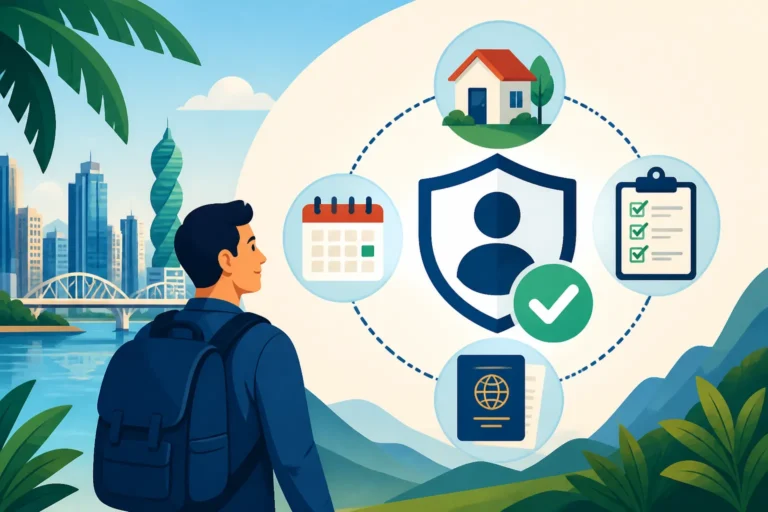
First, let’s get to grips with what "dependent residency" truly means here in Panama. When one person in a couple or family secures a primary residency visa, such as the Pensionado Visa for retirees, the Friendly Nations Visa, or a specific work-related visa, their spouse and often minor children can apply for dependent status. This is a wonderful mechanism designed to keep families together, allowing you all to enjoy the benefits of living in this beautiful country as a unit.
The Basic Premise of Dependent Status
At its core, dependent status in Panama is exactly what it sounds like: your residency is dependent on the primary applicant's visa. This means your right to reside in Panama stems directly from their status. It's about maintaining family unity under a single, overarching residency application. For example, if you obtained a work visa and then applied for your spouse to join you, their dependent residency ensures they can legally live with you. It simplifies the immigration process for families, preventing the need for each family member to qualify for a complex, individual visa from scratch. However, and this is where the confusion often begins, the primary purpose of this dependent status is usually just that: residence, not automatic work authorization. It’s a common misconception that if one spouse can work, the other automatically can too, and that's simply not how it works in Panama's immigration system.
Eligibility for Dependent Residency
To qualify for dependent residency, the relationship to the primary visa holder must be direct. For spouses, this typically means providing a legally recognized marriage certificate. For children, it’s usually birth certificates. All these documents, if issued outside of Panama, generally need to be apostilled or legalized by a Panamanian consulate in your home country before you even think about submitting them. This authentication step is absolutely crucial and often a source of significant delays and frustration if not done correctly from the outset.
The financial solvency of the primary applicant is also a key factor. You'll need to demonstrate that the primary applicant has sufficient income or funds to support all dependents, ensuring they won't become a burden on the state. The specific income requirements vary by visa type, but it’s always about proving stability for the entire family unit. For instance, the Pensionado Visa has a minimum monthly income requirement for the primary applicant, and this amount often needs to be slightly increased for each dependent added to the application. This ensures that even if one spouse isn't working, the family's basic needs are covered. Understanding these initial requirements is vital to avoid any hiccups in your overall residency application process. You can learn more about securing your initial residency by reading How to Get Residency in Panama: The Full Guide (2027).
The Crux: Working on a Dependent Visa
Now, let's address the elephant in the room: can your spouse, holding a dependent residency, actually get a job and work legally in Panama? This is the question that keeps many expat families up at night, and it's where the administrative realities of Panama often clash with expectations.
The General Rule: No Automatic Work Authorization
Here’s the plain truth, and I know it can be a hard pill to swallow: in most cases, a dependent residency in Panama does not automatically grant the right to work or obtain a work permit. Panama's labor laws are generally designed to protect the local workforce. This means that work permits for foreigners are typically granted for specific reasons, often when a Panamanian employer can prove that a local citizen isn't available or qualified for a particular role, or for certain investor/professional visa categories.
Imagine you've secured your own work visa with a multinational company in Panama City. Your spouse, who is an accomplished marketing professional, moves with you on a dependent visa. They might assume, quite logically, that they can simply look for a job and start working. Unfortunately, without a separate work permit in their own name, they cannot legally be employed by a Panamanian company. This isn't just a bureaucratic hurdle; it's a legal one. Working without the proper authorization can lead to fines, deportation, and can even jeopardize the primary resident's immigration status. This can cause real disappointment, as many expat partners arrive with their own careers and aspirations, only to find this particular door firmly shut without further action. This is why thorough research and planning are so critical before you make the big move. For a broader overview of moving here, check out Understanding How to Move to Panama Legally from Abroad (2027).
Pathways to Obtain a Work Permit for a Dependent Spouse
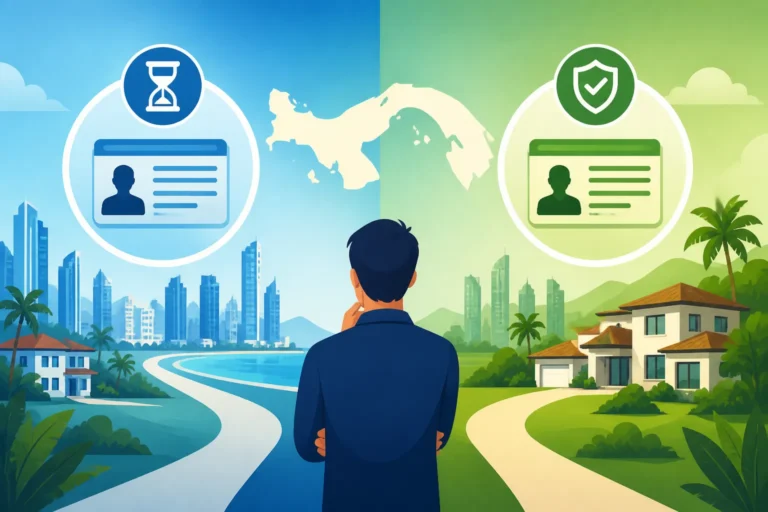
While the dependent visa itself doesn’t confer work rights, it's not a dead end. There are pathways for a spouse on a dependent residency to legally work in Panama, but they usually require qualifying for a separate work permit or changing their immigration status entirely. This is where it gets a bit more complex and often requires a strategic approach.
- Employer Sponsorship: This is often the most common route. If your spouse finds a legitimate job offer from a Panamanian company, that company can apply for a work permit on their behalf. The employer usually needs to demonstrate to the Ministry of Labour (MITRADEL) that they genuinely need your spouse's specific skills and that a Panamanian citizen or resident is not available for the position. This process can be lengthy, involves significant paperwork, and often requires the employer to pay certain fees. The company will likely need a strong justification, especially for roles that are not considered "specialized." For instance, a spouse with niche IT skills might have an easier time finding sponsorship than someone in a general administrative role.
- Professional Visa (Visa de Profesional): If your spouse has a university degree from an accredited institution and their profession is recognized in Panama (meaning it's not one of the professions reserved solely for Panamanians, like law or medicine), they might qualify for their own Professional Visa. This visa, if granted, allows them to work in their field. The catch here is that they would essentially transition from being a "dependent" to being a "primary" resident under this new visa category. This is often an independent application process, separate from your initial family-based residency.
- Friendly Nations Visa (FNV) – with conditions: The Friendly Nations Visa, which is quite popular among expats, offers a path to permanent residency. While initially, the FNV made it relatively straightforward for recipients to get work permits, the rules have tightened. For a dependent spouse under the FNV, they would now typically need to establish a Panamanian corporation or have a genuine employment contract with a Panamanian company to apply for their own work permit, even under this visa. It’s no longer a simple "apply and get a work permit" scenario. If you're exploring this, make sure to read up on Understanding the Friendly Nations Visa in Panama (2027) for the latest details.
- Marriage to a Panamanian Citizen: If your spouse is married to a Panamanian citizen (which might be the case if one of you is a naturalized Panamanian or was born here), there are specific visa categories that offer work authorization. However, this is distinct from being a dependent of a foreign primary resident.
- Self-Employment or Business Ownership: Another route, though more involved, is for the spouse to start their own business in Panama or become self-employed. This would entail registering the business, obtaining the necessary licenses, and then applying for a work permit under a relevant entrepreneurial or investor visa category. This is a significant undertaking, requiring capital and a deep understanding of Panamanian business regulations.
Each of these pathways comes with its own set of requirements, fees, and processing times. It’s rarely a quick or simple process, and I cannot stress enough the importance of getting expert legal advice. A good Panamanian immigration lawyer can assess your spouse’s qualifications, review the job market, and guide you through the most viable option. Understanding How a Work Permit and Employer Sponsorship Work in Panama can provide additional context here.
Navigating the Process: Practical Advice for Spouses
Okay, so we've established that while not automatic, working as a dependent spouse in Panama is certainly possible. The key is knowing what steps to take and managing your expectations. This journey often involves a good deal of patience, persistence, and strategic planning.
What to Do If Your Spouse Wants to Work
If your spouse is determined to enter the Panamanian workforce, here's a realistic roadmap to follow:
- Thorough Research of Panamanian Labor Laws and Visa Categories: Before anything else, dive deep into the specific work permit and visa options that might apply to your spouse's skills and professional background. Panama has various categories, and understanding which one aligns best is crucial. Don't rely on hearsay; look for official government sites or consult with reputable legal professionals. This initial groundwork will save you a lot of time and potential missteps down the road.
- Skills Assessment and Market Demand: Encourage your spouse to objectively assess their skills, qualifications, and professional experience. Are their skills in high demand in Panama? Do they have specialized expertise that is not readily available among the local population? For instance, someone with advanced cybersecurity knowledge or niche engineering skills might find more opportunities for employer sponsorship than someone with general administrative skills. The Panamanian job market, especially for foreigners, can be competitive.
- Learn Spanish: This is non-negotiable for most roles. While Panama City has a growing number of English-speaking businesses, particularly in the multinational and tourism sectors, proficiency in Spanish will dramatically expand job opportunities and ease integration into the workplace. Even if a role doesn't explicitly require Spanish, speaking the local language shows commitment and helps immensely with networking.
- Network, Network, Network: Encourage your spouse to get out there and meet people! Expat groups, professional associations, chambers of commerce (like the American Chamber of Commerce in Panama), and even casual social events can open doors. Personal connections are incredibly powerful in Panama. Many jobs are found through word-of-mouth rather than advertised online. Attending industry events and connecting with recruiters or HR managers from companies known to hire foreigners, such as those in the banking or logistics sectors, can be particularly fruitful.
- Consult an Immigration Lawyer: This isn't just a suggestion; it's a necessity. A Panamanian immigration lawyer specializing in work permits can provide tailored advice, explain the latest legal requirements, and guide your spouse through the application process. The laws can change, and navigating the bureaucracy is complex. They can help identify the most suitable visa category and streamline the application process for a work permit. This is particularly important because the rules regarding work permits for dependents are often nuanced and depend heavily on the primary visa type.
- Consider Remote Work (for foreign companies): If obtaining a Panamanian work permit proves too challenging, working remotely for a company outside of Panama is often a viable alternative, provided your spouse has the right residency status to live in Panama. This does not require a Panamanian work permit since their employer is not based in Panama and they are not drawing a salary from a Panamanian entity. However, they still need to ensure their residency status permits long-term stay. The Digital Nomad Visa (or Short Stay Visa) could be another option if they meet the specific criteria for remote work, but again, this would be a separate application.
Common Challenges and Realistic Expectations
Let's be real, embarking on this journey in Panama comes with its fair share of challenges. It's not always a smooth sail, and managing expectations is crucial for your spouse's mental well-being and overall family harmony.
- Bureaucracy and Delays: Panama’s immigration and labor departments are not known for their speed. Expect paperwork, long wait times, and potentially multiple trips to various government offices. Patience is truly a virtue here. Applications can take months, sometimes longer, to process. Don't plan on your spouse starting a job immediately after submitting an application.
- The "Panamanian First" Principle: As mentioned, Panamanian labor laws prioritize local employment. This means employers must often prove they cannot find a qualified Panamanian for a role before they can hire a foreigner and sponsor a work permit. This can make the job search more challenging, especially for generalist roles.
- Language Barrier: Unless your spouse is seeking a very specific role within an international company, a lack of Spanish fluency will significantly limit their options. Even roles that seem "English-speaking" often require some level of Spanish for daily interactions or administrative tasks.
- Cost: Obtaining work permits and changing visa statuses isn't free. There are government fees, legal fees, and administrative costs that can add up. Factor these into your financial planning.
- Cultural Differences in the Workplace: The Panamanian workplace culture can be different from what your spouse is used to. Hierarchy, communication styles, and even the pace of work can vary. Adapting to these nuances is part of the expat experience. You can find more insights into this in articles like The Expat Guide to Finding a Job in Panama (2027).
- Emotional Rollercoaster: The process of seeking work authorization can be frustrating and emotionally taxing. Validate your spouse’s feelings and provide support. Having realistic expectations from the outset can help mitigate some of this stress.
Maintaining Your Dependent Status While Seeking Work
It's natural to wonder how seeking independent work authorization might affect your spouse's current dependent residency status. This is an important consideration to ensure continuity of legal stay in Panama for your entire family.
Impact on Your Primary Residency Status
Generally, if a spouse holding dependent residency successfully obtains their own independent work permit or transitions to a primary visa category that allows them to work (like a Professional Visa or an investor visa), it does not negatively impact your primary residency status. In fact, in some ways, it can strengthen the family's overall legal footing in Panama by giving the spouse their own independent right to reside and work.
Think of it this way: initially, your spouse's residency is like a branch off your main tree. If they then plant their own roots by getting their own primary visa, they become a separate, independent tree. They still belong to the same forest (Panama), and they're still part of your family, but their legal right to be there is no longer solely contingent on your status. This can offer a sense of security, particularly if there are ever changes to the primary applicant's employment or visa situation. However, it means they will then have their own set of renewal requirements and responsibilities associated with their new visa category. It’s a move towards greater independence within the Panamanian immigration framework, rather than a threat to your initial family residency.
Legal Assistance and Professional Advice
I truly cannot emphasize this enough: navigating Panama's immigration and labor laws is not a do-it-yourself project, especially when you're dealing with multiple statuses and work permits. The rules are complex, they change, and the bureaucracy can be opaque.
- Expert Guidance: A specialized Panamanian immigration lawyer is your best ally. They stay current with the ever-evolving regulations, can provide accurate advice tailored to your spouse's specific situation, and can expertly manage the application process. This minimizes the risk of errors that could lead to delays or even rejection. They can help you understand subtle differences, for instance, between Understanding Dependent Residency in Panama and a spouse applying for their own work permit.
- Avoiding Pitfalls: Without proper legal guidance, you could inadvertently violate immigration rules, leading to fines, complications, or even jeopardizing your family’s residency. This is particularly true when considering the intricacies of work permits and ensuring compliance with both immigration and labor laws.
- Peace of Mind: Knowing you have an experienced professional on your side can provide immense peace of mind, allowing you to focus on other aspects of settling into your new life in Panama. While a good lawyer is an investment, the cost of rectifying a mistake or facing legal issues can be far greater.
As you plan your life in Panama, consider all aspects of your family's well-being. Even if your spouse is actively seeking work, ensuring robust health coverage for everyone is paramount. Providers like Cigna Global offer comprehensive international health insurance options that can give you peace of mind, regardless of individual employment status. For other essential planning, especially around moving and logistics, resources such as Sirelo can offer invaluable insights.
Here's a quick comparison to help visualize the different scenarios:
| Feature | Dependent Spouse (Primary Role: Residing) | Dependent Spouse (Seeking Work Permit) |
|---|---|---|
| Work Authorization | No automatic work permit | Requires a separate, approved work permit or change in visa status |
| Residency Basis | Relies on primary applicant's visa | May transition to independent visa, or obtain work permit under dependent status |
| Eligibility Criteria | Marriage/birth certificate, primary income | Job offer, specific professional qualifications, or business plan |
| Required Documents | Apostilled marriage/birth certs | Additional work permit application, employer justification, academic certs, etc. |
| Process Complexity | Generally straightforward with primary | More complex, involves Ministry of Labour (MITRADEL) and immigration |
| Cost Implications | Dependent visa fees | Additional work permit application fees, legal fees, business setup |
| Impact on Primary Visa | None, if correctly processed | None, typically leads to more robust individual status |
Disclaimer
Please remember that immigration laws and regulations in Panama can change frequently. The information provided in this guide is intended for general informational purposes only and does not constitute legal advice. Always consult with a qualified Panamanian immigration attorney for advice specific to your personal situation before making any decisions related to your residency or work status in Panama.