Understanding the Residency Requirement for Panamanian Citizenship
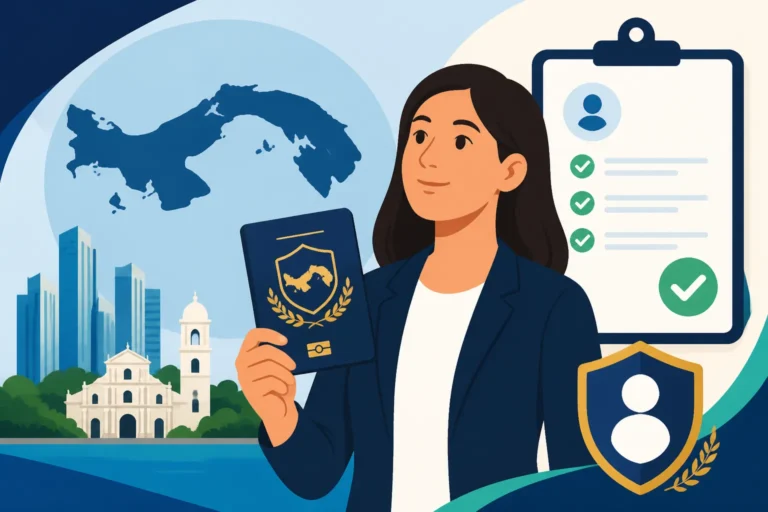
For many expats, the dream of calling Panama home eventually evolves into a deeper desire for full integration – to truly become Panamanian. However, the path to Panamanian citizenship is often shrouded in mystery and bureaucratic hurdles, leaving many feeling lost, especially when it comes to understanding the critical residency requirements. This guide is here to demystify that process, walking you through the ins and outs of what it takes to establish and maintain your residency to eventually qualify for Panamanian naturalization.
The Journey to Panamanian Citizenship: An Overview
Moving to a new country like Panama is often a multi-stage process, starting with a visa, then moving to temporary residency, often culminating in permanent residency. For many, that’s where the journey pauses, offering a stable footing without the full commitment of citizenship. But for others, becoming a citizen is the ultimate goal, a symbol of true belonging and an irreversible embrace of their new homeland. It's a significant decision, bringing with it not just rights but also responsibilities.
Panama, like any sovereign nation, has a carefully structured legal framework for naturalization, designed to ensure that those who become citizens have genuinely integrated into the fabric of the country. This isn't just about ticking boxes; it's about demonstrating a sustained connection and a commitment to Panama. The process is administered by the Tribunal Electoral, but the foundation for it is laid years earlier through your residency status with the Servicio Nacional de Migración. It can feel like navigating a labyrinth, especially with the language barrier and the sheer volume of paperwork, but understanding the steps makes it less daunting.
Understanding the Naturalization Process
The naturalization process in Panama is the legal procedure by which a foreign national acquires Panamanian citizenship. It’s not something that happens overnight, and it certainly isn't automatic after a certain period of residency. It involves a formal application to the Tribunal Electoral, the governing body for elections and citizenship matters, which scrutinizes every aspect of an applicant's life in Panama. This includes not just your residency history but also your moral conduct, economic solvency, and even a demonstrated understanding of Panama's history, geography, and political structure.
The initial steps often begin long before the citizenship application itself. It involves meticulously planning your move and securing the right visa, then working your way through various residency permits. Many expats first arrive under specific visa categories such as the Friendly Nations Visa or the Pensionado (Retiree) Visa, which grant temporary or immediate permanent residency. These initial steps are crucial, as they determine how quickly and smoothly you can transition to the permanent residency status that is a prerequisite for citizenship. For a more detailed breakdown of these initial steps, you might want to read our guide on The Complete Guide to Panama Visas and Immigration for Expats (2027).
Why Residency is the Foundation
Think of residency as the bedrock upon which your citizenship application will be built. Without a solid, unbroken period of legal residency, you simply cannot even begin the naturalization process. It's the primary way Panama verifies your genuine connection to the country. The law isn't just looking for someone who visited often or owned property; it's looking for individuals who have made Panama their true home, contributing to its society and economy. This commitment is evidenced through your continuous presence and legal status.
Your journey will likely involve securing some form of permanent residency. This could be through various pathways, each with its own set of requirements and benefits. For instance, the Friendly Nations Visa in Panama is a popular route for citizens of certain countries, offering a direct path to permanent residency and, eventually, citizenship. Similarly, the Pensionado (Retiree) Visa in Panama provides a streamlined process for retirees. It's crucial to understand that merely living in Panama isn't enough; you must hold a valid, uninterrupted residency status that is duly registered with the Panamanian authorities.
Key Residency Timelines for Citizenship Eligibility
One of the most common questions expats have about Panamanian citizenship revolves around "how long do I have to live here?" The answer isn't a simple fixed number; it varies depending on your specific circumstances, particularly your country of origin or your relationship with a Panamanian citizen. However, there are standard timelines that apply to most applicants, and understanding these is paramount to planning your naturalization journey effectively.
The clock on your citizenship eligibility generally starts ticking from the moment your permanent residency is granted, not from the day you first arrived in the country on a tourist visa. This distinction is vital. Any time spent in Panama under a temporary visa, or worse, overstaying a tourist visa, generally won't count towards your citizenship residency requirement. It’s all about officially recognized, legal residence.
The Standard 5-Year Permanent Residency Rule
For most foreign nationals, the general rule is that you must have maintained at least five consecutive years of permanent residency in Panama before you can apply for naturalization. This is the most common path and applies to a broad range of expats who have obtained permanent residency through various programs, such as the Friendly Nations Visa, the Qualified Investor Visa, or other similar schemes. It’s a period designed to demonstrate your sustained commitment and integration into Panamanian society.
During this five-year period, it is absolutely crucial that your permanent residency remains active and valid. This means ensuring that any required renewals are done on time and that you comply with all immigration laws. Any lapse in your residency status, even a seemingly minor one, could reset your eligibility clock or, in severe cases, jeopardize your ability to apply for citizenship altogether. It’s a lengthy commitment, and the Panamanian authorities want to see that you’ve taken it seriously. Our guide on How to Get Residency in Panama: The Full Guide (2027) provides comprehensive details on establishing this foundational permanent residency.
Reduced Residency Periods for Specific Cases
While the five-year rule is standard, Panama's laws do offer shorter residency periods for certain categories of applicants, reflecting special agreements or relationships. These exceptions are important to be aware of, as they can significantly shorten your wait time for citizenship.
Here’s a breakdown of the most common exceptions:
| Applicant Category | Residency Requirement (Permanent) | Notes |
|---|---|---|
| Standard Applicants | 5 years | Applies to most foreign nationals with permanent residency. |
| Citizens of Latin American Countries | 3 years | Due to reciprocal agreements, provided their country grants similar rights to Panamanians. |
| Spouses of Panamanian Citizens | 3 years | Must be legally married to a Panamanian citizen and residing in Panama for this period. |
| Children of Panamanian Citizens (born abroad) | 1 year | If born abroad but one parent is Panamanian, a simpler route to citizenship often exists, or a shorter residency for naturalization if not jure soli. |
| Persons born in Panama to foreign parents | At birth (if parents meet criteria) | Jus soli principle applies in many cases, but parents must have certain legal residency status at the time of birth, or otherwise, naturalization still requires residency. |
Citizens of Latin American countries often benefit from a reduced residency requirement of just three years, provided their home country offers similar reciprocal naturalization rights to Panamanians. This is a nod to regional solidarity and historical ties. Similarly, if you are married to a Panamanian citizen, you may also be eligible to apply for citizenship after three years of permanent residency, provided the marriage is legally recognized and you have maintained a common domicile in Panama for that period. This recognizes the family unit as a strong integrating factor. For those bringing family, understanding Dependent Residency in Panama is also key.
Proving Your Residency: Beyond Just Time Spent
It’s one thing to say you've lived in Panama for the required number of years, but it's an entirely different challenge to prove it to the rigorous standards of the Panamanian authorities. They don't just count the days; they want to see a tangible demonstration of your life here, a consistent pattern of presence and integration. This is where many expats, especially those who travel frequently, can run into issues if they haven't been meticulous with their record-keeping. The process demands more than just a passport stamp or a single utility bill from years ago.
The legal framework mandates not only the duration of residency but also the quality of that residency. This means showing that Panama isn't just a convenient base for you, but your actual home, where you conduct your daily life, pay your bills, and interact with the community. It’s a holistic assessment designed to ensure genuine integration.
Demonstrating Physical Presence and Intent to Reside
To truly demonstrate your physical presence and intent to reside, you need a collection of documents that paint a clear picture of your life in Panama. This goes beyond the initial paperwork you submitted for your residency visa. The Tribunal Electoral will want to see continuity. For example, owning property here is a strong indicator, and even if you rent, having a consistent rental contract history can serve as proof. This is also where services like Sirelo can be incredibly helpful when you first move, as documenting your entire relocation process, from shipping household goods to your new address, can be part of this proof.
Furthermore, showing economic ties is crucial. Regular bank statements from a Panamanian bank, utility bills in your name (electricity, water, internet), and even employment contracts or business registration documents if you are working or self-employed in Panama, all serve as powerful evidence. The goal is to leave no doubt that you haven't just been passing through, but have genuinely established roots. Even obtaining your Cédula, the Panamanian identity card, is a significant step in documenting your legal presence and integration. Our guide on How to Get Your Cedula (Residency ID) in Panama can help you through that essential process.
Essential Documentation for Residency Verification
The list of documents required to verify your residency for citizenship can be extensive and will often require certified copies, translations, and apostilles. You’ll need to provide copies of all your permanent residency cards and resolutions from the Servicio Nacional de Migración (National Immigration Service), proving the dates your residency was granted and renewed. It’s not just about the latest card; they want to see the entire history.
Here are some key documents typically required for residency verification in your citizenship application:
- Copies of all your valid and expired permanent residency cards (Cédulas E).
- Original resolution from the Servicio Nacional de Migración granting your permanent residency.
- Proof of physical address: Utility bills (electricity, water, internet) in your name covering the residency period.
- Rental contracts or property deeds: Demonstrating continuous residence at a specific address.
- Bank statements from Panamanian banks: Showing financial activity and local presence.
- Employment letters, pay stubs, or business registration documents: If you are economically active.
- Proof of tax payments: Such as Paz y Salvo from the DGI (General Directorate of Revenue).
- Travel records: Sometimes they might ask for your passport entry and exit stamps to verify your physical presence within Panama during the residency period.
This stack of paperwork needs to be meticulously organized and presented. Remember, the authorities are looking for consistency and legitimacy. Any discrepancies or gaps could lead to delays or even rejection of your application. This is where having a reliable Panamanian lawyer, as discussed in Understanding Why You Need a Panamanian Lawyer for Residency, becomes almost indispensable.
Maintaining Your Residency Status for Citizenship
Once you've secured permanent residency and started your journey towards citizenship, the work isn't over. Maintaining that residency status, and doing so without interruption, is absolutely critical. Panama’s immigration laws are clear that a lapse in your legal residency can effectively reset the clock on your citizenship eligibility, making all your previous efforts in vain. This isn't a passive waiting game; it requires ongoing vigilance and adherence to administrative requirements.
Many expats assume that "permanent residency" means just that – permanent, with no further action required. However, while it grants indefinite stay, the physical cards and associated documents often have expiration dates or require periodic updates. Furthermore, there are unspoken expectations regarding your continued presence in the country. Understanding these nuances is key to avoiding costly mistakes that could delay your ultimate goal of naturalization.
Avoiding Pitfalls that Could Affect Your Eligibility
The biggest pitfall is allowing your residency card to expire without renewal. While Panamanian permanent residency is technically for an indefinite period, the physical Cédula card, which serves as your ID, typically has an expiration date (usually 10 years for foreigners). You must renew this card before it expires. Failing to do so can lead to fines, bureaucratic headaches, and potentially, questions about the continuity of your residency. Our guide on How to Renew Your Residency in Panama walks you through the steps to keep your status active.
Another crucial aspect is physical presence. While Panama doesn't have a strict rule like some countries about not leaving for more than X days per year for citizenship, the Tribunal Electoral will assess your intent to reside. If your passport shows lengthy periods of absence, it could raise red flags and lead them to question whether Panama truly is your primary home. For instance, if you're frequently out of the country for months at a time, spending very little of the year on Panamanian soil, your claim of continuous residency might be challenged, even if your legal paperwork is technically in order.
Renewing Your Residency and Keeping Records Intact
To maintain an unbroken residency record, you must meticulously handle renewals. This includes not just your physical Cédula, but also any other relevant permits that might be part of your residency category. For example, if your permanent residency was initially linked to an investment or specific economic activity, ensuring that investment or activity remains valid and documented is essential. Treat every renewal application as a mini-reaffirmation of your commitment to Panama.
Furthermore, keeping every single piece of documentation from your residency journey is vital. This means saving copies of all applications, receipts, resolutions, expired cards, and every utility bill, bank statement, or rental agreement you’ve accumulated over the years. These documents form the chronological proof of your continuous presence and compliance. When the time comes to apply for citizenship, you’ll be incredibly grateful for this organized archive. Imagine trying to hunt down a utility bill from five years ago if you didn’t save it – it's a nightmare you definitely want to avoid!
Navigating the Citizenship Application Process
Once you've diligently maintained your permanent residency for the required duration, you can finally turn your attention to the actual citizenship application. This is a complex administrative journey that goes well beyond immigration formalities. It’s managed by the Tribunal Electoral, an independent governmental body that oversees not just citizenship but also elections and the national civil registry. Their role in your naturalization is pivotal, and understanding their requirements and procedures is non-negotiable.
The citizenship application is not simply a formality; it's a thorough evaluation of your integration, character, and knowledge of Panama. You’ll be asked to provide an extensive array of documents, undergo interviews, and demonstrate your understanding of the country. This can feel daunting, but with proper preparation and professional guidance, it’s a manageable process.
The Role of the Tribunal Electoral and Other Agencies
The Tribunal Electoral is the ultimate authority for granting Panamanian citizenship through naturalization. They are the ones who will review your complete application, interview you, and make the final decision. However, other agencies play supporting but critical roles. The Servicio Nacional de Migración provides your complete immigration history, verifying your residency timeline and status. The Ministerio de Gobierno y Justicia (Ministry of Government and Justice) is also involved in aspects of the process, particularly in issuing the final resolution.
You'll interact with several departments within the Tribunal Electoral itself, including the Citizenship Department, where you'll submit your application and attend interviews. The entire process is designed to be rigorous, ensuring that only those truly ready to embrace Panamanian identity are granted citizenship. It's a bureaucratic process that requires patience, often with multiple visits and follow-ups. You might find the article How to Apply for Panamanian Citizenship by Naturalisation helpful as you prepare for this next big step.
Beyond Residency: Other Naturalization Requirements
While residency is the cornerstone, it's far from the only requirement for Panamanian citizenship. The Tribunal Electoral also assesses several other key aspects of your life and character:
- Good Conduct and Morality: You'll need to provide a police clearance certificate from your country of origin and from Panama, demonstrating a clean criminal record. Any significant legal issues can disqualify you.
- Economic Solvency: You must prove you have a stable and legitimate source of income in Panama, demonstrating that you can support yourself and your dependents without being a burden on the state. This can be through employment, business ownership, or documented investments and pensions.
- Language and Knowledge Test: This is often the most anxiety-inducing part for many expats. You will be tested on your knowledge of the Spanish language (oral and written), Panamanian history, geography, and civic duties. This isn't just a trivial quiz; it's a genuine assessment of your understanding of the country you wish to call home. Many find it beneficial to enroll in Spanish classes and study Panamanian civics specifically for this test.
- Renunciation of Former Citizenship (in some cases): While Panama generally allows dual citizenship, some countries do not. It’s crucial to understand your home country's laws regarding retaining your original citizenship upon naturalization in another country.
Successfully navigating these additional requirements demands preparation and often the guidance of an experienced attorney who specializes in Panamanian naturalization law. They can help you gather the necessary documents, prepare for interviews, and understand the nuances of the legal framework.
Common Challenges and Practical Advice for Expats
Let's be real, the journey to Panamanian citizenship, even with a clear understanding of the residency requirements, is not always smooth sailing. It's a bureaucratic marathon, often characterized by long waits, multiple trips to government offices, and the ever-present challenge of language. As someone who's been through the expat mill, I can tell you that a little empathy and a lot of patience go a long way here. It's easy to get frustrated, but remember, you're navigating a foreign system with its own rhythms and rules.
This stage of your expat life truly tests your resilience. You've already made a home here, possibly for years, and now you're asking the government for the ultimate stamp of approval. It's natural to feel impatient or even a bit overwhelmed. But with the right mindset and some practical strategies, you can minimize the stress and improve your chances of success.
Language and Bureaucracy Hurdles
The language barrier is arguably the most significant hurdle for many English-speaking expats. While you might get by with basic Spanish in daily life, navigating legal documents, complex forms, and interviews at the Tribunal Electoral is an entirely different beast. The law is written in Spanish, the interviews are conducted in Spanish, and the officials primarily communicate in Spanish. This is why learning Spanish is not just a nice-to-have, but a necessity for naturalization. It's not just about passing a test; it's about demonstrating genuine immersion.
Then there's the bureaucracy. Oh, the bureaucracy! Panama’s administrative processes can be slow, sometimes opaque, and often require a level of persistence that can wear down even the most seasoned expat. Documents might need to be submitted in a very specific order, photocopies might need to be certified in a particular way, and office hours can be unpredictable. You might be asked for a document you weren't initially told to bring, necessitating another trip. My advice? Go with a positive attitude, expect delays, and always, always double-check everything. Bring extra copies of everything, just in case.
The Importance of Legal Counsel and Community Support
Given the complexities, I cannot stress enough the importance of retaining a reputable Panamanian immigration lawyer. While it might seem like an added expense, their expertise can save you countless hours of frustration, prevent costly mistakes, and significantly increase your chances of a successful application. A good lawyer understands the nuances of the law, the unspoken expectations of the Tribunal Electoral, and can guide you through every step, from document preparation to interview coaching. They act as your advocate and translator in a system that can otherwise feel impenetrable.
Beyond legal counsel, lean on your expat community. Forums, social groups, and local expat networks are invaluable resources. Chances are, someone else has been through this exact process and can offer firsthand advice, share their experiences, and provide emotional support. They might recommend specific lawyers, study materials for the citizenship test, or simply offer a comforting word when you feel like tearing your hair out. This collective wisdom is a lifeline for many. And while you're focused on your long-term goals, remember to keep your day-to-day life running smoothly. For instance, ensuring you have robust health coverage like Cigna Global can alleviate worries about medical emergencies, allowing you to focus on your citizenship journey without added stress.
Disclaimer
The information provided in this guide is for general informational purposes only and does not constitute legal advice. While we strive to offer accurate and up-to-date information, Panamanian immigration and citizenship laws can change. It is essential to consult with a qualified Panamanian immigration attorney for advice tailored to your specific situation before making any decisions related to your residency or citizenship application.