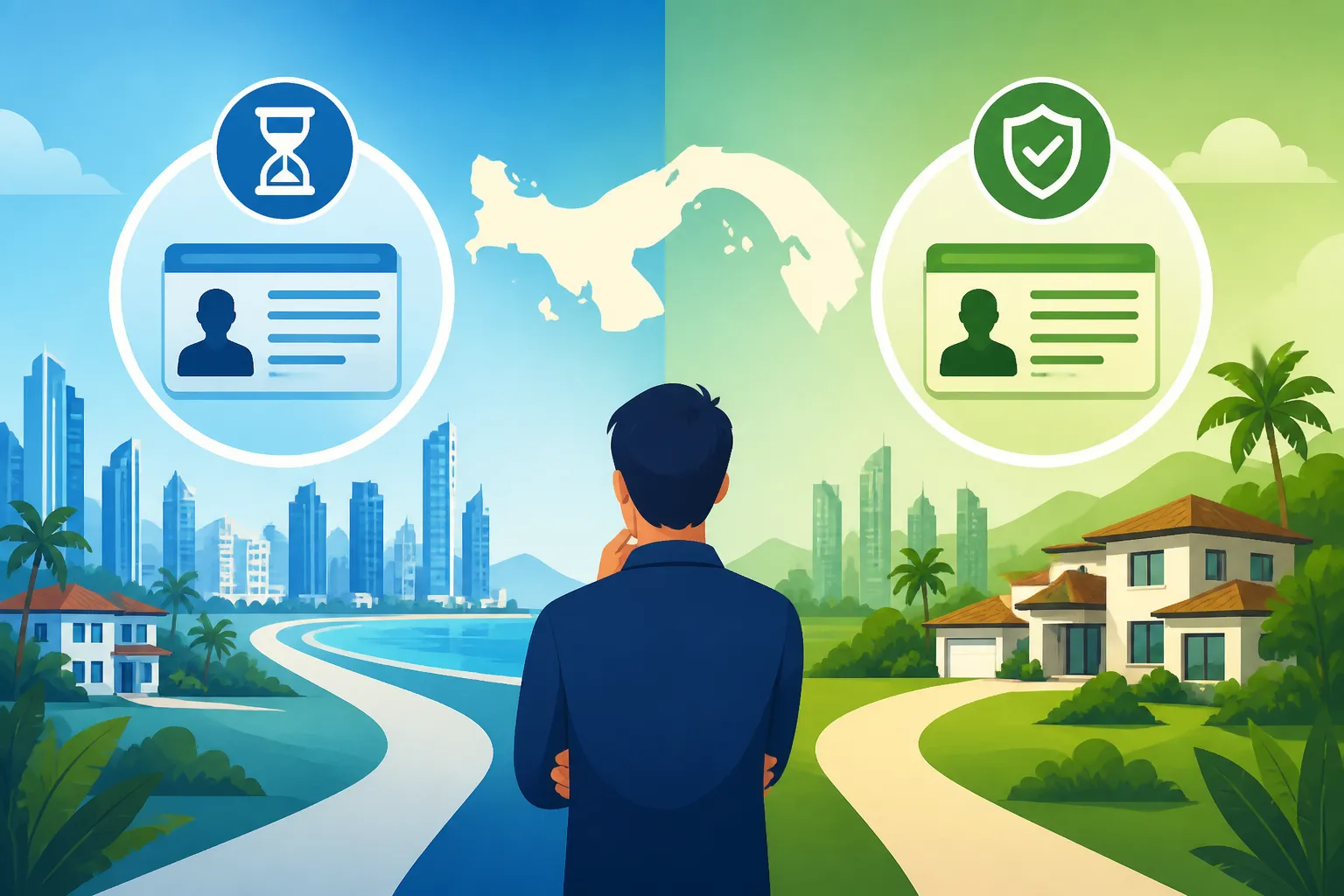
Understanding the Difference Between Temporary and Permanent Residency in Panama
Navigating the labyrinthine immigration system in Panama can feel like a full-time job, especially when you're trying to figure out the fundamental distinctions between temporary and permanent residency. It's a common point of confusion for so many of us expats, leading to misunderstandings, wasted time, and sometimes, even unexpected expenses. This comprehensive guide will demystify these two crucial residency statuses, breaking down their nuances, requirements, benefits, and how to successfully transition between them, ensuring you choose the right path for your life in this beautiful country.
What is Temporary Residency in Panama?
For many of us who first land in Panama, the concept of temporary residency is often our initial introduction to the country's immigration system. It's a crucial stepping stone, allowing you to settle in and experience Panamanian life without committing to an indefinite stay right away. However, it's a phase that comes with its own set of rules, deadlines, and a continuous need for attention to paperwork.
Understanding the Purpose of Temporary Stays
Temporary residency in Panama is precisely what it sounds like – a status that allows you to live here for a defined period, usually ranging from one to six years, depending on the specific visa category. It's often the first step for many expats before they can even think about permanent residency. Think of it as Panama's way of getting to know you, and for you to get to know Panama, without making a lifelong commitment right off the bat. It's a trial period, if you will, but one that comes with specific legal rights and obligations. This initial phase helps the Panamanian government ensure that foreign residents are genuinely contributing to society or fulfilling specific roles, rather than just passing through without proper documentation.
Many of us arrive here with dreams of a new life, and temporary residency schemes are designed to facilitate that initial integration. This type of visa is perfect for those who are still testing the waters, perhaps working on a specific project, studying, or waiting for a more long-term plan to solidify. It allows you to settle, open a local bank account, get a local driver's license, and generally participate in daily Panamanian life, all while keeping your options open. The key here is the temporary nature; it's not meant to be indefinite without further steps. It's a pragmatic approach for both the expat and the host country.
Common Temporary Residency Visas and Their Requirements
Panama offers several avenues for temporary residency, each with its own set of criteria. The most common ones often involve employment, specific investments, or even educational pursuits. For example, if you're coming here to work for a Panamanian company, you'll likely apply for an employment visa, detailed further in how a work permit and employer sponsorship work in Panama. This requires an employer sponsor and proof of an employment contract, among other documents. It's usually valid for a year at a time and can be renewed. The paperwork for this can be extensive, requiring everything from authenticated academic degrees to police clearances.
Another popular option is the Friendly Nations Visa, which, despite its appealing name, starts as a temporary residency permit for two years. To qualify, you need to be a citizen of one of the listed "friendly nations" and demonstrate economic ties to Panama, often by forming a local corporation or having a job offer. There's also the Digital Nomad Visa, a newer option, which grants a nine-month stay, renewable once, making it a temporary solution for those working remotely for foreign companies. Each of these categories demands meticulous documentation, including background checks, financial solvency proof, and, of course, a good immigration lawyer to navigate the specific requirements set by the National Immigration Service. Without expert guidance, it's easy to miss a crucial detail and face frustrating delays.
Duration, Renewal, and Limitations
The duration of a temporary residency permit varies significantly. A work visa might be tied to your employment contract and renewed annually, while the initial Friendly Nations Visa grants two years. The Digital Nomad Visa, as mentioned, is 9 months, renewable once for another 9. The crucial point is that these statuses have an expiry date. You must apply for renewal well in advance of the expiration, or you risk falling out of legal status, which can lead to fines, deportation, and make future residency applications much harder. This isn't a "set it and forget it" kind of deal; it requires continuous attention to deadlines and requirements, often adding another layer of stress to expat life.
While holding temporary residency, you generally enjoy many of the same rights as permanent residents, such as access to public services, banking, and the ability to sign leases. However, there are often subtle limitations. For instance, the ability to vote or hold certain government positions is typically reserved for permanent residents or citizens. Moreover, accumulating time towards Panamanian citizenship might start from your temporary residency, but the actual clock for naturalization usually begins once you secure permanent residency. Understanding these nuances is key to managing expectations and planning your long-term life in Panama, preventing any unpleasant surprises down the road.
What is Permanent Residency in Panama?
Permanent residency in Panama is the ultimate goal for many who decide to call this vibrant country home. It signifies a deeper, more enduring commitment to life here, moving beyond the temporary constraints and offering a sense of true belonging and stability. This status brings with it a host of advantages that fundamentally change an expat's experience.
Defining Permanent Residency and Its Privileges
Permanent residency in Panama, as the name strongly suggests, offers an indefinite right to live in the country. This is the golden ticket for many expats looking to truly put down roots. Unlike temporary visas that constantly require renewal, permanent residency eliminates that nagging worry of your status expiring. It provides a much greater sense of security and belonging, affirming your long-term commitment to Panama. With this status, you are no longer just visiting or working here for a while; you are officially a long-term part of the Panamanian tapestry, with all the rights and responsibilities that entails.
The privileges that come with permanent residency are substantial. You gain full work rights (if not already granted through a specific temporary visa that led to it), access to the public health system (CSS) if employed, and a greater sense of stability when dealing with government institutions like the DGI or when applying for loans. It also simplifies travel in and out of the country, as you won't need to worry about visa overstays or re-entry issues for non-residents. This makes international travel, whether for holidays or family visits, far less stressful. Essentially, permanent residency opens doors to a deeper integration into Panamanian society, moving you from an extended visitor to a recognized member of the community.
Key Pathways to Permanent Status
There are several well-trodden paths to obtaining permanent residency in Panama, each designed to attract different types of foreign residents. One of the most popular is through the aforementioned Friendly Nations Visa, which allows applicants to transition to permanent residency after two years of temporary status. This often involves demonstrating continued economic activity, such as operating a business or being employed. Another significant route is The Expat Guide to the Pensionado (Retiree) Visa in Panama (2027), which offers immediate permanent residency to those with a guaranteed lifetime pension income. This is a huge draw for retirees globally due to its attractive benefits and straightforward application process.
Investment-based visas are also common. The Understanding the Qualified Investor (Golden Visa) Programme in Panama), for instance, offers permanent residency in exchange for a substantial investment in real estate, a Panamanian bank fixed deposit, or a stock market purchase. Family reunification is another pathway, allowing spouses, children, and sometimes parents of Panamanian citizens or permanent residents to obtain their own permanent status. Regardless of the route, the underlying principle is demonstrating a sustained connection and benefit to Panama, proving your intent to be a contributing member of society.
Rights, Benefits, and Long-Term Stability
Beyond simply living in Panama indefinitely, permanent residency brings a host of rights and benefits that significantly enhance your quality of life and long-term planning. You receive a cédula, Panama's national identity card, which is invaluable for almost every administrative task, from opening accounts to accessing public services. This document truly makes you feel like a local, eliminating the need to constantly show your passport. You can also become eligible for certain tax benefits, depending on your income source, and even potentially sponsor dependents for their own residency, strengthening your family's ties to Panama.
The long-term stability offered by permanent residency cannot be overstated. It allows you to plan your future in Panama without the looming deadlines of temporary permits. You can buy property with more confidence, invest in local businesses, and fully immerse yourself in the culture without constantly needing to look over your shoulder regarding your legal status. This stability is often a huge relief for many expats who have grown tired of bureaucratic hurdles and year-to-year uncertainty. Suddenly, applying for a personal loan as a foreigner in Panama or securing a mortgage becomes far easier with a cédula in hand.
Key Differences: A Comparative Overview
Understanding the nuanced distinctions between temporary and permanent residency is paramount for any expat planning their life in Panama. While both offer legal status, their implications for your daily life, long-term plans, and peace of mind differ considerably.
Duration, Work Rights, and Social Security
The most apparent difference, as we've already touched upon, is duration. Temporary residency is granted for a fixed period (e.g., 1-2 years), requiring renewal, whereas permanent residency, once granted, is indefinite, though the physical card may need periodic updating. This distinction profoundly impacts your peace of mind and long-term planning. Constantly dealing with renewals can be a source of stress and additional legal fees, which permanent residency largely mitigates. Imagine the relief of not having to gather documents and pay lawyers every year or two!
Work rights also vary. While some temporary visas, like employment visas, directly grant work authorization, others might require a separate work permit application even if you have temporary residency, such as with the initial Friendly Nations Visa. Permanent residents, generally, have more straightforward access to work permits or may even be exempt from certain restrictions, depending on how they obtained their residency. This directly impacts your ability to earn a living and contribute to the Panamanian economy. It's crucial to understand how health insurance contributions through the CSS in Panama and your work status link to social security benefits.
Access to the public social security system, known as the Caja de Seguro Social (CSS), is another area of differentiation. Typically, if you are employed by a Panamanian company and paying into CSS, you gain access to its public healthcare services, regardless of temporary or permanent status. However, the long-term benefits of CSS, such as pensions, are truly realized with sustained, legal contributions over many years, a commitment often more feasible and relevant for permanent residents. How Panama's health system works: CSS and private care explained (2026) delves into this further, highlighting the nuances of public versus private care.
Application Process and Documentation
The application processes for temporary and permanent residency often share similar foundational requirements, such as a criminal background check, proof of economic solvency, and a health certificate. However, the depth and complexity of documentation can differ. Temporary visas might focus more on immediate purpose (e.g., job contract, study enrollment), while permanent residency applications often require demonstrating a longer-term commitment or substantial ties, like property ownership or significant investment. The initial costs, including government fees and legal expenses, can also vary, though both typically require the assistance of a Panamanian immigration lawyer.
For many, the transition from temporary to permanent residency means presenting updated versions of documents already submitted, plus new proofs of sustained economic activity or continued ties to Panama. It’s not simply a rubber stamp. The National Immigration Service in Panama can be very particular, so ensuring all documents are current, apostilled (if from abroad), and translated correctly is paramount. This is where a reliable lawyer is not just recommended, but practically essential, as they can help you avoid common pitfalls and ensure your application is as robust as possible, saving you countless headaches.
Path to Citizenship and Long-Term Integration
For those with aspirations of becoming a Panamanian citizen, permanent residency is an indispensable stepping stone. While the clock for naturalization typically starts ticking from the moment permanent residency is granted (usually requiring 5 years of continuous permanent residency, or 3 years if married to a Panamanian or with Panamanian children), time spent on temporary visas generally doesn't count towards this five-year period. This is a critical distinction for anyone envisioning Panamanian citizenship down the line. Panamanian citizenship: how to naturalise after residency (2026) covers this in detail, outlining the rigorous process involved.
Long-term integration into Panamanian society is significantly smoother with permanent residency. You become more entrenched in the community, building stronger local connections, and participating more fully in civic life. This status removes the underlying feeling of being a "temporary guest" and fosters a deeper sense of home. It impacts everything from your ability to easily register for local services to feeling more comfortable making long-term investments in your home or community projects. For those considering moving their entire lives, perhaps even using a service like Sirelo to manage their belongings, this long-term perspective is crucial for a truly settled life.
Here's a quick comparative overview:
| Feature | Temporary Residency | Permanent Residency |
|---|---|---|
| Duration | Fixed term (e.g., 1-6 years), requires renewal | Indefinite, physical ID card renewed periodically |
| Purpose | Initial stay, work, study, specific projects, testing waters | Long-term settlement, retirement, deep integration |
| Path to Citizenship | Does not directly count towards 5-year naturalization clock | Prerequisite; 5 years generally required after approval |
| Work Rights | May require separate work permit; specific to visa type | Generally broader, often inherent or easily obtained |
| Stability | Less stable, requires regular renewals and documentation | High stability, less bureaucratic hassle long-term |
| Documentation Burden | Significant for initial application & each renewal | Significant for initial application, simpler for ID renewal |
| Common Visas | Friendly Nations (initial 2 years), Employment, Digital Nomad | Friendly Nations (after 2 yrs), Pensionado, Qualified Investor |
| ID Document | Temporary Residency Card | Cédula (Panamanian National ID) |
The Path from Temporary to Permanent Residency
For many expats, temporary residency isn't the final destination but rather a strategic stepping stone towards a more settled future in Panama. Understanding this transition and preparing for it properly is key to a smooth process, preventing unnecessary stress and delays.
Understanding the Transition Process
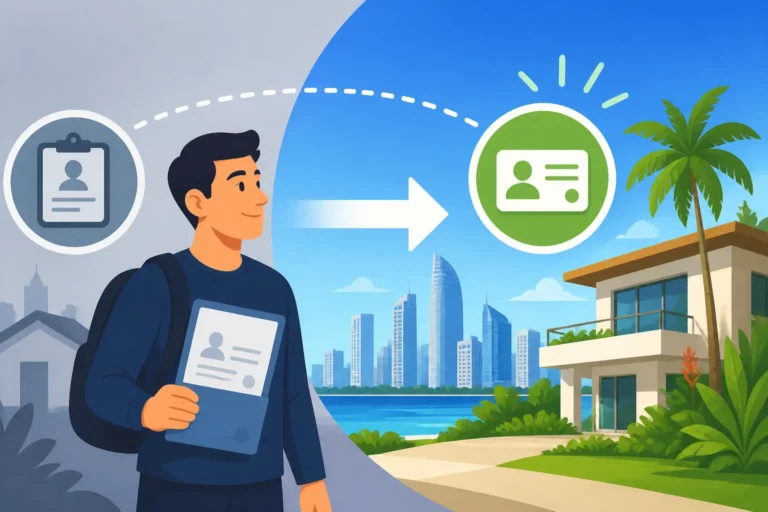
For many expats, temporary residency isn't the final destination but rather a stepping stone towards permanent status. The transition process is a formal application, not an automatic upgrade. It typically involves demonstrating that the conditions under which your temporary residency was granted are still met, and often, that you have further solidified your ties to Panama. This means showing continued economic activity, employment, or adherence to the investment criteria of your initial visa. It's about proving you're here to stay, not just for a fleeting visit. The immigration authorities want to see a genuine and sustained commitment.
This transition period can feel like another bureaucratic hurdle, but it's a necessary step. For instance, if you entered on a Friendly Nations Visa, after your initial two years of temporary residency, you will apply to convert it to permanent. This usually requires updated financial statements, proof of continued employment or business activity, and new background checks. It’s vital to begin preparing these documents well in advance of your temporary visa's expiration, allowing ample time for any unforeseen delays or requests for additional information from immigration authorities. Procrastination here is a recipe for frustration and potential legal complications.
Key Requirements and Documentation for Conversion
The specific documents needed for conversion will largely depend on the temporary visa you currently hold. However, some common requirements include:
- Updated Criminal Background Checks: Often required from both your home country and Panama, ensuring you've maintained a clean record.
- Proof of Continued Economic Solvency: Bank statements, business registration, or employment letters showing ongoing financial stability and that you're not a burden on the state.
- Health Certificate: A current medical examination from a Panamanian doctor, confirming your good health.
- Valid Passport and Temporary Residency Card: Copies of all pages, current and previous, to show your legal stay.
- Original Application Documents: Sometimes you'll need to resubmit certain originals or certified copies from your initial temporary application, so keep meticulous records from the start.
- Lawyer Representation: As always, a Panamanian immigration lawyer is indispensable for guiding you through the precise documentation, ensuring everything is in order and submitted correctly.
It's not uncommon for the immigration department to ask for additional documents or clarifications, a common frustration for many of us. Being prepared, having organized records, and working closely with your lawyer can significantly streamline this process. Remember, the goal is to present an undeniable case for your long-term commitment to Panama, showing consistency and compliance throughout your temporary stay.
Timelines and Potential Challenges
The timeline for transitioning from temporary to permanent residency can vary widely. While some cases might be processed within a few months, others can take six months to a year, or even longer, depending on the volume of applications at the National Immigration Service, the completeness of your dossier, and any specific requests from immigration officials. Patience, as with all things bureaucratic in Panama, is a virtue. Trying to rush the process or expecting immediate results will only lead to more anxiety.
Challenges often arise from incomplete documentation, minor discrepancies, or simply the slow pace of governmental processing. Language barriers can also be an issue if you're not fluent in Spanish, making clear communication with officials difficult without a lawyer's assistance. Planning for potential delays and having contingency funds for unexpected costs or extended stays is always wise. It's a journey, not a sprint, and managing expectations is crucial for maintaining your sanity during the process. Having a good support system, including a reliable legal team, can make all the difference.
Choosing the Right Residency Path for You
Deciding which residency path to pursue in Panama is a deeply personal choice, intertwined with your aspirations, financial situation, and long-term vision for your life abroad. It’s not a one-size-fits-all decision, and what works for one expat might be entirely unsuitable for another.
Short-Term vs. Long-Term Goals
Deciding between temporary and permanent residency fundamentally comes down to your personal goals and how long you envision yourself in Panama. If you're exploring the country, perhaps on a trial basis, or have a specific short-term project (like a contracted job for a year or two), then a temporary visa like the initial Friendly Nations or an employment visa might be the perfect fit. It offers flexibility without the extensive commitment and upfront costs associated with permanent status. This allows you to "try before you buy" into the Panamanian lifestyle, giving you a chance to truly experience daily life without the pressure of a permanent decision.
However, if you're planning to make Panama your forever home, raise a family, retire, or establish a long-term business, then setting your sights on permanent residency from the outset is usually the most strategic move. It provides the stability, deeper rights, and clearer path to citizenship that long-term residents seek. Consider your personal finances, family situation, and professional aspirations. Do you plan to invest in Panamanian stocks or bonds as a foreigner, or simply enjoy a laid-back retirement? Your answers will guide your choice, ensuring your residency path aligns with your ultimate destination.
Financial Commitments and Investment Considerations
Both temporary and permanent residency options come with financial implications. Temporary visas often have lower initial costs but require periodic renewal fees and possibly renewed legal assistance. Permanent residency, especially through investment programs like the Qualified Investor Visa, demands a substantial upfront capital commitment (e.g., in real estate or a bank deposit). Even pathways like the Pensionado Visa require proof of a guaranteed minimum income. You must carefully assess your financial readiness for either path, looking beyond just the application fees.
Beyond the direct visa costs, consider your broader financial planning. Will you need to know how to transfer money into and out of Panama as an expat? What about the cost of private health insurance in Panama in 2026? If you are relying on public healthcare, ensure your residency status allows for it. For comprehensive health coverage, especially for those looking for international options that cover them globally and locally, brands like Cigna Global are often considered, which might be a significant financial consideration. These decisions need to align with your overall financial strategy and comfort level, as unexpected costs can quickly derail your expat dream.
Seeking Professional Legal Guidance
I cannot stress this enough: do not attempt to navigate Panama's immigration system without professional legal assistance. It's a complex, ever-evolving landscape, and what might seem straightforward on paper can have numerous unwritten rules or procedural quirks. A reputable Panamanian immigration lawyer will be your most valuable asset, helping you understand the nuances of each visa category, prepare your documentation accurately, and represent you before the National Immigration Service. They know the current regulations, the common pitfalls, and how to best present your case, saving you immense time and frustration.
While legal fees are an additional cost, consider them an essential investment in your future and peace of mind. Trying to save money by going it alone often leads to delays, rejections, and ultimately, more expense and frustration. Ask for recommendations, interview several lawyers, and choose someone with a proven track record of helping expats successfully secure their residency in Panama. Their expertise is invaluable for understanding how to move to Panama legally from abroad effectively and efficiently.
Maintaining Your Residency Status in Panama
Obtaining residency in Panama, whether temporary or permanent, is a significant achievement. However, the journey doesn't end there. Staying compliant with Panamanian laws and immigration regulations is crucial to retaining your status and ensuring a smooth, stress-free life in your new home.
Renewal Processes and Staying Compliant
Whether you have temporary or permanent residency, understanding the maintenance requirements is crucial. For temporary residents, this means being acutely aware of your visa's expiration date and initiating the renewal process well in advance. This usually involves resubmitting updated documents, paying fees, and proving continued eligibility for that specific visa category. Falling out of status, even for a short period, can lead to fines and complications for future renewals or applications. The government isn't very forgiving when it comes to expired documents, so set reminders and act proactively.
Even permanent residency isn't entirely "set it and forget it." While the status itself is indefinite, your physical cédula (resident ID card) has an expiry date, and you'll need to renew it periodically. This process is generally simpler than a full visa renewal but still requires attention. Furthermore, certain permanent residency types might have conditions, such as maintaining an investment or not being absent from Panama for excessively long periods. Staying compliant means knowing these rules and adhering to them meticulously. How to renew your residency in Panama provides more specific steps on keeping your documentation current.
Understanding Absences from Panama
A common concern for expats with residency is how long they can be absent from Panama without jeopardizing their status. For temporary residents, long absences might raise questions during renewal about your genuine intent to reside in Panama. For permanent residents, while the rules are more lenient, there are still guidelines. Generally, for most permanent residency types, you should not be absent for more than two consecutive years. Exceeding this limit without prior authorization from immigration could lead to the revocation of your permanent residency. This is a critical point that many expats overlook, often to their detriment.
This isn't just an arbitrary rule; it's designed to ensure that those holding permanent residency truly intend to live in and contribute to Panama. If you foresee a longer absence due to family emergencies, work, or other circumstances, it is absolutely vital to consult with your immigration lawyer. They can advise on whether you need to apply for special permits to extend your allowable absence or take other steps to protect your status. Don't take chances here; protecting your residency is paramount. Understanding how to maintain your permanent residency in Panama can offer deeper insight into these crucial regulations.
Obligations and Responsibilities as a Resident
Beyond simply maintaining your visa, being a resident of Panama comes with certain obligations. This includes adhering to Panamanian laws, paying local taxes (on Panama-sourced income), and respecting local customs. For example, if you are employed, you will be contributing to the CSS. If you own property, you'll need to pay property taxes. Understanding your fiscal responsibilities is as important as your immigration status. The complete guide to taxes in Panama for expats (2026) is a vital read here, as Panama's territorial tax system can be a pleasant surprise for many, but still requires proper reporting for local income.
Furthermore, you are expected to respect the local culture and be a good member of the community. While not a legal requirement for residency maintenance, it's essential for your own successful integration and enjoyment of life here. Embracing the language, participating in local events, and understanding the nuances of Panamanian society will enrich your experience immeasurably. Remember, you're not just living in Panama; you're becoming a part of it, and actively engaging with your new home makes the entire experience far more rewarding.
Important Disclaimer
Please remember, the information provided in this guide is for general informational purposes only and does not constitute legal, financial, or immigration advice. Panama's immigration laws and regulations can change, and individual circumstances vary greatly. While I strive to provide accurate and up-to-date information based on my experiences and research, it is absolutely essential to consult with a qualified Panamanian immigration lawyer and financial advisor for personalized advice regarding your specific situation before making any decisions related to your residency or financial planning in Panama.