How to Move from Provisional to Permanent Residency in Panama
Oh boy, moving from provisional to permanent residency in Panama. If you’re reading this, you’ve likely already navigated the initial labyrinth of getting your temporary status, and now you're facing what feels like another mountain to climb. The journey to fully settling in Panama can feel like a bureaucratic marathon, filled with paperwork, waiting games, and moments where you wonder if you’ve forgotten a single stamp. This guide is here to demystify the process, offering a realistic, step-by-step walkthrough to transform your provisional status into the coveted permanent residency, helping you avoid common pitfalls and frustrations.
Understanding Provisional Residency: A Stepping Stone
When you first arrive in Panama and apply for most residency visas, you'll typically be granted a provisional residency. Think of it as a trial period, usually lasting for one to two years, depending on the specific visa program you're on. This isn't just a waiting game; it's a critical phase where you need to adhere to certain conditions and maintain your eligibility for the next big step: permanent residency. Many expats often underestimate this phase, assuming it's merely a formality, but that couldn't be further from the truth.
The Purpose and Limitations of Provisional Status
Provisional residency is essentially the Panamanian government's way of allowing you to establish yourself, demonstrate your commitment to living here, and ensure you continue to meet the requirements of your visa. For instance, if you came under the Friendly Nations Visa (pre-2021 rules) or through an employment-based visa, this period allows them to confirm your employment is stable or your business is active. During this time, you’ll receive a temporary residency card, which serves as your official identification. It proves your legal status, but it doesn't grant you all the same rights as a permanent resident. For example, some banks might still be a little more hesitant with certain loan products, or your Cedula (national ID card) might have an expiration date tied to your provisional status.
It’s easy to feel a bit "in-between" during this phase. You’re not a tourist, but you're not fully "settled" either. The provisional card often has a bright color, making it visually distinct from the long-term Cedulas. This might mean an extra glance from officials at banks or immigration checkpoints. While you can certainly travel in and out of the country with your provisional residency and valid passport, it's always wise to ensure your provisional card is not nearing its expiration date before planning any trips. Imagine getting stuck abroad because your card expires in a week and you didn't realize the renewal process takes time – a classic expat headache!
Typical Duration and Renewal Procedures
Most provisional residencies in Panama are granted for one year. However, certain programs, like the Pensionado Visa (Retired Persons Visa), initially offer a permanent residency directly, bypassing this provisional step altogether. For those on a provisional track, after your initial year, you'll generally apply for an extension for a second year. This is not automatic, and you'll typically need to resubmit some documents to prove your continued eligibility. This might include updated police records, proof of continued employment, or confirmation of funds, depending on your visa type.
This renewal for a second provisional year often involves a smaller document load than your initial application, but don't get complacent. It's still a formal process with fees, and missing deadlines can lead to fines or complications. Always work closely with your immigration lawyer during this period, as they'll guide you on exactly which documents are needed for your specific visa category. They're your lifeline in this bureaucratic sea. After successfully completing your one or two years of provisional residency, you become eligible to apply for permanent residency. It’s important to stay on top of your timeline, as any lapse in your legal status can complicate your application for permanent residency. This is a common stress point for many expats, so planning ahead is key.
Eligibility for Permanent Residency in Panama
Transitioning to permanent residency isn't a guaranteed automatic upgrade. You need to meet specific criteria, which are largely tied to the type of provisional visa you initially obtained. This is where your chosen path to Panama truly matters, as each route has its own set of requirements and timelines. Knowing these well in advance will save you a lot of grief and prevent last-minute scrambles.
Different Paths to Permanent Residency
Panama offers several avenues to permanent residency, and your provisional status dictates which one applies to you.
The Friendly Nations Visa, for example, which was a very popular route, previously allowed for direct permanent residency for citizens of certain countries who established economic ties (like a Panamanian company or employment). While the rules changed in 2021, those who applied under the old regime would move from provisional to permanent after one year. The updated Friendly Nations Visa now usually grants a two-year provisional residency before allowing an application for permanent status, often requiring a new employment contract or demonstrating substantial investment.
Another common path is through employment visas. If you came to Panama on a work permit sponsored by a company, your provisional residency is tied to that employment. To upgrade to permanent status, you'll need to demonstrate continuous, legitimate employment with that same company or potentially another if you’ve legally changed sponsors. The government wants to see that you are genuinely contributing to the Panamanian economy. Then there's the Qualified Investor Visa (often referred to as the Golden Visa), where substantial investment in real estate, a reforestation project, or a bank deposit can fast-track you to permanent residency after a shorter provisional period, sometimes even offering immediate permanent residency depending on the investment amount. Each of these paths has its own intricate requirements, making it crucial to understand the specifics of your initial visa and its permanent residency path.
Maintaining Eligibility and Avoiding Pitfalls
One of the biggest mistakes expats make is assuming that once they have provisional residency, they can relax. Not so! Maintaining your eligibility is paramount. For employment visas, this means staying employed with a Panamanian company and ensuring your work permit remains valid. If your employment ceases, your provisional residency status can be jeopardized, which will absolutely derail any hopes of permanent residency. For those on visas requiring a certain level of economic activity, such as the Friendly Nations Visa (under old rules) or entrepreneurial visas, you must ensure your business remains active and compliant with Panamanian tax and labor laws. This means filing your taxes, paying your social security contributions, and renewing any necessary business licenses.
Regularly consulting with your immigration lawyer is not just a recommendation; it's a necessity. They will ensure you're aware of any changes in immigration law that might affect your status. A common pitfall is letting your passport expire or not renewing it in time, which can create significant delays. Remember, your residency is tied to your valid passport. Another issue can be neglecting minor administrative steps, such as updating your address with immigration if you move. These seem small, but they can come back to bite you. Always keep clear, organized records of all your documents, payments, and communications with the immigration office. I can't stress this enough: a binder with all your original documents and copies, neatly organized, will be your best friend.
The Application Process for Permanent Residency
Once your provisional period is almost up, it’s time to gear up for the final push: the application for permanent residency. This stage, while familiar in some ways due to your provisional application experience, still requires meticulous attention to detail and patience. You’re essentially proving again that you are a suitable candidate for long-term settlement in Panama.
Initial Steps and Document Gathering
The very first step is to engage your immigration lawyer well in advance of your provisional residency card's expiration date. I’m talking months, not weeks. They will provide you with an updated list of required documents for your specific visa type. Many of these will be similar to what you provided for your provisional application, such as certified copies of your passport, a criminal background check (often from both your home country and Panama), and an affidavit of financial solvency. You'll likely also need proof that you maintained the conditions of your provisional visa throughout its term.
For example, if you obtained your provisional residency through the employment visa, you’ll need updated letters from your employer, copies of recent pay stubs, and proof of your contributions to the Caja de Seguro Social (CSS). If your visa required a Panamanian bank account with a certain balance, expect to provide recent bank statements. Gathering these documents can be time-consuming, especially if some need to be apostilled from your home country. This is where a reliable international moving service like Sirelo can be incredibly helpful for sourcing any documents or managing logistics from back home, minimizing your stress levels during this period.
Submitting Your Application and Awaiting Approval
Once all your documents are gathered, translated if necessary, and properly apostilled or authenticated, your lawyer will compile the complete application package. They will then submit it to the National Immigration Service (SNM) in Panama City. At the time of submission, you will need to pay government fees, which can vary depending on your visa category. Be prepared for these fees and factor them into your budget. After submission, you'll receive a receipt and often an appointment for your biometric data (fingerprints and photo) if it’s required again.
The waiting game begins again, much like when you first applied for provisional residency. Processing times can vary significantly, from a few months to over a year. There's no fixed timeline, and it can be frustrating not knowing exactly when you'll get that call. Your lawyer will be your primary point of contact for updates. During this period, it’s crucial not to travel outside Panama without first consulting your lawyer, especially if your provisional card is nearing or has passed its expiration date. You might be issued a special permit to remain in the country while your application is under review, but leaving without one could lead to re-entry issues. This waiting period is a test of patience, but remember that many have gone through it and emerged with their permanent residency in hand. It’s part of the Panamanian experience.
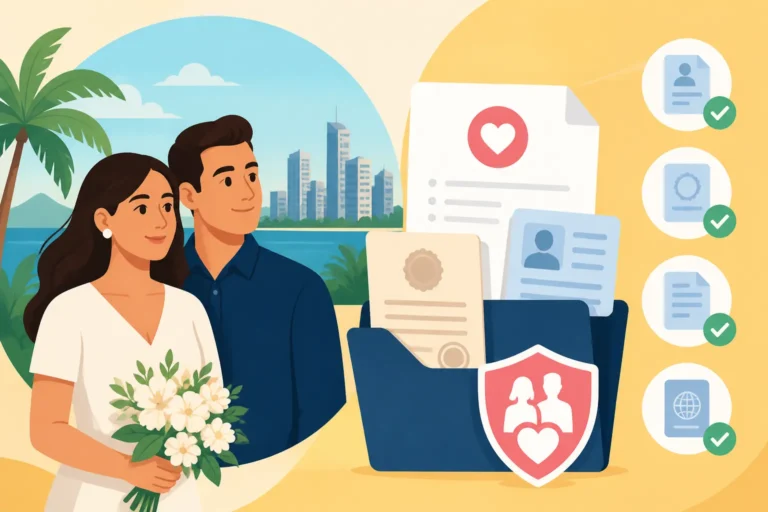
Essential Documents for Your Permanent Residency Application
The success of your permanent residency application hinges on presenting a complete and accurate set of documents. Even a minor omission or error can cause significant delays, sending you back to square one or facing a dreaded rejection. Understanding precisely what's required and why is crucial to navigating this process smoothly.
Key Documents and Their Specific Requirements
While the exact list of documents can vary slightly based on your initial visa category, there’s a core set that almost everyone needs.
- Valid Passport and Notarized Copies: You’ll need a passport with at least six months of validity remaining, along with several notarized copies of all pages (yes, all of them, even the blank ones – it's Panama!). Make sure your passport matches all other documents exactly.
- Original Criminal Background Check: This is typically required from your country of origin and any other country where you’ve resided for a significant period (usually two years or more) in the last five years. These need to be apostilled or authenticated by a Panamanian consulate. You’ll also need a Panamanian police report, which your lawyer will help you obtain. The Panamanian report is processed locally and verifies that you haven't committed any crimes while living here.
- Medical Certificate: A recent health certificate from a licensed Panamanian doctor, confirming you are in good health and free of contagious diseases. This is a standard check-up, usually quite simple.
- Eight Passport-Sized Photos: These need to meet specific requirements (usually white background, no glasses, specific dimensions). Have a few extra on hand.
- Sworn Statement of Personal Background: Your lawyer will draft this for you. It's a formal declaration about your personal history and intentions in Panama.
- Proof of Financial Solvency: This is a big one. Depending on your visa, this could mean bank statements, a letter from your employer stating your salary, or proof of a pension. The immigration department wants to ensure you can support yourself without becoming a burden on the state. For some visa types, maintaining a minimum balance in a Panamanian bank account is crucial.
- Proof of Provisional Residency Maintenance: This will demonstrate that you fulfilled the conditions of your temporary status. For example, if your provisional visa required an active employment contract, you'll need updated letters from your employer, recent pay stubs, and proof of CSS contributions. If you came under a business-related visa, you'll need proof of your company's continued operation and tax compliance. This is where all those documents you've been diligently collecting during your provisional period come into play.
A useful table comparing the typical documents for initial provisional residency vs. permanent residency can highlight what you might already have and what needs to be updated or re-obtained:
| Document Type | Provisional Residency (Initial Application) | Permanent Residency (After Provisional Period) |
|---|---|---|
| Passport Copies | Notarized copies of all pages | Updated notarized copies if passport expired/renewed |
| Criminal Background Check | Original, apostilled from home country | New original, apostilled from home country + Panama Police Report |
| Medical Certificate | Original from Panamanian doctor | New original from Panamanian doctor |
| Photos | 8 passport-sized | 8 new passport-sized |
| Sworn Statement | Required | Required |
| Financial Solvency | Bank statements, employment letter, pension proof | Updated bank statements, employment letter, pension proof |
| Proof of Visa Condition Maint. | Initial application criteria | Proof of continuous compliance (e.g., pay stubs, business activity) |
| Marriage Certificate (if applicable) | Original, apostilled | Copy (original usually submitted initially) |
| Birth Certificates (if applicable) | Original, apostilled | Copy (original usually submitted initially) |
Importance of Apostille, Translations, and Notarization
Understanding the difference between an apostille, translation, and notarization is vital. An apostille is a certification issued by a government (usually foreign affairs or justice department) that authenticates the origin of a public document (e.g., birth certificate, police record) for use in other countries that are part of the Hague Apostille Convention. Panama is a signatory, so most foreign public documents will need an apostille from their country of origin. Without it, your document is just a piece of paper to the Panamanian authorities.
Translations are necessary if your original documents are not in Spanish. These must be official translations performed by a certified public translator in Panama, not just any bilingual person. The translator will stamp and sign the document, giving it legal weight in Panama. Trying to save a few bucks with an unofficial translation is a guaranteed way to get your application rejected.
Finally, notarization in Panama means that a notary public verifies the authenticity of a copy of an original document. For example, you’ll present your original passport to a Panamanian notary, and they will certify a copy of it, stating that it’s a true copy of the original. This process is standard for almost every document you submit to immigration. Your lawyer will guide you through this, but be prepared for multiple trips to the notary. This seemingly endless paper trail is just the reality of doing business with the Panamanian government. It’s annoying, yes, but it’s the system.
Common Challenges and How to Overcome Them
The path to permanent residency in Panama, while well-trodden by many expats, is rarely without its bumps and detours. From unexpected bureaucratic delays to dealing with specific document issues, being prepared for challenges can make the process significantly less stressful. Knowing what to expect allows you to mitigate potential problems before they arise.
Bureaucratic Hurdles and Delays
Let’s be frank: Panamanian bureaucracy can feel like a tangled web. Things move at their own pace, and that pace is often slower than what many expats are accustomed to. Processing times are estimates, not guarantees, and can be influenced by everything from staffing levels at the National Immigration Service to national holidays or even internal policy changes. You might find that your application sits in a "pending" status for longer than expected, or you might be asked for additional documents months after your initial submission. This isn't necessarily a sign that something is wrong; it's often just the way the system works here.
One common frustration is the lack of direct communication. The immigration department rarely proactively informs applicants of their status. This is where your immigration lawyer becomes invaluable, as they have direct lines of inquiry and experience in following up. Don't constantly pester your lawyer for updates; they are doing their best to get information. Trust their process. During these periods of waiting, it’s also crucial to ensure your personal documentation, like your passport, remains valid. If your passport expires during the processing of your permanent residency, you'll need to submit updated copies, adding another layer of complexity and potential delay. This is why many expats choose to renew their passport well in advance of its expiry.
Addressing Document Issues or Rejections
Despite your best efforts, sometimes a document might be deemed insufficient, or worse, your application might face a temporary rejection. This can be incredibly disheartening, but it's not always the end of the road. Common reasons for document issues include:
- Expired documents: Criminal background checks or medical certificates that are too old.
- Incorrect apostille/authentication: The apostille wasn't done correctly in your home country or wasn't translated properly.
- Missing translations: A document in English (or another language) was submitted without an official Spanish translation.
- Inadequate proof of funds/activity: The financial statements or business activity presented don't meet the specified thresholds for your visa category.
If you encounter a request for clarification or an impedimento (an objection or impediment), your lawyer will be notified and will guide you on how to rectify the issue. This typically involves providing the missing or corrected document. Sometimes, it might require a sworn statement explaining a particular situation. It's critical to address these issues promptly, as there are usually deadlines for responding. Don't ignore them, hoping they'll go away! While a full rejection is rare for well-prepared applications, if it does happen, your lawyer can advise on the possibility of an appeal or reapplying. This scenario underscores the importance of a skilled and experienced immigration lawyer who understands the nuances of Panamanian law and can skillfully represent your case.
Life After Obtaining Permanent Residency in Panama
Congratulations! You’ve endured the administrative marathon, scaled the mountain of paperwork, and emerged victorious with your permanent residency. This isn't just a new card; it's a significant milestone that changes your relationship with your adopted country. You’ve officially earned your long-term place in Panama.
The Benefits of Permanent Status
With permanent residency, you gain a new level of stability and integration into Panamanian society. The most tangible benefit is often the issuance of your Cedula E (Cedula de Extranjero), the national identification card for foreigners with permanent residency. This card is valid for 10 years and simplifies many aspects of daily life. No more fumbling for your passport and provisional residency card everywhere you go! The Cedula is recognized universally within Panama – for banking, domestic travel, proving your identity, and accessing services.
Beyond the convenience, permanent residency offers a greater sense of security. You no longer have to worry about renewing your status every year or two, freeing up mental space and financial resources. You have more robust work rights, no longer solely tied to a single employer (though some visas may still have initial work restrictions that eventually lift). This opens up opportunities for entrepreneurship, different job roles, or even semi-retirement plans. Furthermore, permanent residency is a prerequisite for eventually applying for Panamanian Citizenship: How to Naturalise After Residency, should you choose to pursue that path after several years. It truly signifies that Panama is your long-term home.
Maintaining Your Permanent Residency
While "permanent" implies forever, there are still responsibilities you need to uphold to maintain your status. The most critical is understanding the requirements for physical presence in Panama. While you won't lose your residency just by taking an extended vacation, generally, it's advisable not to be absent from Panama for more than two consecutive years. Extended absences without a valid reason (like a medical emergency or work assignment abroad, documented and approved by immigration) could lead to questions about your intent to reside permanently. For some programs, even shorter periods might raise eyebrows. It's always best to consult with your lawyer if you anticipate a very long absence. They can advise you on Understanding How to Maintain Your Permanent Residency in Panama.
You’ll also need to renew your Cedula E every ten years. This is a far simpler process than obtaining your initial residency, usually involving updated photos, a local police check, and payment of fees, but it's still a formal step. Additionally, you are expected to continue abiding by Panamanian laws and fulfill your tax obligations. Just like Panamanian citizens, permanent residents must file annual income tax returns with the Dirección General de Ingresos (DGI) if they have Panama-sourced income. Keeping up with these responsibilities ensures that your hard-earned permanent residency remains valid and hassle-free for years to come. This new status is a testament to your resilience and commitment to making Panama your enduring home.
The Role of a Panamanian Immigration Lawyer
Trying to navigate the Panamanian immigration system on your own is like trying to cross the Amazon River in a rowboat without a paddle. It’s technically possible, but why would you put yourself through that? A good immigration lawyer in Panama is not just a luxury; they are an absolute necessity for expats seeking residency, provisional or permanent. They are your guide, your advocate, and your translator in a system that can often feel opaque and daunting.
Why Legal Counsel is Indispensable
Panamanian immigration law is complex and subject to frequent changes. What might have been true last year could be different this year. Relying on outdated information from online forums or well-meaning expat friends (myself included, though I strive for accuracy!) can lead to costly mistakes and significant delays. An experienced immigration lawyer is abreast of the latest legal developments, understanding the nuances of each visa category and the precise requirements for each step, including the move from provisional to permanent residency. They know the unwritten rules, the specific preferences of certain immigration officials, and the common pitfalls that can snag an application.
They handle the heavy lifting, from preparing and reviewing all your documents to submitting your application, following up with the immigration authorities, and representing you in any necessary hearings or appeals. Critically, they also act as your formal point of contact with the National Immigration Service. This means all official correspondence goes through them, protecting you from potential miscommunications due to language barriers or unfamiliarity with legal jargon. They are there to manage expectations, calm your nerves, and provide realistic timelines, preventing you from agonizing over every perceived delay. Think of them as your personal Sherpa guiding you up Mount Residency.
Choosing the Right Legal Partner
Selecting the right immigration lawyer is a decision that shouldn't be rushed. Not all lawyers specialize in immigration, and even among those who do, their experience and reputation can vary widely. Here are a few tips for finding your perfect legal partner:
- Look for Specialization: Ensure the lawyer or firm has a strong track record specifically in immigration law and has successfully helped expats transition to permanent residency.
- Seek Referrals: Ask other long-term expats for recommendations. Word-of-mouth from someone who has successfully navigated the process is gold.
- Transparent Fees: Get a clear breakdown of their legal fees and any associated government costs upfront. A reputable lawyer will be transparent about all expenses. Be wary of anyone promising impossibly quick timelines or unusually low prices.
- Communication Style: Choose a lawyer with whom you feel comfortable communicating. They should be responsive, able to explain complex legal concepts in plain English, and empathetic to your situation. Remember, you’ll be working closely with them for an extended period.
- Experience with Your Visa Type: If you came in on a specific visa like the Friendly Nations or a specific employment visa, ask if they have extensive experience with that particular path to permanent residency.
Many reputable firms in Panama City cater to expats, and finding one that aligns with your needs will make the journey from provisional to permanent residency far less daunting. They understand that while for them it's routine, for you, it's a life-changing process.
Costs and Timelines Associated with Permanent Residency
Let's talk brass tacks: what's this whole process going to cost you, and how long can you expect to wait? While Panama offers a generally affordable cost of living compared to many Western countries, obtaining residency is an investment. It’s essential to budget accurately and mentally prepare for the timeline.
Breaking Down the Financial Investment
The costs for transitioning from provisional to permanent residency can be broken down into several categories:
- Government Fees: These are fixed fees paid directly to the National Immigration Service. They typically include application fees, Cedula issuance fees, and sometimes repatriation fees (a bond that theoretically covers your flight home if you ever needed to be deported, though it’s rarely used). These fees can range from a few hundred dollars to over a thousand, depending on the visa category and whether you’re including dependents. For example, when applying for permanent residency under a standard employment visa, expect government fees for the main applicant to be around $1,000-$1,500 USD, with additional costs for each dependent.
- Legal Fees: This is often the most significant component. Immigration lawyers charge for their expertise, document preparation, submissions, and follow-ups. These fees can vary widely depending on the firm's reputation and the complexity of your case, but for the transition to permanent residency, you might expect to pay anywhere from $1,500 to $4,000+ for the main applicant, with additional (lower) fees for dependents. Always get a clear, itemized quote.
- Document Costs: Don't forget the smaller, cumulative costs for obtaining documents:
- Apostille fees: Typically $20-$50 per document in your home country.
- Translation fees: Can range from $25-$75 per page, depending on the document length and complexity.
- Notarization fees: A few dollars per document copy in Panama.
- Police checks: Fees vary by country, often $50-$100.
- Medical certificate: Around $25-$50 for the consultation.
- Photos: $5-$10 per set.
These "smaller" costs can quickly add up, so factor in a buffer. Overall, for a single applicant transitioning from provisional to permanent residency, a realistic total budget, including all fees, could range from $3,000 to $6,000 USD. For families, these costs will increase with each dependent. Consider these costs as an investment in your long-term peace of mind and legal standing in Panama. It’s also wise to consider private health insurance options like Cigna Global to ensure you have comprehensive coverage while you reside here, regardless of your residency status.
Realistic Timelines for the Process
As mentioned, processing times in Panama are not always predictable, but we can give you a realistic range based on common experience.
- Document Gathering Phase: This largely depends on your efficiency and how quickly you can get documents from your home country, especially those requiring an apostille. Allow 1-3 months for this, especially if international mail or government agencies are involved.
- Application Submission to Provisional Cedula (if applicable) or Resolution: Once your complete package is submitted, the waiting begins. For the transition to permanent residency, the official review process can take anywhere from 6 months to 18 months, or even longer in some cases. This timeframe can fluctuate due to the volume of applications, staffing levels at immigration, or specific complexities of your case.
- Cedula Issuance: Once your permanent residency is approved, you’ll typically receive an appointment to get your Cedula E. This usually happens within a few weeks of approval.
It's crucial to understand that these are general estimates. Your lawyer will be the best source of information regarding current processing times for your specific visa type. The key is patience and persistent follow-up through your legal counsel. Don't plan any critical life events (like purchasing major assets or needing to travel extensively) based on optimistic processing times. Build in a buffer and approach the timeline with a flexible mindset. The process takes time, but the reward of a stable, long-term life in Panama is well worth the wait.
Disclaimer
Please remember that I am an expat lifestyle blogger, not a legal professional. The information provided in this guide is based on general knowledge, personal experience, and publicly available information regarding immigration laws in Panama as of 2026. Immigration laws are complex and subject to change. This content is intended for informational purposes only and does not constitute legal advice. You should always consult with a qualified Panamanian immigration lawyer for advice tailored to your specific situation and for the most up-to-date information. Relying solely on information from this blog without professional legal counsel is done at your own risk.