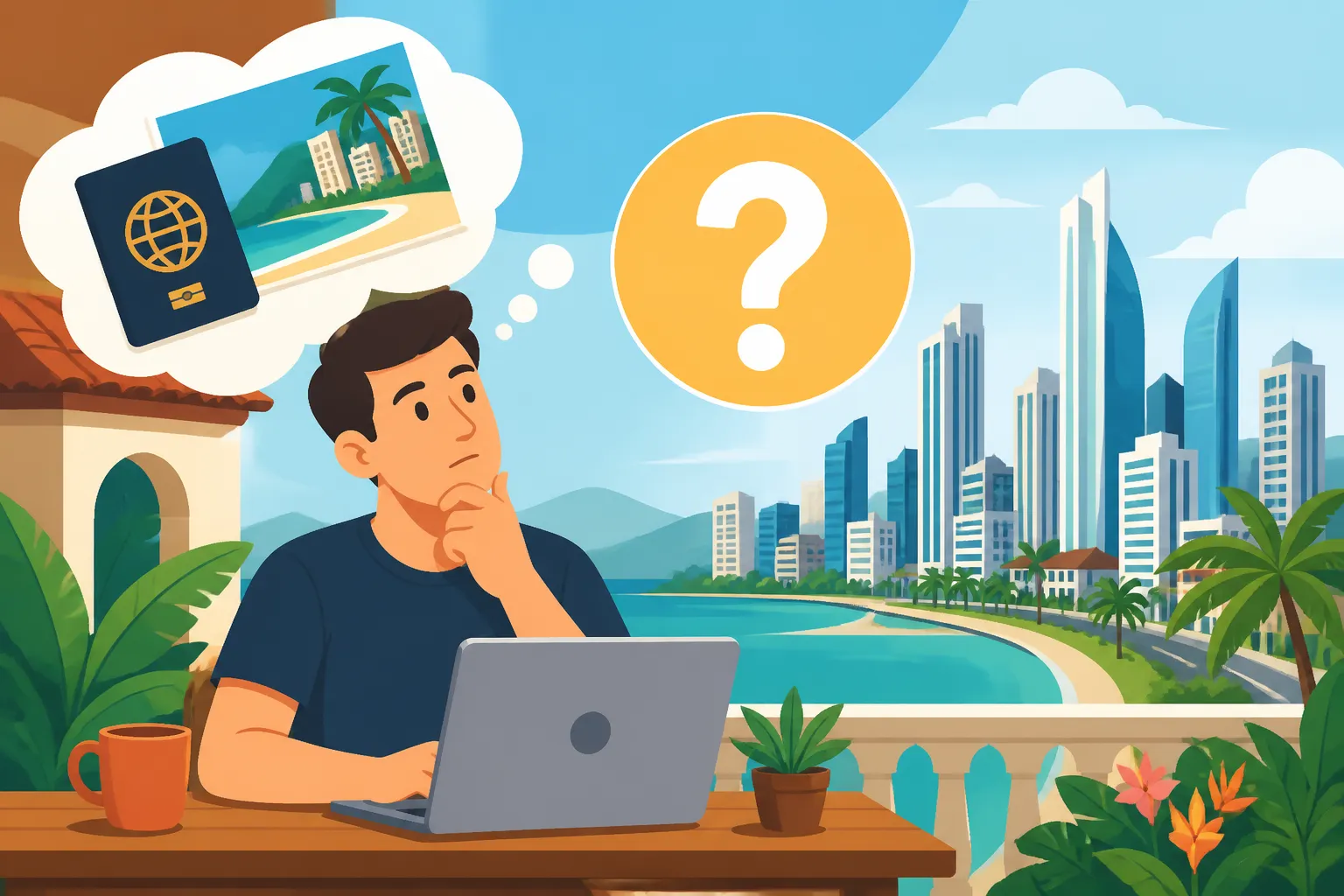
Can I Work Remotely in Panama on a Tourist Visa?
Oh, the age-old question that every single one of us has probably pondered, or even quietly attempted, when we first dreamt of working from a sun-drenched cafe or a breezy balcony here in Panama! It sounds idyllic, doesn't it? Set up your laptop, sip a freshly brewed café con leche, and knock out your work while the sounds of the city or the jungle hum in the background. But let me tell you, while the dream is absolutely achievable in Panama, the path to doing it legally and without a gnawing sense of anxiety is a little more nuanced than simply showing up on a tourist visa. This guide is going to peel back the layers of this common expat dilemma, explaining why a tourist visa isn't your long-term remote work ticket, what risks you're truly taking, and, most importantly, the legitimate avenues available to make your Panamanian remote work fantasy a sustainable reality.
The Allure of Remote Work in Panama (and the Tourist Visa Reality)
Panama truly is a captivating place. The vibrant culture, the relatively low cost of living compared to North America or Europe, the incredible biodiversity, and, let's be honest, the strategic location and reliable internet in urban centers all make it a magnet for those looking to ditch the grey cubicle life. It’s no wonder so many of us eyed Panama as the perfect backdrop for our remote careers. But just because your office is now a beach chair, doesn't mean the local laws magically disappear.
Panama's Digital Nomad Dream vs. Immigration Law
When you're working remotely for a company back home or running your own online business, it often feels like you're not really working in Panama, right? You're not taking a job from a Panamanian, you're not paying local taxes (on foreign-sourced income, at least – we'll get into that in another post, but check out Understanding Why Foreign Income Is Not Taxed in Panama (2026) for a deep dive), and your clients are all abroad. This common line of thinking creates a pervasive misconception: "If my income isn't Panamanian, then my remote work isn't subject to Panamanian immigration rules."
I've heard this a hundred times, and honestly, many of us arriving here had a similar thought process initially. It feels logical on the surface. However, Panama's immigration laws, much like those in many other countries, focus on the activity you are undertaking while on their soil, not just the source of your income or your employer's location. If you are regularly engaging in an economic activity – even if it's online – that is generating income and supporting your stay, Panamanian immigration authorities can view that as work. This is where the tourist visa can become a bit of a tightrope walk.
What a Tourist Visa Actually Allows You To Do
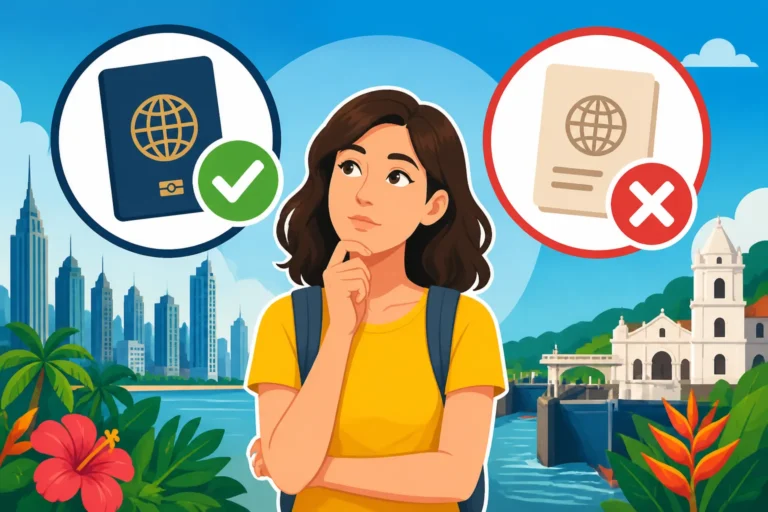
A tourist visa, or the typical 90-180 day stamp many nationalities receive upon entry (depending on your passport, always check the specifics for your country), is exactly what it sounds like: it's for tourism. It's for visiting the incredible Panama Canal, exploring the historic Casco Viejo, hiking in Boquete, or simply enjoying the beaches of Bocas del Toro. It allows you to enter the country, enjoy its wonders, and then leave.
What it absolutely does not allow you to do is engage in any form of gainful employment or sustained economic activity that supports your stay. Think of it this way: if you're pulling out your laptop for an hour or two a day to answer a few emails from your actual job back home, that's generally considered incidental and unlikely to cause issues. You're a tourist who happens to have a very minor work commitment. But if you're here for months, clocking in 40 hours a week, participating in regular video calls, managing projects, and actively running your business from Panamanian soil, you're performing the functions of an employee or business owner. This is where the distinction blurs, and you step firmly into a grey area that can quickly turn black. You're no longer just visiting; you're effectively living and working here, albeit remotely, and that requires a different kind of visa.
The Fine Print: Why "Working Remotely" Isn't Always a Grey Area
This is where it gets real, folks. Panama is generally welcoming, but like any sovereign nation, it has rules to protect its labor market and maintain control over who resides and works within its borders. Ignoring these rules, even with the best intentions, can lead to serious headaches.
Understanding "Gainful Employment" in Panama
Panamanian immigration law considers "gainful employment" broadly. It’s not just about who signs your paycheck or where that money lands. It's about the consistent, purposeful activity of earning a livelihood while physically present in Panama.
Let's illustrate with a couple of hypothetical scenarios that are all too common:
- Scenario 1: The Incidental Email Checker. Imagine you're here for a two-week vacation, truly soaking up the Panamanian experience. You're exploring the San Blas Islands, then spending a few days in Panama City. Maybe you spend an hour each morning checking critical work emails from your job in New York, just to keep things ticking over. You're clearly a tourist; your primary purpose is leisure. This kind of minimal, non-intensive work engagement is almost universally accepted and unlikely to raise any eyebrows. You're not working in Panama, you're just keeping an eye on things while on holiday.
- Scenario 2: The Full-Time Remote Entrepreneur. Now, let's say you've packed up your life, rented a gorgeous apartment in El Cangrejo, and plan to spend six months to a year running your web design business, serving clients exclusively based in Europe. You’re working eight hours a day, five days a week, taking calls, developing websites, and actively managing your business from your Panamanian base. While your income is foreign-sourced, your activity is sustained and integral to your livelihood, all performed within Panama. This, my friends, is where you are definitely engaging in gainful employment by the spirit and, very likely, the letter of Panamanian law, even if no Panamanian company is involved. You’re essentially operating a business from Panama, which is a big no-no on a tourist visa.
The distinction lies in the intensity and duration of your work activity. If you're physically present in Panama and your primary reason for being there, or a significant part of your daily routine, involves earning money through sustained professional activity, then you are stepping into territory that requires a proper visa.
Potential Risks and Consequences
So, what happens if you decide to push the boundaries and work full-time on a tourist visa? Well, sometimes nothing, for a while. Many people do it and never get caught. But relying on "getting away with it" is a stressful way to live and can lead to severe consequences if you're unlucky.
- Overstaying Your Welcome: This is the most common issue. Your tourist visa has a clear expiry date. If you remain in Panama beyond that date, you're officially an undocumented immigrant. This leads to daily fines upon departure, potential detention, and a high likelihood of being denied re-entry to Panama for a significant period. Trust me, paying exit fines at the airport while they scrutinize your passport is not a fun experience.
- Being Caught Working Illegally: While rare for purely remote workers not interacting with the local economy, it's not impossible. If immigration authorities were to investigate and find evidence of you engaging in sustained, income-generating activities without the proper visa, you could face deportation, hefty fines, and an entry ban. Imagine being mid-project and having to drop everything to deal with a legal battle. It’s a nightmare.
- Practical Hurdles: Operating on a tourist visa also presents daily challenges. Trying to open a local bank account can be difficult without a proper residency ID (Cedula). Securing long-term housing might be tougher, as landlords often prefer tenants with stable, legal status. And what about healthcare? While you can access private care, having proper residency or a long-stay visa might make insurance and consistent care easier to manage. This is where having solid international health insurance like Cigna Global becomes absolutely critical, because if you're suddenly in an emergency situation without proper documentation or insurance, you're in a world of pain, financially and logistically. Navigating Emergency Medical Care in Panama: What Every Expat Needs to Know can be complicated enough with proper status, let alone without.
Exploring Legal Avenues for Remote Work in Panama
The good news is Panama isn't blind to the global trend of remote work. They've actually introduced specific visas to cater to this growing demographic, making it easier and safer for digital nomads to live and work here legally.
Panama's Short-Stay Visa for Remote Workers (Digital Nomad Visa)
This is the golden ticket for many remote workers! In 2021, Panama introduced the "Short-Stay Visa for Remote Workers," more commonly known as the Digital Nomad Visa. This visa directly addresses the grey area of working remotely on a tourist visa.
The purpose of this visa is crystal clear: it allows foreigners to reside in Panama for up to nine months while working remotely for companies or clients outside of Panama. It's renewable once, giving you a potential total of 18 months to enjoy the country legally, hassle-free.
Key requirements typically include:
- Proof of Income: You need to demonstrate a consistent monthly income of at least US$3,000 from foreign sources. If you're bringing dependents, that amount increases.
- Health Insurance: Proof of health insurance coverage for your stay in Panama is mandatory. Again, options like Cigna Global can be excellent for this, providing comprehensive international coverage.
- Clean Criminal Record: You'll need a police record from your country of origin.
- No Prior Immigration Issues: You can't have been denied entry or residency in Panama before.
- Foreign-Sourced Work: Crucially, your work must be for a foreign company or clients; you cannot seek employment with Panamanian entities.
Applying for this visa provides immense peace of mind. You’re fully compliant, can extend your stay, and generally find it easier to integrate into local life with a proper visa status. For a detailed walkthrough on this, make sure to check out How Do I Apply as a Digital Nomad in Panama?.
Other Residency Options for Long-Term Stays
While the Digital Nomad Visa is purpose-built for remote workers, other residency programs in Panama might suit your long-term goals, especially if you plan to stay beyond 18 months or have other investment intentions. These pathways generally lead to permanent residency, which means you can live in Panama indefinitely.
- Friendly Nations Visa (now reformed): Historically, this was the go-to for many expats. While the requirements have changed significantly and it's no longer as straightforward as it once was for general professionals, it still exists in a more limited capacity. If your nationality is on the "Friendly Nations" list, it's worth exploring if you meet the current criteria, which often involve an investment or a specific employment contract with a Panamanian company. However, the original appeal for remote workers has largely shifted to the Digital Nomad Visa. For more context, read Understanding the Friendly Nations Visa in Panama (2027).
- Pensionado Visa: If you're a retiree with a guaranteed pension income (minimum US$1,000 per month, or US$750 with a property investment), this is an incredibly attractive option. It offers lifelong residency and various discounts. While not specifically for "working" remotely, many retirees choose to supplement their pension with light remote work. Learn more about it in The Expat Guide to the Pensionado (Retiree) Visa in Panama (2027).
- Qualified Investor Program (Golden Visa): For those with significant capital, Panama offers residency through investment in real estate, fixed-term deposits, or the stock market. This is a faster track to residency but comes with a substantial financial commitment.
- Professional Visa: If you manage to secure a job with a Panamanian company and your profession is not one restricted to Panamanians, your employer can sponsor you for a work permit and a temporary residency visa. This is a traditional employment route, distinct from purely remote work for foreign entities.
Each of these visas has its own set of requirements, timelines, and costs. They also generally require the assistance of a Panamanian immigration lawyer. Remember, the general rule is that if you want to legally live and work (even remotely) in Panama long-term, you need a visa that grants you residency status. How to Get Residency in Panama: The Full Guide (2027) provides a comprehensive overview of these different routes.
Here's a quick comparison to help you visualize the differences:
| Feature | Tourist Visa | Digital Nomad Visa (Short-Stay Remote Worker) | Other Residency Options (e.g., Pensionado, Investor) |
|---|---|---|---|
| Purpose | Leisure, tourism, visiting | Legal remote work for foreign entities/clients | Long-term residency, potentially leading to permanent residency & citizenship |
| Allowed Work Activity | Incidental (checking emails), no gainful employment | Full-time remote work for foreign-sourced income | Varies by visa, but generally allows work/investment within Panama |
| Duration | 90-180 days (depending on nationality) | Up to 9 months, renewable once for a total of 18 months | Varies (e.g., Pensionado is lifelong, others lead to permanent residency) |
| Key Requirement | Valid passport, return ticket | US$3,000+ monthly foreign income, health insurance, criminal record check | Varies widely (pension income, investment, local employment, etc.) |
| Path to Permanent Residency | None | None (designed for short-term stay) | Yes, most are pathways to permanent residency |
| Legal Standing | Visitor status only | Legal temporary resident with work authorization | Legal resident (temporary or permanent) |
| Complexity | Low | Moderate (requires documentation and application process) | High (complex legal processes, often significant investment) |
This table makes it pretty clear: if you're serious about working remotely from Panama for more than a couple of months, the Digital Nomad Visa is your most direct and compliant route. For a broader perspective on all available options, refer to The Complete Guide to Panama Visas and Immigration for Expats (2027).
Practical Tips for a Smooth Remote Work Transition (The Legal Way)
Once you've decided to pursue a legal path, a little planning goes a long way to make your transition smooth and stress-free. Trust me, trying to figure things out on the fly in a new country can be incredibly frustrating.
Planning Your Stay and Paperwork
My number one piece of advice, and something I wish I had done sooner, is to consult with an experienced Panamanian immigration lawyer before you arrive or at the very least, before you start your visa application. This isn't an expense; it's an investment in your peace of mind and legal standing. Lawyers here know the nuances of the laws, the unwritten rules, and can guide you through the often-bureaucratic processes. They'll tell you exactly what documents you need, how to get them apostilled or authenticated in your home country (critical for Panamanian immigration), and handle the filing on your behalf. Don't underestimate the complexity of this paperwork; it's a marathon, not a sprint. Take a look at Understanding Why You Need a Panamanian Lawyer for Residency for more insights.
Start gathering your necessary documents well in advance. This often includes bank statements (to prove income for the Digital Nomad Visa), a criminal record check from your home country and any country you've lived in for the past five years, a valid passport, and sometimes medical certificates. Ensure all foreign documents are properly authenticated or apostilled in your home country before you travel. Nothing is more frustrating than realizing you need a document legalized by an embassy back home when you’re already here. For a comprehensive list, check out Understanding Document and Apostille Requirements for Panama Immigration.
And for the love of all that is sensible, get your health insurance sorted! Whether it's an international plan like Cigna Global or a local option once you have residency, having comprehensive medical coverage is non-negotiable. You don't want to find yourself in a Panamanian emergency room without it. Health Insurance in Panama: Private and International Options Explained is a great resource.
Setting Up Your Remote Workspace and Life
Once your visa is in motion, or you're planning your arrival on the Digital Nomad Visa, think about the practicalities of setting up your life.
- Internet: While Panama City boasts excellent fiber optic internet, rural areas can be a different story. If reliable, fast internet is crucial for your remote work, research connectivity in your desired location. Providers like Cable & Wireless (now Tigo) and Cable Onda (now Liberty) are major players. Read The Expat Guide to Setting Up Utilities (Electricity, Water, Internet) in Panama for more details.
- Banking: Opening a local bank account as a tourist is incredibly challenging, if not impossible. With a proper visa or residency, it becomes much smoother. Banks like Banco General or Banistmo are expat-friendly, but still require proper ID and paperwork. If your income is foreign, you might still primarily use your home country's bank, but a local account helps with rent, utilities, and daily expenses. See The Expat Guide to Opening a Bank Account in Panama for guidance.
- Cost of Living: Budget realistically. While some aspects of Panama are cheaper, others, especially imported goods or certain services, can be surprisingly expensive. Understanding The Complete Guide to Cost of Living in Panama for Expats (2026) is vital for a sustainable remote work lifestyle here.
- Relocation Logistics: If you're planning a more significant move and bringing a lot of your belongings, consider using reputable relocation services. Companies like Sirelo can help you find movers and compare quotes for shipping your household goods to Panama, making the logistics of your move much smoother.
Embracing Panama's remote work opportunities legally is not just about avoiding trouble; it's about fully immersing yourself and enjoying your time here without constantly looking over your shoulder. The legal avenues exist, and while they require a bit of upfront effort, the reward of living and working in this incredible country, completely above board, is absolutely worth it.
Disclaimer
Please remember that I am a veteran lifestyle blogger and not a legal or financial professional. While I strive to provide accurate and up-to-date information based on my personal experience and research, immigration laws and regulations in Panama can change rapidly. Always consult with a qualified Panamanian immigration lawyer or a professional advisor for personalized advice regarding your specific situation before making any decisions related to visas, residency, or legal matters.