How to Get Your Documents Apostilled for Panama Immigration
Oh, the joy of moving to a new country! We all arrive in Panama full of dreams, picturing ourselves sipping coffee on a balcony overlooking the city or a jungle canopy. Then reality hits: the paperwork. And when it comes to getting your vital documents recognized here, one word often sends shivers down an expat's spine: "apostille." It sounds complicated, and frankly, it often is, but it's a non-negotiable step for almost any immigration process in Panama. This guide is here to demystify the apostille process, helping you navigate this bureaucratic hurdle with a little less stress and a lot more clarity.
Understanding the Apostille for Panama Immigration
When you're trying to establish yourself legally in a new country like Panama, the local authorities need to be absolutely sure that the documents you provide from your home country are legitimate. They can't just take your word for it, nor can they easily verify every document issued by every government worldwide. This is where the apostille comes in. It's an internationally recognized certification that authenticates the origin of a public document, making it legally valid for use in all countries that are members of the Hague Apostille Convention.
What Exactly Is an Apostille and Why Do You Need It?
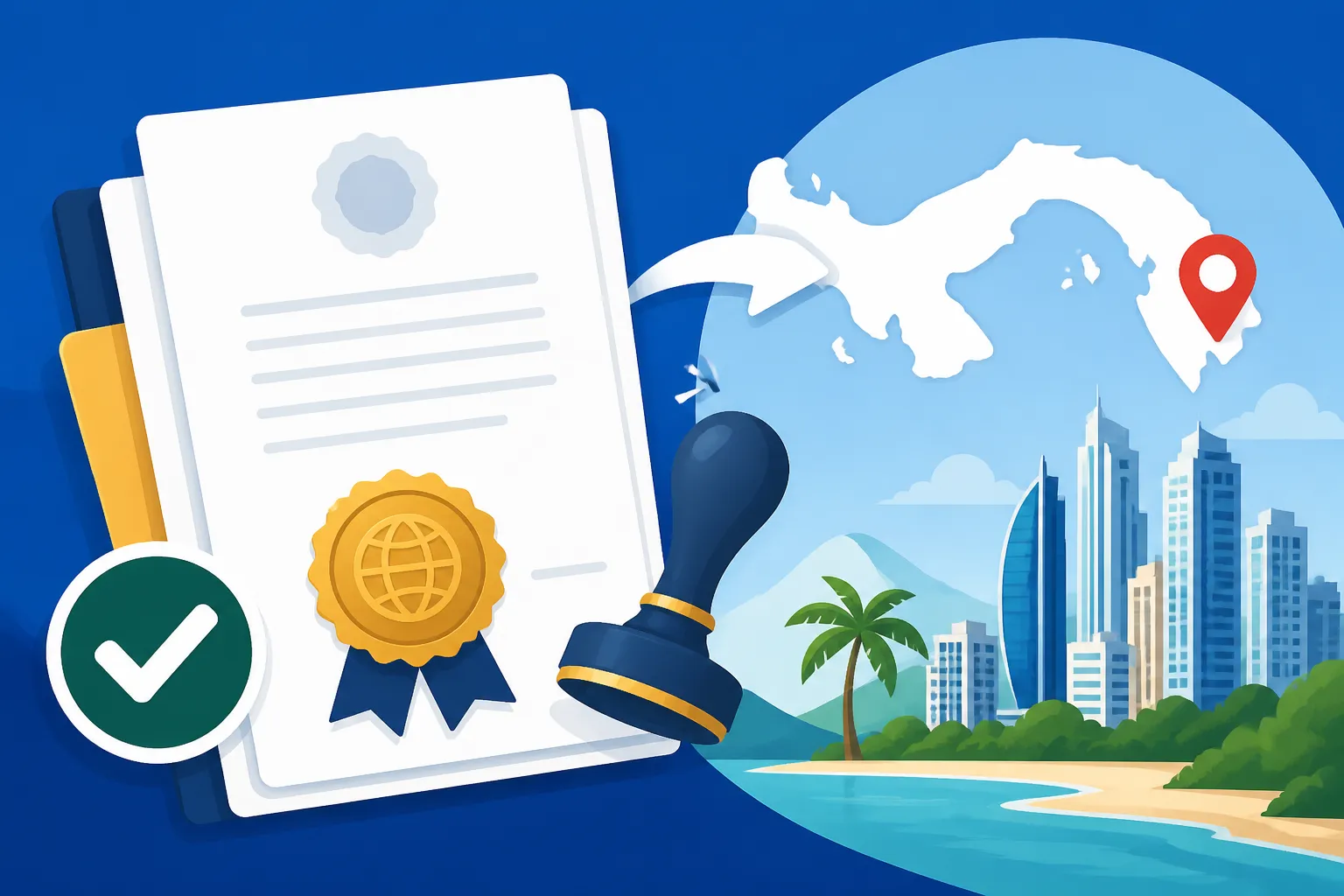
Imagine you have your birth certificate issued by your home country. For Panamanian immigration officials, that piece of paper is just… a piece of paper. They need to know it's a genuine document, issued by an authorized official in your home country, and not some clever forgery. An apostille acts like a fancy, official stamp or certificate, usually affixed directly to your document or attached as a separate page, that verifies the signature and seal of the public official who issued the document. It's essentially an international seal of approval.
Panama is a signatory to the Hague Apostille Convention. This means that if your home country is also a signatory, you don't need a lengthy, multi-step "legalization" process through consulates and embassies. Instead, a single apostille from the designated authority in your home country is all that's required to make your document acceptable in Panama. Without it, your immigration application simply won't move forward. It’s a critical piece of the puzzle, and often, the first major administrative hurdle you'll face.
Common Documents Requiring Apostille for Panama
The list of documents needing an apostille can feel endless, depending on your specific visa and residency application. But generally, anything you're submitting to prove your identity, civil status, education, or criminal record will need this special certification. For example, if you're applying for a residency visa, you'll almost certainly need apostilled copies of your birth certificate and a recent police background check.
Planning to bring your spouse and children along? Their birth certificates and marriage certificates will also need to be apostilled. If you're coming on a visa like the Friendly Nations Visa or the Qualified Investor Visa, you might also need apostilled bank statements or business registration documents to prove your financial solvency. Even your university diploma, if you're looking to get your foreign qualification recognised in Panama for professional reasons, will need this stamp of approval. It’s always best to check the exact requirements for your specific visa type with your immigration lawyer.
The Difference Between Apostille and Legalization
This is where many expats get tripped up, and it's a common source of confusion. Both apostille and legalization serve the same fundamental purpose: to authenticate a public document for use in a foreign country. The key difference lies in the process and the countries involved. As mentioned, the apostille is a simplified, single-step authentication process used between countries that are signatories to the 1961 Hague Apostille Convention. You get one stamp or certificate, and you're good to go.
However, if your home country (or the country where the document was issued) is not a member of the Hague Convention, then you'll have to go through the more complex "legalization" process. This typically involves multiple steps: first, your document is authenticated by the relevant government department in the issuing country (often the Ministry of Foreign Affairs); then, it's authenticated by the Panamanian consulate or embassy in that country. This multi-layered approach ensures that even without the Convention, Panama can trust the document. It's a longer, more expensive, and often more frustrating process, so if your country is a Hague signatory, count yourself lucky!
The Step-by-Step Process to Get Your Documents Apostilled
Alright, now that we understand what an apostille is and why you need it, let's dive into the nitty-gritty of how to actually get it. This isn't a race, folks; it's a marathon, and preparation is key. Rushing this stage often leads to rejections and delays, which nobody wants when trying to settle in a new country.
Identifying the Issuing Authority and Authentication Body
The very first step is to figure out who in your home country is authorized to issue an apostille. This isn't a one-size-fits-all answer, as it varies significantly from country to country, and even within federal systems like the United States. For example, in the US, apostilles for state-issued documents (like birth or marriage certificates) are usually issued by the Secretary of State's office in the state where the document originated. Federal documents (like FBI background checks or IRS statements) get their apostille from the U.S. Department of State in Washington D.C.
In Canada, which only joined the Hague Convention recently, the process is still evolving but typically involves provincial authorities for provincial documents and Global Affairs Canada for federal documents. In the UK, it's the Legalisation Office of the Foreign, Commonwealth & Development Office. The best way to find this out for your specific documents and country is to visit your country's Ministry of Foreign Affairs website or directly search for "[Your Country] apostille services." Getting this wrong from the start will just send you on a wild goose chase.
Preparing Your Documents for Apostille
Once you know where to send your documents, you need to make sure they're in tip-top shape. This usually involves a few critical steps:
- Originals or Certified Copies: Most authorities require original documents for apostille. If you only have a copy, you might need to obtain a new certified copy from the original issuing authority (e.g., the vital records office for a birth certificate) before it can be apostilled. Some specific documents, like police checks, are often issued as originals directly.
- Notarization: For some documents, especially those not issued by a government body (like a power of attorney or certain business documents), you might first need to have them notarized by a public notary in your home country. The apostille will then authenticate the notary's signature, not the content of the document itself. Always check if notarization is a prerequisite for your specific document.
- Translations (but not for the apostille itself): While your documents will eventually need to be translated into Spanish for Panamanian immigration, do NOT get them translated before the apostille. The apostille must be applied to the original document (or certified copy) in its original language. Translations come later, as we'll discuss.
Carefully review the requirements of the apostille-issuing authority in your home country. They often have very specific guidelines on how documents should be presented, and failing to follow them can lead to delays or rejection. It's a frustrating but essential part of the game.
Submitting Your Documents for Apostille
Now, for the actual submission. You typically have a few options, depending on your home country's system and your current location:
- Mail/Courier: This is often the most common method, especially if you've already moved to Panama or are in a different part of your home country. You'll send your documents (originals!) along with a cover letter, payment, and a self-addressed, pre-paid return envelope. Make sure to use a reliable courier service that provides tracking – losing your original birth certificate in the mail is a nightmare you want to avoid!
- In-Person: If you're still in your home country and live near the apostille issuing office, you might be able to submit your documents in person. This can sometimes expedite the process, but be prepared for potential lines and limited operating hours.
- Third-Party Services: There are many companies that specialize in document authentication and apostille services. They can be a godsend if you're pressed for time, geographically distant, or simply want to outsource this bureaucratic headache. They typically charge a fee on top of the government apostille fee but can offer expedited processing and handle all the logistics. When selecting a service, ensure they are reputable and have experience with documents destined for countries like Panama.
The method you choose will impact the cost and timeline, so weigh your options carefully based on your budget and urgency. Remember, patience is a virtue in this process.
Navigating Challenges and Common Pitfalls
If moving to Panama were easy, everyone would do it, right? Part of the expat experience is facing bureaucratic hurdles, and the apostille process is definitely one of them. It's not always smooth sailing, and knowing what challenges to expect can help you prepare.
The Dreaded "My Country Isn't Part of the Hague Convention" Scenario
This is probably the biggest curveball you can face. While many countries are signatories, some are not. If your document originated in a non-Hague Convention country, then an apostille is simply not an option. Instead, you'll need to go through the full "legalization" process, which is often called "consular legalization."
This means your document will first need to be authenticated by the appropriate authority in the issuing country (usually their Ministry of Foreign Affairs) and then by the Panamanian Embassy or Consulate in that country. For example, if you have a document from China, which isn't a signatory, you'd get it authenticated by the Chinese Ministry of Foreign Affairs, and then stamped by the Panamanian Embassy in Beijing (or wherever the nearest Panamanian diplomatic mission is located). This is a multi-step, often time-consuming, and potentially more expensive process. You’ll definitely want to budget extra time and possibly use a specialized service or lawyer to assist with this if you're in this situation.
Dealing with Delays and Bureaucracy
Ah, bureaucracy. It's a universal language of frustration, and getting documents apostilled is no exception. Expect delays, especially if you're relying on postal services or if the issuing authority is experiencing high volumes. Common reasons for delays include:
- Incorrect Application: Missing information, wrong forms, or documents not presented exactly as required.
- High Volume: Seasonal peaks or staffing shortages can significantly slow down processing times.
- Return Shipping Issues: Problems with prepaid envelopes or tracking numbers.
My advice? Start early. Seriously, as soon as you know which documents you need, get on it. Build in extra buffer time. Don't book your flight to Panama assuming your apostilled documents will arrive the day before. Keep meticulous records of everything you send, including tracking numbers and copies of all documents. And when you call for updates (because you will call for updates), be polite but persistent. Remember, the person on the other end of the line is often just following procedures, but a friendly approach can sometimes yield better results.
Ensuring Your Apostille is Accepted in Panama
Even with an apostille, there are still a couple of critical points to consider to ensure your documents are accepted by Panamanian immigration.
First, validity. While an apostille itself doesn't typically "expire," the underlying document it authenticates might have a validity period, especially for things like police background checks. Panamanian immigration usually requires police certificates to be issued within the last three to six months. So, timing is crucial: get your police check, then get it apostilled, and then get it translated – all within the required timeframe for your immigration application.
Second, and equally vital, is the translation. Even if your documents are perfectly apostilled, if they're not in Spanish, they will be rejected. We'll dive into this more, but understand that the apostille must be on the original document, and then the entire document, including the apostille, must be translated by an official, certified public translator in Panama. Using just any translator won't cut it. This ensures that the Panamanian authorities can read and understand the certified document in their official language.
Costs, Timelines, and When to Seek Professional Help
Let's talk brass tacks: money and time. Getting your documents apostilled for Panama immigration isn't free, nor is it instantaneous. Understanding the potential expenses and waiting periods can help you plan your budget and your relocation timeline effectively. This is where companies like Cigna Global might come in handy for broader relocation aspects, but for the actual document processing, you'll be looking at specific fees.
Estimated Costs for Apostille Services
The cost of an apostille itself is usually a government fee, which is often quite reasonable. In the US, for example, a state apostille might be around $10-20 per document, while a federal apostille is also a similar low fee. However, the total cost can quickly add up when you factor in other necessities:
- Government Apostille Fee: (e.g., $10-$20 per document).
- Notarization Fees: If your document needs to be notarized first (e.g., $5-$15 per document).
- Certified Copy Fees: If you need to obtain new certified copies of documents (varies widely).
- Shipping Costs: Using reliable courier services like FedEx or DHL for both sending and returning documents (can range from $50-$150+ per shipment, especially for international shipping if you're already abroad).
- Third-Party Service Fees: If you opt to use a private company to handle the apostille process, they will charge a service fee on top of the government fee. This can range from $75 to $200+ per document, depending on the urgency and complexity, but they often save you time and hassle.
When you start multiplying these costs by the 5-10 documents typically needed for a family's residency application, it becomes clear that this phase requires a dedicated budget line item.
Typical Processing Times
"How long will it take?" is the million-dollar question, and the answer, unfortunately, is "it depends." Processing times for apostilles vary dramatically based on the issuing country, the specific authority, the time of year, and whether you pay for expedited services.
- Standard Processing: Many government offices quote anywhere from 2-6 weeks for standard mail-in service. During peak times (like year-end or summer holidays), this can stretch even longer.
- Expedited Processing: Some authorities or third-party services offer expedited processing for an additional fee, which can reduce the wait time to a few days to 2 weeks. This can be a lifesaver if you're on a tight schedule.
- In-Person Submissions: If allowed and feasible, submitting documents in person might result in same-day or next-day processing, but this is rare and usually requires an appointment.
My best advice is to always assume the longest possible timeframe and then be pleasantly surprised if it comes back faster. This strategy helps manage expectations and reduces stress. Don't underestimate this step when planning your move to Panama; it’s one of the first things you should tick off your list, perhaps even before you contact moving companies like Sirelo to plan your international relocation.
When to Hire an Immigration Lawyer or Document Service
While you can navigate the apostille process yourself, there are definite scenarios where professional help becomes not just convenient, but almost essential.
You Should Consider Professional Help If:
- You're dealing with multiple documents from different jurisdictions: Juggling documents from several states or even different countries can be a logistical nightmare.
- Your home country isn't a Hague Convention signatory: As discussed, the legalization process is far more complex and error-prone for individuals.
- You're already in Panama: Coordinating international mail, payments, and follow-ups from abroad can be incredibly difficult and stressful. A reliable document service in your home country can handle this on your behalf.
- You have a tight deadline: If your visa application has a specific window, or you need to start working by a certain date, expedited services from professionals can be invaluable.
- You simply want peace of mind: The immigration process is stressful enough. Outsourcing the apostille legwork to experts can free you up to focus on other aspects of your move.
While using a professional service adds to the cost, the time saved, the reduction in stress, and the increased likelihood of getting it right the first time can be well worth the investment. Your Panamanian immigration lawyer can often recommend reputable services in your home country. Remember, their expertise is not just in Panamanian law, but also in guiding clients through these tricky preliminary steps.
Beyond the Apostille: What Happens Next?
So, you've done it! You've navigated the tricky waters of getting your documents apostilled. Congratulations! But don't pop the champagne just yet. The apostille is a crucial step, but it's not the final one before your documents are ready for submission to the Panamanian authorities. There are still a couple more hurdles to clear.
Official Translations for Panamanian Authorities
This is an absolutely critical step that many newcomers overlook or misunderstand. Once your original document has its shiny new apostille attached, the entire document—yes, including the apostille itself—must be translated into Spanish. But it can't just be any translation. Panamanian immigration authorities have very strict requirements: the translation must be done by a Public Certified Translator ("Traductor Público Autorizado") in Panama.
These are individuals who have been officially recognized and authorized by the Panamanian government to perform official translations. Their stamp and signature are required to ensure the translation is accurate and legally binding. Don't try to save a few bucks by using an online translation service or a friend who speaks Spanish; these will be rejected outright. Your immigration lawyer in Panama will almost certainly have a list of trusted public translators they work with. Expect to pay per page for these translations, and budget for this cost, as it's another non-negotiable expense in your immigration journey.
Submitting Your Documents to Panama Immigration
With your documents apostilled and then officially translated, they are finally ready for submission! This is typically where your immigration lawyer takes the reins. You'll hand over all your meticulously prepared originals (and their certified Spanish translations) to them. They will then compile your entire application package, ensuring everything is in order, correctly formatted, and meets the latest requirements of the National Immigration Service (Servicio Nacional de Migración) in Panama.
It’s crucial to understand that even minor discrepancies or missing documents at this stage can lead to frustrating delays, requests for additional information, or even rejection. This is why having a competent and experienced immigration lawyer on your side is paramount. They know the ins and outs, the unspoken rules, and how to present your case in the best possible light. They are your guide through the labyrinth that is the Panamanian immigration system, from understanding How Your Residence Status Affects Health Coverage in Panama to knowing the specifics of How to Apply for Permanent Residency in Panama.
Keeping Your Records Organized
Finally, a bit of practical advice from someone who’s been there: keep impeccable records. Before you hand over your original apostilled and translated documents to your lawyer, make at least two full sets of photocopies – one for your personal file and one as a backup. Take photos of everything on your phone as well.
This may seem excessive, but if any document gets lost or if you need to reference something quickly, having your own copies will be invaluable. The immigration process can be a long one, and you might need these documents again for other purposes down the line, such as opening a bank account in Panama or even for How to Get Your Cedula (Residency ID) in Panama. A well-organized file will save you a world of headaches and help you stay on top of your journey towards truly calling Panama home. For more insights into the broader process of settling in, you might find articles like Understanding How to Move to Panama Legally from Abroad (2027) or The Complete Visa and Immigration Guide for Relocating to Panama (2027) particularly helpful. You'll also want to look into Understanding Document and Apostille Requirements for Panama Immigration for a complete picture of the documentation needed.
Disclaimer
Please remember that immigration laws and procedures are subject to change. The information provided in this guide is for general informational purposes only and does not constitute legal advice. Always consult with a qualified Panamanian immigration lawyer or the appropriate government authorities for the most up-to-date and personalized advice regarding your specific situation.