Can I Study in Panama on a Tourist Visa?
Many foreigners arrive in Panama with dreams of soaking up the vibrant culture, enjoying the incredible landscapes, and maybe even advancing their education or learning Spanish. It’s a natural thought to wonder if you can combine your initial tourist visit with starting some studies. The short answer to whether you can study in Panama on a tourist visa is generally "no" for formal, long-term academic pursuits. This guide will meticulously break down the nuances, legalities, and proper pathways so you can navigate the Panamanian immigration system without a hitch.
The Reality of Tourist Visas and Study in Panama
Let's be upfront: a tourist visa to Panama is exactly what it sounds like – it's designed for tourism. This means exploring the Canal, lounging on the San Blas islands, hiking through Boquete's cloud forests, or enjoying the bustling nightlife of Panama City. It's for short-term visits, typically up to 90 days, though some nationalities may get 30 or 180 days. The core purpose is leisure, not establishing a new life, working, or undertaking formal education.
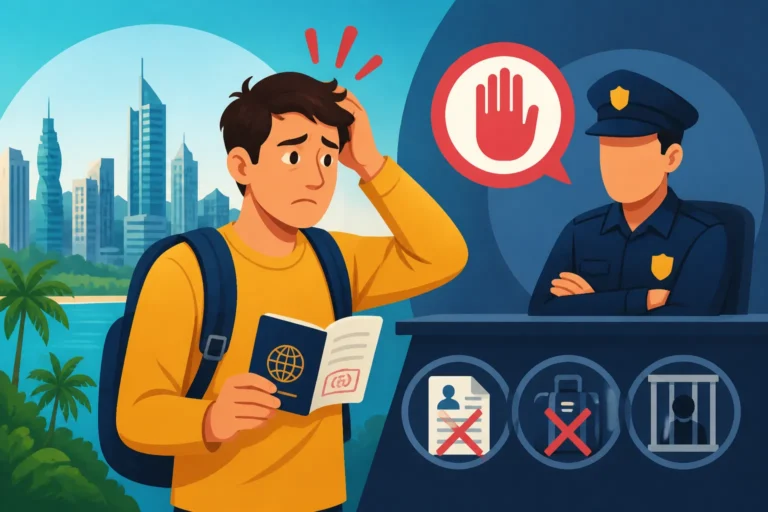
The Panamanian immigration authorities are quite clear on this. Your entry stamp, which effectively acts as your tourist visa, states that you are in the country as a visitor. Engaging in activities that suggest a different intent, like enrolling in a university for a degree program or taking extensive vocational training, is usually not permitted under this status. The moment your activities shift from casual tourism to something more substantial and long-term, you're expected to change your immigration status. This isn't just a Panamanian quirk; it's a standard practice in most countries worldwide. Ignoring this can lead to uncomfortable situations, including fines, denial of future entry, or even deportation, which you absolutely want to avoid. You can learn more about general entry requirements in our guide, The Complete Guide to Panama Visas and Immigration for Expats (2027).
What a Tourist Visa Permits and Restricts
A tourist visa allows you to experience Panama without the complexities of long-term residency. You can visit attractions, stay in hotels or short-term rentals, and spend your foreign-sourced income here. It's a fantastic way to "try before you buy" if you're considering a move, giving you a taste of daily life, the climate, and the local rhythm. You might even want to look at our guide on How Long Can I Stay in Panama as a Tourist?.
However, a tourist visa explicitly restricts you from engaging in income-generating activities (unless you are remote working for a foreign company and not interacting with the Panamanian economy, which is a different topic for a different day) and, importantly for this discussion, formal academic study. This means you generally cannot:
- Enroll as a full-time student in a university, college, or vocational school.
- Receive academic credits towards a degree or diploma from a Panamanian institution.
- Attend classes that require long-term commitment or regular attendance beyond what might be considered a casual, short-term cultural activity.
The Panamanian government has specific visa categories for students, workers, and retirees for a reason. These categories come with their own sets of requirements and benefits, and they ensure that individuals are in the country under the correct legal framework. Trying to force a round peg into a square hole with a tourist visa can cause significant problems down the line. It's all about being transparent about your intentions from the start.
When Short-Term Educational Activities Are Permitted
While formal study on a tourist visa is a no-go, there's a grey area for short-term educational or cultural enrichment activities. This is where nuance is key, and it really depends on the nature and duration of the "study." The general rule of thumb is: if it's casual, short, and primarily cultural or recreational, you're likely fine. If it's formal, long-term, credit-bearing, or requires a significant time commitment, you're probably straying into student visa territory.
Language Immersion and Cultural Workshops
One of the most common exceptions for tourists is attending short-term Spanish language courses. Panama has many excellent language schools, especially in Panama City (like in El Cangrejo or Casco Viejo) and in expat-heavy areas like Boquete. These programs are often designed for tourists and short-term visitors, ranging from a week to a few months. They typically involve a few hours of classes a day, leaving plenty of time for cultural exploration.
For example, enrolling in a three-week intensive Spanish program at a private language school is generally considered acceptable on a tourist visa. These aren't degree programs; they're enrichment courses. Similarly, taking a short cooking class on traditional Panamanian cuisine, a dance workshop, or a brief art course would also fall into this category. The key differentiator here is that these activities don't typically lead to an official qualification recognized by the Panamanian Ministry of Education, nor do they imply an intention to reside in Panama primarily for study. They are enhancements to your travel experience, not the primary reason for your extended stay.
Distinguishing Casual Learning from Formal Education
The distinction between casual learning and formal education can sometimes feel blurry, but immigration authorities typically look at a few factors:
- Duration: How long is the course? A week or a month is generally fine. Six months or a year signals a longer-term intention.
- Accreditation: Is the institution accredited by the Panamanian Ministry of Education? Is the course recognized for academic credit? If yes, it's likely formal education.
- Intensity: Is it a full-time commitment (e.g., 20+ hours a week)? Or is it a few hours a couple of times a week?
- Intent: Is the primary reason for your visit to study, or is studying just a small part of a larger tourist itinerary?
If you're looking at something like a university extension course, even if it's "short," you need to be cautious. Always err on the side of caution and assume that anything that looks like a stepping stone to a degree or suggests a long-term presence primarily for educational purposes requires a proper student visa. Trying to bend the rules can lead to significant problems down the line, including hefty fines and complications with future entry into Panama. It's far better to do things by the book and secure the appropriate visa for your educational aspirations.
The Proper Pathway: Applying for a Student Visa
If your intention is to truly study in Panama – whether it's for a degree program, a long-term language course, or any other formal academic pursuit – the correct and only legal path is to apply for a student visa. This process, while requiring more upfront effort, provides you with legal status, peace of mind, and the ability to focus on your studies without worrying about immigration issues. You can dive deeper into the specifics with our guide, How to Get a Student Visa and Study in Panama: The Full Guide (2027).
Eligibility and Requirements for a Student Visa
Panama offers a student visa category for foreigners who wish to pursue higher education or vocational training at recognized institutions. The eligibility criteria generally revolve around proving your genuine intent to study, your admission to an accredited institution, and your financial capability to support yourself during your stay.
Here's a general overview of the documents you'll need, though specific requirements can vary:
- Letter of Admission: An official letter from a recognized Panamanian educational institution confirming your acceptance into a program.
- Financial Solvency: Proof that you have sufficient funds to cover your tuition fees, living expenses, and return ticket. This could be bank statements, a letter from a sponsor, or a scholarship letter. For instance, the National Immigration Service typically looks for around $500-$750 per month in available funds.
- Medical Certificate: A health certificate issued by a Panamanian doctor, confirming you are in good health. You might need to find an English-speaking doctor in Panama for this, and our article How to Find an English-Speaking Doctor in Panama can help with that.
- Police Records: A police clearance certificate from your country of origin (and any other country where you've resided for more than two years in the past five years) and a local Panamanian police record once you're in the country.
- Passport and Photos: A valid passport with at least six months' validity remaining, along with passport-sized photographs.
- Educational Transcripts and Diplomas: Certified copies of your previous academic records.
- Affidavit of Financial Responsibility: If someone else is financially supporting you, they will need to provide a notarized affidavit.
- Health Insurance: Proof of comprehensive health insurance coverage for the duration of your studies. This is crucial. International providers like Cigna Global are often a popular choice among expats because they offer robust plans that can cover you across different countries, giving you peace of mind. For more details, check out Health Insurance in Panama: Private and International Options Explained.
- Application Forms and Fees: Completed application forms and payment of the required government fees.
It's absolutely critical that all foreign documents are properly apostilled or legalized by the Panamanian Consulate in your home country. This can be a time-consuming step, so don't leave it to the last minute. Our guides on Understanding Document and Apostille Requirements for Panama Immigration and How to Get Your Documents Apostilled for Panama Immigration will walk you through this often frustrating but necessary process.
The Application Process and What to Expect
The student visa application process in Panama typically involves working with a qualified Panamanian immigration lawyer. While it might seem like an added expense, a good lawyer will save you immense headaches, time, and potential mistakes. They know the ins and outs of the system, the specific requirements of the National Immigration Service (Servicio Nacional de Migración), and can act as your representative.
Here's a simplified breakdown of the steps:
- Secure Admission: First, you must apply and be accepted by an accredited educational institution in Panama. Check out How to Apply to a Panamanian University as an International Student for detailed information.
- Gather Documents: Collect all necessary documents, ensuring they are translated into Spanish by a certified translator (if not already in Spanish) and properly apostilled.
- Enter Panama (if applicable): You may enter Panama on a tourist visa if allowed by your nationality, but your lawyer will then guide you through the process of changing your status to a student.
- File Application: Your lawyer will submit your complete application to the National Immigration Service.
- Interviews/Appointments: You may need to attend interviews or appointments as required.
- Processing Time: Be prepared for processing times. Immigration processes can take several months, so patience is a virtue here. While your application is pending, you will typically be granted a provisional residency.
- Receive Visa and Cedula: Once approved, you'll receive your student visa and eventually your cédula (Panamanian ID card).
This journey can be complex, and understanding the Cost and Timeline of the Panama Residency Process is essential for planning. It's a significant commitment, but it's the right way to embark on a legitimate educational journey in this beautiful country. If you are planning a move for study, particularly a long-term one, you'll likely be bringing more than just a suitcase. Considering international moving services can be a daunting task, but resources like Sirelo can help you compare various moving companies to find one that fits your budget and needs.
Consequences of Overstaying or Misusing a Tourist Visa
Navigating immigration rules can feel like a maze, and it’s tempting for some to try to cut corners or simply ignore the rules. However, in Panama, as in most countries, playing fast and loose with your visa status can lead to severe and long-lasting repercussions. It's simply not worth the risk, especially when there are clear, legal pathways to achieve your goals.
Fines, Deportation, and Future Entry Bans
If you overstay your tourist visa in Panama, even for a short period, you will face fines. These fines can accumulate daily, quickly becoming a significant sum. For instance, if you stay beyond your allotted 90 or 180 days without having applied for an extension or a change of status, you’ll be penalized upon exiting the country. The amount of these fines can change, but they are generally hundreds of dollars, potentially reaching into the thousands depending on the length of your overstay. Imagine trying to catch your flight home, only to be detained at the airport and hit with an unexpected, hefty bill. It's a nightmare scenario that’s entirely avoidable.
Beyond financial penalties, the situation can escalate. If caught significantly overstaying, or if you are found to be misrepresenting your intent (e.g., formally studying or working on a tourist visa), you could face deportation. This is not only a traumatic experience but also carries a severe consequence: an entry ban. Immigration authorities might bar you from re-entering Panama for a specified period, or even permanently. This can derail any future plans you might have had to live, study, or even visit Panama again. It's a stark reminder that understanding the difference between a Visa and Residency in Panama is crucial.
The Importance of Legal Counsel
The best way to avoid these pitfalls is to proactively understand and adhere to Panamanian immigration law. If you intend to study, even if you're initially unsure about the duration or formality, consult with a reputable Panamanian immigration lawyer. They can provide tailored advice based on your specific nationality, educational goals, and circumstances. A lawyer can help you determine if your planned activities genuinely fit within the scope of a tourist visa or if you need to pursue a student visa from the outset.
They will guide you through the process of understanding how to move to Panama legally from abroad (2027), ensuring all documents are correctly prepared, submitted, and followed up on. This professional guidance is an investment in your peace of mind and your long-term success in Panama. Trying to navigate the system alone, especially if your Spanish isn't fluent, can lead to misunderstandings, delays, and costly errors. Don't risk compromising your ability to enjoy Panama by cutting corners on immigration.
Tourist Visa vs. Student Visa: A Quick Comparison
To put it all in perspective, here's a brief table outlining the key differences between using a tourist visa versus a student visa for educational purposes in Panama:
| Feature | Tourist Visa | Student Visa (Proper Pathway) |
|---|---|---|
| Primary Purpose | Tourism, leisure, short visits | Formal academic or vocational study |
| Duration | Typically 30-180 days (nationality dependent) | Matches duration of study program (can be years) |
| Formal Study Permitted | No (only short, informal cultural courses) | Yes, at accredited institutions |
| Academic Credit | Not usually applicable | Yes, for degrees, diplomas, certificates |
| Work Rights | No (unless remote work for foreign entity) | Generally no, but some exceptions may exist with additional permits |
| Residency Path | Does not lead to residency | Can be a step towards long-term or permanent residency if criteria are met |
| Documents Needed | Passport, return ticket, proof of funds, entry form | Passport, admission letter, financial proof, police check, health certificate, etc. (all apostilled) |
| Legal Status | Temporary visitor | Legal resident for educational purposes |
| Risks of Misuse | Fines, deportation, future entry bans | Compliant, secure legal status |
This comparison clearly illustrates why attempting to study formally on a tourist visa is not advisable. The Panamanian government has specific routes for students, and following them ensures a smooth and legal stay.
Disclaimer
The information provided in this guide is intended for general informational purposes only and does not constitute legal, financial, or immigration advice. While we strive to provide accurate and up-to-date information, laws and regulations in Panama are subject to change. It is essential to consult with a qualified Panamanian immigration lawyer or the appropriate government authorities for advice tailored to your specific situation. We are not liable for any actions taken based on the information provided herein.