Understanding the Income Requirement for the Pensionado Visa in Panama
Dreaming of retiring to the sun-drenched beaches or the cool mountain air of Panama often starts with visions of a relaxed life, but the reality for many expats hits when they start grappling with the visa application process. One of the biggest initial hurdles, and frankly, a source of considerable stress, is figuring out the exact income requirement for the coveted Pensionado Visa. This guide is here to demystify those numbers, walk you through exactly what you need to earn, and how to prove it, so you can move past the paperwork and closer to your Panamanian paradise.
The Allure of the Pensionado Visa in Panama
Let's be honest, Panama's Pensionado Visa isn't just a piece of paper; it's a golden ticket for many foreign retirees seeking a better quality of life and genuine savings. This isn't some fleeting program; it's one of the most established and attractive retirement visas in the world, offering a suite of benefits that genuinely make a difference to your daily budget. For years, people have flocked here, drawn by the incredible value it presents.
What Makes it So Desirable for Retirees?
Beyond the warm climate and the welcoming culture, the Pensionado Visa, or Retired Person's Visa, is designed to make life incredibly appealing for those living on a pension. The Panamanian government understands the value that expat retirees bring to the economy, and they've rolled out the red carpet with a host of discounts. Imagine getting 25% off airline tickets, 50% off entertainment, 25% off restaurant meals, and even discounts on medical services and utility bills. These aren't just minor perks; they add up to substantial savings over the course of a year, particularly for those living on a fixed income. It makes daily life significantly more affordable, especially when you factor in the already lower cost of living compared to many Western countries. It’s a genuine incentive, and one of the main reasons so many choose Panama.
Who Qualifies for This Esteemed Visa?
The core idea behind the Pensionado Visa is to attract individuals who are genuinely retired and receiving a consistent, lifelong pension or annuity. It's not for those looking to work or start a new business in Panama. The primary requirement is quite clear: you must be receiving income from a government agency, a private company, or an international organization, and this income must be for your retirement. This means social security, company pensions, military pensions, or annuities are generally accepted. The key word here is "pension" – regular investment income or general savings, while important for your overall financial well-being, typically won't qualify on their own. It’s about demonstrating a stable, predictable, long-term source of retirement funds. If you're curious about the broader application, take a look at our guide on The Expat Guide to the Pensionado (Retiree) Visa in Panama (2027).
The Core Income Requirement: Breaking Down the Numbers
Now, for the nitty-gritty: the actual financial requirement. This is where most people start scratching their heads, and it's essential to get this absolutely right. The Panamanian government has a clear minimum in place, and while it might seem straightforward, there are nuances, especially when you consider family members.
The Baseline Minimum for a Single Applicant
As of the current regulations, a single applicant for the Pensionado Visa needs to demonstrate a lifetime monthly pension or annuity of at least US$1,000. Yes, you read that right, a thousand U.S. dollars. Since Panama uses the U.S. dollar as its currency, this simplifies things considerably for many North American retirees, as there are no currency conversion headaches in the country itself. This US$1,000 must be an individual pension; it can't be combined with, say, investment income or rental income to meet this baseline. It must be a verifiable, recurring pension payment. This requirement has remained quite stable for many years, providing a predictable target for prospective retirees. However, always remember that immigration rules can change, so it's wise to consult with a reputable Panamanian immigration lawyer who specializes in expat visas, as they'll have the most up-to-the-minute information.
Adding Dependents to Your Pensionado Visa
For many, moving to Panama isn't a solo adventure. You might want to bring your spouse, your children (under a certain age), or even other family members who qualify as dependents. This is where the income requirement gets a little more involved, but it's still very manageable.
For each dependent you wish to include on your Pensionado Visa application, you will need to demonstrate an additional monthly income of US$250. So, for example, if you're applying with your spouse, your total verifiable pension income would need to be US$1,000 (for you) + US$250 (for your spouse) = US$1,250 per month. If you also have a qualifying child, that would be another US$250. This structure is designed to ensure that you have sufficient funds to support everyone in your household without burdening the Panamanian social system. The dependents typically include spouses and children under 18, or up to 25 if they are full-time university students and economically dependent on you. Proving their dependency will involve additional documentation, so be prepared for that. Remember, the goal is to show the Panamanian authorities that you are financially self-sufficient as a family unit. If you're bringing family, our guide on Family and Dependent Residency in Panama: Bringing Your Loved Ones (2027) might be a useful read.
The Power of Combining Income Sources
While the core US$1,000 for the primary applicant must generally come from a single, verifiable pension source, there's a valuable flexibility when it comes to meeting the additional income for dependents or even supplementing your own. If your primary pension isn't quite US$1,000 but it's close, Panama offers a pathway: you can purchase a property in Panama with a minimum value of US$100,000. In this scenario, your pension requirement drops to US$750, with the property making up the difference. This is a great option for those who are planning to buy a home anyway.
Moreover, if your main pension meets the US$1,000 minimum, but you need to show the extra US$250 per dependent, this additional amount can often come from other reliable, passive income sources. This might include Social Security benefits, private annuities, or even verifiable rental income from properties in your home country. The key is that these sources must be stable, legally documented, and guaranteed to continue for the foreseeable future. A one-time payout or fluctuating investment returns won't cut it. This flexibility is a huge relief for many couples or individuals with multiple income streams.
Proving Your Income: What Documents You'll Need
This is where the rubber meets the road. It's not enough to have the income; you need to prove it, and the Panamanian immigration authorities are quite particular about the format and authenticity of these documents. Expect thorough scrutiny, and embrace the administrative process with patience and meticulous organization.
Official Documentation and Certifications
When it comes to proving your pension income, official is the name of the game. You'll need original letters from the institution or government body responsible for issuing your pension. For instance, if you receive Social Security from the U.S., you'll need an official letter from the Social Security Administration stating your monthly benefit amount and confirming it's a lifetime pension. The same applies to private company pensions – a letter from the pension fund or former employer, on official letterhead, clearly stating the monthly amount, that it's a lifetime benefit, and directly addressed to the Panamanian immigration authorities, is crucial. These documents must be current, generally not older than three months at the time of your application.
For those considering the property investment route to lower the pension threshold, you’ll need to provide certified copies of your property title deed, and potentially a valuation from a Panamanian appraiser, proving the value meets the US$100,000 minimum. This step is critical and adds another layer of documentation.
The Apostille and Translation Requirements
Here's a common stumbling block for many expats: the need for apostilles and official translations. Any document issued outside of Panama that you submit for your visa application must be "apostilled" in the country of origin. An apostille is a certification that authenticates the origin of a public document, making it legally recognized in other countries that are part of the Hague Apostille Convention. For example, if your pension letter is from the U.S., it needs an apostille from your Secretary of State's office in the U.S. This isn't just a stamp; it’s a specific, multi-page certificate that is attached to your document. Missing this step means your documents will be rejected, costing you time and money.
Once apostilled, if the documents are not in Spanish, they must be translated into Spanish by a certified public translator in Panama. You cannot do this yourself, nor can a translator from your home country unless they are also officially recognized in Panama. Your Panamanian immigration lawyer can usually recommend a reputable translator. The combination of apostille and certified translation adds time and expense to the process, so factor this into your planning. It’s part of the bureaucratic dance, but it's non-negotiable. For a deeper dive into this, check out Understanding Document and Apostille Requirements for Panama Immigration.
Additional Financial Considerations Beyond the Minimum
Meeting the minimum income requirement for the Pensionado Visa is a critical first step, but it's important to understand that it's just that – a minimum. Living comfortably in Panama, especially if you have a family or certain lifestyle expectations, will likely require more than this baseline. Wise expats plan for the full financial picture.
Cost of Living Expectations
While Panama offers an attractive cost of living compared to many Western countries, it's not "dirt cheap." Your actual expenses will vary greatly depending on where you choose to live and your lifestyle. Panama City, for example, especially in areas like Costa del Este or Punta Pacifica, can be quite expensive, with rents rivaling some U.S. cities. However, moving to areas like David, Santiago, or the highlands of Boquete can significantly reduce your monthly outlay.
Consider housing (rent or mortgage), utilities, groceries, transportation, and discretionary spending. While the Pensionado discounts help, they won't cover everything. Many expats find that a comfortable retirement for a couple might start at around US$2,000 – US$3,000 per month, though some manage on less, and many spend considerably more. Don't underestimate the initial setup costs either, from buying furniture to connecting utilities. It's a good idea to create a detailed budget based on your desired location and lifestyle. Our article on The Complete Guide to Cost of Living in Panama for Expats (2026) provides a comprehensive breakdown to help you budget effectively.
Healthcare and Insurance Planning
One of the most vital financial considerations, often overlooked in the excitement of a new move, is healthcare. While Panama has a dual healthcare system – public and private – most expats opt for private healthcare due to its higher standards, shorter wait times, and English-speaking doctors.
The public system, the Caja de Seguro Social (CSS), is generally only accessible if you are working and contributing to social security, or if you purchase an expat-specific plan, though accessing services can be challenging for those solely reliant on it. Private hospitals, such as Hospital Punta Pacifica or Hospital Nacional in Panama City, offer excellent care but come with a cost. This is where private health insurance becomes incredibly important. Even with Pensionado discounts on medical services, a major illness or accident can quickly deplete your savings without robust insurance. International health insurance providers like Cigna Global are popular among expats because they offer comprehensive coverage that works globally, including in Panama, ensuring you're protected no matter what happens. Local Panamanian insurance options are also available and can be more affordable for certain needs. It’s critical to secure good health coverage before you arrive. For more information, explore our guides on Health Insurance in Panama: Private and International Options Explained and The Cost of Healthcare in Panama: A Complete Breakdown for Foreigners (2026).
Legal and Administrative Fees
Finally, remember that the visa application itself incurs costs. Beyond the government fees for the visa, you will almost certainly need to hire a Panamanian immigration lawyer. While it might be tempting to try and navigate the labyrinthine Panamanian bureaucracy yourself, it's rarely successful and often leads to costly delays and rejections. A good lawyer is invaluable. They understand the intricacies of the law, the specific requirements of the National Immigration Service, and how to properly prepare and submit all your documents.
Lawyer fees can vary, but generally expect to pay anywhere from US$1,500 to US$3,000 (or more) for the Pensionado Visa process for a single applicant, with additional fees for dependents. Beyond legal fees, there are government charges, notary fees, translation costs, and apostille fees, which can easily add another US$500 to US$1,000. These are upfront costs you must budget for, and they are a necessary investment in securing your legal residency.
Navigating the Application Process: Tips and Tricks
The Pensionado Visa application isn't just about meeting the income requirement; it's about navigating a specific, often frustrating, bureaucratic dance. Having the right approach and knowing a few tricks can save you immense headaches, time, and money.
The Indispensable Role of a Panamanian Immigration Lawyer
Let me be absolutely clear on this: while it's technically possible to apply for the Pensionado Visa yourself, it's almost universally advised against doing so. Panama's immigration system is complex, notoriously slow, and constantly evolving with subtle procedural changes. What worked last year might not work today, and even the smallest error in documentation or filing can lead to significant delays or outright rejection. A good Panamanian immigration lawyer is your guide, advocate, and translator through this maze. They know the current requirements, the specific nuances of what immigration officials look for, and how to troubleshoot potential issues. They will ensure your documents are properly apostilled, translated, and presented in the correct order. They also have relationships within the immigration offices, which, while not leading to preferential treatment, can help smooth the process. Think of them as your essential partner in this journey. Choosing a reputable lawyer is crucial for your peace of mind and the success of your application. Our guide on Understanding Why You Need a Panamanian Lawyer for Residency elaborates on this point.
Assembling Your Document Portfolio: Be Meticulous
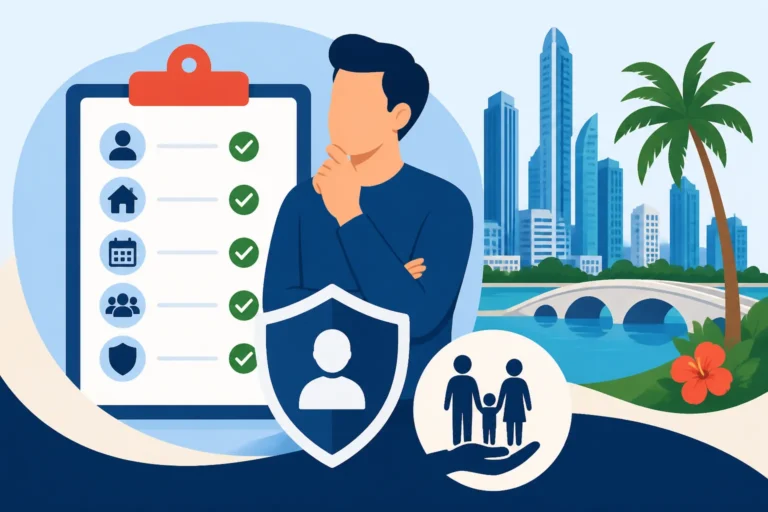
The phrase "document dump" often comes to mind when talking about Panamanian immigration. You'll need a comprehensive set of documents, not just for your income, but for your identity, background checks, and general solvency. Here's a general list, but your lawyer will provide the exact, up-to-date requirements:
- Passport: Valid for at least six months, with several copies of all pages (including blank ones).
- Police Clearance Certificate: From your country of origin, apostilled. If you’ve lived in other countries for more than two years, you’ll need certificates from those places too.
- Marriage Certificate (if applicable): Apostilled and translated.
- Birth Certificates (for dependents): Apostilled and translated.
- Bank Reference Letter: From your bank in your home country, confirming you are a client in good standing.
- Health Certificate: Issued by a Panamanian doctor after you arrive.
- Five Passport-Sized Photos: Specific dimensions, generally 2×2 inches, white background.
- Sworn Declaration Forms: Prepared by your lawyer.
- Proof of Income: As discussed extensively above (pension letter, bank statements, etc.), apostilled and translated.
This list isn't exhaustive, and requirements can shift. Get everything in order well in advance. Shipping documents can be expensive; international moving companies like Sirelo can assist with coordinating the transport of your vital paperwork and personal effects if you're relocating a whole household.
The Timeline and What to Expect
Patience, my friend, is more than a virtue here; it's a necessity. The processing time for the Pensionado Visa can vary significantly. While some applications might sail through in 3-6 months, it’s not uncommon for it to take 6-12 months, or even longer in certain complex cases or during peak periods. The process typically involves:
- Initial Consultation & Document Gathering: (1-2 months, depending on you)
- Submission to Immigration: Your lawyer submits your complete dossier.
- Provisional Residency: You might receive a provisional residency card within a few months, allowing you to stay in Panama while your application is under review. This is crucial for maintaining legal status.
- Interview (sometimes): While not always required, you might be called for an interview with immigration officials.
- Approval & Permanent Residency: Once approved, you'll get your permanent residency resolution and then apply for your Cedula (Panamanian ID card).
During this waiting period, it's common to feel anxious. Your lawyer will keep you updated, but understand that "Panamanian time" operates on its own unique rhythm. Just be prepared for the long haul, and resist the urge to constantly call your lawyer asking for updates unless they've indicated there's new information. Our article on How Long Does It Take to Get Residency in Panama? offers further insights into typical processing times.
Maintaining Your Pensionado Status: Long-Term Outlook
Getting your Pensionado Visa is a huge achievement, but it's not a "set it and forget it" kind of deal. There are responsibilities and requirements you need to be aware of to ensure you maintain your legal status in Panama for the long run.
Renewing Your Residency Card
Unlike some other residency types that might require periodic renewal of the visa itself, the Pensionado Visa grants you permanent residency from the outset. This means you don't typically "renew" the visa, but rather your residency card (your Cedula), which acts as your official identification in Panama. Initially, you'll receive a temporary Cedula, which will then be replaced by a permanent one. These Cedulas have expiration dates, usually every 10 years, similar to a driver's license or passport.
To renew your Cedula, you'll generally need to provide an updated police clearance certificate from Panama (showing you haven't committed any crimes locally), proof of continued receipt of your pension, and current passport photos. Your lawyer can assist with this renewal process, ensuring all documents are current and correctly submitted to the Tribunal Electoral, which issues the Cedula. This is a much simpler process than the initial visa application, but still requires attention to detail.
Understanding Residency Requirements and Absences
One common question among expats is, "How long can I be out of Panama without losing my Pensionado status?" For permanent residents under the Pensionado Visa, the rules are relatively generous, but it's crucial not to overstep them. While there isn't a strict "minimum stay" requirement as there might be for some other visas, the general understanding is that Panama should be your primary residence.
Extended, continuous absences of more than two consecutive years can raise questions with immigration authorities and potentially lead to the cancellation of your residency, especially if there's no clear justification. However, short trips in and out of the country are absolutely fine and expected. The best advice is to maintain clear ties to Panama: own or rent property, pay utility bills, have a local bank account, and simply return to the country periodically. If you anticipate a very long absence due to unforeseen circumstances, it's always best to consult with your immigration lawyer to understand the specific implications and any steps you might take to protect your residency. Generally, showing an intent to reside in Panama is key.
Important Benefits and Ongoing Perks
Once you have your Pensionado status and your Cedula, you can fully embrace all the fantastic benefits we touched upon earlier. Carry your Cedula with you, as merchants and service providers will often ask to see it to apply the discounts. These include:
- 25% off airfare on international flights (from Panama)
- 50% off entertainment (movies, concerts, sporting events)
- 25-30% off restaurant meals (depending on the day/time)
- 25% off utility bills (electricity, water, telephone)
- 20% off medical consultations and services
- 15% off hospital stays
- 15% off dental and eye exams
- 1% off interest on home mortgages
These discounts are an integral part of making Panama an affordable and attractive retirement destination. They are a tangible reminder of why so many expats choose to call this vibrant country home.
| Category | Benefit (Single Applicant) | Benefit (Adding Dependents) | Required Documentation |
|---|---|---|---|
| Minimum Monthly Pension | US$1,000 | +US$250 per dependent | Official letter from pension provider (apostilled & translated) |
| Property Investment Option | US$750 pension + US$100,000 property purchase | N/A (minimum still applies to primary applicant) | Official pension letter, property title deed (certified copy), property valuation (if applicable) |
| Accepted Income Sources | Government/private pensions, annuities | Other stable, passive income (e.g., Social Security, rental income) for dependents | Bank statements, official letters from income sources (apostilled & translated) |
| Key Documents | Passport, Police Record, Health Certificate, Bank Letter, Photos | Marriage Certificate, Birth Certificates for children | All foreign documents must be apostilled and officially translated in Panama. |
Disclaimer
This article is for general informational purposes only and does not constitute professional advice. Laws, prices and regulations vary by location and change over time. Consult a qualified professional for guidance on your specific situation.