How Do I Renew My Residency in Panama?
Ah, the dreaded residency renewal! Just when you think you've navigated the labyrinth of Panamanian immigration once, it's time to jump through the hoops all over again. It’s a common frustration for us expats, feeling like you’re constantly submitting papers and waiting for stamps. But don't despair, this comprehensive guide is here to walk you through exactly how to renew your residency in Panama, step by painstaking step, so you can keep enjoying this beautiful country without unnecessary stress.
Understanding Your Residency Type and Its Validity
First things first, you need to understand the specifics of your residency status. Panama offers a variety of paths to residency, and each one comes with its own set of rules for renewal. What applies to your neighbor on a Friendly Nations Visa might be completely different from your situation if you're a retiree on a Pensionado Visa. Getting this clear from the outset will save you a world of headaches.
Temporary vs. Permanent Residency Renewal Cycles
Many expats initially arrive on a temporary residency visa. These are, as the name suggests, temporary! They often require renewal on an annual or bi-annual basis for a specific period before you can apply for permanent residency. For example, if you came here under the [Friendly Nations Visa in Panama], your initial permit typically lasts for two years. After that, you'll generally apply for permanent residency, which is a significant step and a different process altogether. However, some professional visas might require annual renewals for a longer stretch.
On the other hand, if you've already obtained permanent residency, your renewal cycle will likely be longer. Often, permanent residency cards (your cédula) are issued for five or ten years, sometimes even indefinitely for older Pensionado visa holders. Even with permanent residency, you’ll still need to renew the physical card itself, which involves updating your photograph and personal details at the immigration office. This is crucial because an expired cédula can cause issues with everything from banking to travel. It's not just a piece of plastic; it's your official ID here, and keeping it current is paramount to maintaining your legal status in the country.
Checking Your Expiration Date and Planning Ahead
This might sound obvious, but it's astonishing how many of us, myself included, let the renewal date sneak up! Panamanian bureaucracy doesn't operate on a "we'll remind you" system. It's entirely your responsibility to keep track of your expiration date, which is clearly marked on your cédula. Circle it on your calendar, set multiple phone reminders, tattoo it on your arm – whatever it takes!
I cannot stress enough the importance of starting the renewal process early. Immigration processing times in Panama can be notoriously unpredictable. While some applications sail through, others get caught in administrative limbo for weeks, or even months. My general advice? Start gathering your documents at least three to four months before your current residency expires. This gives you a buffer for any unforeseen delays, missing documents, or public holidays that might slow things down. Rushing at the last minute not only adds immense stress but can also lead to complications, including potential fines or even issues with your legal status if your permit expires before your renewal is submitted. Remember, the Panamanian "mañana" culture is charming for social engagements, but absolutely disastrous for immigration deadlines.
The Essential Documents You'll Need for Renewal
Now, let's talk about the paperwork. Oh, the paperwork! It's never a simple matter of just bringing in your old card. Panama's immigration department (Servicio Nacional de Migración) requires a detailed dossier, and any missing piece can send you right back to the drawing board. This is where many expats feel that familiar pang of frustration, reliving the initial application process.
General Required Documents for Most Renewals
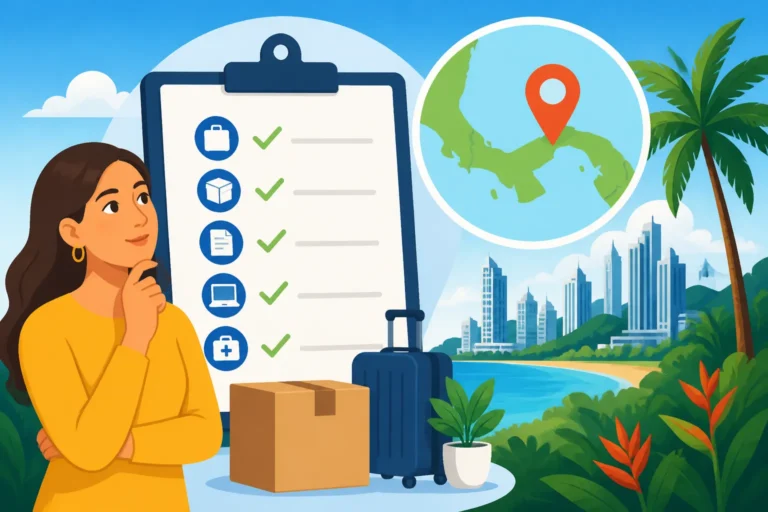
While specific requirements can vary, there’s a core set of documents you'll almost certainly need for any residency renewal. Think of these as your basic survival kit:
- Original Passport and Copies: Always bring your original passport. You'll need copies of every page, even the blank ones. Make sure these are clear and legible.
- Original Cédula (Residency ID) and Copies: Your current, expiring cédula is essential. You’ll hand over the original when you get the new one, but keep copies for your records.
- Photos: Typically, you'll need a couple of passport-sized photos, usually white background. Always bring more than you think you’ll need, just in case. They're usually quite strict about the dimensions and quality.
- Proof of Economic Solvency: This shows you can support yourself. It could be a bank statement (from a Panamanian bank, usually) showing a certain balance, or proof of regular income (like your pension statement for The Expat Guide to the Pensionado (Retiree) Visa in Panama (2027)). The amount required can vary, so check current guidelines.
- Peace and Safety Certificate (Paz y Salvo): This is a crucial document from the DGI (Dirección General de Ingresos) confirming you have no outstanding tax debts. Even if you're not paying income tax on foreign income due to Panama's Understanding Why Foreign Income Is Not Taxed in Panama (2026), you still need to prove your tax compliance. Obtaining this can take a few days, so factor that into your timeline. You might also need a Paz y Salvo from the National Immigration Service itself, certifying that you haven't violated any immigration laws.
- Criminal Background Check (if applicable): While not always required for every renewal, it’s often necessary, especially when transitioning from temporary to permanent residency, or after a certain period. This must be an up-to-date police certificate from your home country, and it will need to be apostilled. For details on this, you can refer to how to obtain a How Do I Get a Police Certificate for Panama Residency?.
- Medical Certificate: A general health certificate issued by a Panamanian doctor is almost always a requirement. This is a fairly standard check-up confirming you are in good health and don’t pose a public health risk.
If you used a moving service like Sirelo to bring your life over here, you already know the importance of meticulous documentation. Renewing residency is no different – keep everything organized!
Specific Documents Based on Your Visa Type
Beyond the general requirements, your specific visa category will dictate additional documents. This is where it really pays to have a good immigration lawyer who knows the latest rules for each type.
- Pensionado (Retiree) Visa: You'll need updated proof of your pension income, usually a letter from the government or pension fund providing a breakdown of your monthly income. This needs to meet the minimum income threshold, which is currently $1,000 USD per month, plus an additional $250 per month for each dependent.
- Friendly Nations Visa: If you're on this visa, especially when renewing from temporary to permanent, you'll likely need an updated employment contract, proof of local employment (e.g., a letter from your employer, social security contributions), or evidence of active business registration if you're self-employed.
- Marriage Visa: Renewing a residency based on marriage to a Panamanian citizen will require an updated marriage certificate, and your Panamanian spouse will also need to submit copies of their cédula and potentially accompany you to appointments.
- Dependent Visas: If you've sponsored family members, you'll need to provide updated copies of their passports and cédulas, along with proof that you can continue to support them financially. Documents like birth certificates for children, or marriage certificates for spouses, may also be required if there have been changes.
It's absolutely critical to ensure all foreign documents are properly apostilled by the issuing country. Panama is very strict about this. For a deeper dive into document preparation, you might find our guide on Understanding Document and Apostille Requirements for Panama Immigration helpful. Always check with your lawyer for the most up-to-date and exact list of requirements for your specific visa.
Navigating the Renewal Process at Immigration
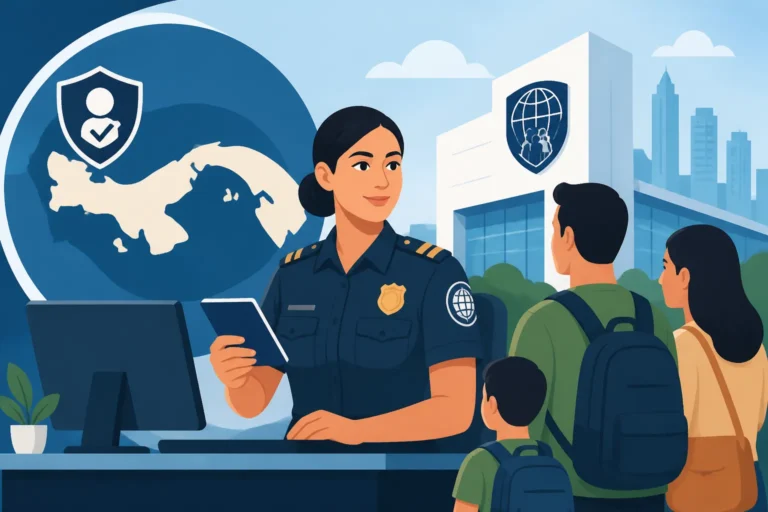
Once you have your meticulously organized stack of documents, the real adventure begins: the visit to the National Immigration Service (Servicio Nacional de Migración). This is often the most daunting part for expats, involving waiting, multiple windows, and sometimes a bit of confusion.
The Initial Application and Submission Process
Your journey usually starts at the main immigration office in Panama City, located in the sector of Ancón. While some regional offices exist, most complex residency matters are handled here.
- Appointment or Walk-in: Depending on the current regulations, you might need an appointment, or it could be a walk-in system. Your lawyer will know the current protocol. Either way, arrive early, dressed respectfully (no shorts or flip-flops), and prepared to wait. Bring a book, your phone (fully charged), and plenty of patience.
- Initial Review and Stamping: You'll typically go through an initial window where an immigration officer will review your documents. They're looking for completeness. Any missing documents, even a single copy, can lead to you being turned away, forcing you to return another day. This is why having a lawyer is invaluable; they'll often catch these issues beforehand and guide you through.
- Payment of Fees: Once your documents are deemed complete, you'll be directed to a different window to pay the government fees. These fees can vary depending on your visa type and whether you’re renewing a temporary or permanent status. Make sure you have the exact cash amount or know which payment methods are accepted.
- Submission and Fingerprints: After payment, you'll submit your full application package. At this stage, you might be fingerprinted and have your photo taken again (even if you brought your own). You'll typically receive a stamped receipt, which serves as your proof of application and allows you to remain in the country legally while your renewal is processing. This receipt is paramount – guard it with your life!
The process can feel like a game of hopscotch from one window to another, and communicating in Spanish is often essential unless your lawyer is doing all the talking. Don't be shy about asking questions if you don't understand something, even if it feels repetitive.
Tracking Your Application and Potential Follow-ups
This is arguably the most frustrating part of the entire process. Unlike, say, tracking a package with FedEx, keeping tabs on your immigration application often feels like a mystery novel. There isn't always a readily accessible online portal for real-time updates for every visa type.
Typically, your lawyer will be the primary point of contact for tracking the application. They have established relationships and know how to inquire about statuses. Don't expect daily updates; the process can be slow and opaque. Be prepared for silence, followed by a sudden request for an additional document weeks or months down the line. This is where your lawyer's persistence and local knowledge truly shine.
Sometimes, after an initial review, immigration might issue a "resuelto" (resolution) requesting further information or clarification. This is common and not necessarily a sign that your application is in trouble. It just means they need more details. Respond to these requests promptly and comprehensively through your lawyer.
The Cédula Issuance and Collection
Once your renewal is approved, you'll typically receive a temporary resolution or a new sticker in your passport indicating the approval. The final step is often the most exciting: receiving your new cédula.
- Resolution Notification: Your lawyer will inform you when your renewal has been approved and your cédula is ready for pickup.
- Collection at Civil Registry: You usually collect your cédula from the Tribunal Electoral (Civil Registry), which is a separate entity from the Immigration office. Again, your lawyer will guide you on where and when.
- Verification: When you receive your new cédula, immediately check all the details. Is your name spelled correctly? Is the expiry date accurate? Is your photo clear? Mistakes happen, and it's much easier to correct them on the spot than to discover them later when you're trying to travel or conduct a transaction.
This new plastic card is your official proof of renewed residency, and it's what you'll use for everything from opening a bank account (if you haven't already, check out How to Open a Bank Account at a Panamanian Bank as a Foreigner) to getting a driver's license (How to Get a Panamanian Driver's Licence?).
Common Pitfalls and Pro Tips for a Smooth Renewal
Living in Panama means adapting to a different pace and way of doing things, and nowhere is this more true than with administrative processes. Anticipating the challenges and being proactive can significantly reduce stress during renewal.
Don't Wait Until the Last Minute
I cannot emphasize this enough: procrastination is your worst enemy in Panamanian immigration. The official window for renewal is usually 60 to 90 days before expiration, but as mentioned, aiming for four months gives you a far healthier buffer.
What happens if you miss the deadline? If your residency expires before you submit your renewal application, you could face hefty fines. The longer your status is expired, the larger the fine. More critically, you could be deemed to be in the country illegally, which can lead to complications with travel, banking, and even re-entry. Don't risk it. Set those reminders now!
The Role of a Good Immigration Lawyer
While it's technically possible to navigate the renewal process yourself, I strongly, strongly advise against it, especially for anything beyond the most straightforward extensions. A good, reputable immigration lawyer in Panama is not an expense; they are an investment in your peace of mind and the successful continuation of your life here.
Here's why they're indispensable:
- Up-to-Date Knowledge: Immigration laws and requirements change. Lawyers stay abreast of the latest decrees, forms, and procedures, saving you from submitting outdated information.
- Language Barrier: Unless you're fluent in legal Spanish, navigating the nuances of the immigration office can be overwhelming. Your lawyer acts as your translator and advocate.
- Efficiency: They know the system, the specific windows, and the common pitfalls. This can significantly speed up a process that would otherwise take you multiple trips and hours of waiting. They also handle the persistent follow-ups with the immigration office.
- Problem Solving: If an unexpected issue arises (and they often do), your lawyer is equipped to address it, potentially saving your application from denial.
- Documentation Review: They will meticulously review all your documents before submission, ensuring everything is correct and complete, drastically reducing the chances of rejection.
When choosing a lawyer, look for one with a solid track record with expats and clear communication. Ask for references. While they represent an upfront cost (which can be understood in the context of How Much Does It Cost to Apply for Residency in Panama?), the value they add in terms of accuracy, time-saving, and stress reduction is immeasurable.
Maintaining Your Records and Proactive Steps
Throughout your time in Panama, whether you're thinking about How to Get Permanent Residency in Panama? or just keeping up with your current status, develop a habit of meticulous record-keeping.
- Keep Copies of Everything: Every form, every receipt, every email related to your residency. Keep physical copies in a secure binder and digital copies on a cloud service. Label them clearly.
- Create a Timeline: Maintain a personal timeline of all your immigration milestones: initial application date, approval date, renewal dates, and document expiry dates (passport, cédula, driver's license, etc.).
- Regular Check-ins: Maintain open communication with your immigration lawyer. Don't be afraid to check in periodically, especially if you haven't heard anything for a while. A polite "Any news on my renewal?" email every few weeks is perfectly acceptable.
- Stay Informed: Follow reputable expat forums and news sources that cover immigration updates. While your lawyer is your primary source, being generally aware of changes can help you ask the right questions.
- Consider Insurance: While not directly tied to residency renewal, maintaining comprehensive health insurance, perhaps through a provider like Cigna Global, is always a smart move. After all, life happens, and a medical emergency is the last thing you want to worry about when your legal status is also on your mind.
Renewing your residency in Panama doesn’t have to be a nightmare. With careful planning, meticulous organization, and the right professional support, you can navigate the process smoothly and continue to enjoy your life in this vibrant Central American gem.
Disclaimer
Please note that immigration laws and regulations in Panama are subject to change. This guide provides general information based on current understanding and expat experiences. It is always recommended to consult with a qualified Panamanian immigration lawyer for personalized advice and the most up-to-date requirements for your specific situation.