How Much Does It Cost to Apply for Residency in Panama?
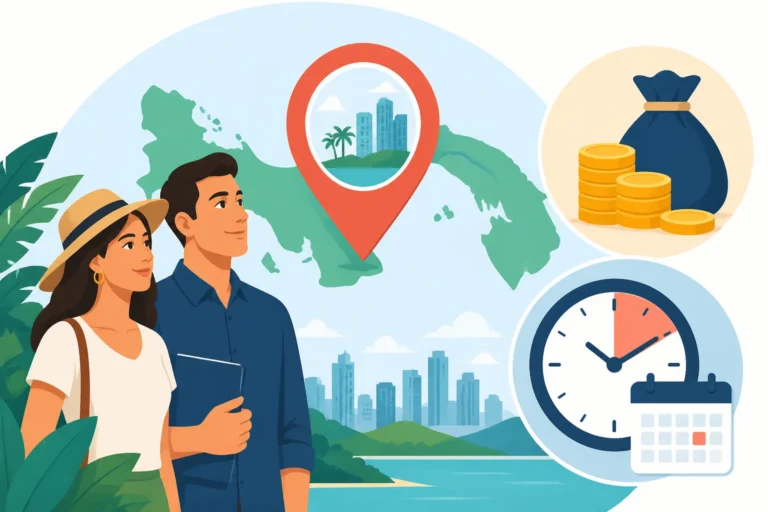
Ah, the million-dollar question for anyone dreaming of making Panama their new home: "How much does it really cost to apply for residency?" You’re not alone if you've found this information shrouded in mystery, with figures that seem to jump around more than a frog on a hot griddle. Getting straight answers on the financial outlay for Panama residency can feel like trying to nail jelly to a wall, but don't you worry. I’ve been there, navigated those waters, and watched countless others do the same. This guide is going to strip away the guesswork and give you a comprehensive, realistic breakdown of what you can expect to pay to secure your legal status here in Panama.
Understanding the Core Costs of Panamanian Residency
When you start looking into residency in Panama, it’s easy to get overwhelmed by the various fees and expenses. It’s not just one lump sum; it’s a collection of distinct costs that, when added together, form the true financial picture. Think of it less like a single price tag and more like building a house – there are costs for the land, the architect, the materials, the labor, and so on. Similarly, your Panama residency application involves legal fees, government fees, and a host of personal expenses that are often overlooked until you're neck-deep in the process. Each type of visa or residency program will have its own specific requirements and associated costs, so understanding the nuances is absolutely key.
The Indispensable Role of Legal Fees
Let's be blunt: attempting to navigate the Panamanian immigration system without a local lawyer is like trying to cross the Amazon in a canoe without a paddle. It's theoretically possible, but highly inadvisable and likely to end in frustration, delays, and potentially more expense down the line. Panamanian law is complex, and the immigration process is notoriously bureaucratic and often subject to last-minute changes. A good immigration lawyer here in Panama isn't just a luxury; they are a necessity.
The legal fees you'll encounter will typically cover the lawyer’s time, expertise, preparation of documents, submission of your application to the National Immigration Service (Servicio Nacional de Migración), and follow-up. These fees can vary significantly based on the specific residency program you're applying for (e.g., the Pensionado Visa, Friendly Nations Visa, or Qualified Investor Visa), the lawyer's reputation, and the complexity of your individual case. Some lawyers might quote a flat fee, while others might break it down into stages. It's crucial to get a clear, itemized quote upfront, so you know exactly what services are included. Don't shy away from asking what happens if there are unexpected delays or additional requirements from immigration; a transparent lawyer will have answers. For example, a standard Friendly Nations Visa application, which used to be incredibly popular, might have legal fees ranging from $2,000 to $5,000, sometimes even higher for more complex family applications. If you're going for something like the Qualified Investor Program, those fees can easily reach $8,000 to $15,000, reflecting the increased complexity and financial due diligence involved. These fees often include the initial consultation, document review, preparation of all necessary forms, translations (though sometimes translation costs are separate), filing with immigration, and accompanying you to appointments.
Government Fees and Deposits
Beyond the legal fees, the Panamanian government has its own set of charges for processing your residency application. These are non-negotiable and apply to almost everyone, regardless of your lawyer. The primary government fees include:
- National Immigration Service (SNM) Fees: These are fees for the processing of your application itself. For many residency types, you'll pay two separate fees, often $250 for the National Treasury (Tesoro Nacional) and another $800 for the Repatriation Fund (Fondo de Repatriación). These amounts are subject to change, so always confirm the current figures. The Repatriation Fund fee is a deposit that, in theory, would be used to repatriate you if you ever needed it and couldn't afford it.
- Government Stamps (Timbre Fiscal): This is a peculiar Panamanian quirk. You need to purchase specific stamps, often physically, to affix to your application documents. These are usually small amounts, perhaps $8-$12 per set, but they add up and are part of the administrative hurdles.
- Cedula Fee: Once your residency is approved, you’ll need to apply for your Cedula, which is your Panamanian ID card. There's a fee for this, typically around $50-$100, which is separate from the initial application fees. Think of it as the final step in truly becoming a resident.
- Economic Solvency Deposit (for certain visas): Some visa categories, like the Friendly Nations Visa before its changes, required a bank deposit to prove economic solvency. While the FNV specifically has evolved, other visas, particularly those for investors or business owners, might still require significant deposits or investments. This isn't a fee, per se, but a financial prerequisite you need to meet. For instance, the new Friendly Nations requirements often emphasize local employment rather than a simple bank deposit.
Breaking Down the Fees: Legal, Government, and Personal
Let’s dive a little deeper into the granular aspects of these costs and what they entail, giving you a clearer picture of where your money is actually going. This isn't just about paying bills; it's about investing in your future in Panama.
Initial Consultation and Document Preparation
Before anything official even begins, many lawyers charge for an initial consultation. This is usually a few hundred dollars, but it’s invaluable for determining the best residency pathway for you and understanding the specific requirements. During this phase, your lawyer will outline all the necessary documents, which often include:
- Passport copies: Notarized and apostilled.
- Police background check: From your home country, also apostilled.
- Marriage certificates/Birth certificates: If applying with dependents, again, apostilled.
- Bank reference letters and financial statements: To prove economic solvency.
- Medical certificate: Issued by a Panamanian doctor.
Each of these documents carries its own set of costs. For example, getting documents apostilled in your home country can be a surprising expense, often ranging from $20 to $100 per document, depending on the issuing authority and how quickly you need them. If you’re dealing with documents in a language other than Spanish, you’ll also incur translation costs, which must be done by a certified public translator in Panama, adding another layer of expense, usually $20-$40 per page. If you're moving from overseas, services like Sirelo can help you find reputable international movers who also understand the complexities of shipping personal documents and household goods, ensuring everything arrives safely and on time.
Specific Visa Program Costs Illustrated
Let's look at a couple of popular residency pathways to give you concrete examples of associated costs. Keep in mind that these are estimates and can fluctuate.
-
Pensionado (Retiree) Visa: This is a fantastic option for those with a guaranteed lifetime pension of at least $1,000 USD per month. The costs generally include:
- Legal Fees: $1,500 – $3,500
- Government Fees: $1,050 (Tesoro Nacional + Repatriation Fund) + ~$20 in stamps.
- Cedula Fee: ~$50
- Personal Costs: Apostilles, translations, travel for medical exam (~$50-$100), police checks, etc.
- Total Estimate: $2,700 – $5,000+ (excluding travel to Panama and initial setup)
This visa is relatively straightforward and cost-effective, but requires proving that consistent income. You'll also need to budget for how to access your funds once here; learning about The Expat Guide to Opening a Bank Account in Panama is crucial.
-
Friendly Nations Visa (FNV): While the requirements for the FNV have changed significantly in recent years (it now generally requires employment with a Panamanian company or a significant investment in a Panamanian business), it used to be one of the most popular routes. For those still qualifying under the newer rules, or exploring similar employment-based visas, the costs are higher due to the employer's involvement and potentially more complex documentation.
- Legal Fees: $2,500 – $6,000 (can be split between applicant and employer)
- Government Fees: $1,050 (Tesoro Nacional + Repatriation Fund) + ~$20 in stamps.
- Cedula Fee: ~$50
- Personal Costs: Apostilles, translations, local medical exam, police checks, etc.
- Work Permit (separate application and cost): An additional $500 – $1,000 in government and legal fees for the work permit, which is often required alongside a residency under this type of visa.
- Total Estimate: $4,000 – $8,000+
It's important to remember that securing a work permit is a separate but often concurrent process when pursuing a work-related residency. For a deeper dive, check out our guide on How to Get Residency in Panama: The Full Guide (2027).
Other Essential Personal Expenses
Beyond the official fees, there are a multitude of personal expenses that foreign residents often overlook. These can significantly impact your overall budget for moving and establishing residency.
- Travel Costs: Flights to Panama, especially if you need to make multiple trips (one for initial consultation/document submission, another for the final visa stamp/Cedula collection).
- Accommodation: Hotels or temporary rentals while you're in Panama for appointments.
- Transportation: Getting around Panama City for appointments, often requiring taxis or ride-sharing services.
- Medical Exams: A local medical check-up is a mandatory part of the residency application process, typically costing $50-$100, and must be done by a Panamanian doctor.
- Notary Fees: For copies of your passport and other documents to be certified locally, these are usually small fees, but they add up.
- Passport Photos: Specific dimensions are required for immigration documents and your Cedula.
- Mail/Courier Services: If you're sending documents back and forth between your home country and Panama, or even within Panama, courier services can be a significant cost. For instance, getting your apostilled documents to Panama quickly might involve international express shipping, which is not cheap.
- Banking Fees: While setting up your bank account, especially if you're proving solvency, there might be initial fees or minimum balance requirements. Understanding How to Open a Bank Account at a Panamanian Bank as a Foreigner will help you manage these.
Beyond the Initial Application: Hidden and Ongoing Costs
Many expats focus solely on the initial application costs, but the financial journey of establishing and maintaining residency in Panama doesn't stop there. There are ongoing expenses and considerations that factor into the true "cost of residency."
Renewals and Maintenance of Residency
Most provisional residencies require renewal, typically after one or two years, before you can apply for permanent residency. Even permanent residency might require renewals of your Cedula every few years. Each renewal comes with its own set of fees:
- Legal Fees for Renewals: While less than the initial application, lawyers still charge for their time to process renewals and update your Cedula. Expect anywhere from $500 to $1,500 depending on the complexity and lawyer.
- Government Fees for Renewals: There will be new government fees and stamp purchases for each renewal.
- Medical Exams: Often, a fresh medical certificate is required for renewals.
- Police Checks: Depending on the residency type, updated police records might be needed.
It's crucial to factor these into your long-term budget. Don't assume that once you have your initial residency, all costs disappear. They transform into maintenance costs.
Associated Costs of Living and Integration
Living in Panama, even without considering the application process, has its own costs. These might not be direct residency application fees, but they are intrinsically linked to your ability to establish and maintain a comfortable life as a resident.
- Health Insurance: While not always strictly mandatory for all residency types, having private health insurance in Panama is highly advisable. Public healthcare is available through the CSS for those who contribute, but many expats opt for private care for faster access and English-speaking services. Plans can range from $100-$500+ per month, depending on age, coverage, and provider. Companies like Cigna Global offer comprehensive international plans that can cover you both in Panama and when you travel abroad, providing peace of mind. Getting a handle on How to Choose Private Health Insurance in Panama (2027) is a smart move.
- Initial Setup Costs: Furnishing an apartment, buying a car, connecting utilities – these are significant expenses when you first arrive. Don't forget the cost of shipping your belongings if you’re relocating internationally; this is where companies like Sirelo, which specialize in international moves, can be invaluable for budgeting and logistics.
- Taxes: Once you become a tax resident (typically by spending more than 183 days in a calendar year), you'll need to understand Panama's tax system, though foreign-sourced income is generally exempt. Still, local income or property ownership will incur tax obligations. Our guide on Understanding Income Tax in Panama (2027) explains this in detail.
- Language Classes: While many Panamanians in tourist areas or major cities speak some English, immersion in Spanish is crucial for full integration and can be a cost, whether it's private tutors or group classes.
- Emergency Fund: Always have a robust emergency fund for unexpected medical issues, travel needs, or any unforeseen administrative delays that might require extra funds. This fund is not a cost itself, but a financial buffer critical for expats.
Strategies to Manage Your Residency Application Budget
Navigating the financial maze of Panamanian residency can feel daunting, but with a bit of foresight and strategic planning, you can manage your budget effectively.
Research and Compare Thoroughly
Before you commit to a lawyer or a specific visa type, do your homework. Panama offers several residency programs, each with different eligibility criteria and costs. What works for one person might not be the best or most affordable option for another.
- Compare Lawyers: Get quotes from at least two or three reputable immigration lawyers. Don't just go for the cheapest; look for transparency, good communication, and positive client reviews. A slightly more expensive lawyer who gets it right the first time can save you far more in the long run than a cheap one who causes delays or errors. Ask for itemized breakdowns of their fees and what's included.
- Understand Visa Requirements: Fully grasp the requirements for your chosen visa. If you're eligible for multiple, compare their associated costs and ongoing obligations. For example, if you're a retiree, the Pensionado Visa might be more cost-effective and straightforward than a different investor visa. Delve into The Expat Guide to the Pensionado (Retiree) Visa in Panama (2027) or Understanding the Friendly Nations Visa in Panama (2027) to see which aligns best with your situation.
- Anticipate Document Costs: Make a list of all documents required from your home country (birth certificates, marriage certificates, police checks, etc.) and research the cost of obtaining and apostilling each one. This can vary wildly by country and state/province.
Plan for Delays and Contingencies
The Panamanian immigration process, while generally efficient once documents are properly submitted, can experience "Panama time." This means things might take longer than anticipated.
- Buffer Your Budget: Always add a contingency of 15-20% to your estimated costs. This extra cushion will be invaluable for unexpected fees, additional document requests, or longer processing times that might require extra trips or accommodation.
- Financial Proof: Ensure your financial proof (bank statements, pension letters) is impeccable and consistently meets or exceeds the requirements. Any ambiguity here can lead to delays and requests for more documents, incurring more costs.
- Travel Flexibility: If possible, keep your travel plans flexible. Booking refundable flights and accommodation for your trips to Panama can save you money if appointments are rescheduled or if your process takes longer than initially projected.
Leverage Local Knowledge and Resources
Connecting with other expats can provide invaluable insights into cost-saving tips and reliable service providers.
- Expat Forums and Groups: Join online expat groups for Panama. While individual advice should always be cross-referenced with your lawyer, these communities often share real-world cost experiences and recommendations for everything from lawyers to reliable notaries and medical clinics.
- Local Services: Don't automatically assume you need to fly back to your home country for every document or translation. Many services, such as medical exams, passport photos, and certified translations, must be completed in Panama. Your lawyer will guide you on this, but being aware helps in budgeting. For specific guidance on document authentication, read our article on How to Get Your Documents Apostilled for Panama Immigration.
- Budgeting for Daily Life: Research the actual cost of living in the area you plan to reside. This includes rent, groceries, transportation, and entertainment. Understanding The Complete Guide to Cost of Living in Panama for Expats (2026) will help you budget beyond just the visa fees.
Here's a simplified table illustrating common costs, recognizing that these are estimates and can vary based on individual circumstances and chosen residency program:
Cost Category Estimated Range (USD) Notes your Panamanian officials are urging the public to exercise heightened caution following a significant security incident: a prison break involving alleged members of the Tren de Aragua transnational criminal organization. This event has not only led to the escape of dangerous individuals but also caused severe disruptions to public services.
Understanding the Tren de Aragua Breakout
The escape occurred on Tuesday, May 7, 2024, at approximately 1:00 AM, from the maximum-security wing of La Joyita Penitentiary, one of Panama's largest and most notorious correctional facilities, located in Pacora, east of Panama City. The escapees are identified as alleged high-ranking members of the Tren de Aragua, a Venezuelan-origin criminal organization known for its ruthless expansion across Latin America, engaging in activities such as drug trafficking, extortion, human trafficking, and murder.
Reports from the Ministry of Government and Justice indicate that a coordinated effort allowed at least five high-profile inmates to breach multiple security perimeters. The method of escape is currently under investigation, but preliminary findings suggest a combination of internal assistance and sophisticated planning, possibly involving the use of improvised tools and a diversionary tactic. Security footage is being reviewed, and several prison guards have been detained for questioning.
Immediate Disruptions and Security Measures
The immediate aftermath of the prison break has seen significant disruption and a swift government response:
Transportation and Road Closures
In an effort to contain the escapees, national police have implemented multiple checkpoints and temporary road closures, particularly on routes leading out of Pacora and along the Pan-American Highway. Expect delays and rerouting if traveling through areas like Chepo, Pacora, and parts of eastern Panama City. Authorities have not specified how long these measures will remain in place, but they are expected to continue until the escapees are apprehended. Public transport services, including Metrobus routes that pass through affected areas, have experienced significant detours and increased travel times.
Public Services Impact
A more alarming consequence has been the disruption to public services, especially electricity and water, in several communities surrounding La Joyita. This is largely due to damage caused during the escape or by subsequent security operations.
- Electricity Outages: Reports indicate widespread power outages in Pacora, Chepo, and parts of the Eastern Zone of Panama City. The national energy company, ETESA, is working to restore services, but some areas may experience prolonged outages as repairs are complicated by the ongoing security situation. This directly impacts internet services and other daily necessities for residents.
- Water Supply Issues: Coupled with power outages, several areas have also reported disruptions to their water supply. This could be due to issues at pumping stations affected by power cuts or damage to infrastructure. IDAAN, the national water utility, has issued advisories urging residents in affected areas to conserve water and has dispatched tankers to critical points.
Increased Security Presence
The National Police, DIJ (Directorate of Judicial Investigation), and intelligence agencies have launched a massive manhunt. You will see an increased presence of armed police and military personnel in urban centers, at border crossings, and in rural areas. Surveillance operations have been intensified, and the public is urged to report any suspicious activity immediately.
What the Public Needs to Know
In light of this serious incident, authorities are issuing strong recommendations for public safety:
- Stay Vigilant: Be aware of your surroundings, especially in public places and at night.
- Report Suspicious Activity: Immediately contact the authorities (call 104 for the National Police or 911 for emergencies) if you see anything unusual or recognize any of the escapees. Public cooperation is crucial for a swift recapture.
- Verify Information: Rely only on official government sources (Ministry of Government and Justice, National Police, news channels) for updates. Avoid spreading unverified rumors.
- Exercise Caution with Travel: If you must travel through affected areas, allow for extra time, follow police instructions at checkpoints, and consider alternative routes if available.
- Secure Homes and Businesses: Ensure your properties are secure, and advise employees and family members to be cautious.
This is a developing situation, and we will continue to monitor official announcements for further updates. Stay safe, Panama.
Disclaimer
Please remember that the information provided in this article is intended for general guidance and informational purposes only. While we strive to provide accurate and up-to-date content, circumstances can change rapidly. Always consult official Panamanian government sources, local authorities, and professional legal counsel for the most current and specific advice related to security, public services, and emergency protocols. This information should not be considered a substitute for professional legal or security advice.