Understanding the Pharmacy System and Buying Medicines in Panama
Stepping into a farmacia in Panama for the first time can feel like a whole new world, even if you’ve navigated pharmacies elsewhere. The names are different, the rules are different, and sometimes, you just can't quite articulate what you need in Spanish. It's a common hurdle for many of us, but don't fret! This comprehensive guide will walk you through everything you need to know about the pharmacy system and buying medicines in Panama, helping you feel more confident and prepared for those inevitable health hiccups.
Getting Started: Your First Visit to a Panamanian Pharmacy
Your first interaction with the Panamanian pharmacy system might just be for something simple, like a headache or an allergy. But even for minor things, understanding the landscape will save you a lot of hassle and confusion. It’s not just about finding the right pill; it’s about navigating the culture of care.
Types of Pharmacies and What to Expect
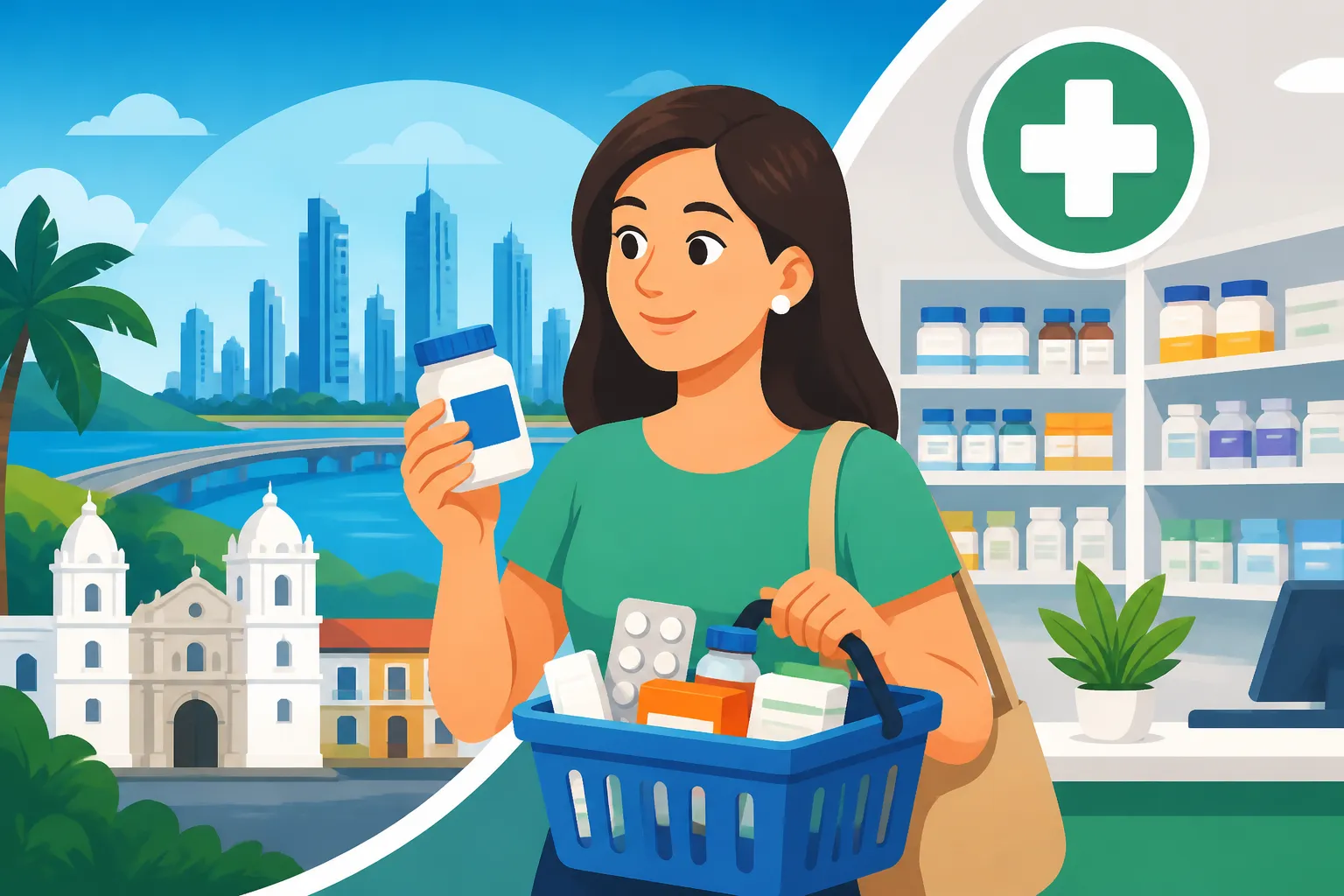
Panama has a range of pharmacies, from large chain stores to smaller, independent farmacias that might feel a bit more traditional. You'll quickly notice major chains like Farmacias Arrocha, Metro Pharmacy, and Farmacias Revilla. These larger stores are often found in shopping centers or stand-alone locations, much like drugstores back home. They usually have a wider selection of products, from medicines to toiletries, snacks, and even some household items. They’re often well-lit, air-conditioned (a blessing in Panama!), and staff tend to be used to dealing with foreigners, especially in Panama City.
On the other hand, you’ll also find smaller, neighborhood farmacias tucked away on street corners. These might have a more limited selection but can offer a more personalized experience. The pharmacist often knows their regular customers by name and can be a fantastic resource for local remedies or advice, even if their English might be less fluent. It’s worth noting that many pharmacies, especially the larger chains, operate on extended hours, with some even open 24/7 in major cities, which is incredibly reassuring for those unexpected late-night needs. When you step inside, whether it’s a big chain or a small local spot, expect to often find a counter where you speak directly to a pharmacist or a pharmacy assistant, even for over-the-counter items. Unlike some countries where you just grab cold and flu meds off a shelf, here, many items are kept behind the counter, requiring a brief interaction.
Deciphering Prescriptions: Local vs. Foreign Scripts
This is where things can get a little tricky for new expats. If you're coming with a prescription from your home country, don't assume it will be directly accepted or easily filled. Panamanian pharmacists generally require a local receta médica (medical prescription) from a Panamanian doctor. This isn't just bureaucracy; it's about ensuring the medication prescribed is appropriate for the local context, that the dosage forms are available, and to verify the legality of the drug here. So, what do you do? The best approach is to schedule an appointment with a local doctor as soon as possible, especially if you have chronic conditions. You can bring your foreign prescription, and the Panamanian doctor will then write a local one.
I’ve had friends try to get a prescription filled with an overseas doctor's note, only to be politely but firmly turned away. It’s frustrating, especially when you’re not feeling well, but it’s their system. The local doctors are usually understanding and, once they review your medical history and existing prescriptions, will issue a Panamanian equivalent. This also ensures that if there are any subtle differences in medication names or formulations, you get the correct local alternative. If you're wondering how to even find a local doctor, we have an excellent guide on How to Find an English-Speaking Doctor in Panama that can help you get started.
Communicating Your Needs: Language Barriers and Local Customs
Communication can be the biggest hurdle. While many staff in larger pharmacies in expat-heavy areas like Panama City and Boquete might speak some English, it’s not guaranteed, especially in smaller towns. Learning some basic Spanish medical terms will go a long way. Phrases like ¿Tiene [nombre del medicamento]? (Do you have [medication name]?), Necesito una receta (I need a prescription), or Para el dolor de cabeza (For a headache) can be invaluable. Don't be shy about using a translation app on your phone; many pharmacists are patient and appreciate the effort.
Beyond language, there are subtle customs. Panamanian pharmacists are generally very knowledgeable and approachable. They’re often the first point of contact for minor health issues and can provide advice or recommend over-the-counter solutions, which is a great benefit. Be prepared to describe your symptoms clearly if you don't have a prescription. They might ask a few questions to ensure they're recommending the right thing. Patience is key; don't rush the interaction. A friendly hola and gracias go a long way in building rapport.
Understanding Panamanian Medication Categories
Just like in many other countries, Panama categorizes medications into different groups based on their active ingredients, potential risks, and how they are dispensed. Knowing these distinctions can help you navigate the system more effectively and understand why some items are readily available while others require a doctor's signature.
Over-the-Counter OTC Availability and Common Ailments
The good news for many expats is that a surprising number of medications that require a prescription in places like the US or Canada are available over-the-counter (OTC) in Panama. This includes many antibiotics, certain anti-inflammatory drugs, stronger pain relievers, and even some medications for conditions like asthma. This can be a huge relief if you’re dealing with a sudden infection or a flare-up of a common ailment and can't immediately get to a doctor. For example, if you wake up with a nasty ear infection or a severe sore throat, you might be able to walk into a pharmacy and get a course of antibiotics after a brief chat with the pharmacist.
For common ailments, you'll find a wide array of options. Headaches, colds, allergies, upset stomachs, and minor cuts are all well-covered by OTC remedies. Brands you recognize might be available, or you might find local equivalents. It’s always a good idea to ask for the genérico (generic) version if available, as it can often be significantly cheaper. However, a word of caution: just because you can get powerful drugs OTC doesn't always mean you should self-medicate without proper understanding or advice. It’s always best to consult a doctor, even if just through a quick teleconsultation, especially for anything beyond a mild annoyance. The convenience is there, but so is the responsibility to use it wisely.
Prescription-Only Drugs: The "Receta Médica" Process
For more potent medications, controlled substances, or drugs for serious chronic conditions, a receta médica (medical prescription) from a licensed Panamanian doctor is absolutely necessary. This is especially true for things like strong painkillers, certain psychiatric medications, and often for drugs used in specific long-term treatments. The process is straightforward once you have your doctor: they will write out the prescription on a standard form, often with the doctor's stamp and license number. You take this to the pharmacy, and they will dispense the medication. Sometimes, the pharmacist might keep the original prescription, especially for controlled substances, so be prepared for that.
It's crucial to understand that forging or altering prescriptions is taken very seriously. Always ensure your prescription is clear, legible, and includes all necessary details like the drug name, dosage, frequency, and the doctor's information. If you're on a medication that requires a recurring prescription, your doctor will advise you on how frequently you need to get a new one. This might mean regular doctor visits, which is part of Navigating the Panamanian Healthcare System: An Expat's Roadmap (2027). The system is designed to prevent misuse, and while it might feel like an extra step, it’s there for everyone’s safety.
Generic vs. Brand Name Medicines: Choices and Cost Implications
One of the great aspects of buying medicines in Panama is the prevalence and affordability of generic drugs. You'll often be asked by the pharmacist if you want the genérico (generic) or de marca (brand name) version. Generics are typically much, much cheaper, sometimes a fraction of the cost of their brand-name counterparts, and often just as effective. This can make a significant difference to your out-of-pocket expenses, especially if you're on long-term medication. Many expats, including myself, have found this to be a pleasant surprise compared to healthcare costs in other countries.
For example, a course of a common antibiotic might be $5-10 for the generic, while the brand name could be $20-30 or more. The active ingredients are the same, and Panamanian regulations ensure they meet quality standards. When you’re at the pharmacy counter, don't hesitate to ask ¿Hay genérico? or ¿Cuál es la diferencia de precio? (Is there a generic? or What is the price difference?). This is a perfectly normal question, and pharmacists are used to it. Opting for generics is a smart financial move that doesn't compromise on your health, giving you more flexibility in managing The Cost of Healthcare in Panama: A Complete Breakdown for Foreigners (2026).
| Medication Type | Common Availability | Example (Generic/Brand) | Price Range (USD) | Notes |
|---|---|---|---|---|
| Pain Relievers | OTC | Ibuprofeno/Advil | $2 – $10 | Many stronger options OTC too. |
| Antibiotics | Often OTC | Amoxicilina/Amoxil | $5 – $25 | Pharmacist consultation often required for OTC. |
| Allergy Medications | OTC | Loratadina/Claritin | $3 – $15 | Wide range of options. |
| Antacids | OTC | Omeprazol/Prilosec | $4 – $20 | Various forms (tablets, liquid). |
| Cold & Flu | OTC | Paracetamol/Tylenol | $2 – $12 | Combination drugs common. |
| Blood Pressure Meds | Prescription | Losartán/Cozaar | $10 – $40 | Generic highly recommended for cost savings. |
| Diabetes Meds | Prescription | Metformina/Glucophage | $8 – $30 | Regular doctor visits essential. |
The Cost and Logistics of Buying Medicine
Understanding how much you'll pay and how to manage the practicalities of obtaining your medication is a crucial part of integrating into Panama's healthcare system. It's often where the biggest surprises (both good and bad) can pop up for new arrivals.
Pricing Structures and How to Find Value
As mentioned, generic medicines are generally very affordable in Panama. However, brand-name drugs, especially those recently introduced or imported, can sometimes be as expensive, if not more, than in your home country. The pricing isn't always standardized across different pharmacy chains, though for common items, the variation isn't usually drastic. It pays to compare prices, especially for non-urgent or more expensive medications. Farmacias Arrocha and Metro Pharmacy are known for their competitive pricing and frequent promotions, sometimes offering discounts on specific brands or for larger purchases.
For expats on a budget or those looking to minimize healthcare expenses, always ask about generic alternatives. Don't assume the first price you're quoted is the only option. Also, consider that some medications might be available in different package sizes. Sometimes buying a larger pack can be more cost-effective in the long run, especially for chronic conditions, but always check the expiry dates! While the overall cost of a doctor's visit may be very reasonable, managing your ongoing medication budget is a key part of Understanding Out-of-Pocket Healthcare Costs and Co-Pays in Panama.
Payment Options and Health Insurance Reimbursement
Most pharmacies in Panama accept cash (US dollars, as Panama uses the USD), major credit cards (Visa, Mastercard, American Express), and local debit cards. Contactless payment is also becoming more common in larger chains. When paying, you might sometimes be asked for your cédula (Panamanian ID card) or passport for prescription medications, especially for controlled substances, for record-keeping purposes.
Regarding health insurance, this is where it gets a bit more complex. If you have private health insurance in Panama, whether it's a local plan or an international one, you'll generally pay out-of-pocket at the pharmacy and then submit a claim for reimbursement. It's very rare for pharmacies to directly bill your insurance provider, especially for outpatient prescriptions. Always keep your receipts (facturas) meticulously, as you'll need them for your claims. If you're a new expat, or just visiting, having reliable travel insurance like SafetyWing can be a lifesaver for unexpected medical costs, though you’ll still follow the reimbursement model. Remember to check your specific policy for medication coverage, deductibles, and the claims process. For more on this, check out How to Claim Reimbursement from Private Insurance in Panama.
Ordering Special Medications or Bulk Purchases
If you require a very specific, less common medication, or if you need a large quantity for a chronic condition, you might find that some smaller pharmacies don't have it in stock. In such cases, the larger pharmacy chains are usually your best bet. Many larger Farmacias Arrocha or Metro Pharmacy locations have a wider inventory and can often special-order medications that aren't readily available. This process might take a few days, so plan ahead if you know you'll need something specific.
When dealing with special orders, make sure you have your prescription absolutely clear, including the active ingredient, dosage, and quantity. Confirm the estimated arrival time and payment terms before committing. For medications needed for long-term health issues, it's wise to build a relationship with a particular pharmacy or pharmacist who can help you manage your stock and anticipate refills. This proactive approach can prevent stressful situations where you're running low on essential medication.
Managing Chronic Conditions and Specialist Prescriptions
Living with a chronic condition in a new country adds an extra layer of complexity to healthcare. Panama's system, while accessible, requires understanding how to consistently source your medications and navigate specialist care.
Sourcing Medications for Long-Term Health Issues
For expats with chronic conditions like diabetes, hypertension, thyroid issues, or autoimmune diseases, continuity of medication supply is paramount. The first step, as mentioned, is establishing care with a local Panamanian doctor. They will review your medical history, perform any necessary tests, and then issue local prescriptions. It's advisable to get prescriptions for a longer duration, if possible, perhaps for 3-6 months, to reduce the frequency of doctor visits, which can sometimes be a hassle, especially if you have to wait for appointments.
Once you have your local prescription, identify one or two trusted pharmacies that consistently stock your medication, or that can reliably order it for you. This often means favoring the larger chains like Farmacias Arrocha or Metro Pharmacy that have more robust supply chains. Keep track of when your prescriptions expire and when you'll need a refill to avoid running out. Many expats keep a small buffer supply of critical medications, especially for the first few months, until they get comfortable with the local system. If your medication regimen is complex, consider getting a printout of your full medication list, including generic and brand names, from your home country doctor to share with your Panamanian physician. This makes the transition smoother and minimizes errors.
Navigating Specialist Referrals for Specific Drugs
If your chronic condition requires oversight from a specialist, such as an endocrinologist, cardiologist, or rheumatologist, your general practitioner in Panama will typically provide a referral. Specialists will then prescribe medications specific to your condition. The good news is that Panama City, in particular, boasts excellent private hospitals like Hospital Punta Pacifica and Hospital Nacional, which house a wide range of highly qualified specialists, many of whom are English-speaking. Getting a referral and securing an appointment for specialist care might take some time, similar to other countries.
These specialists will issue prescriptions that can then be filled at local pharmacies. For highly specialized or newer drugs, the pharmacist might need to order them, which reiterates the importance of planning ahead. For expats, understanding How Specialist and Hospital Referrals Work in Panama can alleviate a lot of anxiety about accessing this higher level of care. Always ensure you have enough medication to last until your next specialist appointment or until any special orders arrive.
Importing Medications: When It's Necessary and How It Works
There might be rare instances where a specific medication you need is not available in Panama, either due to regulatory reasons or simply a lack of demand. In such cases, importing the medication might be an option, but it's a path fraught with challenges and strict regulations. Panama's Ministry of Health (MINSA) has stringent rules about importing pharmaceuticals. Generally, you cannot simply have a prescription drug mailed to you from overseas. It will likely be confiscated at customs.
For absolutely essential, unavailable medications, your Panamanian doctor would need to apply for special permission from MINSA to import it for you. This is a complex, time-consuming process that usually involves extensive documentation, justifying the medical necessity, and confirming the drug’s safety. It’s not something to undertake lightly and typically requires the assistance of your prescribing doctor and potentially a local lawyer familiar with medical import regulations. This is why it’s always best to first explore if a suitable generic or alternative medication is available within Panama before considering the arduous import process. Many international health insurance providers, such as SafetyWing, will only cover medications legally obtained within the country of residence or through approved import channels.
Essential Tips and Resources for Expats
Settling into any new country involves a learning curve, and managing your health and medication needs in Panama is no exception. A little preparation and knowing where to turn can make all the difference.
Building a Relationship with a Trusted Pharmacist
In Panama, the local pharmacist can be an invaluable ally, much like in many European countries where pharmacists play a more central role in primary healthcare. They are highly trained professionals who can offer advice on minor ailments, recommend OTC solutions, and help you understand your prescription medications. Finding a farmacia where you feel comfortable and where the staff are helpful (and ideally, English-speaking if your Spanish isn't quite there yet) can be a real game-changer.
Once you find such a place, try to stick with it. The pharmacists will get to know you, your general health needs, and the medications you regularly use. This familiarity can be incredibly beneficial for continuity of care, especially if you have chronic conditions. They can alert you to potential drug interactions, remind you when it's time for a refill, or even call your doctor if there's a question about a prescription. Don't underestimate the power of a friendly smile and a consistent presence in building these relationships. It’s part of the community spirit that makes expat life here so rewarding.
What to Do in an Emergency: After-Hours and Urgent Needs
Emergencies don't stick to business hours, and knowing where to get medication when everything else seems closed is vital. As mentioned earlier, many larger pharmacy chains, especially in Panama City and other urban centers, operate 24/7. This is a huge relief if you suddenly need an antibiotic for a child's fever in the middle of the night or an emergency prescription filled. Always keep a mental note (or a physical note on your phone!) of the nearest 24-hour pharmacy to your home.
For more severe medical emergencies, your best course of action is to head straight to a hospital emergency room. Hospitals like Punta Pacifica, Hospital Nacional, or Santo Tomás (a public hospital) have 24-hour emergency services where you can be seen by a doctor and get immediate prescriptions if necessary. After the initial treatment, you can then fill those prescriptions at the hospital pharmacy or a nearby 24-hour farmacia. For a deeper dive into emergency care, our guide on Emergency Medical Care in Panama: What Every Expat Needs to Know is a must-read.
Maintaining a Home Medical Kit and Travel Preparedness
Even with readily available pharmacies, having a well-stocked home medical kit is essential for any expat in Panama. This is particularly true if you live outside of major cities where 24/7 pharmacies might be less common. Your kit should include basic first aid supplies, pain relievers, allergy medication, anti-diarrhea medicine (very useful in the tropics!), topical antiseptic creams, and any non-prescription remedies you use regularly. Consider also including mosquito repellent and sunscreen, as these are everyday necessities here.
When traveling within Panama or even internationally, always carry a sufficient supply of your essential prescription medications with you in your carry-on luggage. Never pack critical medications in checked baggage, as it could get lost or delayed. It’s also wise to carry a copy of your prescription (or a doctor’s note) for any controlled substances, just in case you're questioned at airports or borders. This simple act of preparedness can save you immense stress and potential health risks. For a detailed checklist, refer to our article on What Should I Pack in a Home Medical Kit for Panama?. Being prepared means you can enjoy the beautiful country without unnecessary worries about your health.
Disclaimer
The information provided in this guide is intended for general informational purposes only and does not constitute medical advice. While we strive to offer accurate and up-to-date information, local regulations, availability of medications, and medical practices can change. Always consult with a qualified Panamanian medical professional for any health concerns or before making any decisions related to your health or medication. Relying solely on the information presented here is at your own risk.