How Do I Check What I Need to Move to Panama?
Figuring out what you actually need to move to Panama can feel like trying to solve a Rubik's Cube blindfolded, right? The endless checklists, the bureaucratic hurdles, the sheer volume of information – it’s enough to make anyone want to throw in the towel before they even start. I’ve been there, staring at a stack of forms wondering if I’d ever get it right. But don't you worry, I’m here to tell you it's entirely manageable with the right guidance. This comprehensive guide is designed to cut through the noise, helping you pinpoint exactly what you need to prepare for your exciting new life here in Panama.
Initial Self-Assessment: Understanding Your Starting Point
Before you even start looking at specific visa types or packing boxes, the very first step in checking what you need for a move to Panama is to honestly assess your own situation. This isn't just about what Panama demands, but what your circumstances dictate. Trust me, overlooking this crucial introspection can lead to a lot of wasted time and frustration down the line.
Your Nationality and Current Location
Your passport is perhaps the most significant piece of the puzzle. Different nationalities have different relationships with Panama, and these can drastically alter your entry requirements and long-term residency options. For instance, citizens from many "Friendly Nations" have a distinct advantage when it comes to certain residency pathways, making the process smoother and often quicker. If you're from a country that isn't on that list, your options might be more limited, focusing on retirement visas, investor visas, or employment-based routes.
It's also essential to consider where you're moving from. Are you already in Central America, or are you coming from halfway across the world? The logistics of gathering documents, getting them apostilled, and then submitting them can vary wildly. Some countries have quicker processes for police checks or birth certificate requests, while others might take months. Being aware of your home country's administrative efficiency will help you set realistic timelines for your move.
Your Reason for Moving
Why Panama? The answer to this question isn't just for your personal reflection; it's fundamental to determining your immigration path. Are you looking to retire and enjoy a more relaxed pace of life? The Pensionado (Retiree) Visa in Panama is a fantastic option with some incredible benefits. Perhaps you're looking for new career opportunities, or you're an entrepreneur wanting to set up a business. For those, the Friendly Nations Visa in Panama might be your ticket, requiring either a job offer or the creation of a local company.
Maybe you're planning to study at one of Panama's universities, or you're an investor looking to capitalize on the country's growing economy. Each of these intentions aligns with specific visa and residency programs, each with its own set of requirements and paperwork. Trying to fit a square peg into a round hole by applying for a visa that doesn't match your true purpose is a recipe for rejection and delays. Be clear about your primary objective for moving here.
Your Financial Situation and Long-Term Goals
Let's talk money, because it's always a big factor. The financial requirements for moving to Panama can vary significantly based on your chosen residency path. The Pensionado Visa, for example, requires a guaranteed lifetime income, while investor visas demand a substantial capital outlay. Even if you're pursuing a work visa, you'll need to demonstrate sufficient funds to support yourself during the initial setup phase.
Beyond the immediate costs of visas and flights, you need to consider your long-term financial viability. What's your budget for living here? Panama offers a range of lifestyles, from very affordable to quite luxurious, but it's crucial to understand the Cost of Living in Panama for Expats. Furthermore, are you aiming for permanent residency in Panama, and eventually Panamanian citizenship? Some paths lead more directly to these goals than others. A clear financial picture and a vision for your future in Panama will guide you toward the most appropriate immigration strategy.
The Big Three: Visa, Residency, and Work Permits
Once you have a good handle on your personal circumstances and intentions, it's time to delve into the nitty-gritty of Panama's immigration framework. This is often the most daunting part for newcomers, but breaking it down makes it much more manageable.
Navigating Panama's Visa and Residency Options
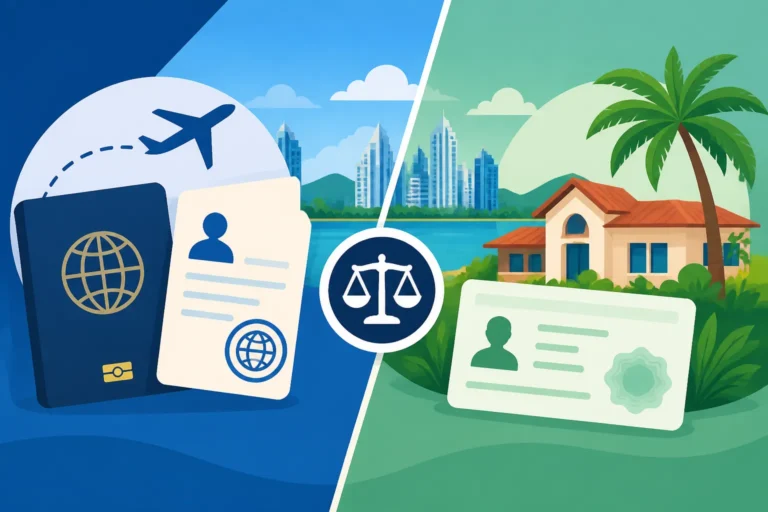
Panama offers a variety of visa programs designed to attract different types of foreigners, each with its own set of stipulations. It’s absolutely critical to grasp the distinction between a visa (permission to enter and stay for a specific period) and residency (permission to live long-term, often with a path to permanent status). Many people confuse the two, leading to misunderstandings.
Let's look at a couple of popular options:
- The Pensionado (Retiree) Visa: This is a gold-standard option for many retirees, requiring proof of a minimum lifetime pension or annuity of $1,000 USD per month. If you purchase property valued at $100,000 or more, this minimum can drop to $750. The benefits are quite attractive, including discounts on various services and entertainment. You can find a complete breakdown in The Expat Guide to the Pensionado (Retiree) Visa in Panama (2026).
- The Friendly Nations Visa: Geared towards citizens of approximately 50 countries, this visa used to be a very straightforward path. While it's undergone some changes, it still offers a route to residency if you establish economic ties, typically through employment with a Panamanian company or by incorporating a company and demonstrating economic activity. For current details, consult Understanding the Friendly Nations Visa in Panama (2026).
- The Qualified Investor (Golden Visa) Programme: For those with more substantial capital, this program offers residency in exchange for an investment of at least $300,000 in real estate, a Panamanian stock market purchase, or a fixed-term deposit in a Panamanian bank. This is often the fastest route to permanent residency for eligible individuals.
Here's a quick comparison of some common residency paths in Panama:
| Residency Program | Key Requirement | Path to Permanent Residency | Key Benefits |
|---|---|---|---|
| Pensionado (Retiree) Visa | $1,000/month lifetime pension or annuity (less with property) | Immediate Permanent | Discounts on flights, utilities, medical care, entertainment, duty-free car import |
| Friendly Nations Visa | Economic ties (employment, company incorporation, property) | After 2 years Provisional | Ability to work and establish business (with work permit) |
| Qualified Investor Visa | $300,000+ investment (real estate, stock, bank deposit) | Immediate Permanent | Fast track to permanent residency |
| Work Visas | Employer sponsorship, specific skillsets | Varies, often long-term | Legally employed, contributes to social security |
This table provides a high-level overview, but remember, the specifics are in the details, which is why further research into How to Get Residency in Panama: The Full Guide (2027) is invaluable.
Understanding Work Permits and Employment
If your plan includes working in Panama, whether for a local company or as a self-employed individual, a work permit is almost always a separate requirement from your residency visa. This is a common point of confusion for expats. Even if you have a residency visa, it doesn't automatically grant you the right to work.
Panama has strict labor laws designed to protect local employment, including a "10% rule" that limits foreign workers to no more than 10% of a company's general workforce. This means finding local employment can be challenging, especially without strong Spanish language skills or highly specialized qualifications. If you secure a job, your employer will typically need to sponsor your work permit application. Many expats find opportunities in sectors like finance, logistics, or tourism, particularly with multinational companies. For a deeper dive, check out The Complete Guide to Working in Panama as a Foreigner (2026).
Alternatively, many foreigners choose to be self-employed or freelance, working remotely for foreign clients. While this offers flexibility, you still need to understand your legal obligations. Depending on the nature of your work and where your income is sourced, you might need to register as a self-employed taxpayer with the DGI (Panama's tax authority) and potentially obtain a specific permit. Even if your income is foreign-sourced and therefore not taxed in Panama, you still need to ensure you're legally residing and operating within the country's framework.
The Importance of a Panamanian Lawyer
I cannot stress this enough: navigating Panama's immigration system is not a do-it-yourself project for most people. The laws are complex, they change, and the interpretation of requirements by immigration officials can be nuanced. Trying to save a few dollars by bypassing a lawyer can end up costing you far more in delays, rejected applications, and sheer mental anguish.
A good, experienced Panamanian immigration lawyer is your most valuable asset. They will:
- Assess your eligibility: They can tell you exactly which visa options are viable for your specific situation.
- Guide you through document gathering: They'll provide precise lists of required documents, including apostille requirements, and help you ensure everything is correctly translated and authenticated. Getting your documents apostilled for Panama Immigration is a critical step that many overlook or misunderstand.
- Handle submissions and follow-ups: They know the system, the key contacts, and how to track your application efficiently.
- Troubleshoot issues: If unexpected problems arise, they have the expertise to address them.
While you'll pay fees for their services, consider it an investment in a smooth, successful transition. Do your due diligence, get recommendations, and interview a few lawyers before committing. This is one area where expertise truly pays off.
Practicalities Beyond Paperwork: Health, Housing, and Logistics
So, you've got a handle on the immigration side of things. Great! But moving to a new country involves so much more than just visas. You need a place to live, access to healthcare, and a plan for how you'll get your life from Point A to Point B. These are the practical considerations that often hit expats unexpectedly.
Health Insurance and Healthcare Access
Your health is paramount, and ensuring you have adequate healthcare coverage in Panama is a non-negotiable step. Panama has a dual healthcare system: the public Caja de Seguro Social (CSS) and a robust private sector. While the CSS is available to those contributing through employment, many expats, especially those not working for a Panamanian company, opt for private health insurance.
The private hospitals in Panama City, such as Hospital Punta Pacifica and Hospital Nacional, offer excellent care, often with English-speaking doctors and state-of-the-art facilities. However, this quality comes at a cost, and you absolutely don't want to face a medical emergency without proper insurance. International health insurance providers like Cigna Global are popular among expats because they offer comprehensive coverage that works both in Panama and internationally, providing peace of mind no matter where your travels take you. It’s worth exploring different plans and understanding what they cover. For a more detailed look, check out How Panama's Health System Works: CSS and Private Care Explained (2027) and How Much Does Private Health Insurance Cost in Panama in 2026?.
Finding Your Home in Paradise
Where will you lay your head at night? This is a big one. Panama offers a diverse range of living environments, from the bustling high-rises of Panama City to the tranquil mountains of Boquete or the Caribbean vibes of Bocas del Toro. Your choice will largely depend on your lifestyle preferences and budget.
- Renting: Most expats start by renting. The rental market, especially in Panama City, is dynamic. You’ll need to understand how to sign a rental contract and pay a deposit in Panama, which can differ from what you’re used to. It's common to pay a security deposit (usually one month's rent) and the first month's rent upfront. Always ensure you have a clear, written contract that specifies terms like lease duration, rent increases, and what’s included (utilities, maintenance). For a thorough walkthrough, see The Complete Guide to Renting an Apartment in Panama (2026).
- Buying: If you're ready to invest, foreigners can buy property in Panama. However, it's a process that requires careful due diligence, especially when dealing with property titles and understanding the difference between titled land and Rights of Possession (ROP) property. Working with a reputable real estate agent and lawyer is crucial. This is a significant investment, so arm yourself with knowledge from resources like How to Buy Property in Panama as a Foreigner: The Full Guide (2026).
Once you've found your place, you'll also need to set up utilities like electricity, water, and internet, which is a fairly straightforward but sometimes bureaucratic process.
Moving Your Belongings to Panama
The logistics of moving your entire life across borders can feel like a herculean task. You'll need to decide what to bring and what to leave behind, especially considering shipping costs and customs duties. Panama generally allows you to import household goods duty-free if you are moving there for permanent residency, but strict rules and documentation apply.
This is where services like Sirelo come in handy. They can connect you with international moving companies, allowing you to compare quotes and find reliable movers experienced in shipping to Panama. Getting multiple quotes is essential, as prices can vary widely. Think about what you truly need versus what you can replace or live without. Heavy, bulky items often cost more to ship than they're worth. Also, remember that many rental apartments come furnished, which can significantly cut down on your moving costs. Consider the climate too; heavy winter clothing or large furniture might not be practical in Panama's tropical heat.
Building Your Panama Action Plan: Next Steps and Resources
You’ve gathered information, you’ve assessed your situation, and you’ve started to get a feel for the requirements. Now, it’s time to convert this knowledge into a concrete action plan.
Creating Your Personalized Checklist
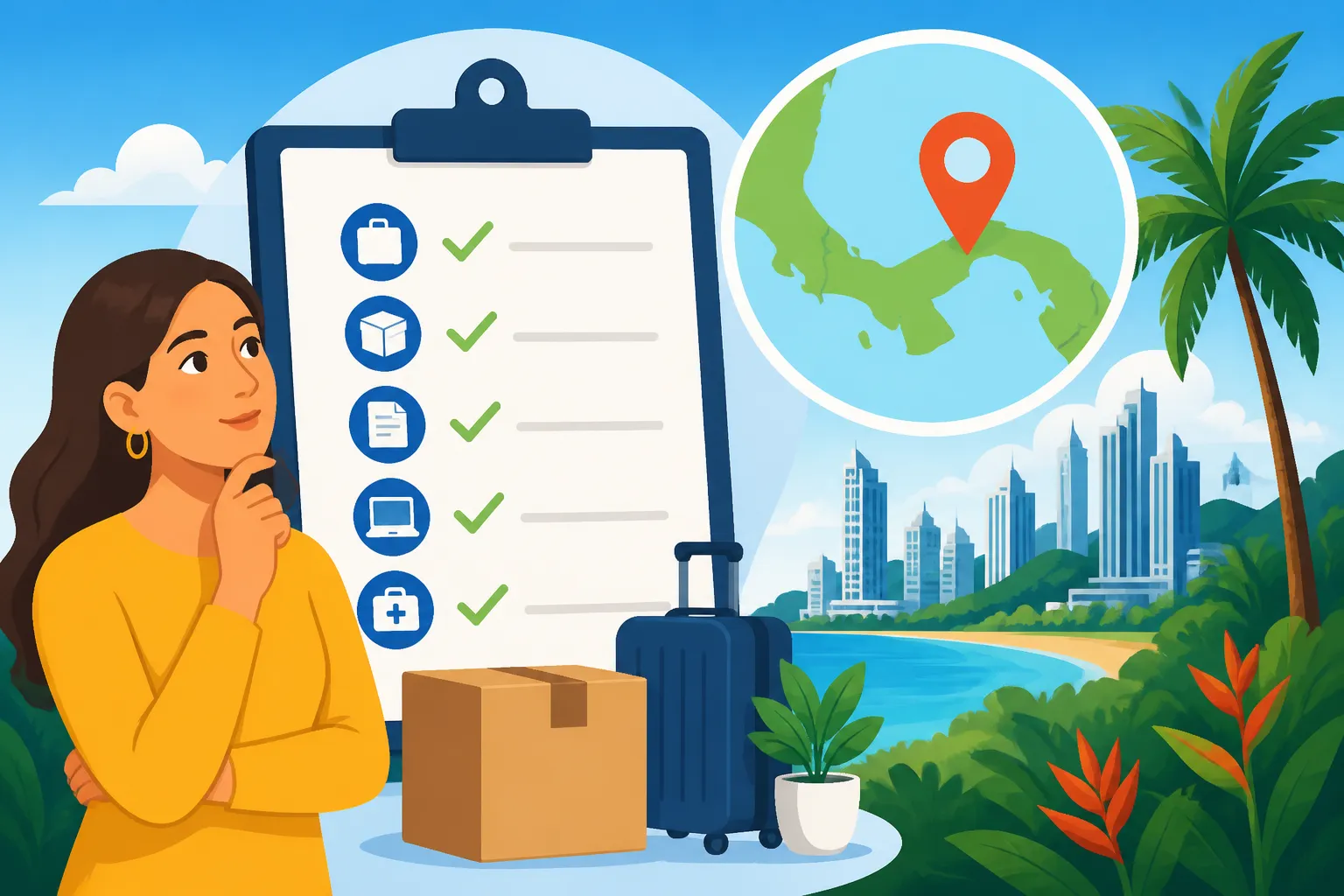
The most effective way to manage your move is to create a detailed, personalized checklist. Don't rely solely on generic lists; tailor it to your specific visa type, your nationality, and your personal needs. Break down each major requirement into smaller, actionable steps. For example, under "Gather Documents," you might have: "Request apostilled birth certificate," "Obtain police clearance from home country," "Get financial statements translated and notarized."
Assign deadlines to each task, even if they're just aspirational. This helps maintain momentum and ensures you don't overlook anything critical. Be prepared for things to take longer than expected – Panama time is a real thing, and bureaucracy can move at its own pace. Flexibility and patience are your best friends during this process.
Essential Documents to Gather
Regardless of your specific visa path, there are certain foundational documents that almost everyone will need. Start gathering these as early as possible, as some can take weeks or even months to obtain:
- Passport: Must be valid for at least six months beyond your intended stay.
- Police Records/Background Checks: From your country of origin and any country you've resided in for the past five years. These often need to be recent (within 3-6 months).
- Birth Certificate: For all applicants, including dependents.
- Marriage Certificate (if applicable): For spouses applying together.
- Financial Solvency Proof: Bank statements, pension letters, investment portfolios, etc., depending on your visa type.
- Apostille or Legalization: Most foreign documents must be apostilled in your home country (if your country is a signatory of the Hague Apostille Convention) or legalized by a Panamanian consulate. This step is non-negotiable and time-consuming. Revisit How to Get Your Documents Apostilled for Panama Immigration for precise steps.
- Medical Certificate: Obtained in Panama by a Panamanian doctor.
- Eight Passport-Sized Photos: Make sure they meet Panamanian specifications.
Keep digital copies of everything and multiple physical copies. Organize them meticulously in a binder, separating originals from copies. This will save you countless headaches when dealing with various government offices.
Learning the Language and Local Culture
While not a formal requirement for all visas, making an effort to learn Spanish will significantly enrich your experience and ease your transition. Many Panamanians in urban centers or tourist areas speak English, but daily life, especially outside these bubbles, operates in Spanish. Even basic conversational Spanish will help you navigate markets, interact with service providers, and connect with locals on a deeper level.
Beyond language, understanding and respecting the local culture is key. Panamanians are generally warm and friendly, but patience, especially with administrative processes, is a virtue here. Things might not operate with the same clockwork efficiency you're used to, and that's okay. Embrace the slower pace, be polite, and try to learn about local customs and traditions. A little effort goes a long way in feeling at home and being accepted in your new community. This deeper understanding will make your move to Panama not just a relocation, but a true integration.
Disclaimer
Please remember that immigration laws and requirements in Panama can change without prior notice. The information provided in this article is intended for general guidance only and does not constitute legal advice. Always consult with a qualified Panamanian immigration lawyer or the National Immigration Service (Servicio Nacional de Migración) for the most accurate and up-to-date information regarding your specific situation.