How Do I Find a Psychologist in Panama City?
Moving to a new country, especially one as vibrant and complex as Panama, often brings a mix of excitement and unexpected challenges. One of the biggest hurdles many of us expats face, yet rarely talk about, is finding accessible and culturally sensitive mental health support when we need it most. It's tough enough dealing with the ups and downs of expat life without feeling isolated when you need to talk to someone. This guide is here to walk you through the process of finding a psychologist in Panama City who understands your needs and can offer effective support.
Understanding Mental Health Services in Panama City as an Expat
When you first arrive, the healthcare system in Panama, including mental health services, can feel like a labyrinth. It’s not always straightforward, and the cultural context can make finding the right support even more challenging. Unlike some Western countries where talking to a therapist is fairly common, mental health discussions in Panama can sometimes carry a different stigma, which can impact how services are structured and accessed.
The Initial Hurdles: Language and Cultural Nuances
The most immediate and obvious hurdle you’ll encounter is the language barrier. While many Panamanian professionals in fields like medicine or business may speak English, it's not always a given, especially outside of the most international clinics. When it comes to something as nuanced and personal as therapy, clear and precise communication is absolutely essential. You need to be able to express your deepest thoughts and feelings without getting lost in translation, or worse, having them misunderstood. Imagine trying to explain complex emotional states or past traumas in a language you're not fully comfortable with – it can be incredibly frustrating and even counterproductive.
Beyond language, there are cultural nuances. What might be considered a common therapeutic approach in your home country might be less prevalent here, or vice versa. Panamanian psychologists are trained within a specific cultural context, which means their understanding of family dynamics, social pressures, and individual coping mechanisms might differ from what you’re used to. It's not necessarily a bad thing, but it’s something to be aware of. You want a therapist who not only listens but also truly grasps the unique pressures of expat life, something many locals might not fully comprehend.
Public vs. Private Mental Healthcare Landscape
Panama has both public and private healthcare systems, and this extends to mental health services. The public system, managed by the Caja de Seguro Social (CSS), does offer psychological services, but as an expat, accessing these can be quite an undertaking. Wait times can be long, resources might be stretched thin, and English-speaking professionals are much rarer. If you're a contributing member of the CSS through employment, you might be able to utilize these services, but they are generally more geared towards the local population and often involve navigating significant bureaucracy. For a detailed look into the overall healthcare landscape, check out The Complete Guide to Healthcare in Panama for Expats (2027).
Most expats, especially those seeking specific therapeutic approaches or English-speaking providers, tend to lean heavily on the private sector. Private clinics and individual practitioners in Panama City, particularly in areas like Obarrio, El Cangrejo, and Punta Pacifica, offer a much wider range of services, shorter wait times, and a higher likelihood of finding English-speaking psychologists. These services, however, come at a cost. Understanding the difference between these two systems is crucial for making an informed decision about your mental health care, as covered in Public vs Private Healthcare in Panama: What Expats Need to Know.
The Importance of Professional Licensing and Qualifications
Just like in any country, it's paramount to ensure that any mental health professional you consider in Panama City is properly licensed and qualified. The field of psychology, like medicine, is regulated. In Panama, psychologists are typically licensed by the Ministry of Health (Ministerio de Salud or MINSA) and may also be members of professional associations such as the Asociación Panameña de Psicólogos (APP). It's always a good idea to verify credentials. Don't be shy about asking a potential therapist about their educational background, years of experience, specific areas of expertise, and licensing. A reputable professional will be transparent and willing to provide this information.
While some therapists may have international training or certifications, their ability to practice legally in Panama will depend on their local licensing. This due diligence ensures you're receiving care from someone who meets established professional standards and is accountable for their practice. Choosing a qualified and ethical practitioner is a foundational step to effective therapy, ensuring your well-being and trust are prioritized.
Practical Steps to Finding an English-Speaking Psychologist
Finding the right psychologist is a very personal journey, and it often involves a bit of legwork. For expats in Panama City, the search can feel a little bit like looking for a needle in a haystack, but with the right strategies, you can absolutely find excellent support. The key is to be proactive and persistent.
Online Directories and Expat Networks
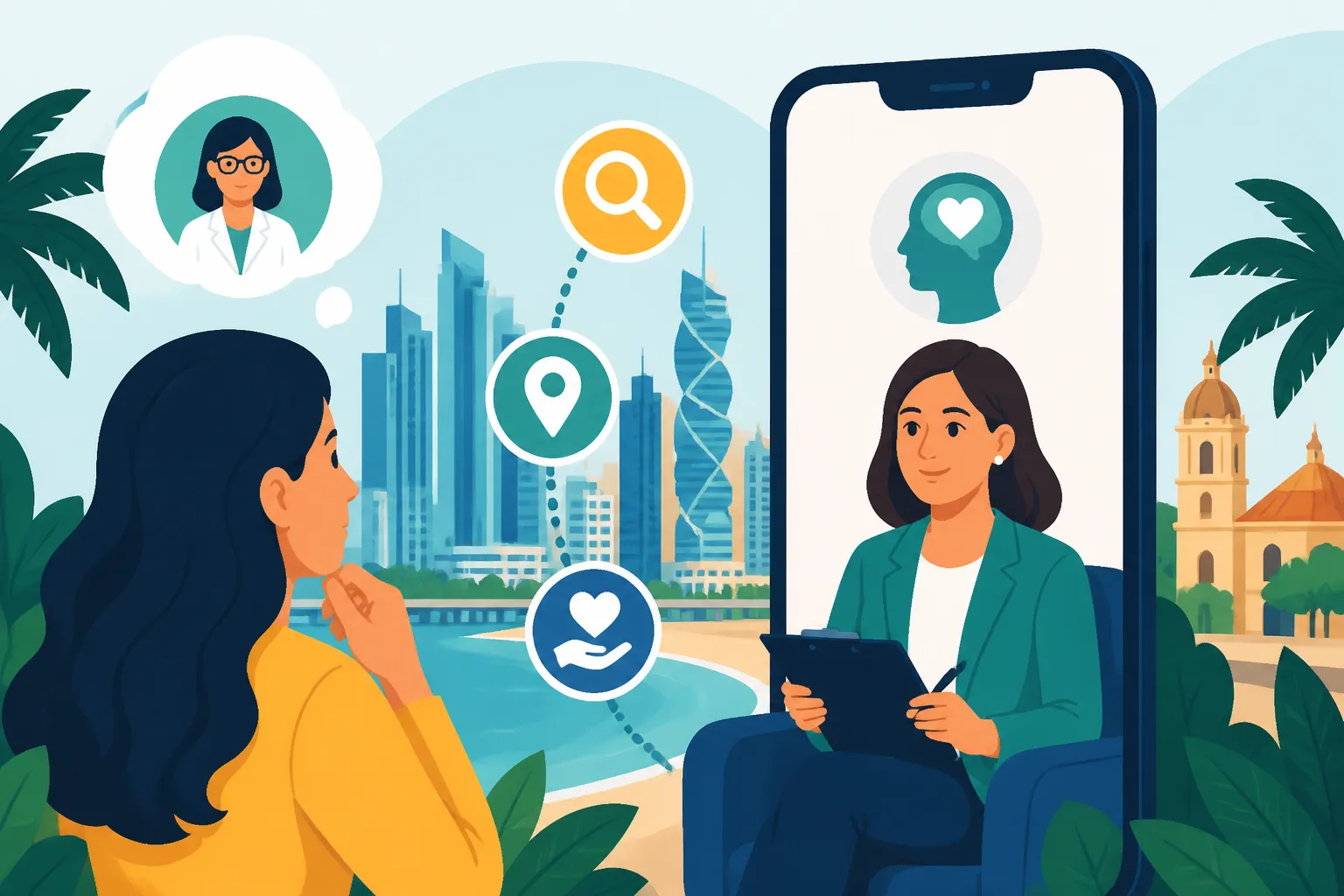
One of the first places to start your search is online. Websites like Psychology Today have international listings, and you can filter by location (Panama City), language (English), and even specific therapeutic approaches or issues (e.g., anxiety, depression, expat adjustment). This can be a treasure trove of information, providing profiles, contact details, and sometimes even a brief introductory video for each therapist. Reading through these profiles can give you a good initial sense of a psychologist’s style and whether they might be a good fit.
Beyond formal directories, tapping into expat communities in Panama City is incredibly valuable. Online forums, Facebook groups for expats in Panama, and even local expat meetups are fantastic resources. Many seasoned expats have already navigated this journey and can offer personal recommendations or share their experiences. Just remember, what works for one person might not work for another, but these networks can certainly point you in the right direction. Sometimes, a casual conversation in an expat café can lead you to exactly who you need.
Asking for Referrals
Don't underestimate the power of a good referral. If you've already established a relationship with an English-speaking doctor in Panama City, whether it's your general practitioner or another specialist, ask them for recommendations. Medical professionals often have networks within the local healthcare community and might be able to refer you to trusted psychologists. Even if your doctor doesn't specialize in mental health, they are likely aware of reputable practices. For tips on finding medical professionals in the city, check out How to Find an English-Speaking Doctor in Panama.
Another avenue for referrals could be your employer, if they offer an Employee Assistance Program (EAP) or have a human resources department familiar with expat support services. Even your embassy or consulate might have a list of mental health professionals who cater to their citizens in Panama. Sometimes, a strong, direct referral from a trusted source can save you a lot of time and worry, allowing you to bypass some of the initial vetting process.
Interviewing Potential Therapists
Once you have a shortlist of potential psychologists, the next crucial step is to "interview" them. Most therapists offer a brief initial consultation, often free or at a reduced rate, where you can discuss your needs and ask questions. This isn’t a sign of commitment, but rather an opportunity to see if there’s a good therapeutic fit. Think about it like a first date for your brain – you need to feel comfortable, understood, and confident that this person can help you.
During this conversation, consider asking about their approach to therapy, their experience working with expats or individuals from your cultural background, their fees, and their availability. Pay attention to how they listen, whether they seem empathetic, and if you feel a sense of trust developing. It's perfectly acceptable to meet with a few different psychologists before making a decision. Remember, the relationship with your therapist is one of the most important aspects of successful therapy, so don't settle until you find someone who feels right. This also ties into how to get specialist care, as discussed in How to Access Specialist Care in Panama.
Navigating Costs and Insurance for Mental Health Care
Let's be realistic: private mental healthcare in Panama City, while offering excellent quality, does come with a cost. It’s important to understand these financial aspects upfront to avoid any surprises and ensure you can sustain your treatment. While the costs are generally lower than in many North American or European cities, they are still a significant consideration, especially for ongoing therapy.
Typical Costs for Psychology Sessions
The cost of a session with a private psychologist in Panama City can vary widely depending on their experience, qualifications, and the location of their practice. Generally, you can expect to pay anywhere from $50 to $100 per session, with some highly sought-after specialists or those in prime locations charging more. A typical session length is usually 45-60 minutes. It's always best to confirm the exact fee during your initial inquiry or consultation. Some psychologists might offer a sliding scale based on income, but this is less common in the private sector for expats.
Compared to what you might pay back home, these figures can be quite reasonable, making Panama an attractive option for those seeking quality care without the exorbitant price tags. However, if you're looking at weekly sessions, these costs can quickly add up over time, so it's essential to factor this into your overall expat budget. For a broader understanding of healthcare expenses, refer to The Cost of Healthcare in Panama: A Complete Breakdown for Foreigners (2026).
Insurance Coverage: What to Expect
When it comes to health insurance and mental health, things can get a bit tricky. Many basic private health insurance plans in Panama might cover some psychological consultations, especially if they are referred by a medical doctor, but the extent of coverage varies significantly. Some plans might only cover a limited number of sessions per year, or only for specific diagnoses. It's rare for local Panamanian insurance plans to offer extensive mental health benefits as a standard inclusion, so read your policy document very carefully or call your provider directly to understand what's covered for therapy. You might find useful information in Health Insurance in Panama: Private and International Options Explained.
International health insurance plans, often favored by expats, tend to offer more comprehensive mental health coverage. Providers like SafetyWing, for example, understand the unique needs of a mobile population and often include mental health support as part of their robust offerings. However, even with international plans, there might be specific clauses, deductibles, or co-pays to consider. Always confirm your coverage details before starting therapy to avoid unexpected out-of-pocket expenses. Knowing How to Claim Reimbursement from Private Insurance in Panama will be very helpful if your plan covers it.
Budgeting for Ongoing Therapy
Given the potential for out-of-pocket expenses, effective budgeting for ongoing therapy is crucial. If your insurance doesn't cover the full cost, or if you don't have insurance that includes mental health, you'll need to allocate funds for each session. Consider setting aside a dedicated amount each month. Some expats opt for less frequent sessions to manage costs, perhaps moving from weekly to bi-weekly or monthly sessions once they've established a solid foundation.
It’s also worth discussing payment plans with your psychologist. Some may be open to a slightly reduced rate if you commit to a certain number of sessions or pay in advance for a block of appointments. Don't be afraid to have an open conversation about finances with your therapist; they often understand the financial pressures of expats and may be able to offer solutions or alternatives. Your mental well-being is an investment, and figuring out how to make it financially sustainable is a key part of the process.
Maintaining Your Mental Well-being Beyond Therapy
While finding a great psychologist in Panama City is a significant step, remember that therapy is just one component of a holistic approach to mental well-being. Living abroad can be incredibly rewarding, but it also comes with its own set of stressors. Building resilience and a strong support system around you is paramount to thriving in your new home.
Building a Support System
One of the best defenses against expat loneliness and stress is building a robust social network. This means connecting with other expats who understand your journey, but also making an effort to engage with locals and immerse yourself in Panamanian culture. Join clubs, volunteer, take a Spanish class, or participate in local activities that interest you. The more integrated you feel, the less isolated you’ll be. These connections provide a sounding board for daily frustrations, celebrate successes, and offer a sense of belonging that is vital for mental health.
Additionally, don't forget your support system back home. Regular video calls with family and friends can bridge the geographical distance and provide a familiar comfort. While they might not fully grasp your expat realities, their unwavering support and love are invaluable. Remember, it's a marathon, not a sprint, when it comes to mental well-being abroad, and a strong network acts as your emotional safety net.
Utilizing Online and Telehealth Options
In today's interconnected world, geographical limitations for therapy are less of a barrier than they used to be. Telehealth and online therapy platforms have become incredibly popular, especially for expats. If you struggle to find an English-speaking psychologist in Panama City that perfectly fits your needs or budget, or perhaps you prefer continuity of care with a therapist from your home country, online options are a fantastic alternative. Many international platforms offer licensed therapists specializing in expat issues, and they can be accessed from the comfort of your Panamanian home.
Be sure to check the licensing requirements for any online therapist to ensure they are legally permitted to provide services across borders. Some therapists may require you to be physically located in a specific jurisdiction. However, for many, this provides a flexible and often more affordable way to access therapy. An international health insurance plan like SafetyWing can sometimes be structured to cover telehealth consultations, offering another layer of flexibility and cost-effectiveness for your mental health journey.
Resources for Crisis and Immediate Support
Despite all efforts to maintain well-being, sometimes crises happen. It's crucial to know where to turn for immediate help if you or someone you know is experiencing a mental health emergency. While Panama City does have hospitals with emergency departments, their capacity and specialization in acute mental health crises for foreigners can vary.
If you are facing a severe mental health crisis, the most immediate step is to seek medical attention at one of the private hospitals in Panama City, such as Hospital Punta Pacifica or Hospital Nacional, as they often have English-speaking staff and more comprehensive emergency services. These facilities can stabilize a situation and provide initial assessments. For less acute but urgent support, online crisis hotlines or mental health apps can offer immediate, anonymous help. Familiarize yourself with emergency numbers and local hospital locations in your area of Panama City. Knowing these resources beforehand can make all the difference in a moment of need. For more general emergency information, you might find Emergency Medical Care in Panama: What Every Expat Needs to Know helpful.
Disclaimer
This article is for general informational purposes only and does not constitute professional advice. Laws, prices and regulations vary by location and change over time. Consult a qualified professional for guidance on your specific situation.