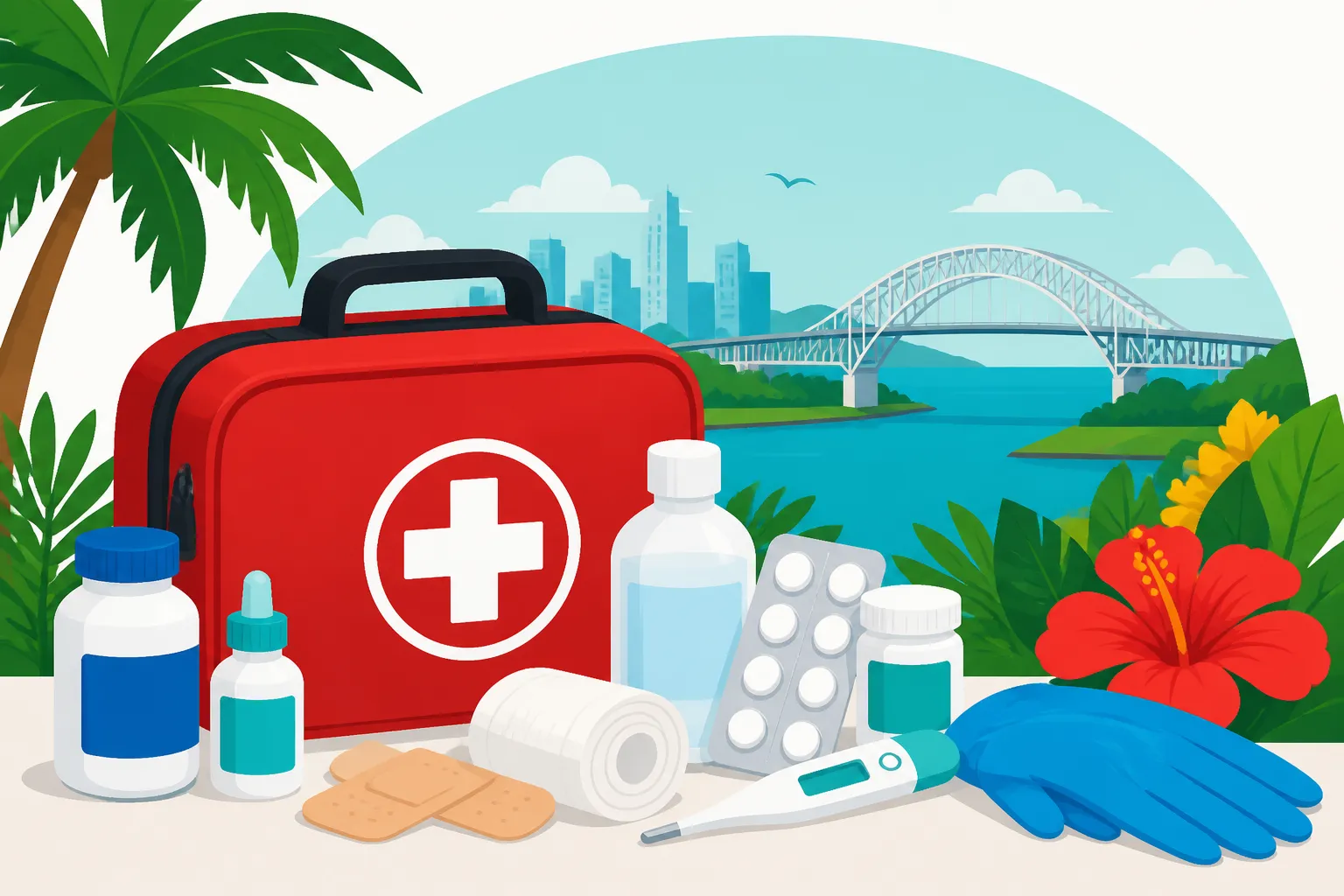
What Should I Pack in a Home Medical Kit for Panama?
Moving to a new country like Panama is incredibly exciting, but let's be honest, it also comes with a whole new set of worries, especially when it comes to your health. Getting sick or having a minor accident in an unfamiliar place, navigating different pharmacies, and not knowing what's truly 'essential' can be a real source of anxiety. This guide is here to walk you through exactly what you should pack in a robust home medical kit for Panama, ensuring you're prepared for those inevitable bumps and sniffles without the added stress of a foreign healthcare system.
Essential Over-the-Counter Medications for Common Ailments
Even if you're generally healthy, living in a new environment, especially one with a different climate and cuisine, can throw your system for a loop. Having your tried-and-true remedies on hand means you won't be scrambling to explain your symptoms in Spanish at a local farmacia when you're already feeling under the weather. Trust me, it's far better to be proactive than to find yourself in a situation where you're struggling to articulate a persistent cough or upset stomach.
Managing Pain and Fever
First and foremost, your preferred pain relievers are a must-have. While you can find medications like acetaminophen (Tylenol/Paracetamol) and ibuprofen (Advil/Nurofen) in Panama, the brands might be different, and the dosages or formulations could vary. It's not uncommon to arrive and discover that your usual go-to isn't quite the same, leading to confusion when you're already feeling miserable.
Bringing a supply from home means you'll have a familiar product you trust for headaches, minor aches, muscle soreness after a day exploring the Camino de Cruces, or to bring down a fever. Consider both adult and, if applicable, child-friendly versions, clearly labelled. Always pack enough to last you at least a few months, giving you ample time to figure out local equivalents or consult with a local doctor.
Tackling Digestive Troubles
Oh, the dreaded "traveler's tummy"! It's almost a rite of passage for expats, even if you’re careful about what you eat and drink. Whether it's a reaction to new spices, different water, or just a bit of general indigestion, digestive issues are incredibly common. Trying to find the right anti-diarrhea medication or antacid when your stomach is churning is not a fun experience.
Pack a generous supply of anti-diarrhea medication (like Imodium), antacids (for heartburn or indigestion), and even a gentle laxative, just in case. Probiotic supplements can also be incredibly helpful to start taking before and during your move to help your gut adjust. Don’t forget rehydration salts, which are vital for replacing lost electrolytes if you experience severe diarrhea or vomiting, preventing dehydration which can escalate a minor issue into a more serious one requiring medical attention.
Allergies and Cold Symptoms
Panama’s lush environment, while beautiful, can introduce new allergens you might not have encountered before. Dust mites thrive in humidity, and various pollens are present year-round. Beyond allergies, common colds are, well, common, and you don’t want to be caught without relief. It can be surprisingly challenging to find specific formulations you're used to, like non-drowsy antihistamines or multi-symptom cold remedies.
Bring your usual antihistamines for seasonal allergies or unexpected reactions, a decongestant for stuffy noses, and cough syrup (both for dry coughs and chesty coughs). Throat lozenges and nasal sprays are also small but mighty additions. Having these on hand means you can tackle those irritating symptoms quickly, without a trip to the pharmacy when you’d rather be resting. This is especially true when you first arrive and might not yet have found an English-speaking doctor in Panama.
Topical Antiseptics and Skin Relief
Minor cuts, scrapes, and insect bites are an inevitable part of living in a tropical country. A simple scratch can become infected quickly in warm, humid conditions if not properly cared for. The last thing you want is a small wound turning into something that requires a visit to the doctor. Plus, dealing with irritated skin from bug bites or minor rashes requires immediate relief.
Stock up on an antiseptic solution (like hydrogen peroxide or rubbing alcohol) or antiseptic wipes. Include an antibiotic ointment (such as Neosporin or Bacitracin) to apply to cuts and scrapes to prevent infection. Hydrocortisone cream is excellent for relieving itching from insect bites, minor rashes, or allergic skin reactions. Calamine lotion can also be a godsend for widespread itching. These basic topical treatments are fundamental for maintaining skin health in Panama's climate.
First-Aid Supplies for Minor Injuries and Emergencies
A well-stocked first-aid kit is truly your first line of defense against everyday mishaps. While Panama has good private hospitals, especially in Panama City like Hospital Punta Pacifica or Hospital Nacional, you won't want to rush there for every small cut or burn. Having the right supplies at home empowers you to handle minor injuries effectively and safely, avoiding unnecessary trips and medical bills.
Wound Care and Bandaging Basics
Cuts, scrapes, and blisters happen, no matter how careful you are. In a humid climate, proper wound care is paramount to prevent infection. You'll quickly find that a small cut can feel much more significant when the air is thick and damp. Familiarity with your own supplies is comforting when you're dealing with a sudden injury.
Ensure your kit contains a variety of adhesive bandages in different sizes – from small fingertip bandages to larger flexible strips. Sterilized gauze pads and medical tape are crucial for larger wounds that need more coverage. Don't forget non-stick pads for sensitive areas, and even some butterfly closures or steri-strips for deeper cuts that might benefit from being held together. Elastic bandages can also be useful for sprains or strains to provide support. Remember, a clean wound heals faster, so thorough cleaning before bandaging is key.
Diagnostic Tools and Emergency Essentials
Sometimes, you need to quickly assess a situation or manage a symptom that might not be an immediate emergency but still warrants attention. These tools help you monitor your health and respond appropriately. Knowing your temperature or blood pressure, for instance, can help you decide whether a trip to see a doctor is necessary or if you can manage at home.
A reliable digital thermometer is indispensable for checking fevers. Tweezers are essential for removing splinters, thorns, or ticks, which can be surprisingly common depending on where you live or hike in Panama. A pair of small, sharp medical scissors can be used to cut gauze or tape. If you have specific conditions like high blood pressure, bringing your own blood pressure monitor is a smart move, as consistent readings with a familiar device are often more reassuring than relying on a new machine at a clinic. Flashlights or headlamps with extra batteries are also crucial in case of power outages during an emergency. For more serious situations, knowing about Emergency Medical Care in Panama: What Every Expat Needs to Know will be invaluable.
Hydration and Electrolyte Support
Dehydration is a sneaky enemy in Panama’s heat and humidity. You might not even realize how much you’re sweating and losing vital salts and minerals until you start feeling dizzy or lethargic. This is especially true if you’re experiencing any digestive upset, which can rapidly deplete your body’s fluids and electrolytes.
Oral rehydration salts (ORS) are non-negotiable. These small packets, mixed with water, can quickly replenish lost electrolytes and prevent severe dehydration. They are far more effective than just drinking plain water or sugary drinks when you’re really depleted. Consider bringing a good quality reusable water bottle that you can keep filled with filtered water throughout the day. While plain water is essential, having ORS on hand is like having an emergency hydration team in a packet, especially useful during an unexpected bout of illness.
Navigating Prescription Medications and Chronic Conditions
Bringing your prescription medications to Panama can feel like navigating a minefield of regulations and availability issues. Many expats experience initial anxiety about whether their specific medication will be available, affordable, or even allowed into the country. It's a valid concern, and proper planning can save you a lot of grief.
Bringing Your Prescriptions Legally
The first step is understanding the rules for importing your own medications. Generally, bringing a reasonable supply of your personal prescription medication for your own use is permitted, but "reasonable" can be subjective. It is usually advisable to bring at least a three-month supply, and ideally, six months, especially for critical medications.
Crucially, always ensure your medications are in their original, clearly labelled containers. Carry a copy of your prescription from your doctor, ideally translated into Spanish, stating the medication's generic name, dosage, and why you need it. A letter from your prescribing physician explaining your condition and the necessity of the medication is also a good idea. This documentation can be a lifesaver if you encounter customs officials with questions or need to explain your medication to a local doctor. Never pack essential medications in checked luggage; always keep them in your carry-on. You can find more detailed information on this in Prescription Medications and Pharmacies in Panama: The Complete Guide.
Planning for Refills and Local Pharmacy Access
Once your initial supply runs low, you’ll need to figure out how to get refills. This is where things can get a bit tricky. Some medications widely available in your home country might require a specific doctor’s prescription in Panama, even if they were over-the-counter for you. Others might not be available at all, or only under a different brand name and concentration.
Before you arrive, do some research. Can you call local pharmacies like Farmacias Arrocha or Farmacias Metro to inquire about availability? Better yet, consult with a Panamanian doctor shortly after you arrive, even if you’re feeling well, just to discuss your chronic conditions and medications. They can advise you on local equivalents or prescribe the necessary medication. Be prepared that they might want to do their own assessment before issuing a new prescription. Understanding Can I Refill a Prescription at Any Pharmacy in Panama? and Understanding the Pharmacy System and Buying Medicines in Panama will be vital here.
Essential Documentation for Medical Needs
Beyond prescriptions, having a comprehensive medical history at your fingertips is invaluable. Imagine being in an emergency situation and struggling to recall all your allergies, past surgeries, or current conditions in a language you’re not fully comfortable with. This is a common expat fear, and it's easily mitigated with proper preparation.
Create a concise medical summary sheet. This should include your full name, date of birth, blood type, any known allergies (especially drug allergies), current medications (with generic names and dosages), chronic conditions, significant past medical history (surgeries, major illnesses), and emergency contact information (both local and in your home country). Keep this document easily accessible in your wallet or on your phone, and ideally, have a copy translated into Spanish. For anyone considering international health insurance options like SafetyWing, this documentation is also crucial for claims and ensuring proper coverage during medical emergencies or when seeking more specialized care.
Addressing Panama's Unique Environmental and Climatic Factors
Panama’s tropical climate is one of its biggest draws – lush rainforests, beautiful beaches, and warm temperatures year-round. However, this paradise comes with its own set of health considerations that require specific preparations for your medical kit. Ignoring these factors can quickly turn a wonderful day into an uncomfortable or even risky situation.
Insect Protection and After-Bite Care
Mosquitoes, no-see-ums (or chitras as they're known locally), and other biting insects are a reality in Panama, especially outside of air-conditioned environments and during the rainy season. Beyond the annoyance of itchy bites, these insects can carry diseases like dengue, malaria (in certain rural areas), and Zika virus. It's not just about comfort; it's about health protection.
Your medical kit absolutely must include a high-quality insect repellent containing DEET (at least 20-30%) or picaridin. Apply it regularly, especially at dawn and dusk. Also, pack some after-bite treatment, such as a strong anti-itch cream or a roll-on formula, to soothe existing bites. While prevention is key, bites are inevitable, and quick relief prevents scratching that can lead to skin infections. You might also consider portable mosquito coils or plug-in repellents for your home environment. This proactive approach helps reduce the risk of insect-borne illnesses and keeps you comfortable.
Sun Protection and Heat-Related Illnesses
Panama sits close to the equator, meaning the sun’s rays are intense year-round. Even on cloudy days, UV radiation is strong, and sunburn can occur quickly. Beyond sunburn, prolonged exposure to heat can lead to heat exhaustion or heatstroke, especially when you're not yet acclimatized to the humidity. These are not minor issues; they can be serious medical emergencies.
Pack a broad-spectrum sunscreen with a high SPF (at least SPF 30, but SPF 50+ is recommended) and apply it liberally and frequently, especially if you’re swimming or sweating. Don’t forget lip balm with SPF. Wide-brimmed hats and UV-protective clothing are also excellent additions to your daily wear. In your medical kit, include aloe vera gel for soothing sunburns. Furthermore, remember the importance of hydration mentioned earlier; constantly replenishing fluids and electrolytes is your best defense against heat-related illnesses. Always carry water with you when exploring, whether you're climbing Ancon Hill or strolling through Casco Viejo.
Fungal Infections and Tropical Skin Issues
The constant humidity in Panama creates an ideal breeding ground for certain skin conditions, particularly fungal infections. Areas like between the toes, under the breasts, or in skin folds can become moist and irritated, leading to issues like athlete's foot or heat rash. These can be incredibly uncomfortable and, if left untreated, can become quite persistent.
Include antifungal cream or powder in your kit, especially if you’re prone to these kinds of infections. Tea tree oil or other natural antifungals can also be helpful. Additionally, consider packing some anti-chafing cream or powder to prevent skin irritation in areas where friction and sweat are common. Keeping your skin clean and dry, especially after showering or swimming, is your best defense, but having these treatments on hand provides quick relief and prevents minor irritations from escalating.
Here's a handy table summarizing the key items for your Panama home medical kit:
| Category | Essential Items | Purpose | Notes |
|---|---|---|---|
| Pain & Fever Relief | Acetaminophen, Ibuprofen | Headaches, muscle aches, fever reduction | Bring your preferred brands/dosages. |
| Digestive Health | Anti-diarrhea meds, Antacids, Laxative, ORS | Indigestion, heartburn, upset stomach, dehydration | Crucial for "traveler's tummy"; ORS for electrolyte replenishment. |
| Allergy & Cold Symptoms | Antihistamines, Decongestant, Cough syrup | Seasonal allergies, runny nose, cough relief | Consider non-drowsy options; lozenges & nasal spray for comfort. |
| Topical Skin Care | Antiseptic wipes/solution, Antibiotic ointment | Cleaning cuts, preventing infection, soothing bug bites | Essential for cuts, scrapes, minor rashes, and insect bites in humid conditions. Hydrocortisone cream is a must. |
| Wound Care | Assorted bandages, Gauze, Medical tape, Scissors | Covering cuts, scrapes, blisters | Variety of sizes, sterile for larger wounds. |
| Diagnostic & Emergency | Digital thermometer, Tweezers, Flashlight | Monitoring fever, removing splinters/ticks | Reliable tools for self-assessment and minor incident management. |
| Sun Protection | High SPF sunscreen, Aloe vera gel | Preventing sunburn, soothing sun-exposed skin | SPF 30-50+, reapply often. |
| Insect Protection | DEET/Picaridin repellent, After-bite treatment | Preventing insect bites, soothing existing bites | Crucial for preventing mosquito-borne illnesses and discomfort. |
| Chronic Conditions | Personal prescription meds (3-6 month supply) | Managing ongoing health issues | Must be in original containers with doctor's letter/prescription (translated). Consider international health plans like SafetyWing for peace of mind. |
| Miscellaneous | Hand sanitizer, Eye drops, Cotton swabs | General hygiene, eye irritation, cleaning | Small items that make a big difference in daily comfort and cleanliness. |
| Documentation | Medical summary sheet, Copies of prescriptions | Quick access to vital health info, customs/doctor queries | Keep in physical and digital format, ideally translated into Spanish. Important for understanding your coverage, especially with providers like SafetyWing. |
Remember, preparing a comprehensive home medical kit isn't about being paranoid; it's about being practical and proactive. While Panama offers a decent healthcare system, particularly in private facilities, knowing you have the essentials on hand provides immense peace of mind, especially during your initial adjustment period. Having travel insurance like SafetyWing can also offer crucial emergency coverage while you're settling in, providing an extra layer of security before you dive into local insurance options. So, take the time to pack wisely, and enjoy your Panamanian adventure with the confidence that you're well-prepared for whatever comes your way.
Disclaimer
Please note that the information provided in this guide is for general informational purposes only and does not constitute medical advice. It is essential to consult with a qualified healthcare professional for any health concerns or before making any decisions related to your health or treatment. Always follow the advice of your doctor or other medical professionals. While every effort has been made to ensure accuracy, the situation regarding medical supplies, availability, and regulations in Panama can change. It is your responsibility to verify current requirements and seek professional medical or legal advice as needed.