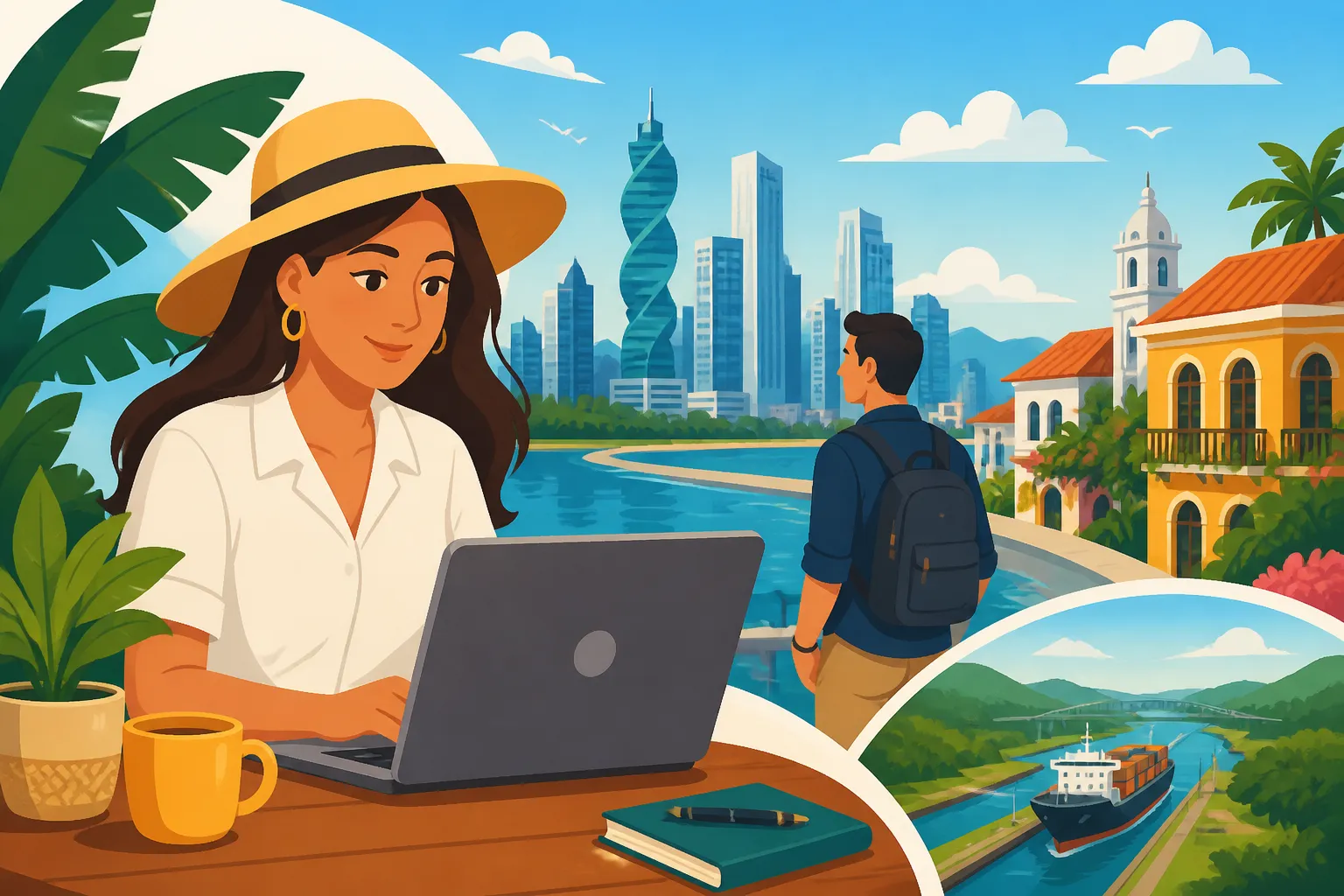
Learning About Living and Working in Panama: A Complete Guide for Expats
Moving to a new country like Panama is exhilarating, but let's be real, it also comes with a hefty dose of "what on earth am I doing?!" moments. From navigating visa applications that feel like an archaeological dig to figuring out how to pay your internet bill when the online portal is only in Spanish, the hurdles can feel endless. This comprehensive guide is here to walk you through the essential steps of not just surviving, but truly thriving, in Panama, covering everything from your first days here to settling into your career and daily life.
Your Initial Landing: From Passport to First Steps
The minute you step off that plane in Tocumen, a whole new adventure begins. But before you can sip café con leche by the ocean, there are some nitty-gritty details to sort out. It’s easy to feel overwhelmed, but remember, countless expats have walked this path before you, and you can too.
Visa and Immigration Essentials for New Arrivals
Before you even pack your bags, understanding your visa situation is paramount. Panama is welcoming, but it's also very structured about who can stay and for how long. Don't be that person who learns about their visa expiring at the airport check-in!
First off, nearly all foreigners will need some form of visa or permit to reside and work here long-term. Tourists get 90-180 days depending on their nationality, but that’s not for setting up shop. You’ll want to look into options like the Friendly Nations Visa in Panama, if your country qualifies, or perhaps the Pensionado (Retiree) Visa in Panama if you're of retirement age and have a stable income. The process is almost always done through a Panamanian lawyer, and believe me, trying to do it yourself is like trying to build an IKEA furniture piece without the instructions and half the screws missing. They are crucial for navigating the various documents required, such as apostilled birth certificates, police clearances, and bank statements. Expect a bit of a bureaucratic dance; patience is your best friend here. It's not uncommon for provisional residency to take several months, and the wait for your permanent residency card, or cédula, can stretch even longer. Don't panic, just plan ahead.
Finding Your First Place to Stay
The first few weeks or months in Panama are often a transition. You might not want to commit to a long-term rental right away, especially if you’re still exploring different areas. Short-term rentals are your friends here. Platforms like Airbnb, VRBO, or local Facebook groups for expats in Panama are excellent resources for furnished apartments or rooms.
Many expats initially stay in an area like El Cangrejo or Obarrio in Panama City, as they are central, have good amenities, and offer a sense of community. If you’re heading to the highlands, Boquete has numerous cabins and rooms available for short stays. This gives you a base while you scout out neighborhoods, get a feel for the local transport, and understand what your "must-haves" truly are for a long-term home. It's also a great way to avoid rushing into a rental agreement you might regret later. Always try to experience the place at different times of day before committing.
Making a Home: Finding and Securing Accommodation
Once you've got your visa application underway and you've survived the initial culture shock, the next big step is finding a more permanent place to hang your hat. This is where the real fun (and sometimes frustration) of Panamanian real estate begins.
Navigating the Rental Market
Renting in Panama can be a different beast compared to what you might be used to. First, decide if you want to be in the bustling metropolis of Panama City, the cooler climes of Boquete, or the more provincial vibe of David. Each has its own rhythm and rental prices. Panama City offers everything from modern high-rise apartments in areas like Costa del Este or Balboa Avenue to more charming, older homes in neighborhoods like El Cangrejo or San Francisco.
You'll quickly learn that most listings are through real estate agents, and it's wise to use one, especially if your Spanish isn't fluent. They can help you understand the local jargon and negotiate terms. Rental contracts are usually for one year, and you'll typically need to pay one month's rent as a deposit and the first month's rent upfront. Be prepared for landlords who might ask for a "security deposit" in cash, which is pretty standard here. Always ensure your contract specifies the return conditions of this deposit. For a deeper dive into this, check out our guide on How to Sign a Rental Contract and Pay a Deposit in Panama. Many apartments, especially in Panama City, come unfurnished ("sin muebles"), meaning you'll need to buy everything from a fridge to a bed. However, furnished options are also plentiful, albeit usually at a higher price.
Setting Up Utilities and Connectivity
Once you have your rental contract in hand, the next frontier is utilities. Getting electricity, water, and internet connected can be an exercise in patience and persistence. It’s not always a quick, online process like in some countries.
Electricity (Naturgy): This is usually relatively straightforward. You'll need a copy of your rental contract, your passport, and your cédula (if you have it). Head to a local Naturgy office. Sometimes, the landlord can help facilitate the transfer. Bills arrive monthly, and you can pay them at supermarkets, banks, or online (if you can navigate the Spanish interface!). Expect higher bills if you're a fan of air conditioning – it’s a lifesaver but it comes at a cost!
Water (IDAAN): Getting water connected with IDAAN can be a bit more erratic. In some buildings, water is included in the rent or HOA fees. In others, you’ll need to set it up yourself. The service quality can vary, and unexpected outages are not uncommon, especially outside of Panama City. Don't be surprised if your water bill is quite low, sometimes suspiciously so, compared to other utilities.
Internet and Mobile (Tigo, Cable & Wireless, +Movil, Claro): This is generally easier than electricity or water. You'll find several providers competing for your business. Tigo and Cable & Wireless (+Movil) are dominant. They offer fiber optic connections in many areas, providing surprisingly fast and reliable internet. Mobile plans are also very affordable. Setting up usually involves visiting a store with your passport and rental agreement. Many expats opt for prepaid mobile plans initially, then switch to a contract once they have a cédula. Our guide on How to Choose a Mobile and Internet Provider in Panama offers more detailed insights. It’s a huge relief when you finally get that sweet Wi-Fi signal humming!
Getting Around: Transport and Mobility
Panama’s geography offers a diverse range of living experiences, and how you get around will largely depend on where you settle. Navigating the local transport system can be a steep learning curve, but it's part of the adventure.
Public Transport in Panama City
Panama City has made significant strides in its public transportation network. The Metro is a modern, air-conditioned marvel that rivals systems in many developed nations. It's clean, efficient, and incredibly affordable. You'll need a Metro card, which you can purchase and load at any station. This is a game-changer for getting around the city, especially during peak traffic hours. The Metro covers key areas from Albrook (where the main bus terminal is) to San Miguelito and now stretches further into the city.
Complementing the Metro is the Metrobus system. These large, red buses cover routes that the Metro doesn't reach, extending throughout the city and to surrounding areas. They also require the same Metro card. While generally reliable, they can get very crowded, especially during rush hour, and their routes can be a bit confusing for newcomers. Taxis and ride-sharing apps like Uber, InDriver, and Cabify are also widely available and reasonably priced. Taxis, particularly outside the apps, are known for their "negotiable" fares, so it’s always best to agree on a price before you get in.
Driving and Vehicle Ownership
If you live outside Panama City, or simply prefer the freedom of your own wheels, driving will be a part of your daily life. However, it comes with its own set of considerations. For your first 90 days, you can typically use your foreign driver's license, but after that, you'll need a Panamanian license. The process involves getting an eye exam, a blood type test, and a few other bureaucratic steps at SERTRACEN, the transit authority. It’s not difficult, but it requires some dedicated time.
Buying a car as a foreigner is certainly possible. You can purchase new or used vehicles. Ensure you understand the process for vehicle registration and the annual revisado (inspection and plate renewal). Insurance is mandatory, and you'll find various local and international providers. Driving in Panama, especially in the city, requires defensive driving skills. Traffic can be chaotic, horns are used liberally, and road conditions outside major arteries can be challenging. For everything you need to know, take a look at our Driving in Panama: Licences, Registration and Rules for Expats (2027) guide. Owning a car offers flexibility, but be prepared for the realities of Panamanian roads and traffic.
Finding Your Place in the Workforce: Employment and Business
For many expats, the decision to move to Panama includes a plan to work, whether for a local company, remotely, or by starting their own venture. The Panamanian job market has unique characteristics you'll need to understand.
The Panamanian Job Market
Finding a traditional job in Panama as a foreigner can be challenging, primarily due to strict labor laws designed to protect local employment. Panamanian companies are generally required to hire 90% Panamanian nationals and only 10% foreigners, with exceptions for highly specialized roles. This means opportunities for foreigners are often concentrated in specific sectors or with multinational companies.
Key sectors where expats often find employment include finance, logistics (given the Panama Canal and free trade zones), tourism, education (especially international schools), and increasingly, tech and remote work. Networking is absolutely crucial here. Many jobs are found through connections rather than online applications alone. Join expat groups on social media, attend local business events, and leverage your professional network. Be prepared for a different pace of recruitment than you might be used to; things often move more slowly. It’s not uncommon to hear about job offers taking weeks or even months to finalize. For more in-depth advice, read our The Expat Guide to Finding a Job in Panama (2027).
Work Permits and Employment Visas
Even if you secure a job offer, your ability to work legally in Panama hinges on obtaining the correct work permit and corresponding visa. This is where your chosen residency path becomes intertwined with your employment. Different visa types have different work rights. For example, the Friendly Nations Visa allows you to apply for a work permit once you have provisional residency, but it's a separate application process. The Pensionado Visa, while excellent for retirees, generally does not grant work rights.
Your employer will usually be heavily involved in the work permit application, providing documentation, and sometimes even sponsoring your application. This is a complex process often requiring legal assistance to ensure all documents are correct and submitted to the Ministry of Labor. Without a valid work permit, you cannot legally work in Panama, and doing so can lead to severe penalties for both you and your employer. Understanding the nuances of How a Work Permit and Employer Sponsorship Work in Panama is absolutely essential before you commit to any employment.
Self-Employment and Starting a Business
For many entrepreneurial expats, starting their own business or working as a freelancer is a more appealing route. Panama is relatively business-friendly, and it allows foreigners to register and operate businesses. This is often the path taken by digital nomads or those who want to provide services that cater to the expat community or the local market.
You can register as a natural person business (Persona Natural) or form a company (like an S.A. or S.R.L.). The process involves registering with the Public Registry, obtaining a commercial license (Aviso de Operación), and then registering for taxes with the DGI (Dirección General de Ingresos). Legal and accounting advice is indispensable here to ensure you comply with all local regulations, including social security contributions and ITBMS (Panama's VAT). Many expats choose to offer services online to international clients, leveraging Panama's territorial tax system where foreign-sourced income is not taxed. This makes Panama an attractive base for remote workers and entrepreneurs. For a comprehensive guide, check out Self-Employment in Panama: Registering a Business and Going Independent (2027).
Understanding the Financial Landscape: Banking and Taxes
Handling your money and taxes in a new country can feel like navigating a maze blindfolded. Panama's financial system has its quirks, but once you understand them, it becomes much smoother.
Opening a Bank Account
This is probably one of the first major administrative hurdles you'll face. Panamanian banks, in the wake of international regulations, have become increasingly strict about opening accounts for non-residents or new residents. You’ll definitely need a lawyer or someone with local connections to help you.
Generally, you'll need your passport, a second form of ID (like a driver's license), proof of address (utility bill or rental contract), and often, two letters of reference: one from your previous bank and one from a professional (like a lawyer or accountant). Banks like Banco General or Banistmo are popular choices with expats, offering good online banking and sometimes English-speaking staff. It’s not uncommon for banks to also request proof of income or the source of your funds, especially for larger transfers. Be prepared for a thorough due diligence process. Patience is key; it's not a quick in-and-out experience. For a detailed walkthrough, our guide The Expat Guide to Opening a Bank Account in Panama is invaluable.
Panama's Territorial Tax System
One of Panama's most significant draws for expats is its territorial tax system. In simple terms, this means that only income generated within Panama is subject to Panamanian income tax. Foreign-sourced income, such as pensions, investments, or salaries from a foreign employer (if the work is performed outside Panama), is generally not taxed by the Panamanian government.
This is a huge benefit for remote workers, retirees with foreign pensions, and those with international investments. However, it's crucial to understand the nuances. If you are performing work while physically in Panama, even if for a foreign company, that income could be considered Panama-sourced and thus taxable. This is a complex area, and seeking advice from a tax professional specializing in international taxation for expats is highly recommended. Companies like Taxes for Expats can provide invaluable guidance to ensure you remain compliant with both Panamanian and your home country's tax laws. For comprehensive details, check out The Complete Guide to Taxes in Panama for Expats (2027).
Here's a simplified overview of key taxes you might encounter:
| Tax Type | What it Applies To | Key Considerations for Expats |
|---|---|---|
| Income Tax | Salaries, business profits, rental income from Panama | Progressive rates. Foreign-sourced income generally exempt. |
| ITBMS (VAT) | Goods and services (currently 7%) | Paid on most purchases. Businesses must register and collect if revenue thresholds are met. |
| Property Tax (IBI) | Real estate ownership | Rates vary by property value. Exemptions for certain new constructions. |
| Social Security (CSS) | Contributions for employees and self-employed | Mandatory for those working in Panama; provides access to public healthcare/pension. |
| Property Transfer Tax | When buying/selling real estate (usually 2% of sales price) | Paid by the seller, but often negotiated. |
Social Security Contributions
If you are employed by a Panamanian company or are self-employed and legally registered to work, you will be required to contribute to the Caja de Seguro Social (CSS), Panama's social security system. These contributions fund public healthcare and a pension system. While the public healthcare system has its challenges (more on that later!), these contributions are mandatory and provide a safety net. The percentages are deducted from your gross salary for employees, and self-employed individuals pay a fixed percentage based on their declared income.
Staying Healthy: Healthcare for Expats
Healthcare is a top concern for anyone moving abroad. Panama offers a dual system: public and private. Understanding how each works and which is best for your needs is crucial.
Public vs. Private Healthcare
Panama's public healthcare system, run by the CSS (Caja de Seguro Social) and MINSA (Ministry of Health), is generally accessible and affordable for those who contribute to social security. However, it often faces challenges common to public systems: long wait times for appointments and specialists, crowded facilities, and sometimes a shortage of specialized equipment. For routine care or minor issues, it can be perfectly adequate, especially in less populated areas.
The private healthcare system, on the other hand, is excellent, particularly in Panama City. Hospitals like Hospital Punta Pacifica, Hospital Nacional, and Centro Médico Paitilla are modern, well-equipped, and staffed by highly trained, often US-trained, doctors. Many doctors speak English, and the level of care is generally very high. However, this comes at a cost, and it's where private health insurance becomes almost a necessity for most expats. For a comprehensive overview, refer to Public vs Private Healthcare in Panama: What Expats Need to Know.
Health Insurance Options
For expats, private health insurance is highly recommended, if not essential. You have two main options: local Panamanian private insurance or international private health insurance.
Local Panamanian Insurance: Companies like ASSA, Internacional de Seguros, and Blue Cross offer a range of plans. These are often more affordable than international plans and provide excellent coverage within Panama. They typically work on a direct billing system with major private hospitals and clinics. However, they might have limitations on international coverage or pre-existing conditions.
International Health Insurance: Providers like Cigna Global, Aetna International, or Bupa Global offer comprehensive plans that cover you both in Panama and globally. These are often preferred by expats who travel frequently or want the option of seeking treatment in their home country or elsewhere. They are generally more expensive but offer greater flexibility and often better coverage for pre-existing conditions (though still with waiting periods or exclusions). Regardless of your choice, make sure you understand the terms, co-pays, deductibles, and network of providers. A good insurance plan can provide immense peace of mind. For detailed options, read Health Insurance in Panama: Private and International Options Explained.
Embracing Local Life: Culture, Community, and Daily Living
Beyond the paperwork and financial logistics, truly living in Panama means engaging with its vibrant culture and finding your community. This is where the magic truly happens.
Language and Communication
While English is spoken in tourist areas and by many professionals in Panama City, especially in multinational companies and private hospitals, Spanish is the official language. Learning at least conversational Spanish will significantly enhance your daily life and integration. From ordering food at a local fonda to understanding utility bills, even a basic grasp of Spanish makes a world of difference.
There are numerous language schools in Panama City and Boquete offering immersion courses. Online platforms like iTalki connect you with native Spanish tutors for one-on-one lessons, which can be incredibly effective and flexible. Panamanian Spanish has its own unique cadence and slang, so don't be afraid to make mistakes – Panamanians are generally very appreciative of any effort you make to speak their language. It truly unlocks the culture.
Expat Communities and Social Life
One of the great things about living in Panama is the strong, welcoming expat community. Whether you're in Panama City, Boquete, Coronado, or David, you'll find groups and organizations dedicated to helping foreigners connect. These communities are invaluable for advice, support, and social gatherings.
Facebook groups like "Expats in Panama," "Panama City Expats," or specific regional groups are fantastic resources for asking questions, sharing experiences, and finding events. There are also various clubs, volunteer opportunities, and social activities catering to expats, from hiking groups in Boquete to book clubs in Coronado. Joining these groups is probably the fastest way to meet like-minded people, make new friends, and get insider tips on everything from where to find the best empanadas to who's the most reliable handyman. Don't underestimate the importance of finding your tribe here; they'll be your support system through the inevitable ups and downs of expat life.
Education for Families
If you're moving to Panama with children, understanding the education system will be a major priority. Panama offers public, private, and international schools.
Public Schools: These are free and follow the national curriculum in Spanish. While they provide a good education, they may not be the best fit for expat children, especially if they don't speak Spanish, as the transition can be very challenging. Class sizes can also be large, and resources may be more limited than in private institutions.
Private Schools: Numerous private schools operate in Panama, offering varied curricula and often better facilities than public schools. They typically teach in Spanish but may offer some English instruction. Quality varies, so thorough research and visits are essential.
International Schools: This is often the preferred choice for expat families. Panama City has several excellent international schools, such as the International School of Panama (ISP), Balboa Academy, and Metropolitan School of Panama, among others. These schools typically offer curricula like the International Baccalaureate (IB) or US curriculum, with instruction primarily in English. They cater specifically to an international student body, understand the needs of expat children, and often have diverse extracurricular programs. However, international school fees can be substantial, often comparable to private school fees in North America or Europe. It's an investment, but many parents find it worthwhile for the quality of education and ease of transition for their children. For more details, see our guide to Schools and Education in Panama: A Complete Guide for Expat Families.
The Long Haul: Residency and Citizenship
For those who fall in love with Panama and decide to make it their permanent home, understanding the path to permanent residency and eventually, citizenship, is the final frontier.
Pathways to Permanent Residency
Panama offers several avenues to permanent residency, each with its own requirements and benefits. The key is to choose the one that best suits your circumstances.
- Friendly Nations Visa: This is one of the most popular routes, designed for citizens of specific countries that maintain friendly diplomatic and economic ties with Panama. It typically requires demonstrating economic solvency or having an employment offer in Panama. It offers a relatively straightforward path to provisional residency, which can then be converted to permanent residency. For many, it's the gateway to a new life here.
- Pensionado Visa: Specifically for retirees, this visa requires proof of a lifetime pension or annuity of at least $1,000 USD per month. It offers excellent benefits, including discounts on various services.
- Qualified Investor Program (Golden Visa): For those willing to make a significant investment in Panama (e.g., real estate purchase, fixed-term deposit, or stock market investment), this program offers a fast track to permanent residency.
- Marriage Visa: If you marry a Panamanian citizen, you can apply for residency based on your marital status.
Each pathway has specific document requirements, processing times, and costs, and nearly all require the assistance of a Panamanian immigration lawyer. Remember, your residency status dictates many aspects of your life here, including your ability to work and your access to certain services. The journey to How to Get Residency in Panama: The Full Guide (2027) is well worth the effort.
Maintaining Residency and Path to Citizenship
Once you achieve permanent residency, there are certain requirements to maintain it, primarily related to not abandoning Panama for extended periods. The exact duration varies by visa type, but generally, prolonged absences without valid reason can jeopardize your status. Your cédula, Panama's national ID card for residents, will need periodic renewal, and keeping your immigration file up to date is crucial.
For those dreaming of becoming a Panamanian citizen, the path is longer but achievable. Generally, you need to have held permanent residency for a certain number of years (often 5-7 years, depending on your initial residency type or if you're married to a Panamanian). The naturalization process involves demonstrating a basic knowledge of Panamanian history, geography, and civic duties, as well as Spanish language proficiency. It also includes an interview and a background check. Panama allows dual citizenship for naturalized citizens, which is a significant advantage for many. It's a testament to your commitment to the country and a deep integration into Panamanian life.
Conclusion: Your Panamanian Adventure Awaits
Living and working in Panama is a unique and rewarding experience. Yes, there will be moments that test your patience, moments where you question if you've made the right decision, and moments where you feel utterly lost in translation. But there will also be sun-drenched mornings, the warmth of Panamanian hospitality, the vibrant energy of Panama City, and the tranquil beauty of the countryside. You’ll find new friends, discover incredible places, and build a life that is truly your own. With a bit of preparation, a good dose of patience, and an open mind, you're well-equipped to navigate the administrative landscape and truly embrace your new adventure in Panama.
Disclaimer
The information provided in this guide is for general informational purposes only and does not constitute legal, financial, or medical advice. While we strive to keep the information up-to-date and accurate, regulations and circumstances in Panama can change rapidly. It is strongly recommended to consult with qualified Panamanian professionals, such as immigration lawyers, tax advisors, and real estate agents, for advice tailored to your specific situation.