How Do I Apply for a Spanish Language Programme in Panama?
Moving to Panama, or even just planning an extended visit, can be incredibly exciting. But let's be real, the thought of navigating daily life without a solid grasp of Spanish can feel like trying to swim against a strong current. From ordering your favorite coffee to handling administrative tasks, speaking the local language unlocks a whole new level of experience. This comprehensive guide is here to walk you through everything you need to know about finding and applying for a Spanish language program in Panama, helping you confidently dive into the language and culture.
Why Embrace Spanish Language Learning in Panama?
When you choose to live in a new country, especially one as vibrant and culturally rich as Panama, truly immersing yourself goes far beyond just getting by. It's about connecting, understanding, and becoming a part of the local fabric. Learning Spanish on Panamanian soil offers benefits you simply won't get from a textbook back home.
Deepening Your Expat Experience
There’s a world of difference between being an observer and a participant. When you speak Spanish, you're not just reading subtitles; you're engaging directly with the heart of Panamanian culture. Imagine striking up a genuine conversation with the señora at the local frutería, understanding the nuances of local humor, or truly appreciating Panamanian music and television. This kind of deep immersion transforms your expat journey from merely existing to truly living.
Initially, it might feel a bit intimidating. Many expats arrive with basic Spanish, or none at all, and the fear of making mistakes can be paralyzing. Trust me, I’ve been there. I remember my early days, fumbling with phrases and feeling a bit isolated. But the moment you start pushing past that comfort zone, even with simple words, the locals truly appreciate the effort. It opens doors to friendships, invitations to family gatherings, and a sense of belonging that is priceless. You’ll find that locals are often incredibly patient and eager to help you learn, which is a massive confidence booster.
Practical Advantages in Daily Life
Beyond cultural enrichment, a strong command of Spanish significantly simplifies your day-to-day life. Navigating bureaucracy, for instance, which can be a labyrinth even in your native language, becomes far less stressful. Whether you're trying to How to Get Your Cedula (Residency ID) in Panama or simply understanding your utility bills, being able to communicate directly makes a world of difference.
Think about mundane tasks: dealing with plumbers or electricians, negotiating prices at a local market, or understanding instructions at a pharmacy. Without Spanish, you're often reliant on others, which can be frustrating and even costly. Even a simple trip to the doctor is smoother when you can clearly articulate your symptoms. While many larger hospitals, especially in Panama City, will have English-speaking staff, knowing how to explain your situation in Spanish can be crucial, particularly in smaller clinics or during emergencies. For broader health concerns, understanding Navigating the Panamanian Healthcare System: An Expat's Roadmap (2027) is key, and Spanish proficiency aids greatly in this. The ability to communicate your needs clearly empowers you and reduces misunderstandings, giving you more control over your life here.
Exploring Types of Spanish Language Programmes in Panama
Panama offers a diverse range of options for Spanish language learners, catering to different learning styles, schedules, and budgets. From intensive immersion schools designed to get you fluent fast, to flexible online platforms, there’s something for everyone.
Immersion Schools and Intensive Courses
If you’re serious about rapid language acquisition, immersion schools are often the gold standard. These programs typically involve several hours of daily instruction, combined with cultural activities and opportunities for real-world practice. The idea is to saturate you in Spanish, forcing your brain to think and respond in the language.
Many reputable schools are located in vibrant areas, providing direct access to Panamanian life. In Panama City, you’ll find schools offering a blend of city exploration with structured learning. These schools often organize excursions to local landmarks, museums, and even salsa dancing classes, integrating language learning with cultural experiences. For those who prefer a more tranquil environment, locations like Boquete in the highlands offer schools that combine intense study with stunning natural beauty. Imagine learning verb conjugations with a view of coffee plantations! Programs in these settings often include homestay options, which are fantastic for accelerating your progress. Living with a local family means you’re speaking Spanish from morning till night, an invaluable experience.
Private Tutors vs. Group Classes
Choosing between private tutoring and group classes depends heavily on your learning preferences and goals. Both have distinct advantages and disadvantages.
Group classes, prevalent in most language schools, offer a dynamic environment where you can interact with fellow students from around the globe. This can be motivating, as you learn from each other's mistakes and build a support network. The structured curriculum ensures comprehensive coverage of grammar and vocabulary, and the peer interaction can make learning fun. However, the pace of a group class might not always match your individual learning speed, and you might get less personalized attention.
Private tutors, on the other hand, offer a tailor-made learning experience. Your tutor can focus specifically on your weaknesses, cater to your interests (e.g., business Spanish, travel Spanish), and adjust the pace to suit you perfectly. This personalized approach can lead to much faster progress. It's often more expensive per hour, but the efficiency can make it a worthwhile investment. Before you even arrive in Panama, or to supplement your in-person classes, platforms like iTalki offer a fantastic way to get a head start with one-on-one online tutors. It's flexible and lets you find teachers specific to Panamanian Spanish, or just general Latin American Spanish, without leaving your home.
Online and Hybrid Options
In our increasingly connected world, online Spanish programs and hybrid models (a mix of online and in-person) have become incredibly popular, especially for those with busy schedules or who prefer a more flexible approach.
Online courses, like those offered through platforms such as iTalki, provide unparalleled convenience. You can learn from anywhere, often at times that suit you best, and choose from a vast pool of tutors or structured courses. This is an excellent option for beginners looking to build a foundation before arriving in Panama, or for expats who need to fit learning around work commitments. The downside is that you miss out on the immediate cultural immersion and the spontaneous practice opportunities that come with being in Panama.
Hybrid programs try to bridge this gap, offering online components for theoretical learning combined with in-person sessions for conversation and cultural activities. This can be a great compromise, allowing for flexibility while still giving you that crucial real-world practice and interaction. For those working remotely or trying to balance work with learning, understanding options like these is important. Remember, even if you're working remotely from Panama for a foreign company, understanding how Understanding Income Tax in Panama (2027) works is crucial for your overall financial planning, which impacts your budget for things like language programs.
Here's a quick comparison of popular program types:
| Program Type | Best For | Pros | Cons | Typical Cost (per week) |
|---|---|---|---|---|
| Intensive Immersion | Rapid progress, deep cultural integration | Fast learning, structured curriculum, cultural activities, homestay opt. | Can be demanding, less flexible, may feel overwhelming for some | $200 – $450 |
| Group Classes | Social learning, steady progress, budget-friendly | Peer interaction, diverse perspectives, fixed schedule, cost-effective | Pace may not suit all, less personalized attention, less flexibility | $150 – $300 |
| Private Tutoring | Personalized learning, specific goals | Tailored content, flexible scheduling, focused attention, faster progress | Can be more expensive per hour, less peer interaction, requires self-discipline if not part of a broader program | $15 – $35 (per hour) |
| Online Courses | Flexibility, self-paced, foundational learning | Learn from anywhere, vast teacher choice (e.g., iTalki), good for basics | Lacks real-world immersion, requires strong self-motivation, less immediate cultural context | Varies widely |
Note: Costs are estimates and can vary significantly based on school reputation, location, and program length.
Choosing Your Programme and Navigating the Application
With so many choices, pinpointing the perfect Spanish language program can feel like another hurdle. But by considering a few key factors and understanding the application process, you'll be well on your way.
Factors to Consider When Choosing
Before you commit, take some time to weigh your options based on what truly matters to you.
Firstly, location is paramount. Do you thrive in the bustling energy of a city like Panama City, where you can practice Spanish in diverse settings, from office buildings to street markets? Or do you prefer the cooler climate and laid-back vibe of a mountain town like Boquete, which offers a closer-knit community feel? Both offer unique immersion opportunities. You might want to consider How to Choose Between Panama City, David and Boquete to Live In? to help make this decision.
Secondly, teaching methodology and class size are crucial. Some schools lean towards a more grammar-heavy approach, while others prioritize conversational practice. Small class sizes often mean more individual attention, but larger classes can expose you to more diverse accents and learning styles. It's worth asking about typical class sizes and teaching methods during your research.
Next, cost and value for money need careful consideration. Spanish programs in Panama can range significantly in price. Beyond the tuition fees, factor in the cost of living in your chosen location. The Complete Guide to Cost of Living in Panama for Expats (2026) can provide valuable insights. Some programs include cultural activities or even accommodation, which can be great value. Always clarify what's included and what's extra. Don't forget to ask about any hidden fees or charges that might pop up later.
Finally, accommodation options are a big one for immersion. Many schools offer homestay programs, placing you with a local Panamanian family. This is an incredible way to practice Spanish outside of class, experience authentic local life, and often includes meals. Alternatively, you might prefer to arrange your own accommodation, which gives you more independence but potentially less natural language practice.
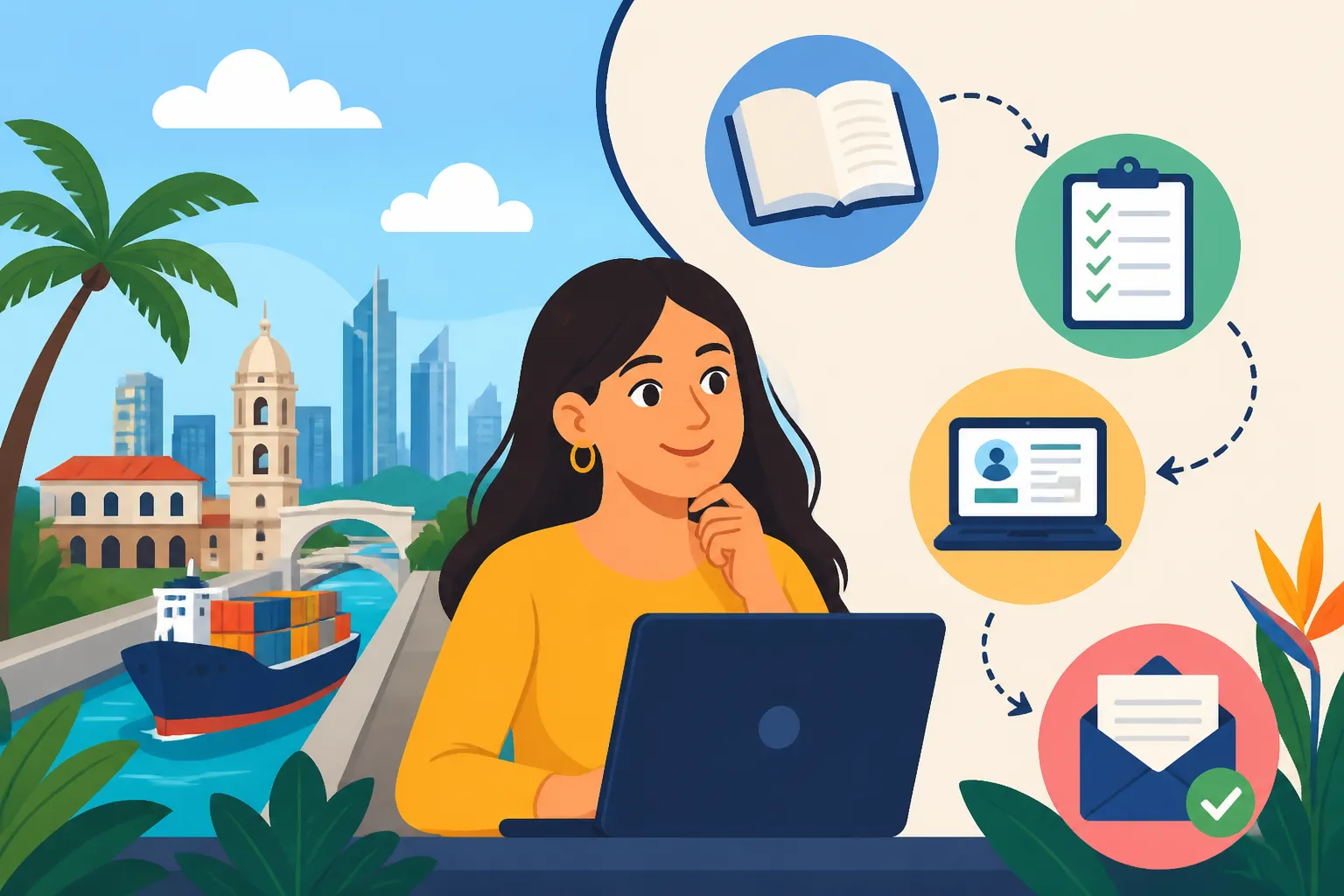
The Application Process: Step-by-Step
Once you've zeroed in on a program, the application process is generally straightforward, though it requires attention to detail.
- Initial Inquiry and Registration: Start by contacting the school directly, usually through their website or email. They'll typically send you an application form, information about their courses, start dates, and fees. Many schools have online registration portals now, which makes things a lot easier. You'll likely need to provide basic personal information, contact details, and indicate your desired course length and start date.
- Required Documents: For most language programs, you'll primarily need your passport (valid for at least six months beyond your intended stay) and potentially a tourist visa if your nationality requires one for entry into Panama. If you plan to study for an extended period (typically longer than 90 days), you might need to apply for a student visa. This process is more involved and requires specific documents like acceptance letters from the school, proof of financial solvency, and police background checks. For details on longer stays, you'll want to review resources like How to Apply for a Student Visa in Panama or What Documents Do I Need for Panama Residency?. It’s vital to check the latest immigration requirements for your nationality well in advance of your travel dates.
- Payment and Confirmation: Schools usually require a non-refundable deposit to secure your spot, with the remaining balance due before or upon arrival. Payment methods vary; some accept international bank transfers, credit card payments, or PayPal. Once your payment is processed, you'll receive a confirmation letter, which is crucial for your records and for immigration purposes if you need a student visa. Make sure to keep all communication and payment receipts organized.
Financial Considerations and Budgeting for Your Studies
Learning Spanish in Panama is an investment, both in time and money. While the direct costs of a language program might seem manageable, it's essential to consider the broader financial landscape.
Tuition fees are just one part of the equation. You'll also need to budget for accommodation, food, transportation (you'll definitely use the Metro or Metrobus if you're in Panama City, so check out The Expat Guide to Public Transport in Panama), personal expenses, and any travel or cultural activities you wish to participate in. For example, while the base cost of a program might seem low, if you choose a homestay, it usually includes meals, which can significantly reduce your food budget. If you opt for independent accommodation, you’ll need to factor in groceries, eating out, and utilities.
It’s always a good idea to have a buffer for unexpected costs, such as medical emergencies. While Panama has good healthcare, it's wise to understand the costs involved. While the cost of your Spanish program itself isn't a tax deduction in most cases, understanding your overall financial picture is crucial when planning an extended stay for language learning. Knowing your general tax obligations in Panama, especially if you're working or have income sources, helps with budgeting. Resources like Taxes for Expats can provide clarity on your specific situation, ensuring you're making informed financial decisions alongside your educational pursuits. Having a clear understanding of your finances allows you to focus on your studies without added stress.
Maximizing Your Language Learning Experience
Signing up for a program is just the first step. To truly make the most of your time and accelerate your Spanish learning, you need to actively seek out opportunities to practice and immerse yourself outside the classroom.
Immerse Yourself Beyond the Classroom
Your biggest asset for learning Spanish in Panama isn't just your classroom, it's Panama itself! The moment you step outside, you're in a living, breathing language lab.
Make it a point to engage with locals as much as possible. Don't shy away from conversations, even if you feel your Spanish isn't perfect. Visit local markets (like the Mercado de Mariscos in Panama City or the fresh produce markets in Boquete), order your food in Spanish, and ask questions. Join local clubs or groups based on your hobbies – whether it's hiking, yoga, or a book club. This provides a natural, low-pressure environment to practice. Consider volunteering; it's a fantastic way to give back to the community and practice Spanish with a purpose.
Living with a host family, if your program offers it, is an unparalleled immersion experience. You’ll hear authentic Panamanian Spanish constantly and learn regional idioms and cultural nuances that textbooks simply can’t teach. Even if you don't do a homestay, make local friends and try to spend time with them. This is where the magic truly happens, turning classroom knowledge into practical fluency. Remember, Learning About Living and Working in Panama: A Complete Guide for Expats often emphasizes the importance of cultural integration, and language is your biggest tool for that.
Patience and Persistence: The Keys to Fluency
Learning a new language is a marathon, not a sprint. There will be days when you feel like you're making no progress, when you completely misunderstand something, or when your tongue feels tied in knots. Trust me, every single expat who has learned Spanish here has gone through it. It's perfectly normal, and it's part of the process.
The key is to be patient with yourself and persistent in your efforts. Celebrate the small victories: understanding a new phrase, successfully ordering a meal without pointing, or having a short conversation. Don't be afraid to make mistakes; they are crucial learning opportunities. Panamanian people are generally very forgiving and appreciative of your efforts. They understand it's not your native tongue.
Set realistic goals, dedicate time each day to practice (even if it's just reviewing vocabulary for 15 minutes), and most importantly, enjoy the journey. The satisfaction of finally communicating fluently with locals, making deep connections, and truly understanding the rich culture of Panama is an incredible reward for your hard work and persistence.
Disclaimer
The information provided in this guide is intended for general informational purposes only and does not constitute legal, financial, or immigration advice. While we strive to keep the information accurate and up-to-date, regulations regarding visas, residency, education, and finances in Panama can change frequently. Readers are strongly advised to consult with relevant Panamanian government agencies, legal professionals, immigration experts, and educational institutions for the most current and specific advice pertaining to their individual circumstances before making any decisions.