Understanding Tax Deductions and Reliefs Available in Panama
Moving to a new country like Panama is exhilarating, but let’s be honest, figuring out the local tax system can feel like trying to solve a Rubik's Cube blindfolded. Many expats worry about their tax obligations and, more importantly, whether they're leaving money on the table by not knowing about available tax deductions and reliefs. This comprehensive guide will walk you through the various ways you can potentially reduce your taxable income and save some balboas (or dollars, as it were!) here in Panama, covering everything from personal expenses to business deductions.
Understanding Panama's Unique Tax Landscape for Expats
First things first, let's anchor ourselves in Panama's tax reality. It's often lauded for its territorial tax system, which sounds simple but has nuances that can trip up even the most seasoned expat. Before we dive into what you can deduct, it’s crucial to understand the foundation upon which these rules are built.
The Territorial Tax Principle
Panama operates on a territorial tax system. What does that mouthful mean for you? In simple terms, Panama only taxes income generated within its geographical borders. This is a huge draw for many expats, as income earned outside of Panama, say from investments back home or remote work for a foreign company, is typically not subject to Panamanian income tax. This is a fundamental concept that differentiates Panama from many other countries with worldwide taxation systems. You can read more about this in our guide on How Panama's Tax System Works: Territorial Taxation Explained (2026).
However, if you're earning money from Panamanian sources – whether it's employment with a local company, rental income from a property here, or profits from a Panamanian-registered business – that income is taxable. This is where understanding tax deductions and reliefs available in Panama becomes incredibly important. Don't fall into the trap of thinking all your income is tax-free just because you're an expat; Panamanian-sourced income will still be on the DGI’s radar.
Who Needs to File Taxes in Panama?
So, who exactly needs to engage with the Dirección General de Ingresos (DGI), Panama's tax authority? Generally, any individual or entity generating taxable income within Panama is required to file an annual tax return. This includes:
- Employees of Panamanian companies: Your employer will usually withhold income tax from your salary, but you might still need to file a personal return, especially if you have other Panamanian-sourced income or want to claim deductions.
- Self-employed individuals and freelancers: If your services are provided to clients within Panama, or your business operations are based here, your income will be considered Panamanian-sourced. Knowing how to pay tax as a self-employed person in Panama is essential, and deductions are key to managing your tax burden.
- Business owners: If you own a company registered in Panama and it's generating revenue locally, your business will have corporate tax obligations.
- Property owners earning rental income: Income derived from renting out property located in Panama is taxable.
It’s worth noting that even if your only Panamanian income is from a local employer and your tax has been withheld, it can still be beneficial to file a return if you qualify for certain tax deductions. This might even lead to a refund! For a deeper dive into your overall obligations, check out The Complete Guide to Taxes in Panama for Expats (2026).
Common Personal Tax Deductions for Individuals in Panama
Navigating personal income tax in a new country can feel daunting, especially when you're used to a different system. But Panama does offer certain personal tax deductions that can help reduce your taxable income if you're earning locally sourced income. These are important avenues for expats to explore to ensure they're not overpaying.
Medical and Health-Related Expenses
Good health is paramount, and thankfully, Panama recognizes this in its tax code. You can often deduct certain medical expenses, which is a significant relief, especially if you’re using private healthcare services. This isn't just about serious illnesses; it can include a range of necessary health expenditures.
For instance, if you've had a significant dental procedure, undergone surgery, or even just racked up a few specialist visits during the year, these costs can add up. The DGI allows deductions for actual medical expenses incurred by the taxpayer and their dependents, provided they are not reimbursed by insurance. This means keeping meticulous records – all those invoices and receipts from your doctors, clinics, and pharmacies are vital. Whether it’s a visit to Hospital Punta Pacifica or a consultation with a local specialist, hold onto those payment proofs. For more on managing healthcare costs, our guide on The Cost of Healthcare in Panama: A Complete Breakdown for Foreigners (2026) can be helpful. Remember, these deductions are typically for unreimbursed expenses, so if your private health insurance covered a portion, you'd deduct only your out-of-pocket amount.
Education Costs for Dependents
For expat families, education is often a major concern and expense. Panama offers a valuable tax relief here by allowing deductions for educational expenses for dependents. This can be a huge help when considering the cost of private or international schools.
This deduction typically covers tuition fees, school supplies, and other mandatory educational charges for children under a certain age (usually 25 if they are pursuing higher education). It's designed to ease the financial burden on families. Imagine you have two children attending an international school in Panama City; the annual tuition alone can be substantial. Being able to deduct these costs, up to a certain limit, can make a real difference to your overall tax liability. Just like medical expenses, you’ll need to keep all invoices and receipts from the educational institutions. This isn't just a hypothetical benefit; it's a tangible way the Panamanian tax system supports families contributing to the local economy. Our resource on Schools and Education in Panama: A Complete Guide for Expat Families delves into these costs in more detail.
Social Security Contributions (CSS)
If you are formally employed in Panama, or if you've opted to register as a self-employed individual with the Caja de Seguro Social (CSS), your contributions to the national social security system are generally deductible. These contributions are mandatory for employees and represent a crucial aspect of your social welfare here.
Your monthly contributions to the CSS directly fund various benefits, including pensions, disability, and public health services. Understanding Social Security (CSS) Contributions in Panama is not just about compliance; it's about recognizing that these payments reduce your taxable income. For instance, if you're an employee, your payslip will clearly show your CSS deductions. If you’re self-employed, these are direct payments you make yourself. These are straightforward deductions as they are mandatory and easily verifiable. They reflect a fundamental aspect of working and residing legally in Panama, ensuring that your contributions provide both immediate tax relief and future social security benefits.
Business and Professional Expense Deductions
For the entrepreneurial expat or the diligent freelancer, Panama offers a robust framework for deducting legitimate business expenses. This is where diligent record-keeping truly pays off, allowing you to significantly reduce your taxable income from your Panamanian-sourced business activities.
Operating Costs for Self-Employed Individuals
If you're running your own show in Panama, whether as a consultant, a digital marketer serving local clients, or a small business owner, the good news is that most ordinary and necessary expenses incurred in generating your Panamanian income are deductible. This is crucial for expats who have embraced the self-employed lifestyle.
Think about the various costs of doing business: office rent (if you have a physical space), utilities for your home office (a portion, if used for business), internet and phone bills, professional development courses directly related to your work, advertising costs, and even professional fees for services like accounting or legal advice. If you’re setting up a website, those domain and hosting fees count. Even the cost of using services like Wise to handle international payments for your business can be a deductible expense, as it facilitates your operations. For example, if you're a freelance graphic designer in Panama City creating designs for local businesses, your Adobe Creative Cloud subscription, your high-speed internet connection, and even the cost of a new, powerful computer (depreciated over time) are all legitimate expenses. The key here is that the expense must be "ordinary and necessary" for your specific trade or business and directly related to generating taxable income in Panama. Keeping a detailed ledger and all receipts is paramount. Our guide on How to Pay Tax as a Self-Employed Person in Panama delves deeper into these specifics.
Depreciation of Assets
For businesses and self-employed individuals, larger purchases that have a useful life of more than one year aren't typically deducted in full in the year of purchase. Instead, their cost is spread out over their estimated useful life through a process called depreciation. This allows you to recover the cost of an asset over time and claim it as a deduction each year.
Common depreciable assets include computers, vehicles used for business purposes, office furniture, machinery, and even improvements made to a leased office space. For instance, if you bought a new car specifically for client visits and business travel within Panama, you wouldn't deduct the entire cost in one go. Instead, you'd depreciate it over, say, five years, claiming a portion of its cost as an expense each year. The DGI has specific guidelines for depreciation rates depending on the type of asset. This is a subtle but powerful tax planning tool, especially for businesses with significant capital investments. It’s crucial to understand these rules to maximize your allowable deductions over the long term.
Other Notable Tax Reliefs and Exemptions
Beyond the more common individual and business deductions, Panama offers a few other specific tax reliefs and incentives that can provide significant financial advantages for expats, particularly those investing in the country or contributing to social causes.
Interest on Home Mortgages
For expats who have taken the plunge into homeownership in Panama, there's a valuable tax relief available: you can deduct the interest paid on your home mortgage. This is a powerful incentive, especially given the costs associated with buying property.
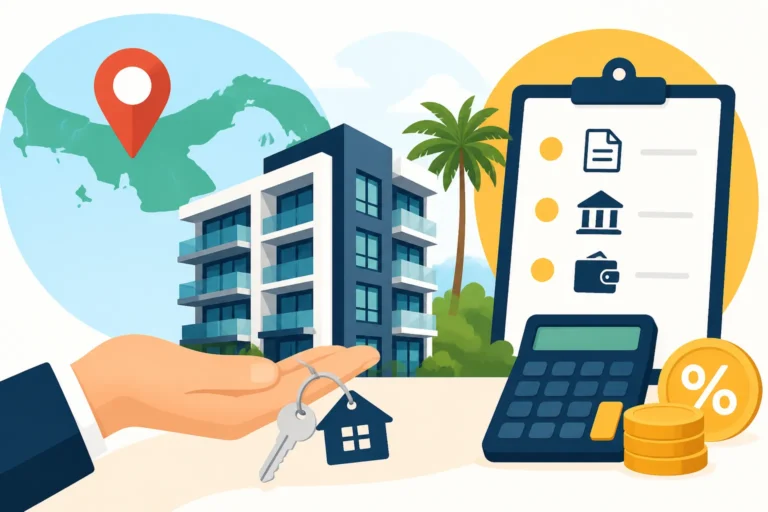
If you've purchased a home in Panama and are making mortgage payments to a local financial institution, the interest portion of those payments can be used to reduce your taxable income. This applies to your primary residence. For example, if you've bought an apartment in Costa del Este or a house in Boquete, the annual interest you pay on that mortgage can be claimed. This deduction helps offset the cost of homeownership and makes living in Panama even more financially appealing for those settling down. Make sure to get an annual statement from your bank detailing the interest paid, as this will be your primary documentation for the DGI. Our article on Understanding Property Tax (IBI) for Homeowners in Panama offers further insights into the financial aspects of property ownership.
Charitable Donations
Panama encourages philanthropic activity by allowing taxpayers to deduct certain charitable donations. If you're an expat who likes to give back to the community, this is a way to support local causes while also benefiting your tax situation.
Donations made to recognized charitable, educational, scientific, artistic, cultural, or social welfare organizations in Panama are generally deductible, often up to a certain percentage of your taxable income. This means if you're supporting a local children's charity, an environmental group, or a cultural foundation, your generosity can also result in a lower tax bill. It's important that the receiving organization is officially recognized and has the proper documentation to issue a tax-deductible receipt. Always get an official receipt for any donations you make. This relief not only benefits you but also helps foster a stronger civil society in Panama.
Specific Industry Incentives
Panama is keen on attracting foreign investment and stimulating economic growth in key sectors. To achieve this, the government has implemented various tax incentives and exemptions for specific industries and activities. While these often apply more to larger corporations or specific investment projects, some expats involved in these sectors might benefit.
These incentives can range from tax exemptions for certain types of businesses established in specific Free Trade Zones (like the Colón Free Zone or Panama Pacifico) to reduced corporate income tax rates for companies involved in tourism, reforestation, or specific technological developments. For instance, the City of Knowledge in Panama City offers a special regime for companies involved in technology, research, and education, including certain tax benefits. While these are usually complex and require specific compliance, they represent significant tax reliefs for those operating within these designated areas or industries. If you are starting a business or investing in Panama, it's definitely worth exploring if your venture falls under any of these beneficial regimes.
Navigating the DGI and Claiming Your Deductions
Knowing what deductions are available is one thing; successfully claiming them with the DGI is another. The process requires organization and attention to detail. Panama's tax authority has moved towards more digitized processes, but the fundamentals of proof and proper submission remain.
Gathering the Right Documentation
This cannot be stressed enough: documentation is king. The DGI will not take your word for it. Every deduction you claim must be supported by verifiable proof. This includes:
- Invoices and Receipts: For medical expenses, educational fees, charitable donations, and most business operating costs, original invoices or receipts clearly stating the service provider, the amount, and the date are essential. Make sure they are issued in your name (or your business's name).
- Bank Statements: These can verify payments, especially for larger expenses or recurring ones like mortgage interest. If you're using a service like Wise for business transactions, ensure you have records from them that can be reconciled with your bank statements.
- Certificates from Institutions: For educational expenses, a certificate from the school confirming enrollment and payments can be required. For charitable donations, an official receipt from the registered charity is a must.
- Employment Records: If you're an employee, your payslips and annual income statements from your employer (often called "Declaración Jurada de Sueldos") will detail your income and CSS contributions.
The best practice is to set up a robust system for storing these documents from day one. Whether it’s a physical folder for paper receipts or a dedicated digital folder with scanned copies, consistency is key. Trying to hunt down a year's worth of paperwork during tax season is a special kind of expat hell you want to avoid! Our guide on What Tax Records Do I Need to Keep in Panama? can provide more specific advice.
Filing Electronically with the DGI
Panama's tax authority, the DGI (Dirección General de Ingresos), has embraced digital platforms, making tax filing more accessible, albeit sometimes still a bit complex for newcomers. Most tax returns, including personal income tax returns, are now filed electronically through the DGI's online portal, known as E-Tax 2.0.
First, you'll need to be registered with the DGI and have your RUC (Registro Único de Contribuyente) number, which is your tax identification number. You can find out more about How to Get an RUC (Tax ID) as a Foreigner in Panama. Once registered, you'll get credentials to access the E-Tax portal. The system is designed to guide you through various sections where you declare your income and then input your deductions. This process involves selecting the appropriate deduction category (e.g., medical expenses, education, CSS contributions) and entering the corresponding amounts. While the system has improved, it can still present a language barrier or specific technicalities that are hard to grasp without prior experience. Many expats find it beneficial to work with an accountant, especially for their first few years, to ensure everything is filed correctly and all eligible tax deductions are claimed. For a detailed step-by-step, our article on Filing Your Tax Return with the DGI in Panama: The Complete Walkthrough (2026) is an invaluable resource.
Strategic Tax Planning and Professional Advice
Understanding the deductions is half the battle; the other half is integrating this knowledge into a coherent tax strategy. This means not just reacting to tax season but proactively planning throughout the year. For expats, this often means seeking out local expertise.
When to Seek Expert Help
Let's face it, the Panamanian tax system, while generally simpler than some, still has its intricacies. For many expats, especially those with varied income sources or business ventures, navigating it alone can be overwhelming and lead to missed opportunities or, worse, errors. This is where professional help becomes invaluable.
Consider engaging a Panamanian tax accountant or a specialized firm like Taxes for Expats if:
- You have multiple sources of Panamanian-sourced income (e.g., employment income, rental income, self-employment income).
- You own a business in Panama, regardless of its size.
- You're uncertain about how to properly categorize or document your expenses for deduction.
- You want to ensure you're maximizing all available tax reliefs and benefits, particularly those related to industry incentives or complex asset depreciation.
- You're transitioning between tax residency statuses or dealing with income from both Panamanian and foreign sources.
A good accountant can not only ensure compliance but also offer strategic advice on tax planning, helping you structure your finances in the most tax-efficient way possible within Panamanian law. This foresight can save you far more than their fees in the long run. Our post, Can I Use an Accountant to Help File My Tax Return in Panama?, elaborates on this.
Keeping Meticulous Records
I've touched on this before, but it bears repeating: meticulous record-keeping is the cornerstone of effective tax planning and successful deduction claims in Panama. The DGI expects taxpayers to be able to substantiate every figure on their return.
This means:
- Digital and Physical Backups: Don't rely solely on one method. Scan all physical receipts and store them digitally (cloud storage is great for this), and keep the physical copies organized.
- Categorization: As you go, categorize your expenses. This makes it much easier when you sit down to compile your tax return or hand over documents to your accountant. A simple spreadsheet can be your best friend.
- Regular Review: Don't wait until March to look at your financial documents. A quick monthly or quarterly review helps ensure you haven't missed anything and keeps you on track.
- Currency Conversion: While Panama uses the USD, if you're dealing with foreign transactions (e.g., payments via Wise for business services), ensure you keep records of the original currency and the conversion rate if it impacts a Panamanian-sourced deductible expense.
Think of it as building your financial defense. When it comes to the DGI, clear, organized, and complete documentation is your strongest argument for any tax deduction or relief you claim. It turns the often-dreaded tax season into a manageable task, ensuring you claim every balboa you're entitled to.
Conclusion
Navigating the tax system in Panama doesn't have to be a bewildering experience. With its territorial tax system and specific provisions for tax deductions and reliefs, expats earning Panamanian-sourced income have tangible ways to reduce their taxable burden. From medical and educational expenses for your family to essential operating costs for your business, and even incentives for homeownership or charitable giving, Panama offers a range of opportunities to manage your finances smartly. The key, as always, lies in understanding the rules, keeping impeccable records, and not shying away from professional advice when needed. Embrace the planning process, and you’ll find that managing your taxes in Panama can be far less stressful than you might have anticipated, leaving you more time to enjoy this beautiful country.
Disclaimer
The information provided in this guide is for general informational purposes only and does not constitute professional tax, legal, or financial advice. Tax laws and regulations in Panama are subject to change, and individual circumstances can vary greatly. It is highly recommended to consult with a qualified Panamanian tax professional or legal advisor for advice tailored to your specific situation before making any tax-related decisions.