How Hard Is It to Open a Bank Account in Panama?
Oh, the infamous Panamanian bank account! If you're an expat who's been here a minute, you know this isn't always the straightforward process you might be used to back home. Many newcomers arrive with visions of easy financial integration, only to hit a wall of paperwork, requirements, and a general sense of "why is this so complicated?" This guide is here to shed light on exactly how challenging it can be to open a bank account in Panama as a foreigner, demystify the steps, and offer some insider tips to make it less of a headache.
Understanding the Initial Hurdles for Expats
Let's be honest, opening a bank account in Panama can feel like trying to solve a Rubik's Cube blindfolded at times. It's not impossible, but it definitely comes with its unique set of challenges that can catch even the most prepared expat off guard. The key here is to understand why these hurdles exist, and how Panama's banking system operates under strict international financial regulations, often referred to as Know Your Customer (KYC) and Anti-Money Laundering (AML) laws.
The Reality of "Know Your Customer" Requirements
Panama's commitment to maintaining its reputation as a stable financial hub means that banks are incredibly diligent about who they do business with. This translates directly into a rigorous application process. For us expats, this often means needing more documentation than a local, and sometimes even more than what you'd expect in other countries. It’s not personal, it’s just the banking system's way of verifying everything about you – your identity, your income source, and your financial activities.
Imagine walking into a bank, feeling confident you have all your papers in order, only to be told you need an additional "utility bill in your name" that's no older than three months, even though your residency process just started and you're living in temporary accommodation. This isn't an uncommon scenario. Banks like Banco General and Banistmo, two of the most popular choices here, adhere strictly to these rules. They want to see a clear, traceable financial footprint and a solid reason for you to have an account in Panama. They're trying to prevent any shady dealings, which, while frustrating for legitimate expats, is ultimately for the greater good of the financial system. For a deeper dive into how it all works, check out our guide on The Expat Guide to Opening a Bank Account in Panama.
Language Barriers and Cultural Nuances
Even if you're a seasoned traveler, the language barrier, if you're not fluent in Spanish, can add another layer of complexity. While many bankers in Panama City, especially in the more international areas, speak English, don't count on it being universally available, particularly outside the capital. Misunderstandings can easily arise when discussing sensitive financial information or complex legal terms.
Beyond language, there are cultural nuances. The pace of bureaucracy can be slower than what you're accustomed to. "Mañana" might not mean tomorrow, but "sometime in the future." Patience, a good sense of humor, and sometimes a local friend or a lawyer to help navigate the intricacies are invaluable assets. Trying to push or rush the process often leads to more frustration. It’s about understanding that things operate differently here, and embracing that reality rather than fighting it.
Navigating the Document Maze: What You'll Actually Need
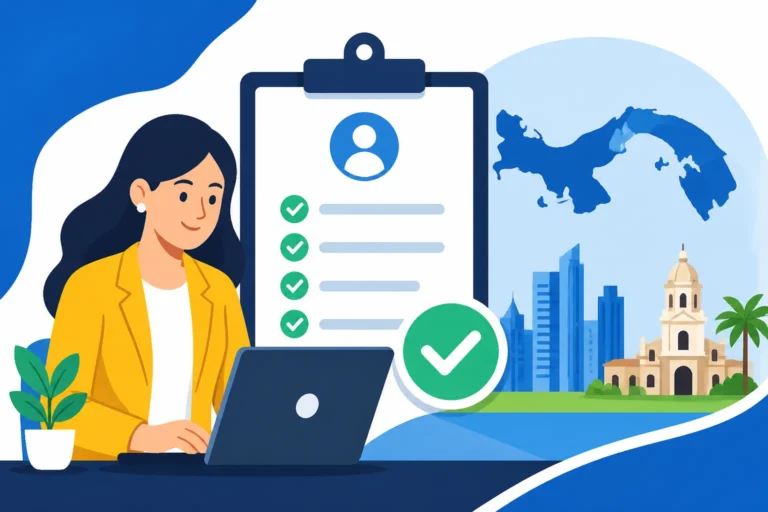
The single biggest headache for expats trying to open a bank account in Panama is almost always the documentation. It's not just about having the documents; it's about having the right documents, in the right format, and often with the right stamps or apostilles. Each bank might have slightly different requirements, but there’s a core set that you absolutely must prepare.
Essential Documents for Foreigners
This is where the rubber meets the road. You can't just waltz in with your passport and a smile. You need to come prepared, and often, over-prepared. Here's a breakdown of the typical requirements:
- Valid Passport and Visa/Residency Card: This is your primary identification. If you're in the process of getting your residency, some banks might accept your provisional residency card or even a letter from your immigration lawyer confirming your application is underway. However, having your permanent residency card (your Cedula) makes the process significantly smoother. Knowing How Do I Get My Cedula Residency ID in Panama is crucial.
- Proof of Income/Financial Solvency: This is a big one. Banks want to see where your money comes from. This could be:
- Employment Letter: If you're employed in Panama, a letter from your Panamanian employer stating your position, salary, and length of employment is essential.
- Bank Statements: Recent statements (usually 3-6 months) from your home country bank account showing consistent income.
- Pension Statements: If you're retired, official pension statements. The Pensionado Visa, for instance, requires proof of a minimum income, and banks will want to see this documentation to open your account.
- Business Registration: If you're self-employed or own a business, copies of your business registration, tax returns, and recent financial statements. This is particularly important for those wanting to manage their finances locally as a freelancer. For those working remotely for a foreign company, you'll need to clearly demonstrate that your income is generated outside of Panama, which falls under the territorial tax system. Our guide on Understanding Why Foreign Income Is Not Taxed in Panama 2026 can provide more context.
- Utility Bill (Proof of Address): This needs to be a recent bill (usually within the last 3 months) showing your name and a Panamanian address. This is a common stumbling block. If you've just arrived and are staying in a hotel or an Airbnb, you might not have one. Sometimes, a rental contract with a utility clause can work, or a letter from your landlord.
- Two Letters of Bank Reference: Yes, from banks you've done business with in your home country. These letters should state that you are a client in good standing and provide the account opening date. Make sure they are on official bank letterhead.
- Two Personal References: Often, these need to be Panamanian citizens or residents who can vouch for you. This is where having local connections becomes invaluable.
- RUC (Registro Único de Contribuyente) / Tax ID: While not always a strict requirement for simply opening an account, you'll definitely need this if you plan to generate any income in Panama or register as a taxpayer. It’s essentially your tax identification number. You can learn more about How to Get an RUC Tax ID as a Foreigner in Panama. Many banks will push you to get this sooner rather than later, especially if they perceive you'll be actively transacting.
- Declaration of Source of Funds: A form where you declare the origin of your initial deposit and ongoing funds. Be prepared to back this up with documentation.
The Apostille and Translation Saga
Here's another wrinkle: many of your foreign documents will need to be apostilled in your home country. An apostille is a certification that authenticates the origin of a public document. Without it, your documents might not be accepted by Panamanian institutions. After apostille, some documents, if not in Spanish, will also need an official translation by a certified public translator in Panama. This adds time and cost to the process, so factor it in when planning your move. You'll definitely want to get all your critical documents, like birth certificates and marriage certificates, apostilled before you even leave your home country, as this saves a lot of hassle.
The Step-by-Step Process: From Application to Activation
Once you’ve gathered your mountain of documents, the actual process of opening the account involves several steps. It’s rarely a "one-and-done" visit.
Choosing Your Bank and Initial Consultation
Your first step is to choose a bank. Major players like Banco General, Banistmo, Caja de Ahorros, and Global Bank are popular choices. Each has its own reputation for expat-friendliness and specific requirements. Banco General and Banistmo tend to be quite established and have good online banking services. You can explore Understanding the Difference Between Banistmo, Banco General and Other Banks to help you decide.
Schedule an appointment, or simply walk into a branch. Be prepared for an initial consultation where a banking executive will review your documents and explain the process. This is your chance to ask questions and clarify anything you're unsure about. Don't be shy; clarity now saves headaches later. I remember going into a branch in El Dorado and spending nearly an hour just confirming the exact wording needed on my bank reference letters!
Submitting Your Application and the Waiting Game
After the initial review, you’ll fill out the application forms. These can be lengthy and ask for detailed information about your financial history, source of funds, and reasons for opening an account in Panama. Be thorough and accurate. Any discrepancies could lead to delays or rejection.
Once submitted, the waiting game begins. This isn't like opening an account online in five minutes. Banks in Panama take their due diligence seriously. They will verify your documents, cross-reference information, and conduct background checks. This process can take anywhere from a few days to several weeks, or even a month or more, depending on the complexity of your situation and the bank's current workload. Follow up politely but persistently if you don't hear back within the timeframe they provided.
Activating Your Account and Online Banking
Once approved, you'll be notified to return to the bank to sign the final paperwork, make your initial deposit, and receive your debit card. At this point, you can also usually set up your online banking access. This is a critical step because while ATMs are prevalent, managing your finances digitally is far more convenient. Learning How to Set Up Online Banking with a Panamanian Bank will become your best friend.
Keep in mind that some services might have initial limits or restrictions until your account is fully established and you've built a transaction history. For example, international transfers might have daily or monthly caps at first.
Practical Tips to Ease the Process
While opening a bank account might feel like an uphill battle, there are strategies and tools that can make the journey considerably smoother. Having an informed approach can save you time, stress, and multiple trips to the bank.
Leveraging Local Connections and Professional Help
One of the most effective ways to navigate the Panamanian banking system is to tap into local knowledge and professional assistance. A good immigration lawyer can be a lifesaver, not just for your residency but also for guiding you through bank account opening. They often have established relationships with specific banks and can help ensure your documentation is in order before you even step foot in a branch. They might even accompany you to the initial appointment, which can carry a lot of weight.
Furthermore, if you know other expats who have successfully opened accounts, ask them for recommendations. They can tell you which banks were more accommodating, what specific challenges they faced, and even provide valuable personal references if they trust you. Networking within the expat community is often the secret sauce for many administrative tasks in Panama.
Preparing Financially for the Interim Period
Given that the process can take time, it's crucial to have a financial plan for the interim. You won't have a local bank account immediately, so how will you access your funds?
- Bring Sufficient Cash: While not ideal for large sums, having enough cash for initial expenses (rent, groceries, transportation) is practical. Just be mindful of customs regulations on cash declarations.
- International Debit/Credit Cards: Your cards from your home country will work at ATMs and most establishments. Be aware of foreign transaction fees and daily withdrawal limits. Notify your home bank that you'll be in Panama to avoid fraud alerts.
- Transfer Services: Services like Wise are incredibly useful for sending money to yourself. You can transfer funds from your home bank account to a Wise account and then withdraw it via ATM once in Panama, or even send it directly to a local bank account once it's open. This can be a much more cost-effective way to manage your international money transfers than traditional bank wires, especially when you're looking at How to Transfer Money Into and Out of Panama as an Expat. Using such services allows you to hold funds in different currencies and convert them at competitive rates.
- Consider a Multi-Currency Account: Some fintech companies offer multi-currency accounts that can bridge the gap, allowing you to hold USD (Panama's currency) and access it via a debit card before your local Panamanian account is active.
Table: Common Documents & Key Considerations for Expats
| Document Type | What You Need | Key Expat Consideration |
|---|---|---|
| Passport/ID | Valid Passport, Visa/Residency Card (Cedula) | Ensure visa/residency is current; Cedula simplifies process. |
| Proof of Address | Recent Utility Bill (electricity, water, internet) | Must be in your name, Panamanian address, recent (3 months). Rental contract/landlord letter sometimes accepted. |
| Proof of Income | Employment letter, foreign bank statements, pension statements, business registration | Demonstrate consistent, legal income source. If foreign, highlight territorial tax system. |
| Bank References | 2 letters from foreign banks (good standing) | On official letterhead, state account opening date, apostilled if required. |
| Personal References | 2 Panamanian citizens/residents (contact info) | Seek trusted locals; can be a challenge for new arrivals. |
| RUC (Tax ID) | Registro Único de Contribuyente (Tax ID) | Increasingly requested, especially for self-employed or those earning local income. Get it via DGI. |
| Source of Funds | Declaration of origin for initial deposit & ongoing funds | Be ready to provide documentation for all significant fund sources. |
| Apostilled Docs | Foreign documents (birth/marriage certs, specific bank letters) | Get key documents apostilled before arriving in Panama to avoid significant delays. |
Patience, Persistence, and a Sense of Humor
Ultimately, opening a bank account in Panama requires patience. Things might not move as quickly as you'd like, and you might be asked for additional documents you thought weren't necessary. Don't get discouraged. Approach each interaction with politeness and a clear understanding that you're adapting to a new system. A little persistence, coupled with a good attitude, can go a long way.
For your financial future here, understanding The Complete Guide to Taxes in Panama for Expats 2026 is also incredibly important, as your banking activities will be tied to your tax obligations. It's all interconnected, and the more informed you are, the smoother your financial journey in Panama will be.
It might feel hard, yes, but it’s definitely doable. Just take a deep breath, gather your documents methodically, and be prepared for the Panamanian pace. You'll get there, just like countless other expats before you!
Disclaimer
The information provided in this guide is for general informational purposes only and does not constitute financial, legal, or immigration advice. While we strive to keep the information up-to-date and accurate, requirements and regulations in Panama can change frequently. It is always recommended to consult with a qualified Panamanian attorney or financial advisor for advice tailored to your specific situation.