How Much Cash Can I Bring Into Panama?
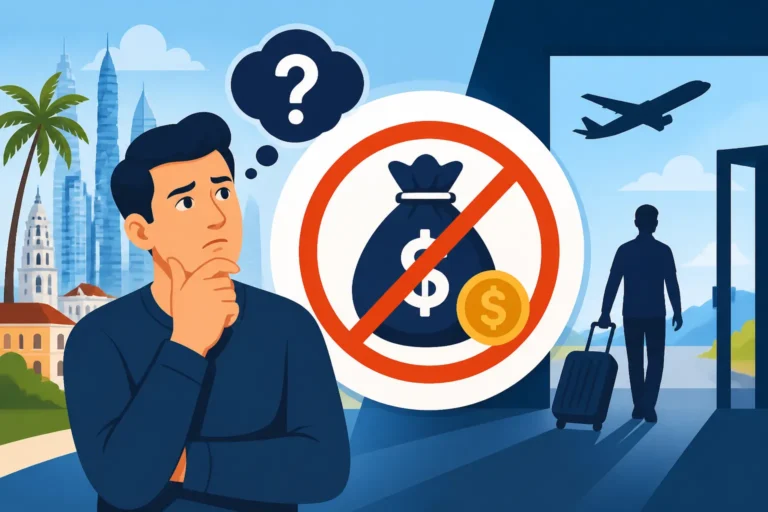
One of the first things that trips up new arrivals in Panama is often something as seemingly simple as cash. You've packed your bags, wrestled with the airlines, and navigated immigration, only to start wondering, "Wait, how much money am I actually allowed to bring into this country?" It's a common, valid concern, and misunderstanding the rules can lead to unnecessary stress or even legal complications. This guide is here to demystify the regulations around bringing cash into Panama, offer practical advice, and help you ensure a smooth financial transition into your new life here.
Panama's Cash Import Rules: The Official Stance
Let's cut right to the chase because this is where many expats get nervous. Panama, like most countries today, has very specific rules about the amount of cash you can physically carry into its borders. These rules are primarily in place to combat money laundering, financing of terrorism, and other illicit activities. They're not designed to make your life difficult, but rather to ensure transparency in financial transactions. The key takeaway here is that you can bring cash, but there’s a threshold that triggers a mandatory declaration.
This threshold applies to both the local currency (which, for all intents and purposes, is the US Dollar, given Panama’s bimetallic system) and any foreign currencies you might be carrying. It doesn't matter if it's dollars, euros, pesos, or yen – it all counts towards that magic number. The Panamanian Customs Authority, or Autoridad Nacional de Aduanas, is the body that enforces these regulations. They're pretty strict about it, and you’ll encounter them directly at ports of entry, especially Tocumen International Airport (PTY).
The Declaration Threshold and What It Means
So, what is this magic number? In Panama, you are legally required to declare any currency or monetary instruments (like traveller's checks, money orders, or bearer negotiable instruments) exceeding US$10,000 or its equivalent in other foreign currencies. This isn't just a suggestion; it's a non-negotiable legal obligation. If you arrive with US$10,001 in your wallet, you must declare it.
What does "declare" actually mean in practice? It means you must complete a specific form provided by customs officials upon your arrival. This form will ask for details about the amount of money, its origin, its intended use, and your personal information. It’s a pretty straightforward process, but it can be intimidating if you’re not expecting it or if you’re not fluent in Spanish. Don't worry, they usually have English-speaking officers or forms available, but it's always good to be prepared. Think of it less as asking for permission, and more like informing the authorities about what you're bringing in. It's a snapshot for their records, allowing them to track significant movements of capital.
Why These Rules Exist
You might wonder why a country cares so much about the cash you carry, especially if it's your hard-earned savings. The primary reason, as mentioned, is to maintain financial integrity and transparency. Panama, like many international financial hubs, has robust anti-money laundering (AML) and counter-terrorism financing (CTF) regulations. These rules are aligned with international standards set by organizations like the Financial Action Task Force (FATF).
By requiring declarations for large sums of cash, authorities can identify and investigate suspicious transactions that might be linked to illicit activities. It helps prevent Panama from being used as a conduit for dirty money. For expats, this means that while the process might feel a little intrusive, it's a necessary part of global efforts to ensure financial systems are clean and legitimate. It’s important to understand that declaring your cash doesn't automatically mean you're suspected of anything; it simply means you're complying with the law. They're not confiscating your money just because you declared it, as long as it's legitimate.
The Declaration Process: What to Expect at Tocumen and Border Crossings
Alright, let's walk through a hypothetical (but very real) scenario. You've landed at Tocumen, collected your luggage, and you realize you're carrying more than US$10,000. What happens next? First, stay calm. Panamanian customs officials are professionals. They’ve seen it all. Your goal is to be cooperative, honest, and prepared. Before you even get to the customs desk, you might see signs or hear announcements about currency declaration. Pay attention to these.
When you reach the customs declaration point, there will usually be separate lines or a specific area for those needing to declare currency. Don't try to sneak by; it's never worth the risk. Approach a customs officer and inform them that you need to make a cash declaration. They will provide you with the necessary form, often called a "Declaración Jurada de Dinero y Valores" (Sworn Declaration of Money and Valuables). You'll fill this out, providing details about your personal information, the exact amount of currency you’re carrying, where the money came from, and what you intend to use it for. For example, if it's your life savings for a new apartment, state that clearly.
Required Documentation and Information
When you declare, having supporting documents can make the process smoother, though it's not always strictly required for the declaration itself. It primarily helps validate your story if questions arise. What kind of information and documents are they looking for?
- Proof of Identity: Your passport is fundamental.
- Exact Amount: Be precise. Count your money beforehand. If you have various denominations, list them out if the form asks for it.
- Source of Funds: This is crucial. Did it come from selling a house, a pension payout, savings from years of work? Be ready to explain. Documents like bank statements (showing a withdrawal), a letter from a lawyer confirming a property sale, or a pension statement can be incredibly helpful.
- Intended Use: What are you going to do with this money in Panama? Are you planning to pay for a deposit on a rental, fund your initial living expenses, or perhaps put it towards purchasing property? For major investments, like buying real estate, having some preliminary paperwork, even if it's just an email exchange with an agent, can be useful.
- Travel Details: Your flight information, where you're staying, and how long you intend to stay in Panama.
Having these details readily available and being able to articulate them clearly will go a long way in demonstrating your legitimacy. Don't feel pressured to overshare, but be transparent about the requested information.
Consequences of Non-Declaration
Now, here’s the part no one wants to hear but absolutely needs to understand: the consequences of not declaring cash when you should. This isn't a minor infraction; it's a serious legal offense in Panama. If you are caught carrying more than US$10,000 and fail to declare it, you face severe penalties.
- Confiscation of Funds: The most immediate and painful consequence is that your undeclared cash can be seized by customs officials. This means losing your money, potentially permanently.
- Fines: You will likely be subjected to substantial fines, which can sometimes be a percentage of the amount you failed to declare. These fines can be significant and add to your financial woes.
- Legal Action: Depending on the amount and the perceived intent, you could face criminal charges related to money laundering. This can lead to imprisonment, a criminal record, and certainly complicate any future residency or citizenship aspirations in Panama.
- Deportation: In extreme cases, especially if authorities suspect illicit activities, you could face deportation from Panama.
Let me tell you, as a veteran expat, hearing stories about people losing their life savings at the airport because they thought they could bypass the rules is heartbreaking and completely avoidable. It’s just not worth the gamble. Transparency is your best friend when dealing with Panamanian bureaucracy, especially concerning money.
Practical Advice for Expats: Navigating Cash and Finances in Panama
While the rules on bringing cash into Panama are clear, the bigger question for many expats is often, "Is it even a good idea to bring that much cash in the first place?" My honest answer is usually, "No, not if you can avoid it." While a small amount of cash is essential for initial expenses, carrying large sums carries risks far beyond just customs declarations. Panama is a safe country, but like anywhere, cash makes you a target.
When you're fresh off the plane, jet-lagged, and navigating a new environment, the last thing you want is the added stress of protecting a significant amount of physical money. There are far more secure and efficient ways to transfer your funds to Panama. Instead of focusing on how much cash you can bring, perhaps the better question is how little you actually need to bring. Remember, Panama uses the US Dollar, so currency exchange isn't a concern once you're here.
Alternatives to Carrying Large Sums of Cash
For larger sums, electronic transfers are almost always the safest and most convenient option. Many expats rely on international money transfer services, which offer competitive exchange rates (for non-USD funds) and lower fees compared to traditional bank wire transfers. For example, services like Wise (formerly TransferWise) are incredibly popular among the expat community for moving funds across borders efficiently. They typically offer transparent fees and real-time exchange rates, often much better than what you'd get from a bank.
Here's a comparison of common methods for moving funds to Panama:
| Method | Pros | Cons | Typical Use Case |
|---|---|---|---|
| Physical Cash | Immediate access, no fees | High risk of loss/theft, declaration required over $10K, potential legal issues | Small initial expenses, emergencies |
| Bank Wire Transfer | Secure, good for very large sums | High fees, slower processing, can be complex for international transfers | Property purchases, large investments |
| Wise (TransferWise) | Low fees, good exchange rates, fast transfers, transparent | Requires a local bank account, transfer limits may apply for extremely large sums | Regular transfers, funding living expenses, initial setup |
| Credit/Debit Cards | Convenient, widely accepted | ATM withdrawal limits, foreign transaction fees, security risks for lost cards | Daily expenses, travel, emergencies |
As you can see, carrying a briefcase full of cash isn't really the optimal strategy. You'll definitely want to look into how to open a bank account in Panama once you arrive and get settled.
Best Practices for Managing Your Finances Upon Arrival
Once you've made it through customs, regardless of whether you declared cash or not, you'll need a financial strategy. Your immediate priorities will be getting local banking set up and understanding your ongoing financial obligations.
- Open a Local Bank Account: This is paramount. Major banks in Panama like Banco General, Banistmo, and Bac Credomatic are widely used by expats. The process can sometimes be a bit of a hurdle, requiring multiple documents and patience, but it’s essential for receiving transfers, paying bills, and managing daily expenses. Many expats have asked "How Hard Is It to Open a Bank Account in Panama?" and the answer is, it definitely requires preparation.
- Use International Transfer Services: Once you have your local account, use services like Wise to transfer larger sums from your home country. This is generally the most cost-effective and secure way to move your money.
- Understand Local Payment Systems: Panama is largely cash-based for small transactions, but cards are widely accepted in larger establishments. You'll get used to using a mix of both.
- Consider a Financial Advisor: For those with substantial assets or complex financial situations, consulting with a financial advisor specializing in international taxation and Panamanian law is a wise move. They can help you navigate the intricacies of your new tax obligations and ensure compliance with Panamanian tax law, which operates under a territorial tax system. Resources like Taxes for Expats can be invaluable for understanding your obligations.
- Keep Records: Always keep meticulous records of any significant financial transactions, especially those involving large sums entering or leaving Panama. This includes bank statements, transfer confirmations, and any declaration forms you may have completed.
Common Scenarios and Misconceptions
Let's address a few common questions and clear up some misunderstandings that often arise regarding cash and finances for expats in Panama.
What About Different Currencies?
As mentioned earlier, the US$10,000 declaration limit applies to any currency or monetary instrument, calculated at its equivalent value in US dollars on the day of your arrival. So, if you're carrying €9,500, you might think you're under the limit. However, if the exchange rate on that day means €9,500 is equivalent to US$10,300, then you are over the limit and must declare it.
It's crucial to check the current exchange rates before traveling if you're carrying non-USD currency. Don't just assume. The customs officials will use an official rate of exchange for their calculations. While Panama uses the US dollar as its official currency (alongside the Panamanian Balboa, which is pegged 1:1 to the USD), they are still interested in the value of all foreign currency. Understanding why Panama uses the US Dollar can help clarify some of the financial nuances here.
Importing Cash for Property Purchases or Business Investments
This is a common scenario for many expats moving to Panama. You're coming to buy a dream home or start a new business. These often involve sums far exceeding the US$10,000 declaration limit. The process is the same: you must declare it. However, in these high-value scenarios, the scrutiny might be a bit higher.
This is where all those supporting documents become absolutely critical. If you're bringing in US$100,000 to buy an apartment, you should have:
- Property Purchase Agreement: A copy of the signed agreement or an offer letter for the property you intend to buy.
- Business Plan/Registration Documents: If for a business, documents showing your business registration or a detailed business plan.
- Source of Funds Documentation: Detailed bank statements, sale agreements for previous assets (e.g., your house in your home country), or investment redemption statements showing where this large sum originated.
For such significant transactions, most expats use wire transfers directly between banks. It's much safer, traceable, and generally preferred by all parties involved (sellers, lawyers, real estate agents). If you’re seriously looking into property, a good resource would be The Complete Guide to Property and Transaction Taxes in Panama (2026) and How to Buy Property in Panama as a Foreigner: The Full Guide (2026). Attempting to carry hundreds of thousands of dollars in physical cash for a property purchase is not only risky but also highly impractical and likely to raise major red flags with authorities.
Moving from Temporary to Permanent Residency
When you're establishing yourself in Panama, managing your finances responsibly, including how you bring money into the country, is part of building a good standing. Especially if your long-term plan involves obtaining permanent residency in Panama, demonstrating financial stability and adherence to local laws is important. This includes transparently handling any large sums of money you bring in. The path from provisional to permanent residency in Panama involves showing that you are a legitimate resident. Any financial irregularities can jeopardize your application.
Disclaimer
The information provided in this guide is for general informational purposes only and does not constitute legal, financial, or immigration advice. While we strive to keep the information accurate and up-to-date, laws and regulations in Panama can change. It is always recommended to consult with a qualified Panamanian attorney, a tax professional specializing in Panamanian law, or the official Panamanian Customs Authority (Autoridad Nacional de Aduanas) for advice specific to your personal situation before making any financial decisions or traveling with large sums of cash.