How Do I Open a Bank Account as a Foreigner in Panama?
Navigating the banking system in a new country can feel like trying to solve a Rubik's Cube blindfolded, especially in Panama where the rules and expectations are a bit different from what you might be used to back home. If you’re a foreigner looking to set up a bank account here, it’s not always a straightforward process, and the sheer volume of paperwork and the waiting game can be incredibly frustrating. This guide will cut through the confusion, walking you through everything you need to know to open a bank account in Panama as an expat, from the documents you’ll need to the best strategies for success.
Understanding the Landscape of Panamanian Banking for Expats
When you first arrive in Panama, everything feels new and exciting, but then you hit the wall of bureaucracy, and for many, that wall is the banking system. It’s a common experience, so let me assure you, you’re not alone in feeling like you’re trying to crack a secret code.
Why Banking Here Can Feel Like a Hurdle Race
The honest truth is, opening a bank account in Panama as a foreigner can be a bit of a challenge. It’s not necessarily that the banks don't want your business, but rather that they operate under very strict international anti-money laundering (AML) and "Know Your Customer" (KYC) regulations. These regulations have become even tighter over the years, particularly given Panama’s historical role as a financial hub. Banks here are incredibly cautious, and they scrutinize every application to ensure compliance with global standards like FATCA (Foreign Account Tax Compliance Act) and CRS (Common Reporting Standard).
This means you’ll often face requests for more documents than you ever thought possible, and the process can feel drawn out and repetitive. What might be a simple 15-minute affair in your home country can turn into multiple visits and weeks of waiting in Panama. It’s not personal, it’s just the system. Expect thorough questions about the origin of your funds, your employment history, and your intentions in Panama. This meticulous approach is their way of mitigating risk, but it certainly tests the patience of even the most seasoned expat.
Key Players in the Panamanian Banking Scene
Panama boasts a robust banking sector, with a mix of local and international institutions. Knowing who the major players are can help you decide where to start your banking journey.
- Banco General: Often cited as one of the most expat-friendly banks in Panama, especially for personal accounts. They have a wide network of branches, including in popular expat areas, and their online banking platform is generally good. Many foreigners report a smoother experience with Banco General compared to some other institutions, perhaps because they are accustomed to dealing with international clients. They understand that a newly arrived expat might not have all the typical Panamanian documents right off the bat, and they often offer clearer guidance on what’s needed.
- Banistmo: Another large and reputable bank, often seen as a strong contender. While they handle many individual accounts, they also have a significant corporate presence. They are well-equipped with modern services and technology. You might find that their processes are slightly more rigid, but they are a solid choice once you navigate the initial setup.
- BAC Credomatic: A regional powerhouse with a strong presence across Central America. They offer a comprehensive range of services, and their online banking and mobile app are quite user-friendly. Like the others, they adhere to strict compliance, so be prepared for a similar level of scrutiny during your application.
- Caja de Ahorros: This is Panama's state-owned savings bank. While it provides essential services, it might be less geared towards international clients, and its processes can sometimes be perceived as more bureaucratic. It's often chosen for specific government programs or by locals, but generally not the first stop for a new expat.
When you're choosing, consider where you live. If you’re in Panama City, you’ll have plenty of options. In expat havens like Boquete or Coronado, you might find specific branches that are more accustomed to foreign clients and their unique situations. For a deeper dive into choosing your bank, you might find more helpful information on Understanding the Difference Between Banistmo, Banco General and Other Banks.
Essential Documents and Requirements: Get Ready to Impress!
This is where the rubber meets the road. Panamanian banks are stringent, and having your ducks in a row before you even set foot in a branch will save you immense headaches and repeat visits. Think of it as preparing for a very important exam.
The Non-Negotiables: Standard Documents
No matter which bank you approach, these are the fundamental documents you absolutely must have. Do yourself a favor and get multiple copies of everything, some notarized, some apostilled from your home country.
- Valid Passport: This is your primary identification. Ensure it's valid for at least six months beyond your intended stay. Banks will require a clear copy of the main page, and sometimes of your entry stamp into Panama.
- Panamanian Residency Card (Cédula) or Valid Visa: This is probably the biggest hurdle for many newcomers. While some banks might consider an account for someone with a tourist visa, it's increasingly rare and often limited to specific types of accounts with very low transaction limits. For a full-service personal bank account, you will almost certainly need to show proof of legal residency in Panama. This could be your Pensionado Visa, Friendly Nations Visa, a work permit, or any other form of provisional or permanent residency. If you're on a path to obtain your cédula, you can learn more about How Do I Get My Cedula in Panama?. Banks prefer to see your official Panamanian ID.
- Proof of Address in Panama: This needs to be a physical address, not a P.O. Box. Acceptable documents include:
- A utility bill (electricity, water, internet) in your name. If you've just moved in and the bills aren't in your name yet, try to get a letter from your landlord confirming your tenancy.
- Your rental contract (Contrato de Arrendamiento) for your Panamanian residence.
- A property deed (Escritura Pública) if you've purchased a home here.
- Proof of Income/Source of Funds: This is paramount for AML compliance. Banks want to know where your money comes from and that it's legitimate. Be prepared to provide:
- Bank statements from your home country (typically for the last 3-6 months), showing consistent income and account activity.
- Employment verification letter from your employer (if applicable), stating your position, salary, and duration of employment.
- Pay stubs/slips.
- Pension letters or statements (for retirees).
- Tax returns from your home country (last 1-2 years).
- Investment statements or other documentation proving your financial solvency.
- Bank Reference Letter from Your Home Country: This is often a critical, yet frequently overlooked, requirement. Your bank back home needs to write a letter, on official letterhead, stating that you have been a client in good standing for X number of years, that your account is well-maintained, and that there are no issues. This letter should be addressed "To Whom It May Concern" or specifically to the Panamanian bank you are applying to. It should ideally be apostilled in your home country for full legal recognition in Panama.
- Two Personal Reference Letters (sometimes called "Cartas de Referencia Personal"): These are letters from individuals (not family members) who know you well and can vouch for your character. They should ideally be Panamanian citizens or residents, but sometimes letters from other reputable individuals are accepted. These letters often need to include the referrer's contact information and cédula number.
The 'Nice-to-Haves' That Can Make Life Easier
While not always strictly mandatory, having these additional items can significantly smooth the process and demonstrate your serious intent and integration into Panamanian life.
- Panamanian Tax ID (RUC – Registro Único de Contribuyente): Having an RUC shows you’re engaging with the Panamanian tax system, even if you’re only paying income tax on Panama-sourced income (Panama operates on a territorial tax system). It’s not always strictly necessary for a personal bank account, especially if you’re a retiree, but it can streamline things, particularly if you plan to eventually register as self-employed. If you're unsure how to obtain one, you can find a guide on How to Get an RUC (Tax ID) as a Foreigner in Panama.
- Letter of Explanation for Account Purpose: A simple, concise letter (in Spanish or English) explaining why you need a bank account in Panama. For example, "I am a retiree living in Boquete, and I need a local account to receive my pension and pay my local bills." This helps the bank understand your profile and reduces their internal risk assessment.
- Introduction Letter from a Panamanian Lawyer: This is a golden ticket for many expats. A reputable Panamanian lawyer, especially one handling your residency application, can write an introduction letter to the bank. This letter essentially vouches for your identity and intent, lending credibility to your application. Lawyers often have existing relationships with bank officers, which can bypass some of the initial skepticism. Engaging a lawyer is often recommended for the overall residency process, and you can delve into why on Understanding Why You Need a Panamanian Lawyer for Residency.
- Copy of Your Visa or Residency Application (if pending): If you've just applied for residency and don't have your official cédula yet, bringing a copy of your application receipt (the certificado de trámites or similar document) can sometimes help demonstrate your legal intent to reside in Panama. However, this usually means you’ll be applying for a provisional account until your permanent residency is granted.
Remember that Panama uses the US Dollar as its official currency alongside the Balboa (which is pegged 1:1 to the USD and only exists in coin form). So, when you're thinking about funds, you're dealing with USD. It's helpful to understand Why Panama Uses the US Dollar as it influences many financial aspects.
The Step-by-Step Process to Opening Your Account
Even with all your documents ready, the actual process can still feel like a series of small negotiations. Here's what to expect and how to prepare for each stage.
Choosing Your Bank and Preparing Your Visit
This preparatory stage is crucial. Don't just walk into the first bank you see.
- Research and Recommendations: Start by asking other expats in your community (online forums, local groups) about their experiences. Which banks were the most welcoming? Which branches specifically? As mentioned, Banco General often comes up, but individual experiences can vary.
- Call Ahead/Visit for Confirmation: Before you gather all your documents, make an initial reconnaissance trip to your chosen branch, or call them. Explain you are a foreigner, and ask for a list of their specific requirements for opening a personal account. This is vital because requirements can sometimes differ slightly between banks, or even between branches of the same bank, and they can change over time. Confirming directly saves you from compiling unnecessary documents or missing critical ones.
- Presentable Attire: Panama is a more formal country than many expats are used to, especially for official business. While you don't need a tuxedo, dress neatly and professionally. First impressions, particularly in banking, truly matter here.
- Strategic Timing: Avoid going to the bank on the 1st or 15th of the month, or during peak lunch hours (12 PM – 2 PM), as these are typically the busiest times for salary deposits and bill payments. Mid-morning or mid-afternoon on a Tuesday or Wednesday might give you a better chance of a less rushed interaction.
Navigating the Application: Patience is Your Best Friend
Once you're in the bank, the real work begins.
- The Interview: You will likely have an interview with a bank officer. They will review your documents, ask detailed questions about your source of funds, your employment (or retirement) status, your family situation, and your purpose for opening the account. Be honest, clear, and concise. Have your answers ready and consistent. This is their way of understanding your financial profile and assessing risk.
- The Forms, Oh the Forms! Expect a stack of forms, often entirely in Spanish. If your Spanish isn't fluent, do not go alone. Bring a trusted Spanish-speaking friend, or better yet, a professional translator or your lawyer. Misunderstandings on these forms can cause significant delays or even rejection. Take your time, read everything carefully, and ask questions if you're unsure. This is where a lot of expats get bogged down.
- The Waiting Period: It's extremely rare for an account to be opened on the same day. After submitting everything, the bank will internally process your application, verify your documents, and conduct their due diligence. This can take anywhere from a few days to several weeks. Be prepared for follow-up calls or emails requesting "just one more document" or clarification. This is normal, not a sign of rejection, so respond promptly and patiently.
- Initial Deposit: Most banks will require an initial deposit to activate the account. This can range from a few hundred dollars to sometimes over $1,000, depending on the bank and account type. Make sure you have the funds available.
Post-Approval: Activating and Managing Your New Account
Congratulations, you've got an account! Now for the practicalities.
- Debit Card and PIN: Once approved, you'll receive your debit card. The PIN is usually chosen at the branch or sent separately. Immediately check that it works at an ATM.
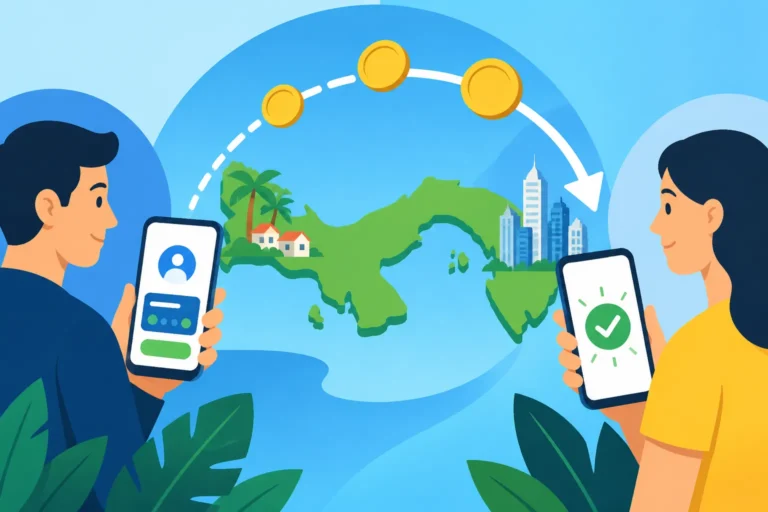
- Setting Up Online Banking: This is essential for managing your finances from home. The bank will provide credentials and instructions. Take advantage of this, as bank visits can be time-consuming. When it comes to international transfers, using services like Wise for sending money into or out of Panama is often significantly cheaper and faster than traditional bank wire transfers, especially for smaller amounts. You can link your Panamanian bank account to Wise for seamless transfers. This is a common strategy among expats to avoid excessive fees and delays when dealing with funds across borders.
- Understanding Local Payment Systems: Familiarize yourself with how to pay bills locally. Many utility companies (electricity, water, internet) have direct debit options or accept payments through online banking. Understanding The Expat Guide to Setting Up Utilities (Electricity, Water, Internet) in Panama will be crucial here. Some banks also integrate with local payment apps, which are handy for day-to-day transactions.
Common Challenges and Pro Tips for Success
The path to a Panamanian bank account is paved with good intentions and bureaucratic detours. Here's how to navigate them.
Overcoming Bureaucracy and Language Barriers
These are two of the biggest hurdles expats face, and they often go hand-in-hand.
- Bring a Language Ally: If your Spanish isn't fluent, hiring a professional translator or bringing a trusted Spanish-speaking friend (who understands financial terminology) is not just a convenience, it's a necessity. This ensures accurate communication, prevents misunderstandings, and helps you clearly convey your situation to the bank officer.
- Embrace the "Panamanian Time" Mentality: Things often move at a slower pace here. A request that might take an hour in your home country could take half a day, or even require multiple visits, in Panama. Don't let it frustrate you. Approach each interaction with patience and a calm demeanor. Getting agitated will not speed things up.
- Document Management is Key: Keep an organized folder with all your original documents and multiple photocopies. When the bank asks for "just one more copy," you want to be able to produce it immediately. Scan everything and keep digital backups as well. Every time you submit a document, ask for a dated receipt or at least a note on your copy that it was received.
Managing Funds and International Transfers
Once your account is open, moving money can be another area where expats face friction.
- Leveraging Services like Wise: As mentioned, for international money transfers, services like Wise (formerly TransferWise) are incredibly popular among expats in Panama. They offer significantly better exchange rates and lower fees compared to traditional bank wire transfers. You can easily send money from your home country bank account to your new Panamanian account, or vice-versa, with much more transparency and speed. This is especially useful for managing monthly expenses, receiving pensions, or sending money home. It directly addresses the common pain point of high bank fees and slow transfer times. For a more detailed guide, check out How to Transfer Money Into and Out of Panama as an Expat.
- Understanding Local Transaction Limits: Be aware that your new Panamanian account might have daily or monthly transaction limits, especially for initial accounts or smaller balances. If you anticipate large transactions, discuss this with your bank officer beforehand.
- Reporting Requirements for Large Sums: Be mindful of international reporting requirements. If you're transferring large sums of money (typically over $10,000 USD), both your home country bank and your Panamanian bank will have reporting obligations. Ensure your source of funds is always clear and documented.
The Role of a Panamanian Lawyer
While you can try to open a bank account on your own, especially if you have an official Panamanian cédula, enlisting the help of a local lawyer can be invaluable.
- Navigating Complexities: Panamanian law and banking regulations can be complex, and a lawyer specializes in navigating these intricacies. They can clarify requirements, help prepare your documents correctly, and ensure everything is compliant.
- Credentialed Introduction: As discussed earlier, a lawyer’s introduction letter can significantly enhance your credibility with the bank, acting as a professional endorsement. This is particularly helpful if you're still in the provisional residency stage.
- Problem Solver: Should any issues arise during the application process, your lawyer can act as an intermediary, speaking directly with bank officials and helping to resolve challenges more efficiently than you might on your own. Given the potential for misunderstandings, their advocacy can be a game-changer.
Different Account Types and Considerations for Foreigners
Panamanian banks offer various account types, and understanding them helps you choose what's best for your needs.
Personal Savings and Checking Accounts
These are the most common accounts expats seek and are generally sufficient for day-to-day financial management.
- Functionality: They offer basic deposit and withdrawal services, a debit card for purchases and ATM access, and often online banking. You can use them to receive income, pay bills, and manage your spending within Panama.
- Fees and Minimum Balances: Be sure to inquire about monthly service fees, ATM withdrawal fees (especially for non-bank ATMs), and any minimum balance requirements. Some accounts might waive fees if you maintain a certain balance or have direct deposits. These can vary significantly between banks, so ask for a clear breakdown upfront.
- Interest Rates: While you might earn a small amount of interest on savings accounts, don't expect anything substantial. Panamanian interest rates on basic savings are generally quite low, similar to many other developed nations.
Corporate Accounts for Business Owners
If you're planning to run a business in Panama, you'll need a separate corporate bank account. This is a much more involved process than opening a personal account.
- Enhanced Requirements: For corporate accounts, banks require a comprehensive suite of business registration documents, including your company's Articles of Incorporation, operating licenses, RUC for the company, and details on all shareholders and beneficial owners. You'll need to demonstrate the legitimate business activities and source of capital.
- Compliance for Businesses: Due to strict anti-money laundering regulations for businesses, the vetting process is much more rigorous. This often involves personal interviews with company directors and more extensive background checks. Understanding How to Register a Company (SA or SRL) as a Foreigner in Panama will be a critical first step before even thinking about a corporate bank account.
- Tax Implications: Managing a business account also brings significant tax obligations. This is where services like Taxes for Expats can be incredibly beneficial. They specialize in helping foreigners navigate the complexities of Panamanian corporate tax laws, ensuring your business remains compliant with the Direccion General de Ingresos (DGI) regulations and other relevant authorities. They can assist with everything from initial registration to ongoing tax filings, helping you avoid costly mistakes.
Investment and Retirement Accounts
For those looking to grow their wealth or manage retirement funds within Panama, specialized accounts are available, but they come with higher thresholds and additional complexities.
- Specialized Services: These accounts often require higher initial deposits and may come with higher fees. They typically involve working with the bank's investment arm or a financial advisor. Options might include certificates of deposit (CDs), mutual funds, or brokerage services for local or international securities.
- Financial Advisory: It's highly recommended to consult with a local financial advisor or a wealth management service familiar with Panamanian investment laws and regulations.
- Understanding Tax Implications: Investing or receiving retirement income in Panama has specific tax considerations. Even with Panama’s territorial tax system, it's crucial to understand what income is taxable and what isn't, especially for foreign-sourced investment income. A thorough understanding of The Complete Guide to Taxes in Panama for Expats (2027) is essential to ensure you're making informed decisions and staying compliant with the DGI.
Disclaimer
The information provided in this guide is for general informational purposes only and does not constitute legal, financial, or tax advice. While we strive to keep the information up-to-date and accurate, requirements and regulations in Panama can change frequently. It is highly recommended to consult with a qualified Panamanian attorney, a tax professional, or a financial advisor for personalized advice regarding your specific situation before making any decisions related to banking, residency, or financial matters in Panama.