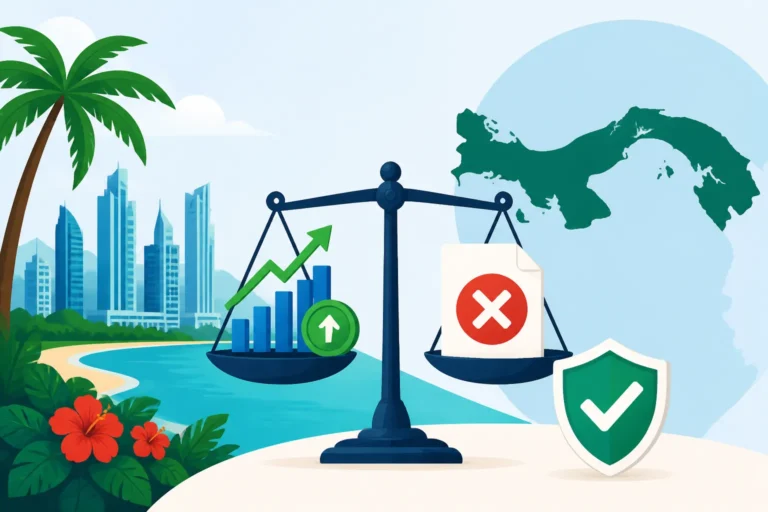
Are HOA (PH) Fees Tax Deductible for Landlords in Panama?
Navigating the financial landscape as an expat landlord in Panama can feel like trekking through a dense jungle without a machete. One of the most common thorny questions that crops up for those of us renting out property here is whether those ever-present HOA (or PH) fees are actually tax deductible. It’s a crucial detail that can significantly impact your bottom line, and this guide is here to cut through the confusion and explain exactly how it works.
Understanding HOA and PH Fees in Panama
First, let's get on the same page about what we're actually talking about. When you own property in a residential building, a gated community, or even a commercial plaza here in Panama, you’re almost certainly going to encounter what are known as "cuotas de mantenimiento" – maintenance fees. These are typically referred to as HOA fees (Homeowners Association) if you’re coming from North America, or PH fees (Propiedad Horizontal) if you're steeped in Panamanian real estate terminology. Essentially, they're the regular contributions you make to a communal fund that covers the upkeep, management, and shared services of your property development.
These fees aren't just a minor administrative annoyance; they’re vital for the smooth functioning and preservation of your investment. Think about it: the pristine swimming pool, the 24/7 security guard, the impeccably manicured gardens, the elevator maintenance, the common area lighting, and even the administrative staff who manage everything – all of this is typically funded by your HOA or PH fees. Without these contributions, the value of your property, especially a rental, would quickly diminish. They ensure the building remains attractive to tenants, safe, and well-maintained. From a landlord’s perspective, these fees are a necessary cost of doing business, directly contributing to the property's desirability and, consequently, its rental income potential.
Panama's Territorial Tax System and Rental Income
Before we dive into the deductibility of specific expenses, it’s essential to grasp the fundamental principle of taxation in Panama: the territorial tax system. This is often one of the biggest draws for expats, as it generally means that only income generated within Panama is subject to Panamanian taxes. Any income you earn from sources outside of Panama, like a pension from your home country or investments held internationally, is typically not taxed here. This is a huge advantage and a key reason many flock to this beautiful country. You can learn more about this in our guide to Understanding Why Foreign Income Is Not Taxed in Panama (2026).
However, when it comes to rental income from a property located right here in Panama, that's a different story. This is considered Panama-source income, and it absolutely falls under the purview of the Dirección General de Ingresos (DGI), which is Panama’s tax authority. As a landlord, you are expected to declare this income and pay income tax on it, just like any other business or individual earning local income. The good news is that the DGI understands that businesses, including landlords, incur costs to generate income. This is where the concept of deductible expenses comes into play – you're not taxed on your gross rental income, but rather on your net income after certain allowable expenses have been subtracted. This distinction is critical, and it's what makes the deductibility of HOA/PH fees such an important topic. For a broader overview, take a look at our Understanding Income Tax in Panama (2027) article.
Deductible Expenses for Rental Properties in Panama
When it comes to rental properties, the Panamanian tax code, like many others, allows for the deduction of expenses that are directly and exclusively related to generating rental income. The general rule of thumb is that if an expense is necessary for the upkeep, management, or operation of your rental property and helps you earn that income, it's likely deductible. But, as with all tax matters, the devil is in the details, and proper documentation is paramount.
Common Deductible Expenses
Think about the everyday costs of being a landlord. These often include:
- Property Tax (Impuesto de Inmueble): Yes, that annual property tax bill you receive from the municipality is usually deductible. This is a direct cost of owning the asset that generates your income. You can find more information on this in Understanding Property Tax IBI for Homeowners in Panama.
- Insurance Premiums: Any insurance policies specifically for your rental property, such as fire insurance, liability insurance, or even earthquake insurance, are generally deductible. These protect your investment and are a cost of managing risk associated with the property.
- Maintenance and Repairs: Costs for keeping the property in good, rentable condition – think fixing a leaky faucet, repainting walls between tenants, repairing an appliance, or patching a roof. These are direct expenses to maintain the income-generating capacity of your asset.
- Management Fees: If you hire a property management company to handle everything from tenant screening to rent collection and maintenance coordination, their fees are typically deductible. They are a direct cost of managing your rental business.
- Utilities Paid by Landlord: In some rental agreements, the landlord might cover certain utilities like water or gas. If this is the case, those utility costs associated with the rental period are deductible.
- Interest on Mortgage: If you have a mortgage on your rental property, the interest portion of your mortgage payments is usually deductible. This is a cost of financing the acquisition of your income-generating asset.
- Depreciation: While not a direct cash expense, the DGI allows for the depreciation of the building structure (not the land) over its useful life. This can be a significant deduction and should definitely be discussed with a local accountant.
The Importance of Documentation
Here's the critical part: for any of these expenses to be deductible, you must have proper documentation. The DGI won't just take your word for it. This means keeping meticulous records, including:
- Invoices (Facturas): Official invoices that include the RUC (Registro Único de Contribuyente – Taxpayer ID) of the service provider or vendor.
- Receipts: For smaller, cash expenses, detailed receipts are essential.
- Bank Statements: Showing the payments leaving your account.
- Contracts: For services like property management.
Without these, you'll find it incredibly difficult to claim deductions if the DGI decides to conduct an audit. This can be a real headache, especially if you're not used to Panama's specific record-keeping requirements. Working with a local accountant is almost non-negotiable for landlords to ensure compliance and maximize legitimate deductions.
Are HOA/PH Fees Specifically Deductible?
Alright, let’s get to the heart of the matter. Are those HOA or PH fees that you diligently pay every month tax deductible for landlords in Panama? The short answer, which will likely bring a sigh of relief to many of you, is yes, generally, they are.
Here’s why: HOA and PH fees are considered necessary expenses for the maintenance, administration, and overall upkeep of the property, particularly common areas and shared services. As we discussed earlier, these services directly contribute to the property’s ability to attract and retain tenants, thereby generating rental income. If the building or community falls into disrepair because these fees aren't paid, your rental income would suffer. Therefore, the DGI recognizes these as legitimate costs of doing business as a landlord.
Nuances and Considerations
While generally deductible, there are always a few things to keep in mind:
- Proof of Payment: Just like any other expense, you need solid proof that you actually paid these fees. This means keeping all your receipts, payment confirmations, or bank statements showing the transfers to the building's administration or management company. The more organized you are, the easier your life will be when tax season rolls around.
- Accurate Records: Ensure the receipts or invoices clearly state what the payment is for (e.g., "cuota de mantenimiento," "PH fee") and the period it covers. If possible, they should also include the RUC of the PH administration or management company.
- Exclusively for Rental Property: This deduction applies to properties that are rented out. If you live in the property yourself, the HOA/PH fees are personal expenses and not deductible against your income. The deduction is tied to income-generating activities.
- Capital Improvements vs. Maintenance: Be mindful of the distinction between routine maintenance (deductible) and capital improvements (which might need to be capitalized and depreciated over time). While most HOA fees cover maintenance, sometimes special assessments might be levied for significant upgrades (like a new roof for the entire building, a major renovation of the lobby, or replacing an entire elevator system). These larger, one-off special assessments for improvements might fall into the capital improvement category. It's best to consult with your Panamanian accountant on how to handle these specific cases to ensure you're claiming them correctly.
- The Role of Your Accountant: This cannot be stressed enough. Panama's tax system, while often simpler for foreign-sourced income, has its own complexities for local income and deductions. A qualified local accountant is invaluable. They understand the nuances of DGI regulations, can advise on the latest updates, and ensure your tax filings are compliant, helping you maximize legitimate deductions while avoiding pitfalls. Services like Taxes for Expats can also provide guidance on international tax implications alongside local expertise.
In essence, consider HOA/PH fees as a direct and necessary operational expense for your rental property. They keep the lights on in the common areas, the security gates functioning, and the amenities appealing, all of which are crucial for maintaining the value and rentability of your investment in Panama. Just remember to dot your i's and cross your t's with documentation.
Documentation and Best Practices for Landlords
Alright, so you know those HOA/PH fees are generally deductible. That's a huge win for your rental property's profitability! But knowing it and actually claiming it correctly on your tax return are two different things. This section is all about the practical steps and best practices to ensure you can confidently deduct these expenses without any unwelcome surprises from the DGI.
Meticulous Record-Keeping
This is the golden rule for all tax deductions, not just for HOA fees. You need to develop a systematic approach to keeping your financial records.
- Dedicated File/Folder: Create a physical folder or a digital folder on your computer specifically for your rental property's expenses.
- Monthly Statements: Ensure you receive monthly statements or invoices from your building’s administration or HOA outlining the fees. Many HOAs in Panama issue a "estado de cuenta" (statement of account) that serves this purpose.
- Proof of Payment: Always keep copies of your payment confirmations. If you pay via bank transfer, save the transaction receipt from your online banking portal. If you pay in cash (less common for HOAs but still happens), ensure you get a signed and stamped receipt. Many expats use services like Wise for international transfers, which provides excellent records for sending money to pay these local fees. Their transaction history can be a crucial part of your audit trail for funds coming into Panama for expenses.
- Organize Chronologically: File all documents by date, making it easy to retrieve them when preparing your annual tax return or if you ever face an audit.
- Digital Backups: Scan important physical documents and save them to a cloud service (Google Drive, Dropbox) as a backup. Paper fades, and accidents happen. Having a digital copy is a lifesaver.
Working with a Panamanian Accountant
For most expats, especially those not fluent in Spanish or unfamiliar with Panamanian accounting principles, hiring a local accountant is not just a recommendation, it's a necessity.
- Expert Knowledge: A local accountant understands the intricacies of the Panamanian tax code, including all the specific deductions available for landlords. They can advise you on the latest regulations and changes.
- Compliance: They will ensure your tax filings are compliant with DGI requirements, reducing the risk of penalties or audits. This includes ensuring your rental income is properly registered and declared, as detailed in How Do I File My Tax Return in Panama?.
- Maximizing Deductions: An experienced accountant will help you identify all legitimate deductions, not just HOA fees, ensuring you pay the least amount of tax legally possible.
- Language Barrier: They can navigate the Spanish-language forms and communication with the DGI on your behalf, saving you immense frustration.
- Timely Filing: They’ll help you meet filing deadlines, preventing late penalties. This is especially important as you get used to the rhythm of tax season here. You can find more practical advice in our Filing Your Tax Return with the DGI in Panama: The Complete Walkthrough (2027).
When choosing an accountant, look for one with experience working with expats and rental properties. Ask for references and clarify their fee structure upfront.
Annual Tax Declaration
When it comes time to file your annual income tax return with the DGI, your accountant will consolidate all your income and expenses. This is where your diligent record-keeping pays off. They will use your documented HOA/PH fees, along with other eligible expenses, to calculate your net rental income. This net income is what will then be subject to Panama's progressive income tax rates.
Remember, the goal is to accurately reflect your financial situation to the DGI. Trying to cut corners or make assumptions about deductions can lead to significant problems down the line. By treating your rental property as a legitimate business, with all the proper record-keeping and professional assistance, you can enjoy the benefits of Panamanian real estate investment while confidently managing your tax obligations. For more on navigating finances, consider checking out How to Transfer Money Into and Out of Panama as an Expat.
Disclaimer
Please remember that I am an expat blogger sharing my experiences and general information about living in Panama. I am not a financial advisor, tax professional, or legal expert. The information provided in this article is for general guidance and informational purposes only and does not constitute professional advice. Tax laws and regulations in Panama can be complex and are subject to change. It is always highly recommended to consult with a qualified Panamanian tax accountant or legal professional to receive advice tailored to your specific situation before making any financial or tax-related decisions.