How to Set Up Electricity in Your Panama Home
Ah, the joys of setting up house in a new country! It’s one of those rites of passage for any expat, and let me tell you, getting your electricity sorted here in Panama can feel like a labyrinth designed by a particularly mischievous bureaucrat. It's rarely as straightforward as you'd hope. But don't you fret, my friend, because this guide is going to walk you through everything you need to know, from understanding your bill to dealing with those inevitable power blips, making sure your Panama home stays illuminated and comfortable.
Understanding Panama's Electricity Landscape
When you first arrive, one of the many things that might catch you off guard is realizing that electricity isn't a one-size-fits-all service. Panama has a specific setup, and understanding it is your first step to a smooth transition. You’re not just plugging things in; you're entering a system with its own rules, providers, and quirks. This foundational knowledge will help you navigate the process with far less frustration.
The Main Providers: Naturgy and ENSA
Unlike some places where you might have a choice of several electricity providers, here in Panama, it's pretty much a duopoly, and your provider is determined by where you live. For most of us, we'll be dealing with either Naturgy or ENSA. Naturgy (formerly Gas Natural Fenosa) serves the western provinces, including areas like Chiriquí (David, Boquete) and Coclé, as well as parts of Panama Oeste. ENSA, on the other hand, covers Panama City, Colón, and Darién, encompassing most of the major urban expat hubs.
It’s not a matter of shopping around for the best deal; it’s simply dictated by your geographical location. You don't pick them; they pick you, so to speak. Both companies are regulated by the Autoridad Nacional de los Servicios Públicos (ASEP), which means there are some consistent standards, but each has its own customer service approach and online portal. Knowing which company services your new address is crucial before you even start gathering documents, as their processes, while similar, do have their unique nuances.
Reading Your Electricity Bill: Key Components
When that first electricity bill arrives, it can look like a foreign language, even if it's in Spanish and you're fluent! The Panamanian electricity bill breaks down into several key components, and understanding them helps you track your usage and avoid surprises. The most important figure is your consumption, measured in kilowatt-hours (kWh). This is the actual amount of electricity you've used. Beyond that, you'll see a fixed charge, which is a basic service fee, and various taxes. The ITBMS (Impuesto a la Transferencia de Bienes Muebles y Servicios), our version of VAT, will be applied to your electricity consumption just like it is for many other goods and services here.
You might also notice different tariff types depending on your residential status or the property type. Most expats will fall under a residential tariff. Keep an eye on the dates – the billing cycle and due date – to avoid late payment fees, which can sneak up on you. If you're comparing your bills to back home, remember that air conditioning, which is almost a necessity in many parts of Panama, can drastically increase your consumption, especially if you're running it frequently. Monitoring your kWh usage is truly the best way to keep tabs on how much juice you're consuming. To get a handle on all your household expenditures, it’s wise to explore a broader guide to the overall expenses, such as the one on The Complete Guide to Cost of Living in Panama for Expats (2026).
Voltage and Plugs: What to Expect
One less administrative hurdle you'll face, thankfully, is dealing with completely different electrical standards. Panama operates on a 120-volt, 60-hertz system, using Type A and Type B plugs. For those coming from the United States or Canada, this is fantastic news – your appliances will likely work without any converters or adapters! Just plug and play.
However, if you’re relocating from Europe, the UK, or other regions with 220-240V systems and different plug types, you’ll definitely need step-down transformers for any high-wattage appliances (like hair dryers or kettles) and plug adapters for everything else. While smaller electronics (phones, laptops) often have dual-voltage chargers that simply require a plug adapter, always double-check your appliance labels. Blowing out an expensive piece of equipment or, worse, tripping your home’s breaker is a frustrating way to start your Panamanian life. It's always a good idea to bring a handful of plug adapters and at least one reliable step-down converter if you plan to use international appliances.
Setting Up Electricity in a New Home
Whether you're renting a charming apartment in El Cangrejo or buying a house with an ocean view in Coronado, setting up electricity is a non-negotiable step. The process itself can vary slightly depending on whether you're taking over an existing connection or starting fresh. Knowing which scenario applies to you will dictate your approach and the documents you'll need to gather. Being prepared saves you multiple trips to the utility company, believe me.
Transferring an Existing Account (Rentals/Resales)
This is typically the easier route. If you're moving into a place where the previous tenant or owner had active electricity service, you'll usually be transferring the account into your name. The meter is already connected, and the power is on. This means less bureaucracy for you, as the connection itself doesn't need to be initiated. The main goal here is to ensure the account is properly switched and that you aren't held responsible for the previous occupant's outstanding bills.
To do this, you'll generally need your passport (or cédula if you have one), a copy of your signed rental agreement or property title (if buying), and a copy of the most recent electricity bill for that property. This last document is crucial as it links you to the specific meter number and address. Sometimes, the utility company might require a "paz y salvo" (proof of no outstanding debts) from the previous tenant or owner. This ensures you’re not inheriting someone else's financial mess. While some transfers can now be initiated online through the company's portal, many expats find it more reassuring (or necessary, due to system quirks) to visit a customer service office in person, armed with all their documents and a healthy dose of patience. Remember, when you're navigating the complexities of your rental agreement, refer to guides like How to Sign a Rental Contract and Pay a Deposit in Panama for additional assistance. If you’re purchasing property, make sure you understand the full legal steps involved by consulting resources like How to Buy Property in Panama as a Foreigner: The Full Guide (2027).
Connecting New Service (New Builds/Disconnected Homes)
This is where things can get a bit more involved. If you're moving into a brand-new construction or a property where the electricity service was previously disconnected (perhaps due to a long vacancy or renovation), you'll be applying for a completely new connection. This process is more rigorous because the utility company needs to verify the electrical installation is safe and up to code before they flip the switch. They won’t just take your word for it, and rightly so!
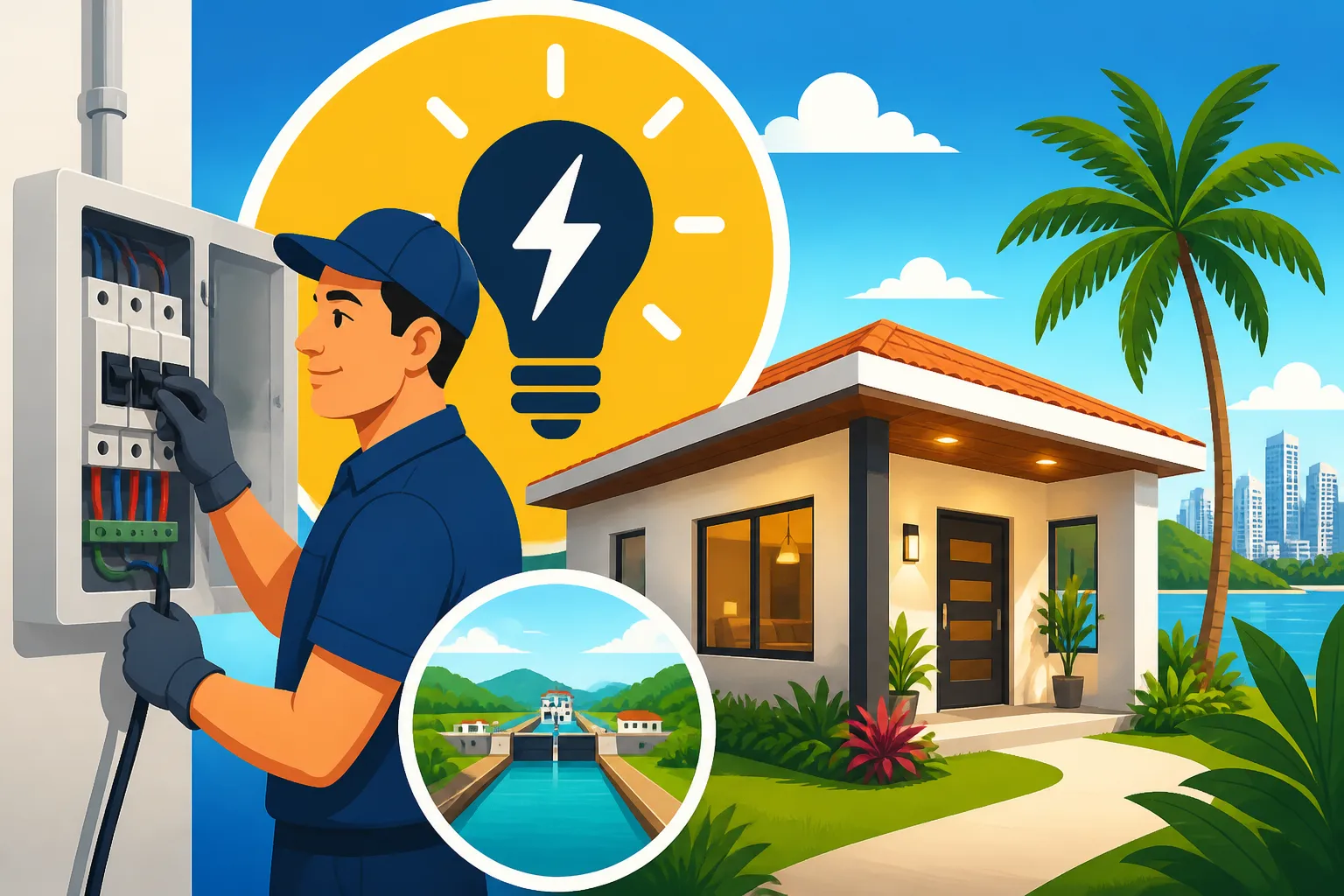
You'll typically need to submit an application, which often includes an electrical plan approved by a certified electrician (for new builds) or proof of inspection (for disconnected homes). Once your application is reviewed, the utility company will schedule an inspection of the property to ensure everything is compliant. Only after passing this inspection will they proceed with the actual connection. This phase can take anywhere from a few days to a few weeks, depending on the complexity, current workload, and how quickly you can provide all necessary documentation. Be prepared for some initial connection fees, which cover the administrative costs and the labor involved in physically installing or reactivating your meter. It’s always best to start this process as soon as possible, ideally before you even move in, to avoid dark nights!
Required Documents for Application
Getting your documents in order is half the battle when dealing with Panamanian bureaucracy. For any electricity service application, whether it's a transfer or a new connection, you'll need a core set of documents. Having originals and several clear copies of each is non-negotiable. I cannot stress this enough: always bring more copies than you think you need!
Here's a general checklist of what you'll typically need:
- Passport: Your valid passport is your primary form of identification as a foreigner. If you have your Panamanian cédula (residency ID), that's even better, but the passport works just fine.
- Rental Agreement (Contrato de Arrendamiento) or Property Title (Título de Propiedad): This document proves your legal right to occupy the property. If it's a rental, make sure your name is clearly listed as the tenant.
- Proof of Address: Sometimes the rental agreement is enough, but occasionally they might ask for an existing utility bill (if you have one from a previous Panamanian address) or a letter from your landlord.
- Previous Electricity Bill: If you're transferring service, a copy of the most recent electricity bill for the property is crucial. It identifies the meter number.
- Building Permit/Electrical Plans (for new builds): If connecting a brand-new property, you'll need proof that the electrical installation was done legally and approved.
- Application Form: The form provided by Naturgy or ENSA, usually filled out at their office or downloaded from their website.
- Bank References (less common but possible): Occasionally, for larger connections or specific situations, they might ask for a bank letter or reference.
Always check the specific requirements on the respective company's website (Naturgy or ENSA) or by calling their customer service before you head out. This due diligence can save you immense time and frustration. It's also worth remembering that how your residence status affects health coverage in Panama might require similar documentation, so keep a master folder of your important papers.
Managing Your Electricity Account
Once you've successfully navigated the application process and your lights are on, the next step is managing your account. This includes understanding how to pay your bills, what to do during inevitable power outages, and how to keep your consumption in check. Getting familiar with these aspects will help you maintain a consistent power supply and avoid any unexpected disconnections. After all, the goal is to enjoy your life in Panama, not to be constantly battling with utility companies.
Paying Your Bill: Options and Methods
Paying your electricity bill in Panama is thankfully much simpler than setting up the service. Both Naturgy and ENSA offer multiple convenient ways to pay, catering to different preferences. The most popular method for many residents, especially expats, is online banking. Major Panamanian banks like Banco General and Banistmo have robust online platforms and mobile apps that allow you to add your electricity account (using your customer number found on the bill) and pay directly. This is by far the easiest and most reliable method, often allowing for scheduled payments. If you're still getting set up with local banking, check out The Expat Guide to Opening a Bank Account in Panama and Understanding the Difference Between Banistmo, Banco General and Other Banks.
For those who prefer a more traditional approach or need to pay in cash, you can visit the utility company's physical offices. However, these can have long queues, especially around due dates. A more convenient cash payment option is through authorized payment centers, which include many supermarkets (like Super 99, Riba Smith), pharmacies (like Farmacias Arrocha), and specialized payment kiosks. Just bring your physical bill or your customer account number. Finally, both companies usually offer direct debit from a local bank account, which is a great option for automatic payments, though it might require an initial setup at your bank or the utility company office. Understanding these options for your electricity, alongside things like Understanding Water and Utility Bills in Panama, will give you a clear picture of how to manage your household expenses.
Understanding Service Interruptions and Outages
Let's be realistic: power outages are a part of life in Panama. Whether it's a planned maintenance shutdown, a sudden transformer issue, or a widespread blackout due to a heavy rainstorm, you will experience them. It's not a question of if, but when. The key is to know how to react and report them. Both Naturgy and ENSA have hotlines and online portals where you can report outages and check the status of repairs in your area. They often provide estimated restoration times, which are sometimes accurate, sometimes… optimistic.
It's crucial to have a backup plan. Invest in good quality surge protectors for all your sensitive electronics, especially computers and TVs, as power fluctuations are also common. A UPS (Uninterruptible Power Supply) for your computer can give you crucial minutes to save your work during an unexpected blackout. Keep flashlights readily accessible, and consider a power bank for charging your phone. While inconvenient, these interruptions are usually resolved within a few hours for localized issues. Widespread outages can take longer, but the infrastructure is generally resilient. Being prepared will make these moments less stressful and more of a minor inconvenience.
Monitoring Your Consumption and Saving Energy
Keeping an eye on your electricity consumption isn't just about saving money; it’s about understanding your usage patterns and being proactive. Your monthly bill will detail your kWh consumption, and tracking this over time can reveal interesting trends. For example, you’ll quickly notice how much more electricity you use when the air conditioning is running constantly compared to cooler months or when you opt for natural ventilation.
Panama’s tropical climate means that air conditioning is often the biggest energy hog in any household. Simple habits like setting your AC to a comfortable but not frigid temperature (around 24-26°C or 75-79°F), ensuring your home is well-sealed, and turning off lights and appliances when not in use can make a significant difference. Consider energy-efficient appliances if you're buying new ones. Many modern refrigerators, washing machines, and even light bulbs (LEDs are a game-changer!) are designed to consume less power. Regularly comparing your bill to the prior month's or last year's same month can help you identify if your usage is creeping up unexpectedly and prompt you to investigate potential issues or adjust your habits.
Common Challenges and Solutions for Expats
Navigating the local systems as an expat can be a bit like learning to dance a new, complex salsa – you’ll stumble a few times before you get the rhythm right. Setting up and managing electricity is no exception. There are unique challenges that foreigners often encounter, and it's essential to acknowledge them and have a strategy for overcoming them. Empathy for your experience is key here; you are not alone in finding this process sometimes bewildering!
Language Barriers and Bureaucracy
Ah, the language barrier! Even if you speak some Spanish, the specific vocabulary used in utility offices can be intimidating. Add to that the typically slower pace of bureaucracy, and you have a recipe for frustration. You might find yourself waiting for extended periods, being sent to different windows, or having to repeat yourself multiple times. This isn't usually malice; it's simply the way things work here. The lack of fully English-speaking staff in all customer service touchpoints can also complicate matters.
The best solution is preparation and patience. If your Spanish isn't fluent, bring a Panamanian friend, colleague, or even a professional translator to the utility office. Many real estate agents or property managers also offer assistance with utility setup as part of their services, which can be invaluable. Utilize online translation tools for forms or website navigation. Above all, adopt a relaxed attitude. Panamanian customer service often values politeness and persistence over aggression or impatience. Remember, a smile and a "por favor" go a long way. This is part of the cultural adjustment, much like learning to embrace the rhythm of life in Panama.
Dealing with Bill Discrepancies and High Costs
It's not uncommon to receive an electricity bill that seems unusually high, especially if you're still adjusting to the Panamanian climate and appliance usage. Sometimes, these discrepancies are due to estimated readings rather than actual meter reads, particularly if the meter reader couldn't access your property. Other times, it could be a sudden increase in usage you weren't aware of, or even a genuine error on the company's part. High costs are also a reality; electricity in Panama, especially if you heavily rely on air conditioning, can be a significant portion of your monthly expenses.
If you suspect a billing error, the first step is to contact your provider immediately. Have your bill and customer number ready. You can request a "revisión de medidor" (meter review) to ensure the readings are accurate. They might send a technician to check your meter. Keep a record of all your communication, including dates, names of agents, and reference numbers. If you're consistently seeing high bills and believe your usage is reasonable, consider if there are any faulty appliances or issues with your home's insulation contributing to energy waste. Understanding the costs associated with utilities is a crucial part of budgeting, as highlighted in guides like The Complete Guide to Cost of Living in Panama for Expats (2026).
Preparing for Power Fluctuations and Surges
Beyond full-blown outages, Panama can experience frequent power fluctuations, brownouts, and surges. These are quick, often imperceptible changes in voltage that can be incredibly damaging to sensitive electronics. It’s like a mini-electrical rollercoaster, and your appliances are along for the ride. This is a common frustration, especially if you’re used to very stable power grids.
To protect your investments, investing in high-quality surge protectors for all your electronics is not just recommended, it's essential. Don't skimp on these; cheap surge protectors offer minimal protection. For critical devices like desktop computers, high-end entertainment systems, or medical equipment, consider an Uninterruptible Power Supply (UPS). A UPS provides battery backup during brief outages and filters out surges and fluctuations, delivering clean power to your devices. While these additions are an extra expense, they are far cheaper than replacing a fried laptop or television. This proactive step can save you a lot of heartache and money in the long run.
Essential Tips for a Smooth Transition
Moving to a new country and setting up a household is a marathon, not a sprint. The more you can plan and prepare, the smoother your experience will be. When it comes to electricity, a little foresight can save you days of headaches and ensure you’re not left in the dark, literally. These tips are born from years of watching expats, myself included, navigate the ins and outs of Panamanian utility services.
Proactive Planning and Early Application
My number one piece of advice for anything administrative in Panama is to start early. Don't wait until the day you move in to think about setting up your electricity. Ideally, begin the process a week or two before your move-in date. This is especially true if you’re connecting a new service or if the property has been vacant for a while. There can be delays, unexpected document requests, or longer-than-anticipated processing times. Being proactive means you can iron out any kinks without the added stress of living in a home without power.
If you’re using a moving service like Sirelo, factor in the time you'll need to settle in and tackle these tasks. They can handle the logistics of your belongings, but getting your utilities connected falls squarely on your shoulders. A great general guide to all things relating to your first few months in the country is The Complete Guide to Moving to Panama: Your First 90 Days (2027), which emphasizes getting ahead of these administrative hurdles.
Leveraging Local Help and Resources
You don't have to go it alone. Panama has a vibrant expat community, and often, your real estate agent or property manager will be your first line of defense against bureaucratic tangles. Many agents offer utility setup assistance as part of their service, or at least can point you to reliable people who can help. Don't hesitate to ask. They have established relationships with utility companies and understand the local quirks far better than you will in your first few weeks or months.
Additionally, joining expat groups on social media platforms can be a goldmine of information. Someone has usually gone through exactly what you're experiencing and can offer specific advice, recommend local contacts, or even share tips on particular customer service representatives who are more helpful. While general advice is good, hyper-local insights can be invaluable. A good local lawyer, especially if you’re buying property, will also be an indispensable resource for all things administrative.
Communication with Providers
Effective communication is critical, even when faced with language barriers. Both Naturgy and ENSA have various channels for customer service. They typically have dedicated phone lines, which can be busy but are often the quickest way to get immediate answers. Their websites usually feature online chat functions or contact forms, which can be useful for non-urgent inquiries, allowing you to use translation tools if needed. Many companies also maintain a presence on social media platforms like X (formerly Twitter) or Facebook, where public complaints or questions sometimes receive quicker attention.
Before you make a call or visit an office, have your account number (NIP or NIS), cédula or passport number, and the full address of the property ready. Clearly state your issue, patiently listen to instructions, and if you don't understand, don't be afraid to ask for clarification, or ask them to repeat. Take notes of names, dates, and what was discussed. If you're struggling with connectivity for these calls, especially if you're new and haven't set up local services, a global eSIM provider like Airalo can be incredibly helpful for ensuring you have data and communication capabilities right from arrival. While you're getting your electricity and other utilities sorted, you'll also want to look into providers for internet and mobile service, detailed in guides like How to Choose a Mobile and Internet Provider in Panama.
| Feature | Naturgy Panama | ENSA |
|---|---|---|
| Service Area | Western Provinces (Chiriquí, Coclé, Veraguas, Herrera, Los Santos, some Panama Oeste) | Panama City, Colón, Darién, some parts of Panama Oeste, Guna Yala |
| Website | naturgy.com.pa | ensa.com.pa |
| Customer Service | Phone, online chat, social media, physical offices | Phone, online chat, WhatsApp, social media, physical offices |
| Online Payments | Available via website, mobile app, local bank transfers, payment centers | Available via website, mobile app, local bank transfers, payment centers |
| Key Distinction | Covers much of the "interior" (countryside/mountain towns) | Primary provider for the capital city and major ports |
| Emergency Reporting | Dedicated emergency line | Dedicated emergency line |
Disclaimer
The information provided in this guide is intended for general informational purposes only and does not constitute legal or professional advice. While we strive to ensure accuracy and provide up-to-date information, utility company policies, required documents, and processes in Panama can change without prior notice. It is always recommended to consult directly with Naturgy or ENSA, or seek advice from a local legal professional or real estate agent, for the most current and specific guidance regarding your individual situation. We are not responsible for any actions taken based on the information in this guide.